 Listicle
Affordable Flooring Ideas for Small Home Renovations
Table of Contents
- 7 Affordable Flooring Ideas for Small Home Renovations
- Quick Comparison Table: Affordable Flooring Options
- Best DIY Flooring for Beginners: What Matters Most
- Cost of Luxury Vinyl Plank Installation: Hidden Expenses Explained
- Room-Specific Performance: Choosing Flooring by Space
- Resale Value Impact: Will Affordable Flooring Hurt Your Home's Worth?
- Eco-Friendly Budget Flooring Materials
- Installation Mistakes That Cost Money: What to Avoid
Affordable Flooring Ideas for Small Home Renovations
Last Updated: August 3, 2026
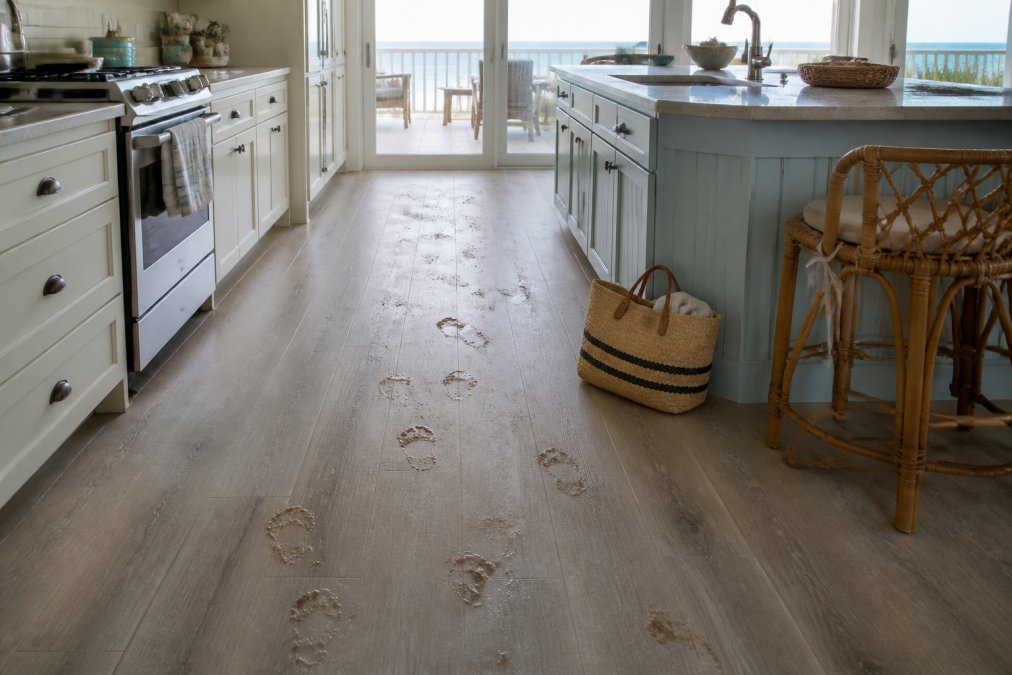
When homeowners renovate small spaces, flooring costs often consume 20-30% of the total budget. Yet many miss the opportunity to choose materials that deliver both durability and style without breaking the bank. At Hamptons carpet one floor and Home, we've helped countless Suffolk County residents discover affordable flooring ideas for small home renovations that transform their spaces while protecting their bottom line. This guide covers seven proven options that work particularly well in coastal environments where moisture resistance and durability matter most.
7 Affordable Flooring Ideas for Small Home Renovations
1. Luxury Vinyl Plank (LVP) Flooring
Luxury vinyl plank remains the most versatile affordable flooring option because it delivers waterproof performance, realistic wood aesthetics, and straightforward installation. NuCore Rigid Core Luxury Vinyl Plank, available through Floor & Decor's flooring selection, starts at $2.49 per square foot with rigid core construction that handles coastal humidity without warping.
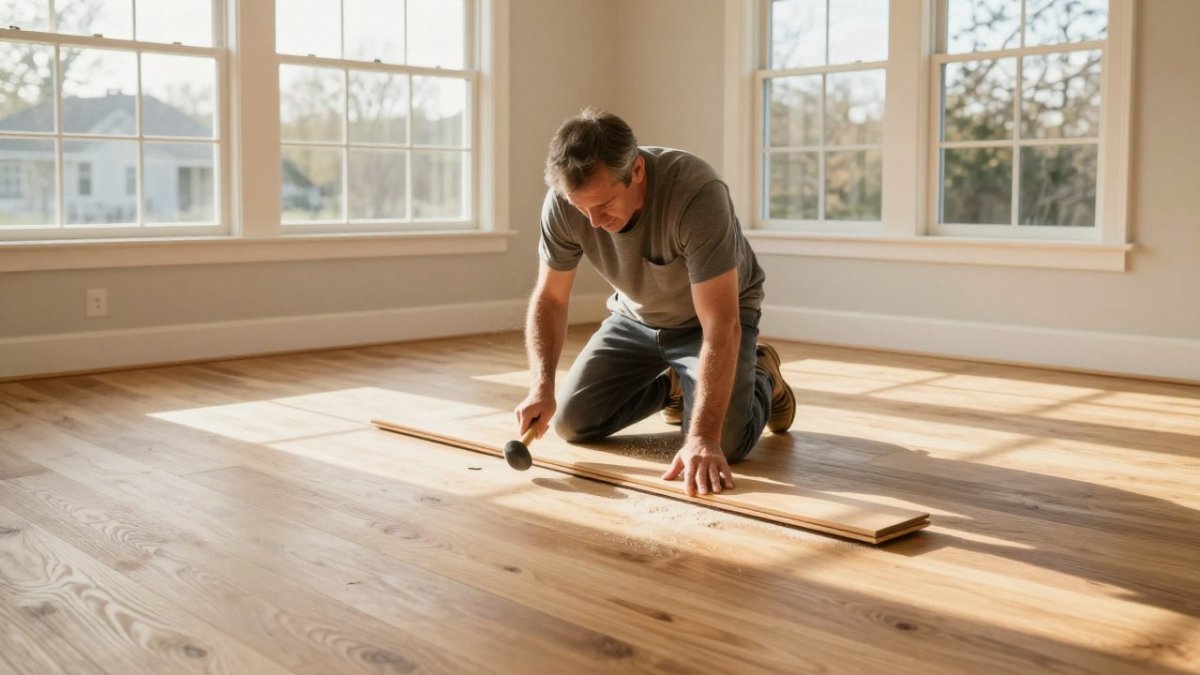
Individual planks click together without nails or adhesive. A 150-square-foot bedroom takes one person roughly four hours to install using the floating floor method, which sits on existing subfloors and eliminates expensive prep work. LifeProof Vinyl Plank Flooring includes pre-attached underlayment for added warmth and noise reduction.
The wear layer, typically 20-22 mil, resists scratching from grit and salt residue. The waterproof core prevents spills from causing delamination or mold growth underneath.
2. Laminate Flooring
Laminate delivers the wood-look aesthetic of LVP at an even lower entry price, making it excellent for renters or homeowners testing a new aesthetic. The click-lock installation method matches LVP, so DIY difficulty remains minimal.
The critical distinction: laminate is not waterproof. Water sitting on laminate for more than a few minutes will swell the core and ruin the plank. This makes laminate unsuitable for bathrooms, kitchens near sinks, or any room where spills are frequent. For bedrooms, living rooms, and low-moisture spaces, laminate performs reliably for 10+ years.
Laminate's durability comes from the aluminum oxide wear layer, harder than vinyl and more resistant to scratching.
3. Peel-and-Stick Vinyl Tiles
For the fastest, lowest-skill installation, peel-and-stick vinyl tiles eliminate the need for tools, adhesive, or subfloor prep beyond basic cleaning. Smart Tiles Peel and Stick Tiles start at $8.92 per square foot and come in geometric, rustic, and contemporary patterns.
Installation is simple: clean the floor, peel the backing, and stick the tile down. A 100-square-foot room takes 2-3 hours, including layout and trimming. Peel-and-stick flooring performs best in low-traffic areas like closets, utility rooms, or guest bedrooms. The adhesive backing gradually loses grip in high-traffic zones, causing edges to curl after 18-24 months. However, for renters or temporary renovations, this flexibility is valuable.
4. Modular Carpet Tiles
FLOR Carpet Tiles offer customizable coverage starting around $0.95 per square foot, sold in packs that cover specific square footage. You can create patterns, mix colors, and replace individual tiles if one gets stained or damaged. Eco-friendly options include carbon-negative collections made from recycled materials.
Installation uses FLORdots, small adhesive dots that hold tiles in place without permanent bonding. If a tile wears through or stains, peel it off and swap in a replacement. This modularity makes carpet tiles ideal for home offices, bedrooms, or bonus rooms. Carpet tiles provide acoustic dampening and warmth underfoot that hard flooring cannot match.
5. Painted Concrete Floors
For basements, garages, or utility rooms with existing concrete, paint offers the cheapest transformation path. Rust-Oleum RockSolid Semi-Transparent Concrete Stain costs around $49.99 per gallon and creates a marbleized look. A 200-square-foot basement costs roughly $100-$150 in materials plus sealer, with application taking one day. The cured finish lasts 3-5 years before requiring a refresh coat.
The process: clean the concrete thoroughly, apply stain or paint in thin coats, and seal with a polyurethane or acrylic topcoat. The topcoat is essential, without it, the stain wears away quickly in high-traffic areas.
6. Sheet Vinyl Flooring
Sheet vinyl comes in 6- or 12-foot-wide rolls that cover large areas with minimal seaming. Unlike peel-and-stick tiles, sheet vinyl is glued down permanently, creating a seamless surface that's easier to clean and more durable in high-traffic zones.
Installation requires more skill than click-lock planks. You must measure precisely, cut the vinyl to fit, and apply adhesive evenly to prevent bubbles or wrinkles. Most homeowners hire professionals, which adds $300-$800 depending on room size. Sheet vinyl's cost per square foot often runs lower than LVP once you factor in large coverage area.
Durability depends heavily on the wear layer thickness. Thicker wear layers (28-32 mil) resist scratching and staining better than thinner versions (12-20 mil).
7. DIY Plywood Subfloor with Finish
In older homes or historic properties with uneven original floors, installing a new plywood subfloor creates a level, stable base for any finishing material. Install 3/4-inch plywood sheets over the existing subfloor, securing them with screws every 8 inches. Then apply your chosen finish, paint, stain, or a thin layer of vinyl or laminate on top.
Plywood installation is labor-intensive and requires carpentry skills. A 200-square-foot room takes 12-16 hours for a beginner. However, the result is a perfectly level surface that eliminates squeaks and provides a solid foundation for any flooring material.
Quick Comparison Table: Affordable Flooring Options
| Flooring Type | Starting Cost | Installation Difficulty | Water Resistance | Best For | Lifespan |
|---|---|---|---|---|---|
| Luxury Vinyl Plank | $2.49/sq ft | Easy (DIY-friendly) | Excellent | Kitchens, bathrooms, high-traffic areas | 10-20 years |
| Laminate | $1.50-$2.50/sq ft | Easy (DIY-friendly) | Poor | Bedrooms, living rooms, low-moisture spaces | 10-15 years |
| Peel-and-Stick Tiles | $8.92/sq ft | Very easy (no tools) | Good | Renters, low-traffic rooms, temporary | 18-24 months |
| Modular Carpet Tiles | $0.95-$2.00/sq ft | Easy (no adhesive) | Fair | Offices, bedrooms, media rooms | 5-10 years |
| Painted Concrete | $0.50-$1.00/sq ft | Moderate (sealing required) | Good | Basements, garages, utility rooms | 3-5 years |
| Sheet Vinyl | $1.50-$3.00/sq ft | Difficult (professional install recommended) | Excellent | Kitchens, bathrooms, rentals | 10-15 years |
| Plywood Subfloor | $1.00-$2.00/sq ft | Difficult (carpentry required) | Fair | Leveling uneven floors, preparation | 20+ years |
Best DIY Flooring for Beginners: What Matters Most
If you're installing flooring yourself, click-lock systems eliminate the biggest sources of error. Luxury vinyl planks and laminate both use the same locking mechanism: each plank's tongue slides into the groove of the adjacent plank, creating a tight seal without adhesive.
Before starting, spend 30 minutes acclimating the material to your room's temperature and humidity. Leave unopened boxes in the room for 24-48 hours. This allows the planks to expand or contract before installation, preventing gaps or buckling after you've locked them together.
Prepare the subfloor by sweeping thoroughly, filling visible gaps with patching compound, and sanding down high spots. For peel-and-stick tiles, spend extra time measuring the center point of the room and snapping chalk lines to ensure symmetrical placement.
Cost of Luxury Vinyl Plank Installation: Hidden Expenses Explained
Material costs for LVP run $2.49-$4.00 per square foot, but the total project cost includes expenses homeowners often overlook.
Underlayment (if not pre-attached): $0.50-$1.00 per square foot. In a 200-square-foot bedroom, this adds $100-$200.
Subfloor repair: If the existing subfloor is damaged, warped, or uneven, budget $1,000-$3,000 to address it before installing new flooring.
Transition strips and thresholds: Budget $50-$150 depending on linear footage.
Removal of old flooring: Removal can cost $1-$3 per square foot. A 300-square-foot kitchen removal runs $300-$900.
Professional installation: Labor typically runs $3-$8 per square foot. A 200-square-foot room costs $600-$1,600 in labor alone.
Moisture barrier (if needed): In basements or near grade level, this runs $0.50-$1.50 per square foot and is essential in coastal properties.
For a complete 200-square-foot room renovation with professional installation in a typical coastal home:
- LVP material: $500-$800
- Underlayment: $100-$200
- Subfloor prep: $200-$500
- Moisture barrier: $100-$300
- Installation labor: $600-$1,600
- Trim and transitions: $75-$150
Total: $1,575-$3,550
Room-Specific Performance: Choosing Flooring by Space
Different rooms demand different flooring characteristics. A bedroom tolerates options that would fail in a kitchen.
High-Traffic Areas and Coastal Environments
Kitchens, entryways, and living rooms in beach houses face constant foot traffic, sand, salt spray, and moisture. Luxury vinyl plank or sheet vinyl excel here because they're 100% waterproof and resist staining from tracked-in seawater or sandy grit.
Choose LVP with a 22-mil wear layer minimum. Thicker wear layers resist scratching and indentation better than thinner versions. In a high-traffic kitchen, a 22-mil wear layer lasts 12-15 years; a 12-mil layer might show visible wear in 5-7 years.
Moisture-Prone Spaces
Bathrooms, laundry rooms, and basement areas require flooring that actively resists moisture penetration. Luxury vinyl plank and sheet vinyl are the only affordable options that truly perform here. Both are 100% waterproof and won't swell, warp, or develop mold.
Peel-and-stick tiles work in bathrooms if you're willing to replace them every 18-24 months. Carpet tiles should never be installed in bathrooms, as the backing absorbs moisture and mold grows underneath.
Bedrooms and Low-Traffic Rooms
Bedrooms, guest rooms, home offices, and bonus rooms tolerate a wider range of materials because foot traffic is light and moisture is minimal. Modular carpet tiles excel in bedrooms because they provide warmth, acoustic dampening, and customizable design. Laminate also performs well in bedrooms, offering a wood-look aesthetic at lower cost than LVP.
Resale Value Impact: Will Affordable Flooring Hurt Your Home's Worth?
Flooring significantly influences buyer perception of overall home quality. In Suffolk County's coastal real estate market, buyers expect durable, low-maintenance flooring. Luxury vinyl plank has become the expected standard in renovated homes because it balances aesthetics, durability, and cost.
Laminate carries a lower perception of quality than LVP, even though both are click-lock systems. Peel-and-stick tiles and painted concrete are viewed as temporary solutions. The real resale strategy: use affordable flooring in secondary spaces to maximize your renovation budget, then invest in higher-quality materials in primary living areas.
According to the National Association of Realtors' home renovation impact study, flooring updates return 70-80% of their cost at resale. This means a $3,000 flooring renovation typically increases your home's value by $2,100-$2,400.
Eco-Friendly Budget Flooring Materials
If environmental impact influences your renovation choices, several affordable options align with sustainability goals.
FLOR Carpet Tiles market carbon-negative collections made from recycled ocean-bound plastic and recycled nylon. The modular design means you replace only damaged tiles rather than entire rooms, reducing waste. Laminate can be eco-friendly if sourced from certified sustainable forests and manufactured with low-VOC adhesives. Luxury vinyl plank has improved in environmental impact over the past five years, with some manufacturers now using bio-based PVC alternatives and low-VOC formulations.
Painted concrete is the most environmentally neutral option because it repurposes existing concrete rather than introducing new materials. The most sustainable approach is choosing durable materials that last 15-20 years, reducing replacement frequency.
Installation Mistakes That Cost Money: What to Avoid
Professional installers recognize common DIY errors that create expensive problems months or years after installation.
Skipping subfloor preparation: A bumpy or damaged subfloor creates telegraphing and premature wear. Always inspect and repair the subfloor before starting.
Ignoring moisture barriers: In basements, crawl spaces, or near grade level, moisture rises through concrete and wood, causing vinyl to bubble or laminate to swell. Installing a moisture barrier adds $100-$300 but prevents $1,500+ in damage.
Mixing materials from different batches: Flooring materials vary slightly in color and tone between manufacturing batches. Install all material from the same batch to ensure consistent appearance.
Installing too tight: Click-lock flooring needs 1/4-inch expansion space around room perimeters. Use spacers during installation and remove them before installing trim.
Rushing the acclimation period: New flooring must adjust to your room's temperature and humidity for 24-48 hours before installation. Skipping this causes gaps or buckling as the material adjusts after installation.
Inadequate sealing of painted concrete: Painted concrete without a protective topcoat fails within 12-18 months in high-traffic areas. Always apply a polyurethane or acrylic sealer over paint.
Small home renovations demand smart material choices that balance cost, durability, and aesthetics. The affordable flooring ideas for small home renovations covered here, from luxury vinyl plank to painted concrete, all deliver real performance in coastal environments when installed correctly.
Hamptons carpet one floor and Home serves all of Suffolk County with professional guidance on material selection, subfloor preparation, and installation. Reach out to discuss your specific room, budget, and long-term goals. We'll help you choose flooring that performs and looks right in your actual space, not just in a showroom sample.
Frequently Asked Questions
What is the most budget-friendly flooring for a small home renovation?
Peel-and-stick vinyl tiles and painted concrete are the cheapest entry points, costing under $2 per square foot in materials. Luxury vinyl plank (LVP) and laminate offer better durability at slightly higher costs, typically $2-4 per square foot. For small spaces, the total material investment remains low even with mid-range options. The real savings come from DIY installation and choosing materials that don't require extensive subfloor preparation.
Is it cheaper to install vinyl or laminate flooring for small spaces?
Vinyl generally costs less upfront and installs faster, making it ideal for budget renovations. Laminate is slightly cheaper per square foot but requires more careful subfloor preparation and is less moisture-resistant. For small home renovations in coastal areas or moisture-prone spaces, vinyl's waterproof qualities often justify the modest price difference. Both are significantly cheaper than hardwood or tile when factoring in professional installation.
What are the best DIY-friendly flooring options for beginners?
Peel-and-stick vinyl tiles, modular carpet tiles, and luxury vinyl plank with click-lock systems are the easiest for beginners. These require minimal tools, no adhesives or grout, and simple subfloor preparation. Painted concrete is also beginner-friendly if you already have a concrete floor. Avoid sheet vinyl and complex laminate installations if you're new to flooring projects. Most beginners can complete small rooms successfully with peel-and-stick or LVP in a single weekend.
Does new affordable flooring increase home value in small properties?
Strategic flooring choices do improve resale value, but the return depends on material quality and room type. Luxury vinyl and laminate in living areas and kitchens typically recoup 50-70% of costs at resale. In bathrooms and coastal homes, waterproof options like LVP add measurable value because buyers prioritize durability. Painted concrete and peel-and-stick are temporary fixes that don't improve appraisals. Focus on durable, moisture-resistant materials in high-traffic areas for the best resale impact.
What hidden costs should I budget for when installing affordable flooring?
Subfloor preparation often costs more than expected, especially in older homes with uneven floors or moisture issues. Underlayment, removal of old flooring, and leveling compounds add 20-40% to material costs. Professional installation, even for 'DIY-friendly' options, is worth considering if your subfloor needs work. Moisture barriers in coastal or damp areas are essential and add expense. Always get a site inspection before budgeting to avoid surprise costs like the ones you've experienced before.
This article was written using GrandRanker