 Listicle
5 Best Eco-Friendly Flooring for Homes With Allergies
Table of Contents
- 5 Best Eco-Friendly Flooring Options for Homes With Indoor Allergies
- 1. Cork Flooring: Natural Hypoallergenic Comfort
- 2. Bamboo Flooring: Durable, Renewable, and Low-VOC
- 3. Natural Linoleum: Antibacterial and Zero VOC
- 4. Hardwood Flooring: Timeless and Allergen-Resistant
- 5. Porcelain Tile: Non-Porous and Completely Inert
- Low VOC Flooring Materials: What You Need to Know
- Best Flooring for Asthma and Allergies: Installation and Underlayment
5 Best Eco-Friendly Flooring for Homes With Allergies
Last Updated: July 2, 2026
When choosing flooring for a home with indoor allergies, poor choices can trap allergens, release harmful chemicals, or harbor mold and dust mites. Finding the best eco-friendly flooring requires balancing three priorities: environmental sustainability, health safety, and practical durability. This guide covers flooring options that excel across all three dimensions, backed by real certifications and material science rather than marketing claims.
How We Evaluated These Options
We assessed each flooring type across five critical dimensions: hypoallergenic properties, volatile organic compound (VOC) emissions, environmental sustainability, ease of cleaning for allergen removal, and real-world durability. The options that made this list share one fundamental characteristic: they prevent allergen accumulation through non-porous or sealed surfaces and carry third-party certifications like FloorScore or GREENGUARD that verify low-emission claims.
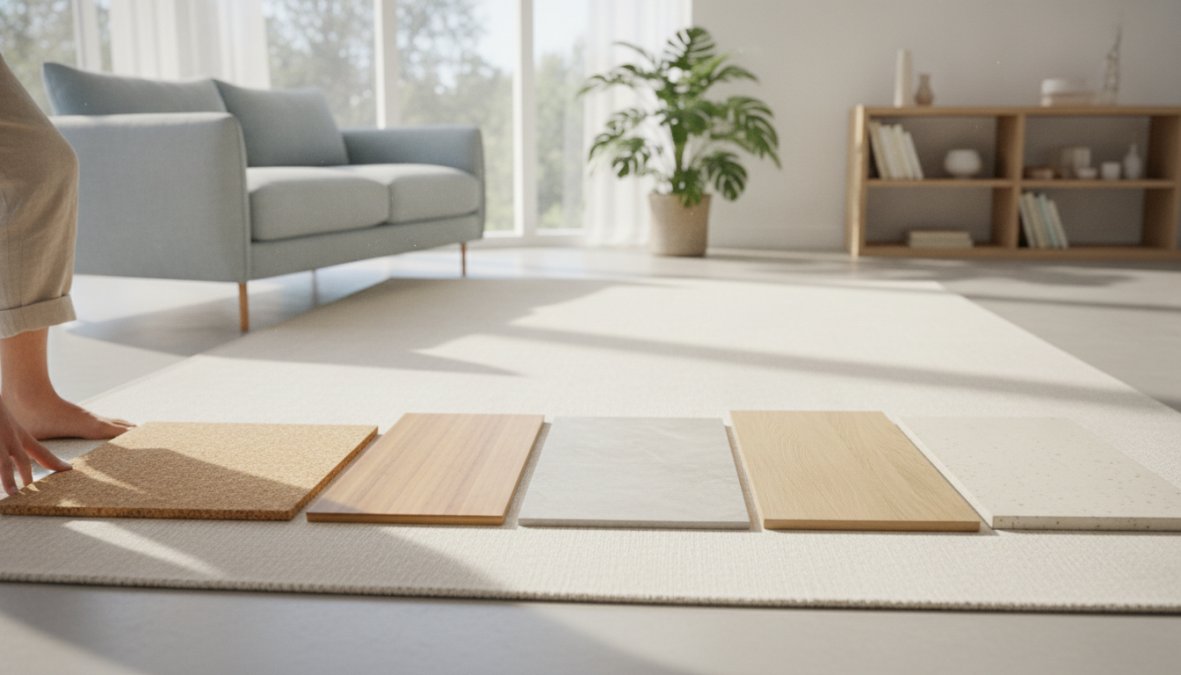
Crucially, we included installation methods and underlayment selection in our evaluation, since adhesive toxicity and moisture barriers often matter as much as the finished flooring itself. A premium eco-friendly flooring installed with toxic urethane adhesives defeats the purpose of choosing a low-VOC product.
1. Cork Flooring: Natural Hypoallergenic Comfort
Cork is harvested from cork oak bark, a renewable resource that regenerates after harvest. The material's cellular structure creates a naturally antistatic surface that actively resists dust accumulation, making it exceptional for bedrooms and playrooms.
Why Cork Works for Allergies
Cork's naturally hypoallergenic properties stem from its chemical composition. The material resists mold, mildew, and dust mites without requiring fungicides or pesticides. Unlike carpeting, cork's smooth, sealed surface prevents dust mite nesting and dander accumulation. The antistatic properties mean dust particles don't cling to the floor. The thermal insulation cork provides means fewer cold spots where moisture condenses and mold grows.
Pros:
- Naturally antimicrobial without chemical additives
- Antistatic surface prevents dust accumulation
- Renewable material with minimal environmental impact
- Provides cushioning that reduces joint stress
Cons:
- Susceptible to fading in direct sunlight over 5-10 years
- Softer surface can dent under heavy furniture
- Requires professional installation with low-VOC adhesives
- Higher upfront cost than laminate alternatives
2. Bamboo Flooring: Durable, Renewable, and Low-VOC
Bamboo grows to harvest-ready size in 3-5 years compared to hardwoods requiring 20-30 years, making it genuinely renewable. FloorScore-certified bamboo flooring verifies that manufacturing maintains ultra-low VOC emissions. The material's extreme density creates a smooth, non-porous surface that prevents allergen trapping.
FloorScore Certification and Air Quality
FloorScore certification requires independent laboratory testing to verify VOC emissions stay below strict thresholds. This matters because off-gassing from adhesives and finishes can persist for weeks or months after installation, continuously releasing formaldehyde into indoor air. FloorScore-certified products ensure you're not trading one allergen problem for a chemical sensitivity problem.
The smooth, sealed finish resists dust mite colonization. For high-traffic living areas and home offices, bamboo delivers both durability and allergen resistance.
Pros:
- Highly durable and scratch-resistant for active households
- FloorScore certification confirms low VOC emissions
- FSC-certified options available for environmental verification
- Smooth surface prevents allergen embedding
Cons:
- Requires careful adhesive selection to maintain low-VOC benefits
- Sensitive to extreme humidity swings; requires proper acclimation
- Some bamboo products use formaldehyde-containing adhesives; verify certifications before purchasing
3. Natural Linoleum: Antibacterial and Zero VOC
Natural linoleum is made from linseed oil, wood flour, and jute backing. Products like Forbo Marmoleum carry the Allergy UK Seal of Approval, a third-party certification specifically for products suitable for allergy sufferers. Unlike vinyl flooring, linoleum contains zero synthetic plastics and zero VOC emissions.
The linseed oil component naturally inhibits bacterial and fungal growth without antimicrobial coatings. This is particularly valuable in kitchens and bathrooms where moisture and food residues create conditions for mold. The antistatic surface also resists dust accumulation.
Pros:
- Naturally bacteriostatic and antistatic
- Allergy UK certified for allergen-friendly properties
- Made from 97% natural, renewable materials
- Zero VOC emissions, no off-gassing
- Extremely durable; 25-40 year lifespan is common
Cons:
- Professional installation is highly recommended
- Prone to "blooming" if stored in dark, humid conditions before installation
- Limited color and design variety compared to vinyl
- Requires proper subfloor preparation and moisture testing
4. Hardwood Flooring: Timeless and Allergen-Resistant
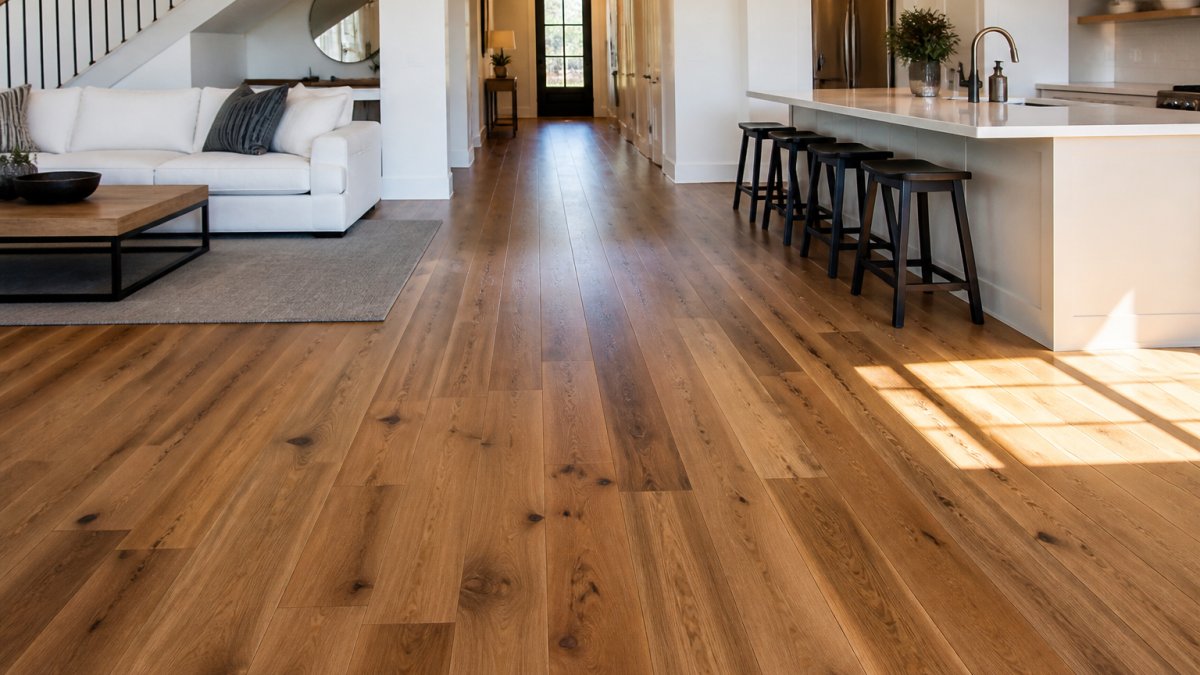
Solid and engineered hardwood offer a smooth, non-porous surface that doesn't harbor dust mites or dander. The sealed finish prevents allergens from embedding, and a quick sweep or damp mop removes accumulated dust without trapping particles.
Sustainable Sourcing and Low-VOC Finishes
Manufacturers now offer FSC-certified hardwood species harvested from responsibly managed forests. The critical specification is the finish: factory-applied low-VOC polyurethane or water-based finishes eliminate off-gassing problems of site-applied finishes. Verify that your hardwood comes with a low-VOC factory finish.
Engineered hardwood (plywood core with hardwood veneer) is more stable in humid climates than solid hardwood and often comes with better low-VOC finish options.
Pros:
- Smooth, sealed surface prevents dust mite nesting
- Easy to maintain with simple sweeping or damp mopping
- Sustainably sourced options available with FSC certification
- High resale value and aesthetic appeal
- Low-VOC factory finishes eliminate off-gassing concerns
Cons:
- Not suitable for bathrooms or high-moisture areas
- Significantly more expensive than laminate or vinyl alternatives
- Requires professional installation for best results
- Cannot be installed over radiant heat systems
5. Porcelain Tile: Non-Porous and Completely Inert
Porcelain tile is fired at extremely high temperatures (2,200°F+), eliminating all organic compounds and creating a completely inert, non-porous surface. The material contains zero VOC, zero formaldehyde, and zero PVC, making it the most chemically neutral flooring option available. It is inhospitable to mold, bacteria, and fungi due to its non-porous nature.
Sealed Grout and Mold Prevention
The critical detail with tile is grout. Unsealed grout is porous and absorbs moisture, creating ideal conditions for mold growth. Epoxy grout or sealed urethane grout prevents moisture penetration and mold colonization. Budget for professional sealing of grout lines and plan for regular cleaning to prevent mold in grout joints.
For kitchens, bathrooms, and entryways where moisture exposure is high, porcelain tile's inert properties and mold resistance are unmatched.
Pros:
- Completely inert material; zero off-gassing
- Non-porous surface prevents mold and bacterial growth
- Extremely easy to disinfect and deep-clean
- Suitable for any room, including high-moisture areas
- Durable for 25+ years with minimal wear
Cons:
- Grout lines require regular sealing and maintenance to prevent mold
- Hard surface is uncomfortable underfoot and can be cold
- Grout cleaning is labor-intensive; professional cleaning recommended annually
- Installation costs are higher than laminate or vinyl
| Flooring Type | Best For | VOC Status | Allergen Resistance | Moisture Tolerance | Maintenance |
|---|---|---|---|---|---|
| Cork | Bedrooms, playrooms | Low (varies by adhesive) | Excellent | Poor | Sweep/damp mop |
| Bamboo | Living areas, offices | FloorScore certified | Excellent | Fair | Sweep/damp mop |
| Natural Linoleum | Kitchens, entryways | Zero VOC | Excellent | Good | Sweep/damp mop |
| Hardwood | Living rooms, hallways | Low-VOC finish required | Excellent | Poor | Sweep/damp mop |
| Porcelain Tile | Bathrooms, kitchens | Zero VOC | Excellent | Excellent | Sweep/sealed grout |
Low VOC Flooring Materials: What You Need to Know
Volatile organic compounds are chemicals that evaporate at room temperature, entering indoor air as invisible vapors. Formaldehyde, benzene, and toluene are common VOCs in flooring adhesives, finishes, and substrate materials. For people with allergies or asthma, VOC exposure can trigger respiratory symptoms, headaches, and chemical sensitivities.
Understanding Volatile Organic Compounds
VOCs are measured in micrograms per cubic meter (µg/m³). A low-VOC product typically emits less than 50 µg/m³ within 28 days of installation. The problem: many conventional flooring installations involve multiple VOC sources, the flooring itself, the adhesive, the primer, and the sealer, that combine into significant cumulative exposure.
The solution is specifying low-VOC products across all layers. A low-VOC bamboo floor installed with conventional urethane adhesive still exposes your family to volatile compounds.
GREENGUARD and FloorScore Certification Labels
GREENGUARD Gold certification requires testing for 10,000+ chemical compounds and verification that emissions stay below strict thresholds. FloorScore certification is more specific to flooring, testing VOC emissions and formaldehyde content. Both represent independent verification that a manufacturer's claims are real.
When shopping, prioritize products carrying GREENGUARD Gold or FloorScore labels over products claiming "low-VOC" without third-party testing. Look for the actual certification label on product documentation, not just marketing language.
Best Flooring for Asthma and Allergies: Installation and Underlayment
The flooring material itself is only half the equation. Installation methods and underlayment choices determine whether your floor performs as intended or becomes a source of indoor air quality problems.
Adhesive Toxicity and Installation Methods
Conventional urethane and polyurethane adhesives off-gas formaldehyde for weeks or months. Low-VOC adhesives, including water-based urethane, plant-based adhesives, and mechanical fastening systems, eliminate this problem.
Mechanical fastening (using nails or staples instead of adhesive) is available for hardwood and some engineered products. For bamboo and cork, low-VOC water-based urethane adhesives are the standard. Ask your installer for documentation of adhesive VOC content.
Flooring should be acclimated to your home's humidity level before installation. Professional installers measure subfloor moisture and ensure proper vapor barriers are in place before laying any flooring.
Moisture Barriers and Underlayment Selection
Underlayment provides cushioning and moisture protection. For allergy sufferers, moisture protection is critical. Mold growth in underlayment is invisible and difficult to remediate once flooring is installed.
Closed-cell foam underlayment provides moisture barrier properties while maintaining low VOC emissions. In bathrooms and kitchens, a full moisture barrier (plastic sheeting or rubber membrane) beneath tile or linoleum prevents water penetration to subfloors and mold growth.
Maintenance Tips for Hypoallergenic Floors
Once installed, maintaining your hypoallergenic floor prevents allergen accumulation and extends its lifespan. Daily or twice-weekly dry sweeping with a microfiber dust mop removes surface dust. Weekly damp mopping with water and a small amount of pH-neutral cleaner removes dust that sweeping misses. Avoid vinegar-based cleaners and oil-based products.
For porcelain tile, quarterly deep cleaning of grout lines with a grout brush and pH-neutral cleaner, followed by resealing every 1-2 years, prevents moisture penetration and mold growth.
Humidity control is equally important as cleaning. Maintaining indoor humidity between 35-50% prevents both mold growth and dust mite proliferation. Dust mites thrive above 50% humidity and die below 30%.
Finding the right flooring for a home with indoor allergies requires balancing health, environmental responsibility, and practical durability. The best eco-friendly flooring options share one critical characteristic: they prevent allergen accumulation through sealed, non-porous surfaces while avoiding chemical off-gassing. Our team helps families navigate these choices by connecting you with installers who understand low-VOC adhesive requirements, moisture barrier specifications, and maintenance protocols that keep your floors allergen-resistant for years.
Frequently Asked Questions
What is the best flooring for people with severe allergies?
The best eco-friendly flooring for severe allergies includes porcelain tile, natural linoleum, and bamboo with FloorScore certification. These options are non-porous or have sealed surfaces that prevent dust mites, dander, and allergen accumulation. Porcelain tile is completely inert and inhospitable to mold and bacteria, while certified bamboo and linoleum have zero VOC emissions and naturally resist dust mites. Avoid synthetic fibers and carpets that trap micro-particles and allergens.
Are VOCs in flooring a trigger for allergies and asthma?
Yes, volatile organic compounds (VOCs) and off-gassing from flooring materials can trigger asthma and allergies. Low VOC flooring materials certified by GREENGUARD or FloorScore emit minimal formaldehyde and synthetic chemicals. Natural linoleum, cork, and sustainably sourced hardwood with low-VOC finishes improve indoor air quality. Always request documentation of adhesive toxicity and underlayment materials during installation to minimize chemical exposure.
How do I choose hypoallergenic flooring for my home with indoor allergies?
Look for non-porous surfaces or sealed finishes that prevent allergen accumulation. Prioritize certifications like Allergy UK Seal of Approval, FloorScore, or GREENGUARD. Consider your room's moisture levels, porcelain tile suits kitchens and bathrooms, while cork and bamboo work in living areas. Ensure professional installation with low-VOC adhesives and moisture barriers. Request sealed grout for tile and ask about underlayment materials to eliminate hidden toxins.
Is eco-friendly flooring better for indoor air quality?
Eco-friendly flooring materials like natural linoleum, cork, and certified bamboo are specifically designed to improve indoor air quality. These renewable materials have zero or ultra-low VOC emissions and don't off-gas formaldehyde. Unlike synthetic alternatives, sustainable flooring options use natural resins and bio-based adhesives. Proper installation with low-VOC adhesives and sealed grout further reduces bacterial growth and mold resistance issues, creating a healthier home environment.
What flooring materials should allergy sufferers avoid?
Avoid traditional carpet and synthetic fibers that trap dust mites, dander, and micro-particles. Steer clear of laminate with high formaldehyde content, vinyl with PVC, and unsealed grout lines that harbor mold and bacteria. Don't choose flooring with unknown adhesive toxicity or high VOC emissions. Avoid materials without certifications like FloorScore or GREENGUARD. Instead, select solid hardwood, porcelain tile, cork, or certified bamboo with documented low-VOC installation methods.
This article was written using GrandRanker