 Listicle
Best Floor Protectors for Luxury Vinyl Furniture
Table of Contents
- Quick Comparison: Best Floor Protectors for LVP
- How to Prevent Scratches on Luxury Vinyl Plank Flooring
- Felt vs Silicone Furniture Pads for Vinyl
- Top Floor Protectors for Luxury Vinyl Furniture
- Scotch Felt Pads: Best for Lightweight Chairs and Tables
- SuperSliders Furniture Sliders: Best for Heavy Furniture That Moves
- Slipstick Furniture Grippers: Best for Stationary Furniture
- Gorilla Felt Pads: Best for High-Traffic Furniture Legs
- Shepherd Hardware Floor Protectors: Best for Custom Leg Types
- X-Protector Premium Furniture Pads: Best Variety Pack
- Chair Glides by Waxman: Best for Dining Chairs
- SoftTouch Felt Furniture Pads: Best for Custom Cutting
- Lifespan Furniture Pads: Best for Heavy Loads
- Heavy Furniture Indentations on Vinyl Flooring
- Installation and Maintenance Tips
- Frequently Asked Questions
Last Updated: October 2, 2026
Quick Comparison: Best Floor Protectors for LVP
Furniture is the quiet enemy of luxury vinyl plank flooring. Dragged chairs, sofa legs, and heavy cabinets grind grit across the vinyl wear layer, causing scratches, scuffs, and permanent dents long before the floor itself wears out.
That is why the best floor protectors for luxury vinyl furniture matter more on LVP than on almost any other surface.
Quick Picks:
- Best for Lightweight Chairs: Scotch Felt Pads
- Best for Heavy Furniture That Moves: SuperSliders Furniture Sliders
- Best for Stationary Pieces: Slipstick Furniture Grippers
- Best for High-Traffic Legs: Gorilla Felt Pads
- Best for Heavy Loads: Lifespan Furniture Pads
| Product | Best For | Material | Starting Price |
|---|---|---|---|
| Scotch Felt Pads | Lightweight chairs and tables | High-density felt | $5.00 |
| SuperSliders Furniture Sliders | Heavy furniture moved often | Plastic base, foam back | $8.00 |
| Slipstick Furniture Grippers | Stationary furniture | Rubber | $12.00 |
| Gorilla Felt Pads | High-traffic legs | Extra-thick felt | $7.00 |
| Lifespan Furniture Pads | Heavy cabinets and pianos | High-density felt | $10.00 |
How to Prevent Scratches on Luxury Vinyl Plank Flooring
Preventing scratches on luxury vinyl plank flooring comes down to three things: a clean contact surface, the right pad material for the furniture's weight, and replacing worn protectors before they fail.
Grit is the real culprit. A single grain of sand trapped under a felt pad turns it into sandpaper every time the chair moves.
- Sweep or vacuum before moving any furniture
- Match pad material to furniture weight and movement
- Check pads monthly for embedded grit or compressed felt
- Lift, never drag, when repositioning heavy pieces
Felt vs Silicone Furniture Pads for Vinyl
Felt wins for most furniture, but silicone and rubber have a narrow role. The felt versus silicone furniture pads for vinyl debate usually ends the same way: felt for anything that slides, rubber or silicone for anything that should stay put. The reason is chemistry, not preference.
Why rubber can stain luxury vinyl
Luxury vinyl plank is a layered product: a printed design film, a clear wear layer, and a rigid core beneath.
The result is a permanent yellow, brown, or gray halo shaped like the furniture foot.
Flooring installers report the stain often appears only after the furniture has sat undisturbed for a full season or longer, which is why so many homeowners blame the floor instead of the pad.
Which materials are vinyl-safe
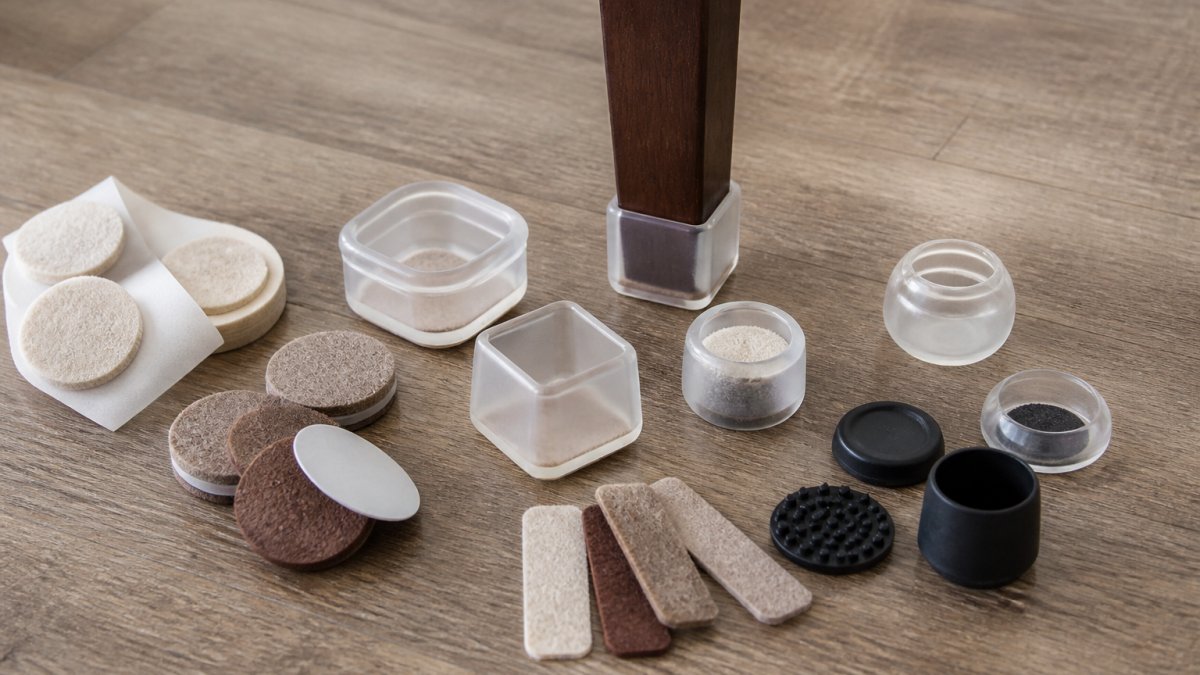
- High-density felt (wool or synthetic): The default. Slides smoothly, will not migrate, and is the material most LVP manufacturers name in their care instructions.
- Silicone: Chemically stable and non-staining. Good for stationary pieces that need grip. Confirm the product is 100% silicone, not a rubber-silicone blend.
- Soft polyurethane: Used on quality caster wheels and some slider bases. Vinyl-safe and non-marking.
- Hard plastic (nylon, polypropylene): Non-staining but abrasive if grit gets trapped. Best for sliders that are used briefly and then removed.
- Natural rubber and PVC blends: The highest-risk category. Avoid under furniture that will not move for months.
- Cotton or wool wraps: Safe, but they compress quickly and need frequent replacement under heavy legs.
The felt-versus-silicone decision
| Pad Type | Best For | Watch Out For |
|---|---|---|
| High-density felt | Sliding chairs, tables, light furniture | Traps grit if not cleaned |
| 100% silicone | Stationary furniture, grip | Repositioning is difficult |
| Soft polyurethane | Casters, slider bases | Costs more than felt |
| Hard plastic sliders | Heavy pieces moved occasionally | Abrasive if grit is trapped |
| Rubber / PVC blends | (Avoid on LVP) | Chemical migration and permanent staining |
High-density felt is the industry-standard choice for minimizing friction and preventing scratches on luxury vinyl plank surfaces, according to Harmony Flooring's flooring guidance. Felt glides smoothly and won't mark the wear layer.
Rubber and rubber-composite pads carry a real risk. According to Leicester Flooring and Carpet's material notes, rubber-based protectors can cause chemical reactions or staining on certain luxury vinyl surfaces, making them less ideal than felt or cotton alternatives.
A quick compatibility test
Before committing a new pad to a whole room, tape one to a spare tile or offcut of the same LVP and leave it in a warm spot for two weeks. If the surface discolors, the pad is not vinyl-safe, the same logic manufacturers use when they warn against rubber-backed mats.
Top Floor Protectors for Luxury Vinyl Furniture
The right protector depends on how much your furniture weighs and how often it moves. Here are the products that hold up best on LVP, ranked by use case.
Scotch Felt Pads: Best for Lightweight Chairs and Tables
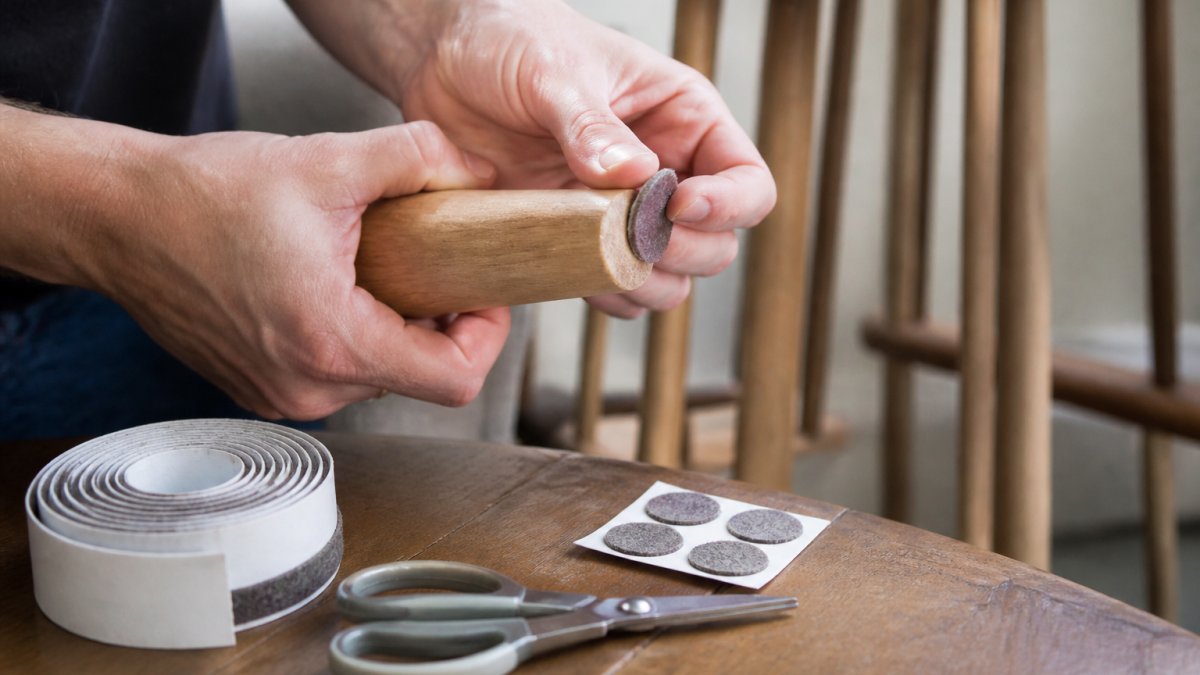
Scotch Felt Pads are the reliable default for dining chairs and side tables. The high-density felt and strong adhesive handle everyday sliding without marking vinyl, and they come in enough shapes to fit most standard legs. The catch: the adhesive attracts dust and hair, so plan to replace them periodically.
SuperSliders Furniture Sliders: Best for Heavy Furniture That Moves
SuperSliders are built for sofas, desks, and dressers you reposition now and then. The smooth plastic base cuts friction dramatically, and the foam backing grips the leg. They prevent indentations from heavy weight, but are not meant for permanent placement. Use them to move, then remove.
Slipstick Furniture Grippers: Best for Stationary Furniture
Slipstick grippers keep furniture exactly where you put it. The non-slip rubber construction stops shifting and protects against indentations, and holds up over years of use. The trade-off: repositioning furniture with grippers attached is a chore.
Gorilla Felt Pads: Best for High-Traffic Furniture Legs
Gorilla Felt Pads use extra-thick felt and an industrial-strength adhesive that outlasts standard pads. They resist moisture and cut vibration, which helps on upper floors. Clean the leg thoroughly before applying, or the adhesive won't hold.
Shepherd Hardware Floor Protectors: Best for Custom Leg Types
Shepherd Hardware covers nearly every leg style with felt, rubber, and plastic options in nail-on and adhesive versions. If your furniture has an odd leg shape, Shepherd likely makes a protector that fits. Nail-on versions do require drilling into the furniture.
X-Protector Premium Furniture Pads: Best Variety Pack
X-Protector packs extra-thick felt pads in many sizes, a smart buy if you're outfitting a whole room at once. The felt density is high and the value is strong for the quantity. One caution: the adhesive can leave residue if removed after many years.
Chair Glides by Waxman: Best for Dining Chairs
Waxman Chair Glides are engineered for chair legs, with smooth plastic or felt-bottom options that prevent legs from digging into vinyl. They fit standard chair leg diameters, so measure before buying if your chairs are unusual.
SoftTouch Felt Furniture Pads: Best for Custom Cutting
SoftTouch pads come in sheets you cut to size, solving the problem of irregular or oversized furniture feet. The felt is soft and non-abrasive on vinyl. You'll need scissors and patience for a clean fit.
Lifespan Furniture Pads: Best for Heavy Loads
Lifespan pads resist compression, holding their shape under pianos, heavy cabinets, and large desks. The high-density material prevents permanent indentations and won't mark the floor. They cost more than basic felt, but the extra spend is worth it for genuinely heavy pieces.
Heavy Furniture Indentations on Vinyl Flooring
Heavy furniture indentations on vinyl flooring form when weight concentrates on a small contact point for long enough to compress the vinyl. The fix is spreading that load across more surface area, and knowing how much surface area you actually need.
The pressure math
Indentation is a function of pressure, not total weight. Pressure is weight divided by contact area. A 300-pound sofa on four bare legs, each roughly one square inch, puts about 75 psi on each contact point.
That is why a wide pad under a narrow foot matters more than a thick pad under a wide one.
Why casters are the biggest offender
Office chairs are the number-one cause of permanent LVP damage, and it is almost never the chair's weight, it is the wheels.
The fix is wheel material, not a pad. Soft polyurethane casters deform slightly under load, spreading the contact patch and rolling over grit instead of crushing it into the floor, the standard recommendation for hard flooring.
Load-bearing tactics that actually work
- Add a load-bearing pad under each heavy leg, sized to the leg, not the smallest pad in the pack.
- Use wider protectors for narrow furniture feet; a 1-inch foot needs a 2-inch pad, minimum.
- Reposition heavy furniture occasionally to relieve pressure points; a seasonal shift is enough.
- Avoid leaving heavy items in one spot for years, especially in a warm room where vinyl softens.
- For pianos, safes, and loaded bookcases, consider a plywood or hardboard load-spreading base under the legs, then pads beneath that.
- Keep the room below 80°F where possible; heat softens the wear layer and makes indentation more likely.
When an indentation is permanent
Vinyl has some memory. A shallow dent from a chair leg often relaxes within a few days once the load is removed. A deep dent in place for months, or one that appears whitish or cloudy, has likely compressed past the wear layer into the core, no pad will reverse it.
Installation and Maintenance Tips
Installation takes minutes, but prep decides whether the pads last. Clean each furniture foot with rubbing alcohol, let it dry, then press the pad firmly for several seconds.
Maintenance is simple and easy to forget. Check pads monthly, remove trapped grit, and replace any pad that has flattened or hardened. A worn pad protects nothing.
- Wipe each furniture leg clean before applying
- Press adhesive pads firmly for 10 seconds
- Vacuum under furniture monthly
- Replace compressed or gritty pads immediately
- Recheck pads after moving furniture
Frequently Asked Questions
What type of furniture pads are safe for luxury vinyl plank flooring?
High-density felt pads are the safest choice for luxury vinyl plank flooring. They provide a soft barrier that prevents scratches and reduces friction without reacting to the vinyl surface. Avoid rubber or rubber-composite pads, as they can cause chemical staining on certain LVP finishes. For heavy furniture, use hard plastic sliders or high-density felt pads designed for heavy loads to distribute weight and prevent indentations. Always check that the pad material is labeled floor-safe and non-marking.
Do I need felt pads for luxury vinyl flooring?
Yes, felt pads are highly recommended for luxury vinyl flooring to prevent scratches from everyday furniture movement. High-density felt is the primary material for minimizing friction and preventing scratches on LVP surfaces. However, some industry experts suggest that adhesive felt pads can trap dirt and debris, which may act as an abrasive over time. If you choose felt, clean the pads regularly. For heavy furniture that stays in place, consider felt pads with a larger surface area to distribute weight and reduce the risk of indentations.
Can rubber furniture pads damage luxury vinyl floors?
Rubber or rubber-composite pads can damage luxury vinyl floors by causing chemical reactions or staining. Rubber-based protectors may stain certain luxury vinyl surfaces, making them less ideal than felt or cotton alternatives. The plasticizers in some rubber pads can migrate into the vinyl, leaving permanent marks. If you need non-slip protection, look for pads specifically labeled as safe for vinyl or use silicone cups that are formulated to be non-staining. Always test a small area first.
How do I prevent heavy furniture from denting luxury vinyl flooring?
To prevent heavy furniture from denting luxury vinyl flooring, use wide, flat floor protectors that distribute weight across a larger surface area. High-density felt pads or hard plastic sliders with a broad base reduce pressure points. For very heavy items like pianos or large desks, consider Lifespan Furniture Pads, which are designed to resist compression and maintain shape under heavy loads. You can also rotate heavy furniture periodically to allow the vinyl to recover. Avoid small, thin pads that concentrate weight and cause permanent indentations.
Are adhesive or nail-on furniture protectors better for vinyl floors?
Adhesive protectors are generally better for vinyl floors because they do not require drilling into furniture and are easy to replace. Nail-on protectors can be secure but may damage furniture legs and are harder to remove. Adhesive felt pads from brands like Scotch or Gorilla are popular for their strong backing and ease of installation. However, adhesive can attract dust over time, so clean the furniture leg surface thoroughly before applying. For heavy furniture that is rarely moved, nail-on glides with a smooth plastic base can also work well.
Protecting vinyl floors is only half the job; the other half is choosing flooring that holds up to real life. Hamptons carpet one floor and Home helps homeowners across Suffolk County select durable, moisture-resistant flooring built for coastal conditions and heavy foot traffic. From product selection to meticulous installation, our team handles the details that keep floors looking new. Get started with Hamptons carpet one floor and Home and protect the floor you invested in.