 Listicle
Best Flooring Alternatives for Residential Homes
Table of Contents
- Top Flooring Alternatives for Residential Homes
- Luxury Vinyl Plank vs Laminate: Which Performs Better
- Durable Flooring for Pets and Kids
- Engineered Hardwood vs Solid Wood
- Sustainable Options: Bamboo and Cork Flooring
- Flooring Installation Cost Comparison and Timeline
- Resale Value and Long-Term Investment
- Conclusion
Last Updated: August 29, 2026
Top Flooring Alternatives for Residential Homes
Finding the right flooring transforms your home, but the sheer number of options complicates the decision. The residential market accounted for 70% of US flooring demand in 2022, with homeowners increasingly choosing alternatives to traditional carpeting. According to The Freedonia Group's 2024 US Flooring Market analysis, luxury vinyl tile is projected to surpass carpeting as the most popular flooring product in the US in 2024, with volume demand for LVT rising 28% per year from 2012 to 2022.
At Hamptons carpet one floor and Home, we understand that choosing the right flooring alternatives for residential spaces means balancing durability, aesthetics, maintenance, and budget. This guide breaks down the most practical options available today with honest assessments of where each performs best. Whether you're dealing with coastal moisture, active kids and pets, or simply want something better than what's currently down, we'll help you navigate modern flooring choices.
Luxury Vinyl Plank vs Laminate: Which Performs Better
Luxury vinyl plank and laminate are the two most popular budget-friendly alternatives to hardwood, but they're fundamentally different products. LVP uses a waterproof core with a photographic layer that replicates wood or stone, while laminate is paper-based with a melamine wear layer. The distinction matters far more than most shoppers realize.
LVP wins decisively in moisture-prone environments. The waterproof core handles kitchen spills, bathroom humidity, and basement moisture without warping. Laminate swells and fails if exposed to standing water, making LVP the clear choice for coastal homes, bathrooms, kitchens, and basements. Lions Floor Luxury Vinyl Plank flooring features a fiberglass-reinforced structure for dimensional stability and is indent-resistant, making it suitable for high-traffic residential spaces and active households with pets.
Laminate has one advantage: it's quieter underfoot and feels slightly warmer than vinyl. If your home doesn't face moisture challenges and you prioritize comfort and sound absorption, laminate works well. TrafficMaster laminate flooring offers realistic wood aesthetics at a lower price point and is often suitable for DIY installation, though it requires a completely flat subfloor.
Waterproof Core and Moisture Resistance
The waterproof core separates LVP from every other flooring type at this price level. Traditional laminate uses a paper-based core that absorbs moisture like a sponge. Vinyl's rigid core prevents swelling, cupping, and delamination. For homes in humid climates or with active bathrooms and kitchens, this feature justifies the choice.
LVP typically uses click-lock systems allowing floating floor installation, meaning planks aren't glued to the subfloor. This flexibility is valuable in older homes with uneven subfloors or rental situations where you want to remove the flooring later.
Installation and Cost Differences
Laminate is generally cheaper per square foot, but installation costs can offset savings. Laminate requires an absolutely flat subfloor; irregularities cause planks to rock and joints to separate. LVP is more forgiving, tolerating minor subfloor imperfections without visible problems. This means laminate often requires more subfloor preparation, adding labor costs.
Both products are DIY-friendly compared to hardwood or tile, but vinyl's tolerance for imperfect subfloors makes it safer for older homes.
Durable Flooring for Pets and Kids
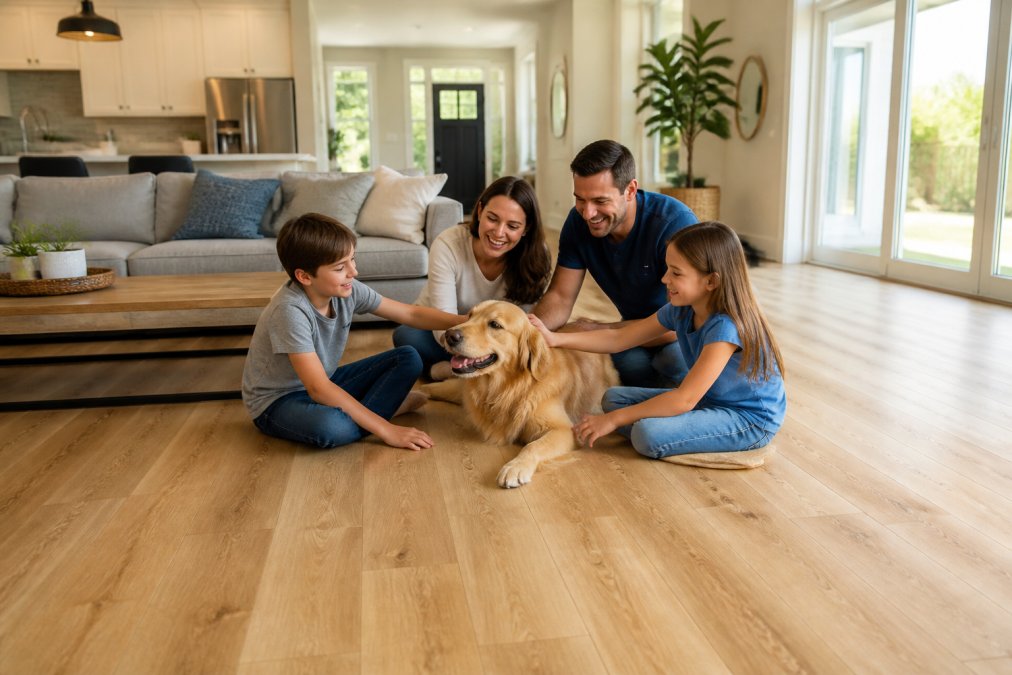
Households with children and pets need flooring that tolerates spills, scratches, and constant foot traffic without showing wear.
LVP is the category leader. It's scratch-resistant, waterproof, and easy to clean. Spills wipe up instantly, pet accidents don't stain or smell, and scratches from claws or toys are minimal with quality products. Wear layer thickness matters: thicker wear layers (20+ mil) perform better than thin ones (12 mil or less).
Engineered hardwood is a solid second choice if you want authentic wood without the fragility of solid hardwood. The real wood veneer gives genuine aesthetics, while the plywood base prevents warping from humidity and temperature changes. However, it's not waterproof, so accidents must be cleaned immediately.
Bamboo flooring is harder than most hardwoods, making it durable for high-traffic homes. Home Legend Bamboo Flooring features a Crystalguard finish for high scratch resistance and drop-and-lock installation, making it suitable for households with children and pets. The caveat: it's still not waterproof, so it's better suited to homes where accidents are cleaned quickly.
Tile and stone are practically indestructible but cold and hard underfoot, not ideal if comfort matters.
Engineered Hardwood vs Solid Wood
Engineered hardwood is not inferior to solid hardwood, it's a different product designed for different conditions.
Solid hardwood is a single piece of wood from top to bottom. It's beautiful, can be refinished multiple times, and develops character over decades. The tradeoff: it expands and contracts with humidity and temperature, making it unsuitable for basements, kitchens, and bathrooms. It's also more expensive and requires professional installation.
Engineered hardwood has a real hardwood veneer on top of a plywood or high-density fiberboard base. This layered construction prevents warping and allows installation in basements, above radiant heating, and in moisture-prone areas where solid wood would fail. MSI Surfaces W Luxury Genuine Hardwood Plank features a real hardwood wear layer with a CrystaLux Ultra formulation protective layer for durability and is radiant heat approved. Bruce Engineered Hardwood Flooring offers layered construction with real hardwood veneer and extra stability to withstand moisture and temperature changes.
The catch with engineered hardwood: refinishing is limited. Thin wear layers (3mm or less) allow only one or two refinishing cycles. Thicker wear layers (5mm or more) allow multiple refinishing cycles, approaching solid hardwood's longevity.
For most homeowners, engineered hardwood is the smarter choice. It delivers authentic wood aesthetics, handles moisture better, and installs more easily than solid wood. The resale value difference is minimal if you choose a quality product with a thick wear layer.
Sustainable Options: Bamboo and Cork Flooring
Sustainability has moved from niche concern to mainstream expectation. Bamboo and cork offer genuine eco-friendly credentials without sacrificing durability or aesthetics.
Bamboo Flooring Sustainability and Durability
Bamboo grows to maturity in 3-5 years, compared to 20-40 years for hardwood trees. This rapid renewal makes it genuinely sustainable when harvested responsibly. CALI Bamboo Flooring is strand-woven for enhanced hardness and durability, features low-VOC formulations for better indoor air quality, and is responsibly harvested from rapidly renewable sources.
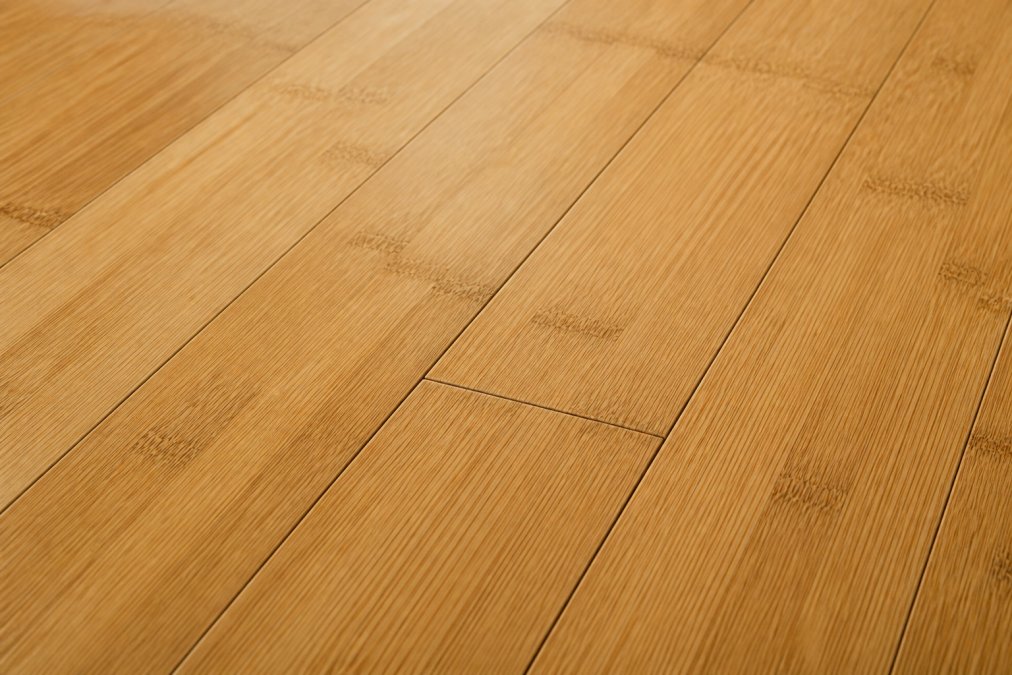
Strand-woven bamboo rivals oak and maple in density, translating to excellent scratch resistance and durability in high-traffic areas. The aesthetic is distinctive: bamboo has a linear grain pattern that's either loved or divisive depending on preference. Finishes range from natural light tones to carbonized deep amber.
Look for FSC certification to ensure responsible sourcing. The low-VOC requirement matters too, as off-gassing from adhesives and finishes affects indoor air quality, particularly important in coastal homes where you're already managing moisture.
Cork Flooring Comfort and Insulation
Cork is harvested from the bark of cork oak trees, which regenerate after harvest. The tree isn't cut down, making cork one of the most sustainable flooring options available. AmCork Pebble Glue Down Cork Flooring features a naturally compressible honeycomb cellular structure for comfort underfoot, built-in thermal insulation, and natural sound absorption.
Cork's cellular structure creates genuine comfort, it feels warm and slightly cushioned underfoot, reducing fatigue in kitchens and bathrooms. It also absorbs sound, making it quieter than hardwood or tile, and provides thermal insulation that helps maintain floor temperature.
The tradeoffs are real. Cork is softer than hardwood, so it dents more easily from furniture legs and dropped objects. It requires periodic sealing to maintain water resistance; neglect this and it will absorb moisture and swell. It's also more expensive than many alternatives and has a distinctive appearance that doesn't suit every interior style.
Cork works best in low-traffic areas like bedrooms, home offices, and living rooms.
Flooring Installation Cost Comparison and Timeline
Installation costs often surprise homeowners. Labor and subfloor preparation can equal or exceed material costs, particularly in older homes.
| Flooring Type | Material Cost (per sq ft) | Installation Labor | Timeline | Subfloor Prep Needs |
|---|---|---|---|---|
| Laminate | $1-4 | $3-8 | 1-3 days | High (must be flat) |
| Luxury Vinyl Plank | $2-5 | $3-8 | 1-3 days | Low to moderate |
| Engineered Hardwood | $3-8 | $4-10 | 2-5 days | Moderate |
| Solid Hardwood | $5-12 | $5-12 | 3-7 days | Moderate to high |
| Bamboo | $3-8 | $4-10 | 2-5 days | Moderate |
| Cork | $4-10 | $4-10 | 2-4 days | Moderate |
| Tile | $2-15 | $5-15 | 2-7 days | High (must be level) |
A 500-square-foot room typically takes 2-3 days for most products, but older homes with uneven subfloors or multiple layers of existing flooring can extend that to a week or more.
Subfloor preparation is where costs spike. If your subfloor is uneven, damp, or damaged, you'll pay extra. Laminate demands the flattest subfloor, making it expensive to install over problematic bases. LVP tolerates minor imperfections. Tile requires a perfectly level subfloor or you'll see lippage (uneven grout lines).
Professional installation is worth the cost if your subfloor is questionable. A DIY installation on a bad subfloor leads to movement, noise, and premature failure. Hamptons carpet one floor and Home handles subfloor assessment as part of the consultation, identifying potential issues before installation begins.
Resale Value and Long-Term Investment
Flooring directly influences buyer perception and resale value. Homeowners who have their wood floors refinished recover 147% of the cost, the highest return on investment of all remodeling projects, according to the National Association of Realtors and the National Association of the Remodeling Industry's 2022 Remodeling Impact Report. Installing new wood flooring was second at 118% cost recovery.
LVP and laminate don't command the same premium. They're viewed as budget choices, though they're practical options that reduce upfront costs while delivering durability. A home with quality LVP throughout will sell faster than one with worn carpet, even if it doesn't command the hardwood premium.
Engineered hardwood occupies the middle ground. It looks like solid hardwood to most buyers and costs less, making it a smart investment if you want hardwood aesthetics without the solid wood price tag. Buyers can't easily distinguish engineered from solid hardwood, so the resale value premium is nearly identical.
Bamboo and cork are niche products. Environmentally conscious buyers appreciate them, but mainstream buyers may see them as unusual. They won't hurt resale value, but they won't add the premium that hardwood does.
For coastal homes specifically, moisture-resistant flooring is a selling point. Buyers worry about salt air and humidity damage. LVP and engineered hardwood signal that the home's flooring can handle coastal conditions.
If you plan to stay in your home for 10+ years, choose flooring you love. If you're planning to sell within 5 years, hardwood or engineered hardwood maximizes resale value.
Choosing the right flooring alternatives for residential homes requires balancing aesthetics, durability, moisture resistance, and budget. The best choice depends on your specific situation: coastal homes need moisture-resistant options like LVP; families with pets and kids benefit from waterproof, scratch-resistant products; and homeowners seeking long-term value should consider engineered hardwood or quality solid hardwood.
Hamptons carpet one floor and Home serves the entire Suffolk County area with expert guidance on flooring selection and professional installation. Our team assesses your subfloor, discusses moisture concerns specific to coastal properties, and recommends products that match your home's conditions and lifestyle. The U.S. flooring market is valued at USD 117.31 billion in 2025 and is projected to reach USD 191.89 billion by 2034. Get started with a consultation to find the flooring solution that works for your home's unique needs.
=== FAQ ANSWERS (audit these too, same rules) ===
[1] Q: What flooring alternatives are most resistant to moisture? A: Luxury vinyl plank (LVP) and tile are the top moisture-resistant flooring alternatives for residential homes. LVP features a waterproof core that makes it ideal for kitchens, bathrooms, and basements. Engineered hardwood offers better moisture resistance than solid wood due to its layered construction, though it should not be used in fully wet areas. Laminate varies by product line, some waterproof options exist, but standard laminate is susceptible to swelling if exposed to standing water. For coastal properties, LVP is the most reliable choice.
[2] Q: How do luxury vinyl plank and laminate compare for residential use? A: Luxury vinyl plank outperforms laminate in moisture resistance and durability in wet areas, making it better for kitchens and bathrooms. LVP features a waterproof core and wear layer that resists scratches and indentation, while laminate can swell if exposed to moisture. Laminate is typically more affordable upfront and offers excellent scratch resistance in dry areas. For high-traffic homes with pets and children, LVP's superior water resistance and durability make it the better choice, though laminate works well in living rooms and bedrooms where moisture is not a concern.
[3] Q: What is the newest trend in residential flooring? A: Warm wood tones are replacing cool gray palettes, with homeowners preferring honey, caramel, chestnut, and natural oak finishes. Wide-plank flooring (7 to 9 inches) continues to gain popularity for creating a more spacious appearance. Matte and satin finishes are trending over high-gloss options for a subtle, natural look that hides imperfections. Patterned floors like herringbone and chevron are making a comeback in foyers and kitchens. Sustainable and eco-friendly options, including reclaimed wood, bamboo, and cork, remain in strong demand among environmentally conscious homeowners.
[4] Q: Which flooring choices do homeowners most regret? A: High-gloss finishes are a common regret because they show footprints and dust constantly. Carpet in kitchens and bathrooms is frequently regretted due to staining and moisture damage. Standard laminate in moisture-prone areas fails quickly and cannot be repaired. Poorly installed flooring that shifts, gaps, or makes noise is a major source of buyer remorse. Choosing flooring based solely on price without considering durability, maintenance, and subfloor compatibility often leads to premature failure and costly replacements.
[5] Q: What do high-end homes use for flooring? A: High-end residential properties typically feature hardwood flooring, which receives 261 views per day on average on real estate listings. Engineered hardwood with real wood veneers and protective finishes is popular for its stability and luxury appearance. Wide-plank hardwood and reclaimed wood create timeless, high-value interiors. Natural stone tile and large-format porcelain tile are common in kitchens and bathrooms. Luxury vinyl plank that replicates high-end wood aesthetics has become increasingly popular in premium homes due to its durability and moisture resistance. The key differentiator is not always material cost but quality of installation, finish, and subfloor preparation.
Frequently Asked Questions
Q: What flooring alternatives are most resistant to moisture?
A: Luxury vinyl plank (LVP) and tile are the top moisture-resistant flooring alternatives for residential homes. LVP features a waterproof core that makes it ideal for kitchens, bathrooms, and basements. Engineered hardwood offers better moisture resistance than solid wood due to its layered construction, though it should not be used in fully wet areas. Laminate varies by product line, some waterproof options exist, but standard laminate is susceptible to swelling if exposed to standing water. For coastal properties, LVP is the most reliable choice.
Q: How do luxury vinyl plank and laminate compare for residential use?
A: Luxury vinyl plank outperforms laminate in moisture resistance and durability in wet areas, making it better for kitchens and bathrooms. LVP features a waterproof core and wear layer that resists scratches and indentation, while laminate can swell if exposed to moisture. Laminate is typically more affordable upfront and offers excellent scratch resistance in dry areas. For high-traffic homes with pets and children, LVP's superior water resistance and durability make it the better choice, though laminate works well in living rooms and bedrooms where moisture is not a concern.
Q: What is the newest trend in residential flooring?
A: Warm wood tones are replacing cool gray palettes, with homeowners preferring honey, caramel, chestnut, and natural oak finishes. Wide-plank flooring (7 to 9 inches) continues to gain popularity for creating a more spacious appearance. Matte and satin finishes are trending over high-gloss options for a subtle, natural look that hides imperfections. Patterned floors like herringbone and chevron are making a comeback in foyers and kitchens. Sustainable and eco-friendly options, including reclaimed wood, bamboo, and cork, remain in strong demand among environmentally conscious homeowners.
Q: Which flooring choices do homeowners most regret?
A: High-gloss finishes are a common regret because they show footprints and dust constantly. Carpet in kitchens and bathrooms is frequently regretted due to staining and moisture damage. Standard laminate in moisture-prone areas fails quickly and cannot be repaired. Poorly installed flooring that shifts, gaps, or makes noise is a major source of buyer remorse. Choosing flooring based solely on price without considering durability, maintenance, and subfloor compatibility often leads to premature failure and costly replacements.
Q: What do high-end homes use for flooring?
A: High-end residential properties typically feature hardwood flooring, which receives 261 views per day on average on real estate listings. Engineered hardwood with real wood veneers and protective finishes is popular for its stability and luxury appearance. Wide-plank hardwood and reclaimed wood create timeless, high-value interiors. Natural stone tile and large-format porcelain tile are common in kitchens and bathrooms. Luxury vinyl plank that replicates high-end wood aesthetics has become increasingly popular in premium homes due to its durability and moisture resistance. The key differentiator is not always material cost but quality of installation, finish, and subfloor preparation.
This article was written using GrandRanker