 Listicle
Best Flooring Companies: Reviews & Ratings 2026
Table of Contents
- Top-Rated Flooring Companies by Customer Reviews
- What Makes a Flooring Company Trustworthy
- How to Choose a Flooring Installer
- Residential Flooring Contractors: What to Expect
- Understanding Flooring Installation Cost Estimates
- Installation Process and Customer Satisfaction
- Warranty, Guarantees, and Post-Installation Support
- Conclusion
Last Updated: August 30, 2026
Which flooring company has the best reviews? The residential sector captured 61.2% of the U.S. flooring market share in 2024, with renovation projects accounting for 52.3% of all installations. At Hamptons Carpet One Floor & Home, we've analyzed customer reviews across dozens of flooring companies serving Long Island and Suffolk County. What separates top performers from the rest comes down to three factors: installation quality, transparent pricing, and how they handle complications that arise during a project.
This guide breaks down the best flooring companies based on verified customer reviews and real ratings data, showing you what makes a flooring company trustworthy, how to evaluate an installer before hiring, and what costs to expect.
Top-Rated Flooring Companies by Customer Reviews
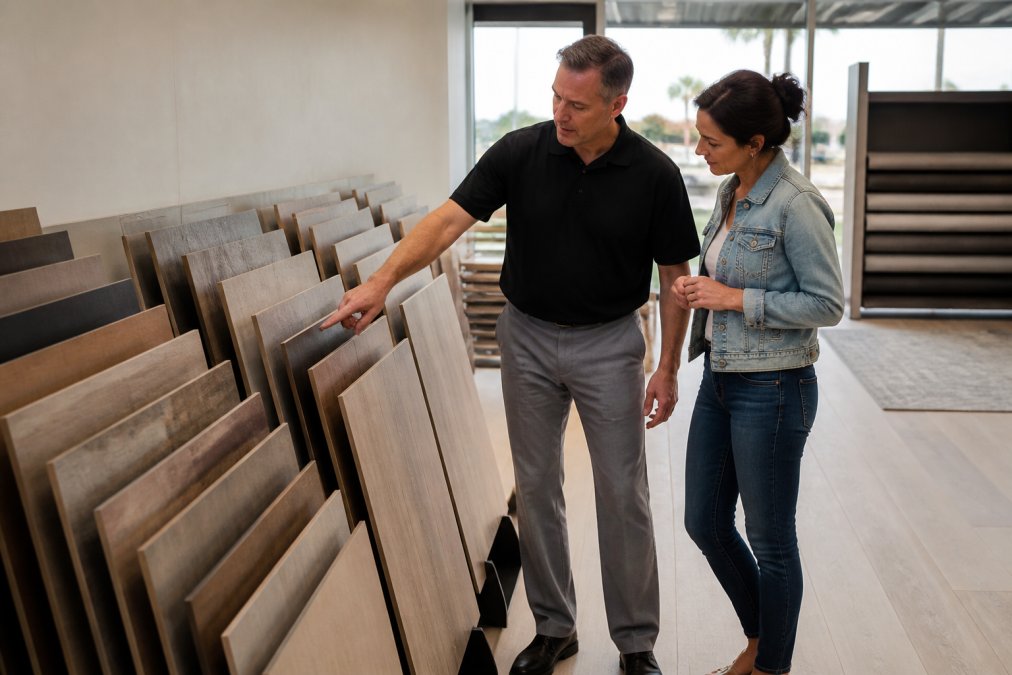
Finding a flooring company with genuine five-star reviews requires looking beyond cherry-picked testimonials. The companies listed here have earned consistent praise across multiple platforms, Google, HomeAdvisor, Yelp, and BBB, from real homeowners who've completed actual installations.
Hamptons Carpet One Floor & Home
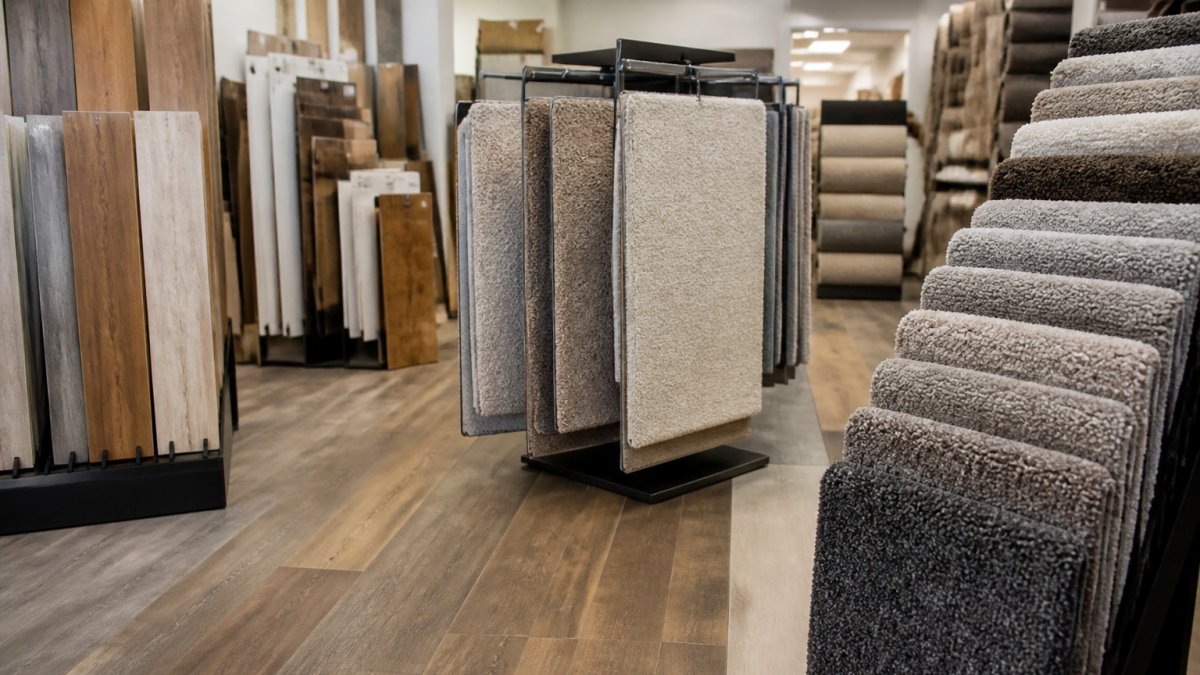
Hamptons Carpet One Floor & Home stands out as the top choice for homeowners across Suffolk County, with a 4.8-star average rating on HomeAdvisor and consistent five-star reviews on Google. They operate two showrooms in Southampton and Center Moriches, allowing homeowners to see samples before committing.
What sets them apart is their "Beautiful Guarantee," a commitment to replace flooring at no charge if customers aren't satisfied. Their expertise in coastal flooring is particularly valuable for beach-front properties, where salt air, moisture, and sand create unique durability challenges. The Atomic DCS dust-free sanding and refinishing system keeps your home clean during hardwood work, and customers consistently mention that crews respect their space and leave job sites cleaner than expected.
Pros:
- Wide selection across carpet, hardwood, laminate, vinyl, and tile
- Dust-free refinishing system for minimal disruption
- Beautiful Guarantee provides peace of mind
- Local expertise with two showrooms
- Exceptional customer service
Cons:
- Pricing requires a quote
- Some older Trustpilot reviews are mixed
Long Island Flooring Co.
Long Island Flooring Co. maintains a 4.9-star rating across 312+ verified reviews. Homeowners consistently praise their professionalism, punctuality, and quality craftsmanship. A Garden City homeowner reported in March 2026 that their white oak hardwood installation of 1,800 square feet was completed on schedule with personal oversight from ownership.
They specialize in hardwood, LVP, tile, and carpet, providing free in-home measurements and handling subfloor leveling as part of their installation process, a critical step many installers skip. One Huntington homeowner noted that Long Island Flooring Co. was the only company of three that walked every room, provided samples, and delivered a detailed written quote for a COREtec LVP installation completed in two days.
Pros:
- 4.9-star rating from 312+ reviews
- Free in-home measures and subfloor assessment
- Handles hardwood, LVP, tile, and carpet
- Includes hardwood refinishing services
- Meticulous attention to detail
Cons:
- Pricing available only by quote
- Limited online presence
Oldfield Flooring
Oldfield Flooring earns consistent five-star Google reviews from homeowners in Nassau and Suffolk Counties. As a Bona-certified company, they meet rigorous standards for hardwood installation and refinishing. Bona certification signals that installers have completed formal training and adhere to best practices that reduce callbacks and warranty claims.
They use an advanced dust containment system for sanding and refinishing, making the process far less invasive than traditional methods. They specialize in wide-width, long-length hardwood, luxury vinyl, and laminate installation, plus professional floor care services including deep cleaning for hardwood, tile, and grout.
Pros:
- Bona-certified craftsmen
- Advanced dust containment system
- Specializes in wide-width hardwood
- Offers LVP, LVT, and laminate installation
- Professional floor care services
Cons:
- Pricing requires a free estimate
- Primarily serves Nassau and Suffolk Counties
First Class Wood Flooring
First Class Wood Flooring has installed and refinished wood flooring throughout Suffolk County for over 25 years. This longevity is meaningful, companies that survive 25+ years do so because they deliver results and treat customers fairly.
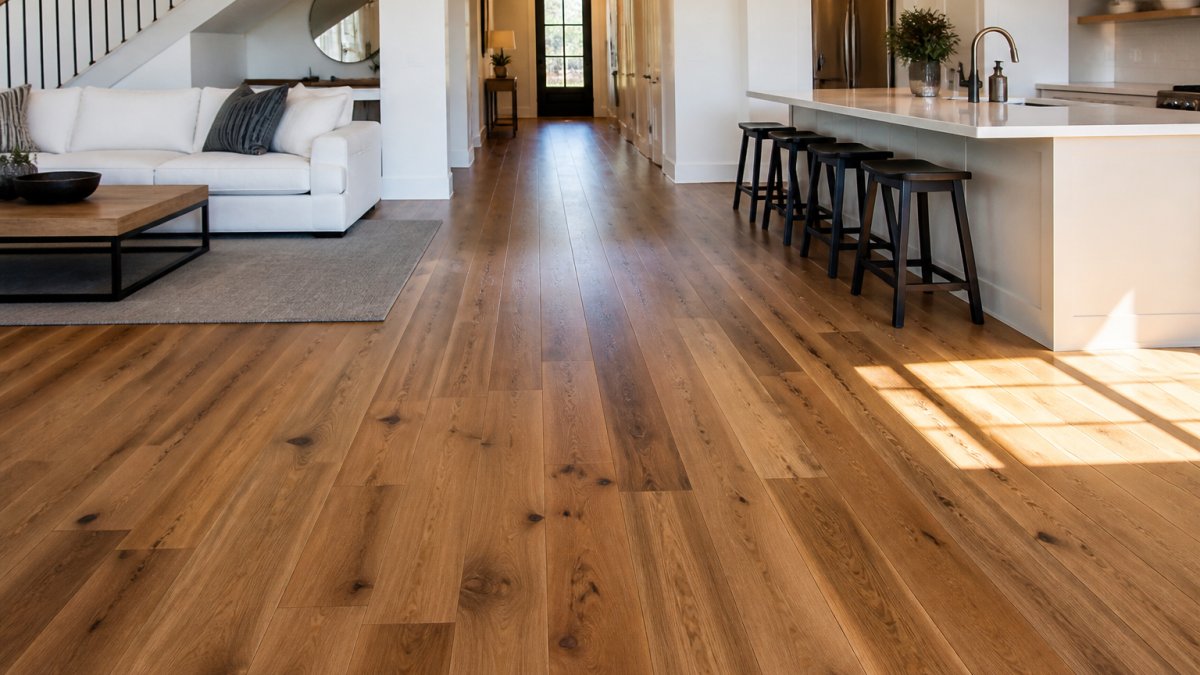
They offer sales, service, installation, and refinishing of hardwood, laminate, and solid wood flooring, including wide plank, wire brush, European grey, and espresso styles. They also provide decorative borders and inlays for customization. Customers highlight the company's willingness to work within timelines and budgets, a rarity in flooring installation.
Pros:
- 25+ years of experience in Suffolk County
- Diverse selection of hardwood styles
- Certified installers for laminate and engineered hardwoods
- Durable, waterproof luxury vinyl options
- Praised for meeting timelines and budgets
Cons:
- Pricing not transparent online
- No dust-free refinishing system mentioned
What Makes a Flooring Company Trustworthy
Trust in the flooring industry hinges on three measurable factors: installer certification, transparent communication, and accountability for problems.
According to Scott Humphrey, CEO of the World Floor Covering Association (WFCA), "installer certification is becoming increasingly important for the measurable impact it has on reducing claims, protecting margins, and improving the overall customer experience." Certification through organizations like Bona indicates that installers have completed formal training in proper subfloor preparation, underlayment installation, and moisture management, the technical foundations that determine whether flooring lasts 10 years or 30 years.
The second trust signal is transparency about costs and timeline. The Flooring Customer Landscape research found that nearly 60% of retailers convert more than 30% of inquiries into jobs, meaning slow responses and inconsistent follow-up are among the most expensive hidden growth constraints in the industry. Companies that respond quickly, provide detailed written quotes, and explain their process build confidence.
The third factor is accountability. Does the company offer a warranty? What happens if the floor squeaks or shows gaps after installation? A trustworthy flooring company stands behind their work and addresses post-installation issues promptly.
How to Choose a Flooring Installer
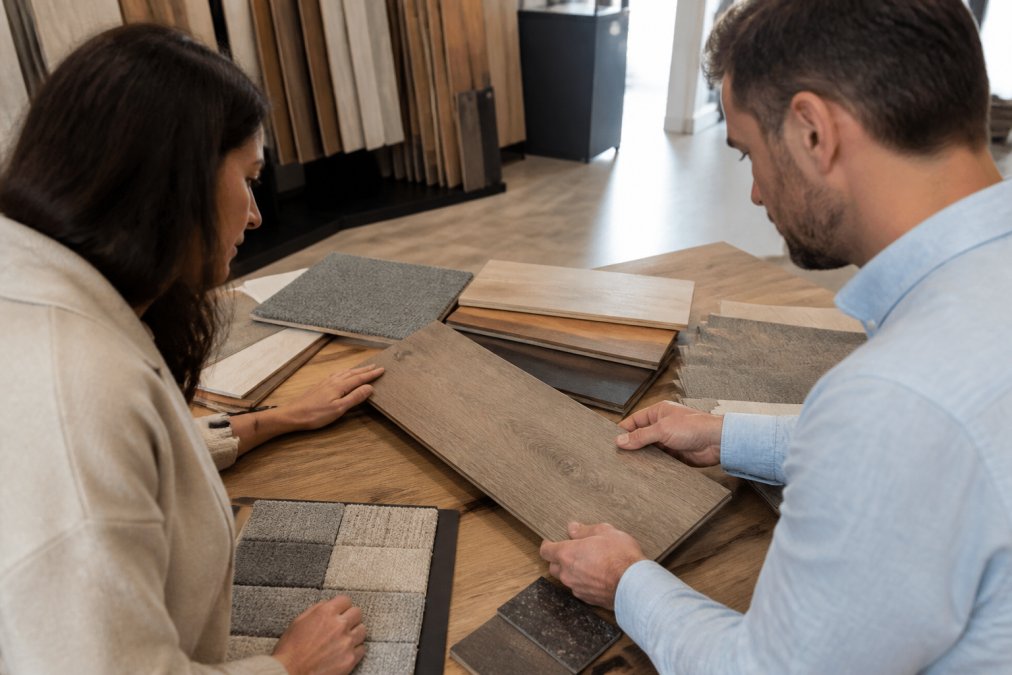
Start by identifying your material choice: hardwood, LVP, laminate, tile, or carpet. Each has different installation requirements, and some companies specialize in specific types.
Next, evaluate the installer's experience with your specific material and your home's conditions. If you have a coastal property with high moisture exposure, an installer experienced in beach-front homes matters more than one with generic experience.
Request at least three written quotes that include labor costs, material costs, subfloor preparation, underlayment, and necessary repairs. If one quote is significantly lower, ask why, the lowest bid often cuts corners on underlayment or subfloor leveling, invisible work that determines long-term durability.
Ask about their dust-free or low-dust process if refinishing hardwood. The Atomic DCS system, for example, captures 99% of dust during sanding, eliminating weeks of cleanup.
Finally, check references. Ask the company for contact information from three recent customers and call them. Ask about their experience with dust, timeline adherence, crew professionalism, and whether they'd hire the company again.
Residential Flooring Contractors: What to Expect
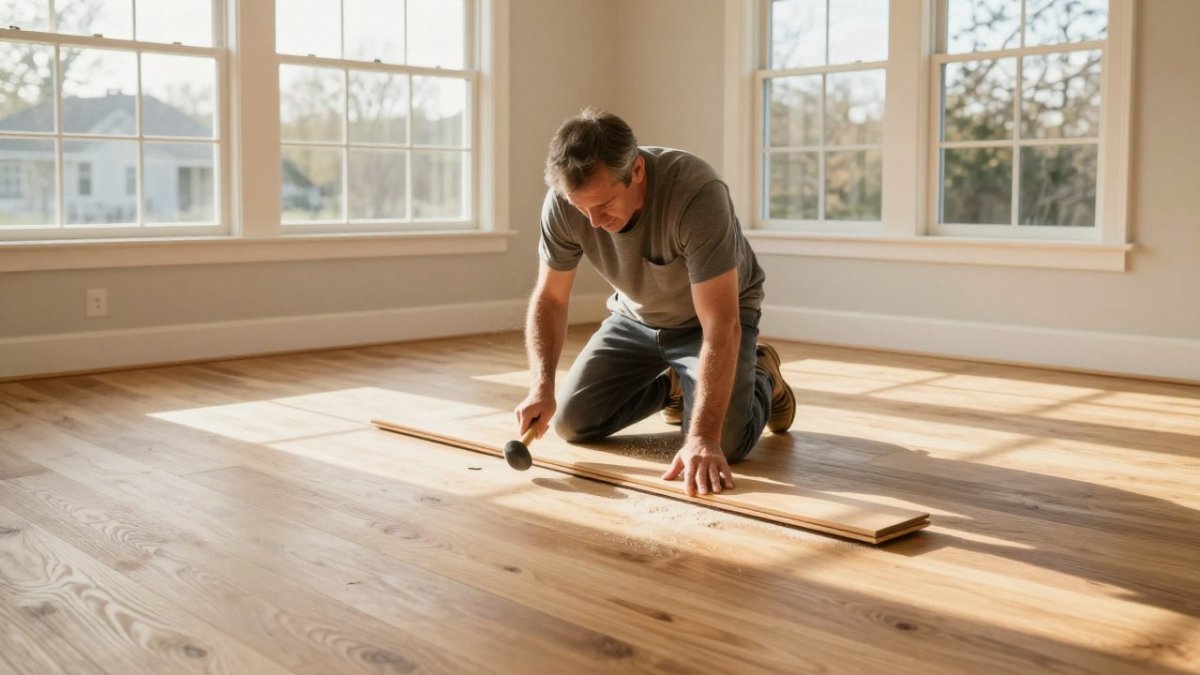
When you hire a residential flooring contractor, understand what the installation process involves. For hardwood installation or refinishing, expect 3-7 days depending on square footage and subfloor condition. For LVP or laminate, installation typically takes 1-3 days.
Preparation is the hidden work that determines quality. A professional contractor will inspect the subfloor for moisture, levelness, and structural integrity. If uneven, they'll level it, a step that costs extra but prevents squeaking and premature wear. If moisture levels are high, they'll install a moisture barrier before laying flooring.
During installation, expect the crew to protect your furniture and belongings with plastic sheeting to seal off the work area. They'll remove protective coverings promptly once work is complete.
After installation, the flooring needs a curing period. For hardwood, this typically means 48-72 hours before heavy foot traffic. For glued-down LVP or tile, it's 24 hours. A contractor should explain this timeline upfront and provide written care instructions.
Understanding Flooring Installation Cost Estimates
Flooring installation costs vary based on material type, square footage, subfloor condition, and labor availability. Material costs range widely: vinyl flooring is typically the most affordable option, while hardwood and high-end tile are more expensive. The vinyl segment held 34.2% of the U.S. flooring market share in 2024, driven by affordability, design versatility, and resistance to moisture and wear.
Labor costs depend on installation complexity. Simple LVP installation over an existing flat subfloor costs less than hardwood installation on an uneven subfloor requiring leveling. Removing old flooring and repairing subfloor damage add significant expense.
When comparing quotes, ensure they're comparing the same scope. One contractor might quote labor and materials, while another quotes labor only. One might include subfloor preparation, while another lists it separately. A detailed quote breaks these components out clearly.
Ask about the cost of underlayment and moisture barriers. These are invisible but critical. A contractor cutting corners here is saving money at the expense of durability.
The Flooring Customer Landscape research shows that nearly a third of homeowners purchase flooring at their first retailer visit, suggesting many people don't comparison shop thoroughly. Take time to get multiple quotes and understand what each includes.
Installation Process and Customer Satisfaction
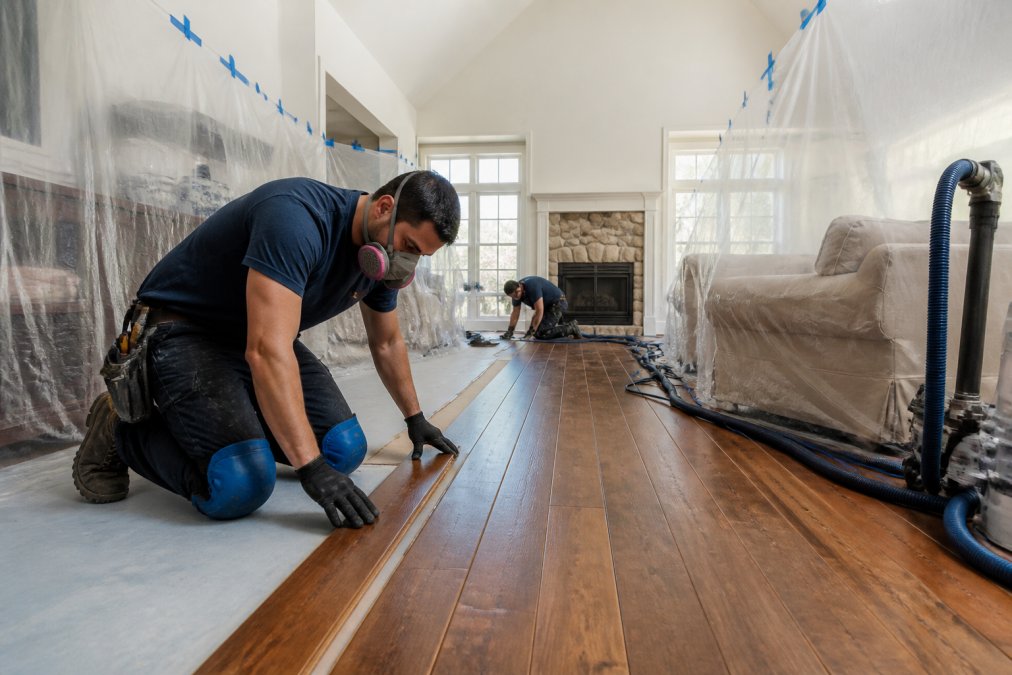
Customer satisfaction in flooring installation depends on the contractor's execution and communication. The best contractors keep the homeowner informed throughout the process.
At project start, the crew should protect your home by sealing doorways, covering furniture, and establishing a work area. They'll explain what they're doing each day and when they'll be finished. A professional crew respects your space, removes shoes in living areas, uses drop cloths, and minimizes disruption.
During the work, moisture is the critical invisible factor. For hardwood installation, the wood needs to acclimate to your home's humidity level before installation, taking 3-7 days. A contractor who skips this step saves time but risks cupping, crowning, or gaps in the finished floor. Moisture barriers under LVP and tile prevent water damage.
After installation, the flooring needs proper care. Hardwood requires specific cleaning products and humidity control. LVP and tile are more forgiving but still benefit from proper maintenance. A contractor should provide written care instructions and explain what voids the warranty.
According to research from Global Surveyz for Floorzap, 73% of homeowners prioritize durability over cost when making flooring choices. This suggests most people understand that the cheapest option isn't always the best value. A contractor who focuses on durability, proper subfloor preparation, quality underlayment, and appropriate moisture barriers aligns with what homeowners actually want.
Warranty, Guarantees, and Post-Installation Support
A warranty is your protection against defects and poor workmanship. Understand what's covered: manufacturing defects (covered by the flooring manufacturer), installation defects (covered by the contractor), and normal wear (not covered).
Hamptons Carpet One Floor & Home offers a "Beautiful Guarantee," replacing flooring at no charge if you're not satisfied. This is unusual and valuable, signaling confidence in their work and removing risk from the homeowner's perspective.
Most contractors offer a labor warranty covering their workmanship for 1-5 years. Read the fine print carefully. Does it cover squeaking? Gaps? Cupping in hardwood? Some warranties exclude issues related to moisture or humidity, which is fair since those are often homeowner-responsibility issues.
Ask about post-installation support. What happens if you notice squeaking six months later? Will they return to fix it? A contractor who stands behind their work answers these questions confidently.
The flooring manufacturer typically warrants the product itself for 10-25 years depending on type and quality. This covers manufacturing defects, not installation issues or normal wear. Read the manufacturer's warranty terms carefully, as they often include conditions like "must be installed by a certified installer" or "requires proper moisture barriers."
Finding the best flooring company means looking beyond reviews to understand what makes a contractor reliable: certification, transparent communication, and accountability for results. Hamptons Carpet One Floor & Home combines all three, they're certified, they communicate clearly, and they stand behind their work with a Beautiful Guarantee. Request a quote today and let our team assess your specific needs, whether you're installing new flooring, refinishing hardwood, or planning a complete renovation. We'll provide a detailed estimate, explain exactly what we're doing, and deliver the quality installation your home deserves.
Frequently Asked Questions
How can I verify if a flooring company's reviews are authentic?
Look for reviews on verified platforms like Google, HomeAdvisor, and the Better Business Bureau. Check review dates, recent reviews (2025-2026) are more reliable indicators of current service quality. Authentic reviews often include specific details about the project (square footage, material type, timeline) and mention named staff members. Be cautious of companies with only five-star reviews or reviews that sound generic. Top-rated flooring companies typically have 4.7+ star ratings across multiple platforms with hundreds of verified customer opinions.
What questions should I ask a residential flooring contractor before hiring?
Ask about their certifications (Bona-certified for hardwood, for example), experience with your specific flooring type, warranty coverage on both materials and labor, subfloor inspection process, timeline and scheduling flexibility, dust containment methods, and how they handle unexpected issues like subfloor damage. Request references from recent projects and ask about their approach to post-installation maintenance. Reputable residential flooring contractors will provide detailed written estimates and explain what's included in their quote.
How much does professional flooring installation cost in Suffolk County?
Flooring installation cost estimates vary significantly based on material type, square footage, subfloor condition, and labor complexity. Hardwood typically costs more than laminate or vinyl plank. Most flooring installation cost estimates require an in-home assessment because subfloor preparation, underlayment, and removal of existing flooring affect the final price. Contact local contractors for free quotes, most provide written estimates within 24 hours. Avoid companies that quote over the phone without seeing your space, as hidden subfloor issues often emerge during installation.
Do flooring companies offer warranties on their installation work?
Yes, reputable flooring companies offer labor warranties ranging from one to five years. Some, like Hamptons Carpet One Floor & Home, offer a 'Beautiful Guarantee' for customer peace of mind. Warranties typically cover installation defects, seam separation, and improper fit. Always request the warranty in writing and understand what's covered, some warranties require proper maintenance to remain valid. Manufacturer warranties on the flooring material itself are separate from labor warranties, so clarify both when comparing best flooring companies.
This article was written using GrandRanker