 Listicle
7 Best Flooring Materials for High Resale Value
Table of Contents
- Introduction: Why Flooring Choices Impact Home Resale Value
- How We Evaluated the 7 Best Flooring Materials for High Resale Value
- 1. Solid Hardwood Flooring: The Timeless Resale Choice
- 2. Engineered Hardwood Benefits: Stability Meets Style
- 3. Luxury Vinyl Plank (LVP) for Resale: Waterproof & Cost-Effective
- 4. Porcelain and Ceramic Tile ROI: Kitchen & Bathroom Value
- 5. Laminate Flooring Durability: Budget-Friendly Appeal
- 6. Natural Stone Flooring Value: Premium Aesthetic Impact
7 Best Flooring Materials for High Resale Value
Last Updated: June 26, 2026
When homeowners invest in new flooring, they're thinking about resale value. The right flooring choice increases buyer appeal, reduces future maintenance concerns, and boosts your home's market price. This guide covers the 7 best flooring materials for high resale value, breaking down durability, buyer appeal, and real-world ROI for each option.
How We Evaluated the 7 Best Flooring Materials for High Resale Value
We evaluated each material across four critical dimensions: return on investment (ROI), buyer appeal, durability, and installation cost. ROI measures what percentage of your flooring installation cost you'll recoup at resale. Buyer appeal reflects how potential buyers view a flooring choice as a selling feature. Durability determines whether new flooring will still look fresh at resale time. Installation complexity and cost also matter, a beautiful material requiring specialized preparation may not deliver positive ROI in mid-range markets.
| Material | Resale Value Recovery | Best For | Durability Rating |
|---|---|---|---|
| Solid Hardwood | 80-90% | Traditional buyers, high-end homes | Excellent (50+ years) |
| Engineered Hardwood | 70-85% | Modern homes, varied climates | Very Good (25-30 years) |
| Luxury Vinyl Plank | 60-75% | Basements, kitchens, pet owners | Very Good (20-25 years) |
| Porcelain Tile | 75-85% | Kitchens, bathrooms, high-traffic | Excellent (50+ years) |
| Laminate | 50-65% | Budget-conscious sellers, rentals | Good (15-20 years) |
| Natural Stone | 85-95% | Luxury homes, statement areas | Excellent (50+ years) |
| Bamboo/Eco-Friendly | 65-75% | Eco-conscious markets | Very Good (20-25 years) |
1. Solid Hardwood Flooring: The Timeless Resale Choice
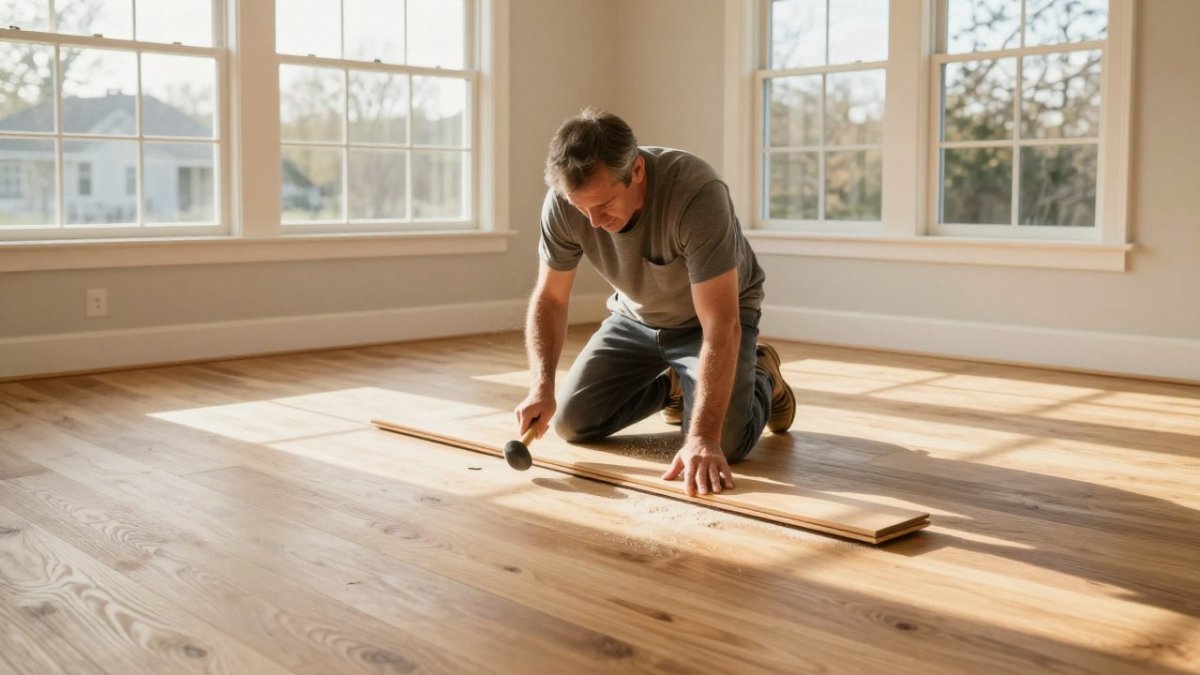
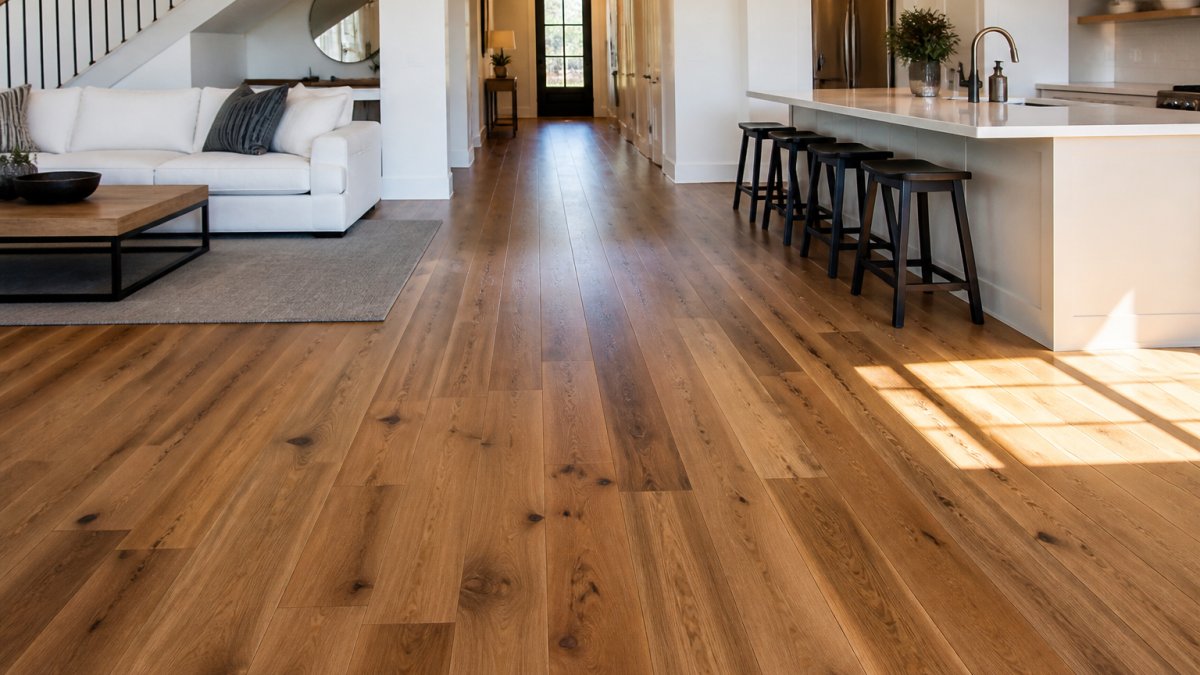
Solid hardwood remains the gold standard for home resale value. This material never goes out of style because it represents quality and permanence. Appraisers consistently value homes with hardwood higher than comparable homes with other flooring types, recovering 80-90% of installation costs at resale.
Bruce Hardwood Flooring exemplifies the traditional approach that resonates with the broadest buyer pool. Their domestic solid oak and maple selections, available in multiple plank widths and stain colors, appeal to conventional preferences. Factory-applied finishes provide durability lasting decades, and the ability to refinish solid hardwood multiple times extends its lifespan well beyond engineered alternatives.
Solid hardwood's weakness is moisture sensitivity. In basements, kitchens, or humid climates, planks cup, buckle, or develop gaps, issues that cause buyers to negotiate aggressively.
Installation costs typically run $8-15 per square foot for labor, plus $5-12 for materials. For a 1,500 square-foot home, expect $19,500-$40,500 total. The resale recovery justifies this investment in most markets.
Mirage Hardwood Flooring represents the premium tier. Their Canadian manufacturing produces exceptionally consistent boards with minimal defects. The Nanolinx finish resists scratches and wear better than standard factory finishes. For high-end renovations, Mirage delivers ROI that justifies premium pricing.
2. Engineered Hardwood Benefits: Stability Meets Style
Engineered hardwood consists of a thin hardwood veneer bonded to a plywood base. This construction resists moisture and temperature fluctuations that cause solid wood to move, making it suitable for kitchens, basements, and homes with radiant heating systems.
Shaw Floors Engineered Hardwood dominates this category through design versatility. Their collection spans modern finishes, diverse wood species, and realistic textures that appeal to contemporary buyers. The engineered construction ensures compatibility with radiant heating systems, increasingly important in upscale homes.
Engineered hardwood recovers 70-85% of installation costs, respectable but lower than solid hardwood. The tradeoff: engineered wood performs in environments where solid hardwood fails. Installation runs $6-12 per square foot for labor, plus $4-10 for materials, making it 20-30% cheaper than solid hardwood.
3. Luxury Vinyl Plank (LVP) for Resale: Waterproof & Cost-Effective
Luxury vinyl plank has transformed from a budget compromise into a legitimate resale value play. Modern LVP mimics natural wood or stone so convincingly that buyers often cannot distinguish it from the real thing.
Coretec Floors pioneered the attached cork underlayment approach that transformed LVP from cheap-feeling to premium-feeling. Their waterproof core technology makes them genuinely suitable for basements, kitchens, and bathrooms, areas where real hardwood fails. The embossed textures replicate wood grain and stone patterns with remarkable authenticity.
LVP recovers 60-75% of installation costs. In basements and kitchens, this ROI rivals engineered hardwood because the material performs better in those spaces. Installation typically costs $3-8 per square foot for labor, plus $3-8 for materials.
4. Porcelain and Ceramic Tile ROI: Kitchen & Bathroom Value
Porcelain and ceramic tile command premium ROI in kitchens and bathrooms, the two rooms that most influence home value. Daltile manufactures the porcelain tiles that set the standard for residential installations. Their large-format tiles create seamless, modern aesthetics while resisting moisture, stains, and heat.
Porcelain tile recovers 75-85% of installation costs in kitchens and bathrooms. This ROI rivals hardwood because these rooms disproportionately influence buyer perception. Installation requires professional expertise, with labor costs running $8-15 per square foot.
The durability story is compelling. Porcelain tile lasts 50+ years without degradation. It doesn't scratch, fade, or wear. Large-format tiles (12x24 inches or bigger) create fewer grout lines, producing a cleaner, more modern look that appeals to current buyers.
5. Laminate Flooring Durability: Budget-Friendly Appeal
Laminate flooring occupies an awkward middle ground in the resale value hierarchy. It's affordable and durable, but buyers perceive it as a budget choice, directly impacting ROI.
Quick-Step manufactures laminate that pushes the category upward. Their advanced water-resistant technology addresses the traditional laminate weakness: moisture sensitivity. The highly realistic surface textures and beveled edges mimic hardwood convincingly.
Laminate recovers 50-65% of installation costs, the lowest recovery rate on this list. Installation costs run $3-6 per square foot for labor, plus $2-5 for materials. Unlike hardwood, laminate cannot be refinished. Once it shows wear, replacement is the only option.
6. Natural Stone Flooring Value: Premium Aesthetic Impact
Natural stone commands the highest resale value recovery: 85-95%. It signals luxury, permanence, and wealth. Each stone is unique, creating character that manufactured materials cannot replicate.
The durability story is compelling. Natural stone lasts indefinitely. Granite and marble have been used in palaces and cathedrals for centuries. That permanence translates to buyer confidence.
Installation costs are substantial: $10-20 per square foot for labor, plus $5-15 for materials. For a 2,000-square-foot home, natural stone runs $30,000-$70,000 installed. That investment only makes sense in higher-value properties where the ROI justifies the cost. Natural stone works best as a statement material in specific rooms: entryways, bathrooms, or kitchen islands.
Factors Influencing Flooring ROI: Market, Climate & Installation Quality
The flooring material itself represents only part of the ROI equation. Market conditions, climate, installation quality, and buyer demographics all influence whether your flooring investment recovers its cost at resale.
Regional Market Variations
Flooring ROI varies dramatically by geography. In luxury coastal markets, natural stone and premium hardwood recover 90%+ of costs. In mid-range suburban markets, engineered hardwood and quality tile deliver 70-80% recovery. Research your local market before choosing. Talk to real estate agents about what flooring materials buyers in your area expect and value.
Climate Considerations
Climate directly influences which materials perform well. Humid climates favor engineered hardwood, LVP, and tile over solid hardwood. Dry climates support solid hardwood without moisture concerns. Cold climates with radiant heating systems require engineered hardwood or tile. Choose materials suited to your regional climate.
Installation Quality as a Hidden Cost
Professional installation costs often exceed material costs. A poorly installed floor signals poor craftsmanship to buyers. Invest in experienced installers. The extra $2-3 per square foot for quality installation pays back many times over in buyer perception and appraiser valuation.
Subfloor preparation often costs more than expected. If your current flooring hides water damage, uneven subfloors, or structural issues, repairs become necessary before new flooring can be installed. Budget 20-30% more than quoted material and labor costs to account for hidden conditions.
Sustainability and Eco-Friendly Materials: The Growing Market Segment
Eco-conscious buyers increasingly influence home purchases. Sustainable flooring materials appeal to this growing demographic and can deliver strong ROI in environmentally aware markets.
Cali Floors specializes in eco-friendly engineered flooring using sustainable materials like bamboo and eucalyptus. Bamboo regenerates in 3-5 years, making it more sustainable than hardwoods that take decades to mature. Both materials are harder than many traditional hardwoods, delivering durability that justifies their use.
Pet-Friendly Flooring ROI: Addressing a Growing Buyer Segment
Pet ownership influences flooring choices. Homes with pets require flooring that resists scratches, stains, and odors. Luxury vinyl plank excels for pet owners, it's waterproof, scratch-resistant, and easy to clean. Porcelain tile also works well for pets. Solid hardwood becomes a liability in homes with multiple pets, as claws scratch the finish and accidents can cause permanent damage.
If your home is pet-friendly, choose flooring that appeals to pet owners. LVP, tile, or engineered hardwood with protective finishes deliver better ROI than solid hardwood.
Flooring Maintenance and Longevity: What Buyers Actually Care About
Buyer perception of maintenance burden influences offers. Hardwood requires regular refinishing (every 7-10 years), periodic resealing, and careful cleaning. Natural stone requires sealing and specialized cleaning. Tile and LVP require minimal maintenance. Buyers appreciate this simplicity. The low maintenance burden becomes a selling point that increases offers.
New flooring signals to buyers that they won't face maintenance concerns for years. This is the primary value of new flooring at resale.
Choosing flooring for resale value requires balancing material quality, installation costs, buyer preferences, and market conditions. The 7 best flooring materials for high resale value, solid hardwood, engineered hardwood, luxury vinyl plank, porcelain tile, laminate, natural stone, and eco-friendly options, each deliver value in specific contexts.
If you're planning a flooring renovation in Suffolk County, Hamptons carpet one floor and Home brings decades of local market expertise to your project. We understand which materials deliver strong ROI in our region's climate and market conditions. Visit Hamptons carpet one floor and Home to explore flooring options that match your home's resale value goals and your budget.
Quick Comparison Table: 7 Best Flooring Materials at a Glance
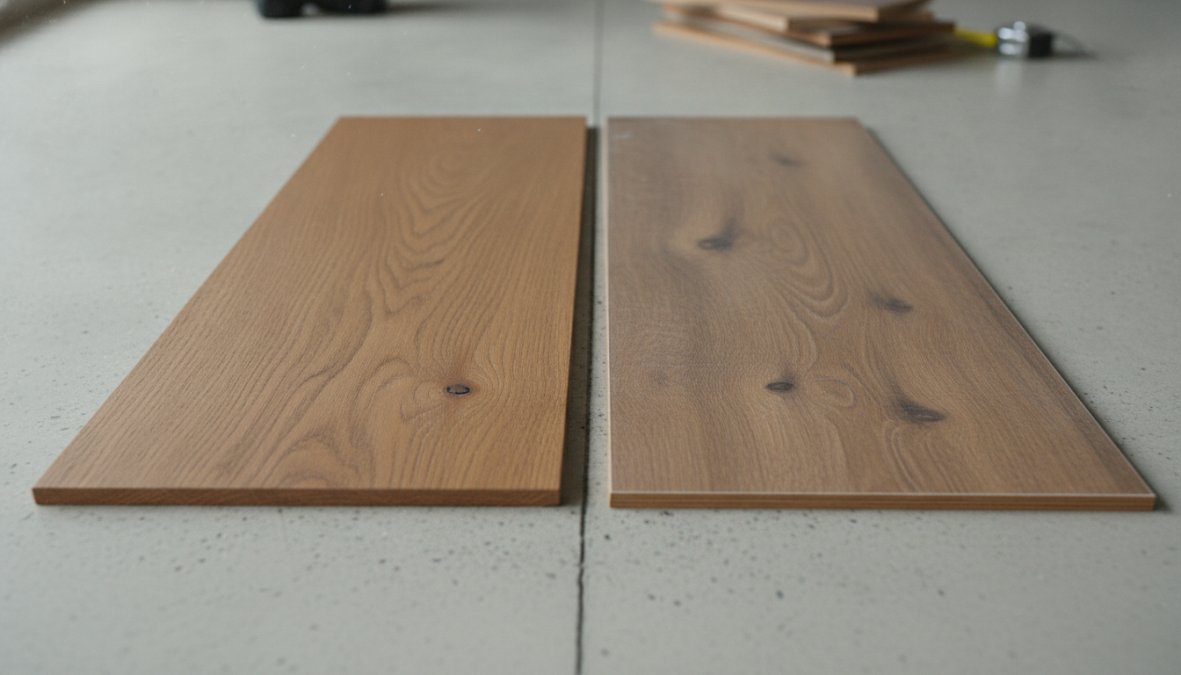
| Material | Resale Value Recovery | Installation Cost | Durability | Best For |
|---|---|---|---|---|
| Solid Hardwood | 80-90% | $13-27/sq ft | 50+ years | Living rooms, bedrooms in dry climates |
| Engineered Hardwood | 70-85% | $10-22/sq ft | 25-30 years | Kitchens, basements, varied climates |
| Luxury Vinyl Plank | 60-75% | $6-16/sq ft | 20-25 years | Basements, kitchens, pet-friendly homes |
| Porcelain Tile | 75-85% | $11-23/sq ft | 50+ years | Kitchens, bathrooms, high-traffic areas |
| Laminate | 50-65% | $5-11/sq ft | 15-20 years | Bedrooms, offices, budget-conscious sellers |
| Natural Stone | 85-95% | $15-35/sq ft | 50+ years | Entryways, luxury bathrooms, statement areas |
| Eco-Friendly (Bamboo/Cork) | 65-75% | $10-20/sq ft | 20-25 years | Environmentally conscious markets |
Frequently Asked Questions
Does new flooring increase home resale value?
Yes, new flooring significantly impacts resale value, particularly in high-traffic areas like kitchens and entryways. Quality flooring materials and professional installation appeal to buyers and can increase perceived home value. Hardwood, engineered wood, and premium tile typically deliver the strongest return on investment. However, ROI depends on the material choice, installation quality, and your local real estate market. Budget-friendly options like laminate offer good value but may not command premium prices compared to solid hardwood or natural stone.
What is the best flooring for resale value in 2026?
The best flooring materials for 2026 resale value include solid hardwood, engineered hardwood, luxury vinyl plank (LVP), and porcelain tile. Modern buyers increasingly favor engineered hardwood for its stability and durability, while waterproof LVP appeals to those seeking low-maintenance options. In kitchens and bathrooms, large-format porcelain tile commands premium prices. Eco-friendly options like bamboo and eucalyptus engineered flooring also attract sustainability-conscious buyers. Your choice should align with your home's style, local market preferences, and the condition of existing subfloors.
Is hardwood flooring still the best for resale value?
Solid hardwood remains highly desirable for resale value due to its timeless appeal and refinishing potential. However, engineered hardwood now rivals solid hardwood in buyer preference because it offers superior stability in varied climates while maintaining authentic wood aesthetics. For kitchens and bathrooms, porcelain tile and luxury vinyl plank have become equally competitive. The 'best' choice depends on your home's location, climate, lifestyle factors (pets, children), and budget. Engineered hardwood provides an excellent balance of durability, cost-effectiveness, and buyer appeal.
Does luxury vinyl plank add value to a home, and how does it compare to hardwood?
Luxury vinyl plank (LVP) adds value through its waterproof construction, durability, and low maintenance appeal, critical factors for modern buyers. While LVP typically costs less to install than solid hardwood, it may not command the same premium price at resale. However, LVP outperforms hardwood in moisture-prone areas like kitchens and basements. Hardwood offers superior long-term refinishing potential and perceived luxury, while LVP provides practical advantages and cost savings. For resale value, hardwood in living areas combined with LVP in high-moisture zones represents an optimal strategy.
What flooring should I avoid if I want to sell my house quickly?
Avoid outdated or low-quality materials that signal poor maintenance: heavily worn carpet, damaged laminate, or mismatched flooring throughout the home. Steer clear of trendy but polarizing colors or finishes that limit buyer appeal. Very cheap, thin laminate can feel inexpensive and may turn off serious buyers. Avoid installing flooring that conflicts with your home's architectural style, modern concrete in a traditional cottage, for example. Additionally, skip flooring that requires extensive subfloor repairs, as this creates buyer hesitation. Neutral, durable materials in good condition always sell faster than bold or deteriorated options.
How does flooring installation cost impact overall ROI?
Installation cost significantly affects flooring ROI. Professional installation for hardwood and tile can exceed material costs, reducing net return on investment. Luxury vinyl plank and laminate offer lower installation costs, improving ROI percentages. However, poor installation compromises durability and buyer perception, potentially costing more in repairs. Quality installation by certified professionals protects your investment and maintains the flooring's lifespan. When budgeting, allocate 30-40% of total flooring costs to professional installation. This upfront investment protects your long-term home value and ensures the flooring performs as intended for future owners.
[EXTERNAL_LINK: National Association of Realtors Home Buyer Survey 2026 | nar.realtor.org]
[EXTERNAL_LINK: Zillow Home Value Index: Flooring Impact on Resale | zillow.com]
[EXTERNAL_LINK: The Spruce: Flooring ROI and Home Resale Value Guide 2026 | thespruce.com]
This article was written using GrandRanker