 Listicle
7 Best Luxury Vinyl Plank Brands for Residential Use
Table of Contents
- 7 Best Luxury Vinyl Plank Brands for Residential Use
- 1. COREtec: Premium Rigid Core with Attached Underlayment
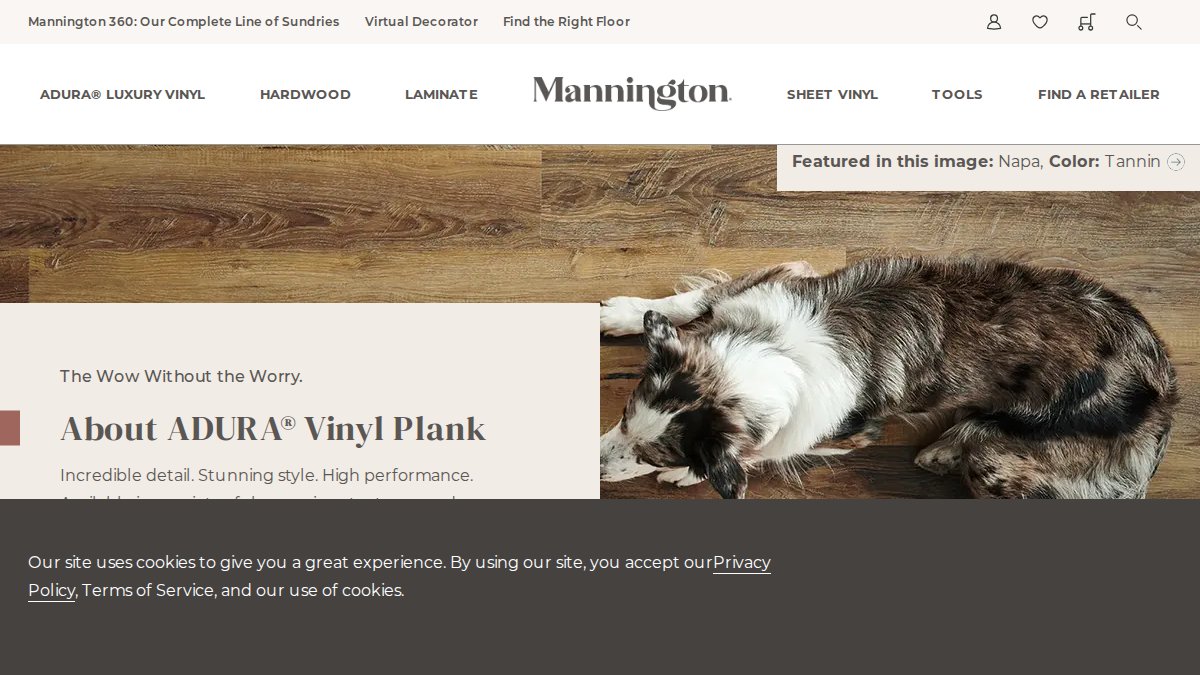
- 2. Mannington Adura: Versatile Installation with ScratchResist Technology
- 3. Karndean Designflooring: Photorealistic Designs with Lifetime Warranty
- 4. Mohawk SolidTech: Heavy-Duty Performance for Active Families
- 5. LifeProof: Budget-Friendly with Wide Availability
- 6. NuCore: Value-Driven Rigid Core at Competitive Pricing
- 7. Proximity Mills: Eco-Certified Performance Flooring
- Quick Comparison Table: Brand Features and Pricing
- Luxury Vinyl Plank Flooring Pros and Cons
- Luxury Vinyl Plank Thickness Guide: Wear Layer and Core Composition
- Best Luxury Vinyl Plank for Pets and High-Traffic Areas
- Luxury Vinyl Plank Installation Cost and Methods
- Acoustic Performance and Acoustic Ratings Explained
- Real-World User Complaints and Common Failure Modes
7 Best Luxury Vinyl Plank Brands for Residential Use
Last Updated: July 3, 2026
Luxury vinyl plank (LVP) flooring has evolved from a budget alternative into a legitimate competitor for hardwood and tile. The category splits into multiple core technologies, traditional WPC (wood plastic composite), rigid SPC (stone plastic composite), and premium waterproof systems, each with distinct durability profiles and price points. A $3 per square foot product and a $9 per square foot product handle moisture, temperature swings, and heavy foot traffic in fundamentally different ways.
The 7 best luxury vinyl plank brands for residential use represent the range of what actually works in real homes. Some excel in moisture-prone bathrooms and kitchens. Others deliver superior aesthetic realism for design-forward homeowners. A few balance performance and price effectively for budget-conscious renovations.
1. COREtec: Premium Rigid Core with Attached Underlayment
COREtec solves a problem competitors struggle with: sound transmission and floor comfort. Their patented rigid core construction fuses a high-density polymer base with attached cork underlayment, eliminating separate underlayment installation and reducing hollow footsteps.
The 100% waterproof construction handles kitchen spills and bathroom humidity without edge swelling. Wear layers range from 20 to 28 mils, with premium lines offering embossed-in-register (EIR) finishes that replicate wood grain texture. The attached underlayment reduces noise by approximately 6-8 decibels compared to standard vinyl planks.
COREtec ranges from $4.00 to $9.00 per square foot installed. For a 200 square foot kitchen, expect $800-$1,800 before installation labor.
2. Mannington Adura: Versatile Installation with ScratchResist Technology
Mannington Adura occupies the middle ground between budget accessibility and premium performance. Their ScratchResist technology resists both scratches and stains, which matters significantly in households with pets or young children. The 20-mil wear layer is adequate for residential use.
Adura's strength is installation flexibility. The line offers three methods: traditional glue-down, click-lock floating, and loose-lay options. FloorScore certification confirms low VOC emissions.
Pricing runs $4.00 to $7.00 per square foot. For a 300 square foot space, expect $1,200-$2,100 before installation.
3. Karndean Designflooring: Photorealistic Designs with Lifetime Warranty
Karndean captures actual wood grain patterns and stone textures with meticulous detail, including hand-scraped finishes and knot variations that mimic authentic hardwood.
The lifetime residential warranty on many collections provides genuine peace of mind, covering wear, staining, and structural integrity. Wear layers range from 20 to 28 mils depending on collection.
Karndean excels for design-conscious homeowners. Pricing spans $3.00 to $7.00 per square foot. For a 250 square foot bathroom renovation, budget $750-$1,750 before installation labor.
4. Mohawk SolidTech: Heavy-Duty Performance for Active Families
Mohawk SolidTech targets households with high foot traffic, pets, and minimal tolerance for maintenance. The Uniclic MultiFit locking system enables tool-free installation. The extra-thick wear layer (typically 22-28 mils) and waterproof rigid core handle spills, humidity, and daily punishment.
Installation speed matters for budget-conscious renovators. Most DIYers can install Mohawk SolidTech at 100-150 square feet per day, compared to 50-75 square feet per day for glue-down products.
Pricing ranges $3.50 to $6.50 per square foot. A 400 square foot basement renovation costs $1,400-$2,600 before labor.
5. LifeProof: Budget-Friendly with Wide Availability
LifeProof, sold exclusively through The Home Depot, represents the accessible entry point into quality LVP. The 22-mil wear layer and pre-attached underlayment deliver respectable durability for the price point. The drop-and-lock installation system works intuitively for DIY first-timers.
The 100% waterproof core and phthalate-free construction address health and moisture concerns without premium pricing. Availability is the genuine competitive advantage, you can purchase, inspect, and return at any Home Depot location.
LifeProof's limitation is design variety. The collection spans basic wood and stone looks without the aesthetic depth of mid-range competitors. The softer core telegraphs subfloor imperfections more noticeably than rigid products.
Pricing starts at $3.00 to $5.00 per square foot. A 300 square foot kitchen costs $900-$1,500 before installation.
6. NuCore: Value-Driven Rigid Core at Competitive Pricing
NuCore, sold exclusively through Floor & Decor, delivers rigid core durability at budget-friendly pricing. The 20-mil wear layer and waterproof rigid core handle residential use effectively. Realistic wood and stone visuals compete favorably with mid-range alternatives.
NuCore's rigid core resists denting and provides stability on uneven subfloors. Low-VOC certification addresses air quality concerns. Pricing ranges $2.50 to $4.00 per square foot, the most competitive for rigid core. A 350 square foot living room costs $875-$1,400 before labor.
Real-world limitation: NuCore's thinner wear layer (20 mil vs. 22-28 mil on competitors) means slightly less scratch resistance. In households with pets or high foot traffic, this difference becomes noticeable by year 3-4.
7. Proximity Mills: Eco-Certified Performance Flooring
Proximity Mills targets environmentally conscious homeowners. FloorScore and GREENGUARD Gold certifications confirm low chemical emissions and responsible manufacturing. Wear layers reach up to 22 mils, competitive with mid-range brands.
The manufacturing process minimizes VOC emissions, and the company provides transparent sourcing documentation. The design collection emphasizes modern, trendy wood-look aesthetics.
Pricing ranges $4.80 to $9.00 per square foot. Expect longer lead times (2-3 weeks) compared to Home Depot's next-day availability.
Quick Comparison Table: Brand Features and Pricing
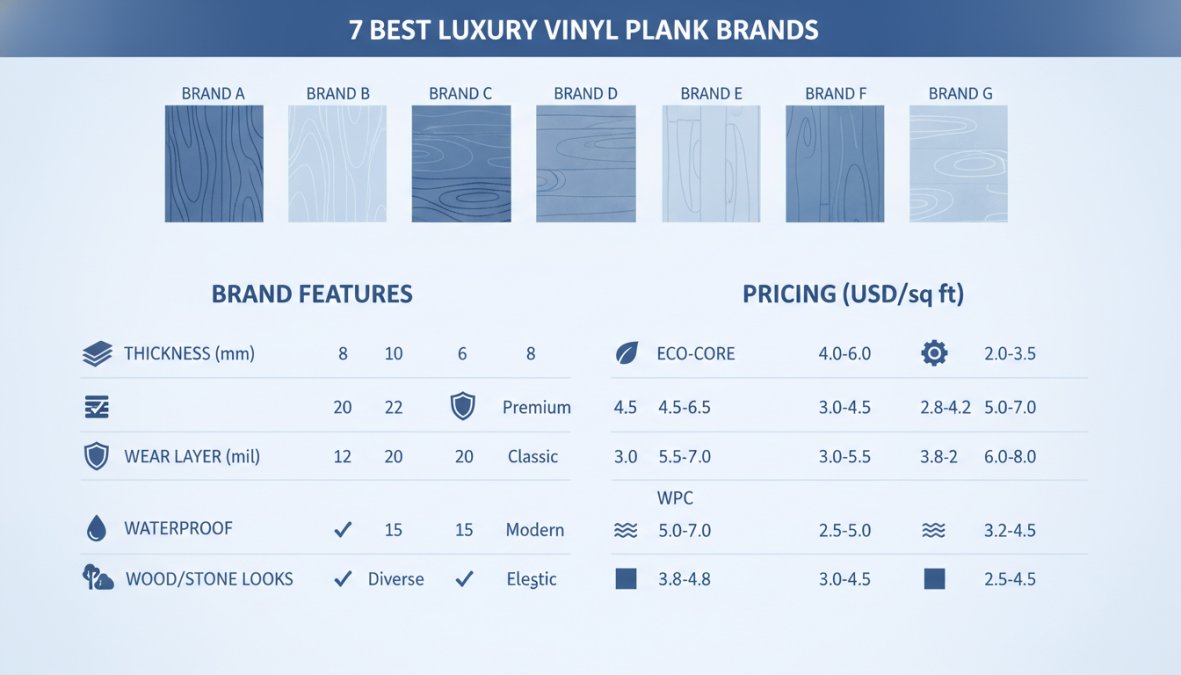
| Brand | Price Range | Core Type | Wear Layer | Best For | Warranty |
|---|---|---|---|---|---|
| COREtec | $4-$9/sq ft | Rigid + Cork | 20-28 mil | Premium aesthetics + comfort | 25 years |
| Mannington Adura | $4-$7/sq ft | WPC/SPC | 20 mil | Flexible installation + pets | 20 years |
| Karndean | $3-$7/sq ft | Rigid/Loose-lay | 20-28 mil | Design-conscious homeowners | Lifetime |
| Mohawk SolidTech | $3.50-$6.50/sq ft | Rigid SPC | 22-28 mil | High-traffic + DIY installation | 25 years |
| LifeProof | $3-$5/sq ft | WPC | 22 mil | Budget renovations | 10 years |
| NuCore | $2.50-$4/sq ft | Rigid SPC | 20 mil | Large-area projects | 20 years |
| Proximity Mills | $4.80-$9/sq ft | Rigid | Up to 22 mil | Eco-conscious homeowners | 25 years |
Luxury Vinyl Plank Flooring Pros and Cons
Advantages that matter in practice:
Water resistance eliminates the catastrophic failure mode of hardwood. Spilled wine or a bathroom leak won't ruin the floor. Installation speed and DIY-friendliness reduce labor costs dramatically. Click-lock systems allow homeowners without flooring experience to complete installations successfully. Maintenance simplicity beats hardwood and tile, vinyl requires only regular vacuuming and damp mopping.
Real limitations that matter:
Vinyl cannot be refinished. Once the wear layer scratches or stains permanently, replacement is the only option. Subfloor imperfections telegraph through softer vinyl products, requiring meticulous preparation. Acoustic performance varies dramatically by product, cheaper vinyl planks transmit footstep noise throughout the home. Temperature sensitivity affects expansion and contraction, requiring expansion gaps around room perimeters.
Luxury Vinyl Plank Thickness Guide: Wear Layer and Core Composition
Understanding thickness specifications separates informed buyers from those misled by marketing claims. Three measurements matter: wear layer thickness, total plank thickness, and core composition.
Wear layer thickness determines scratch and stain resistance:
- 12-15 mil: Budget products, light residential use only
- 20 mil: Entry-level quality, moderate foot traffic
- 22-28 mil: Premium residential, high-traffic areas
For residential use, 20 mils represents the minimum acceptable threshold. Below 20 mils, you'll see noticeable scratches within 3-4 years.
Core composition determines moisture resistance and dimensional stability. WPC (wood plastic composite) uses wood flour mixed with PVC, creating a softer core that feels warmer but is more susceptible to moisture absorption. SPC (stone plastic composite) uses limestone, creating a rigid, denser core that resists moisture better.
Total plank thickness ranges from 4mm to 12mm. Thicker planks feel more substantial and hide subfloor imperfections better. For residential use, 4-6mm total thickness is standard.
Best Luxury Vinyl Plank for Pets and High-Traffic Areas
Pet owners face specific challenges with flooring. Claws scratch surfaces, accidents create stains, and muddy paws track moisture.
Scratch resistance determines whether your floor shows pet damage after one year or five years. Brands with 22+ mil wear layers and scratch-resistant surface coatings (Mannington's ScratchResist, Mohawk's surface treatment) resist this better than budget alternatives. For households with pets, Mannington Adura and Mohawk SolidTech outperform other options at $3.50-$7.00 per square foot.
Stain resistance addresses accidents and tracked-in messes. The best approach combines waterproof core with stain-resistant surface coating. Accidents should be cleaned immediately; prompt cleanup followed by damp mopping should leave no trace on quality vinyl.
Acoustic performance matters because nails on hard floors create noise. COREtec's attached cork underlayment reduces claw noise noticeably. Standard vinyl without underlayment transmits every footstep and nail click throughout the home.
Luxury Vinyl Plank Installation Cost and Methods
Installation costs range from zero (DIY) to $3-$8 per square foot (professional labor), depending on subfloor condition and installation method.
Click-Lock vs. Glue-Down Installation
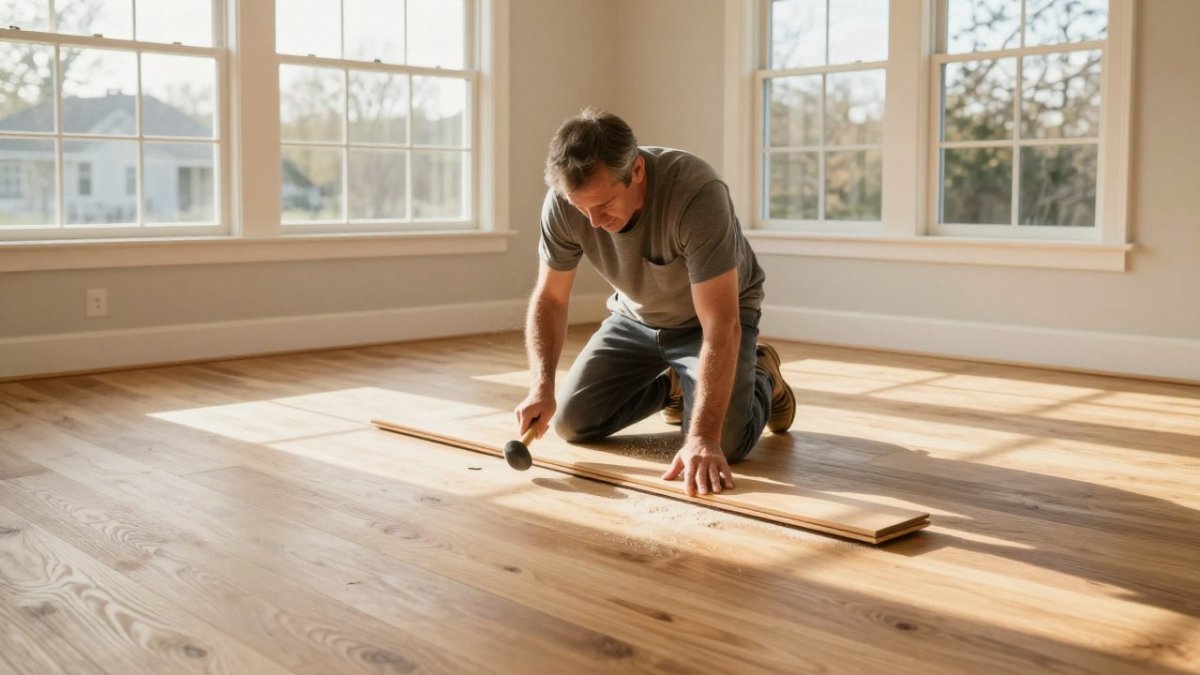
Click-lock floating installation requires no adhesive. Planks lock together mechanically and float over the subfloor. Advantages include installation speed (100-150 sq ft per day for DIYers), reversibility, and lower material costs. Constraints include requiring a properly prepared, relatively flat subfloor and mandatory expansion gaps around room perimeters.
Cost: DIY labor is free; professional installation runs $2-$4 per square foot. For a 300 square foot kitchen, DIY installation costs $0 in labor, while professional click-lock installation adds $600-$1,200.
Glue-down installation uses adhesive to bond planks permanently to the subfloor. Advantages include maximum stability and wall-to-wall coverage. Constraints include adhesive fumes requiring ventilation, destructive removal, and slower installation (50-75 sq ft per day).
Cost: Professional glue-down installation runs $3-$5 per square foot. For a 300 square foot kitchen, professional glue-down adds $900-$1,500.
Subfloor Preparation Requirements
Subfloor condition determines whether your installation succeeds or fails. Poor preparation leads to squeaks, movement, edge separation, and premature wear.
Flatness testing is the first step. Lay a 10-foot straight edge across your subfloor in multiple directions. Gaps larger than 3mm per 10 feet require correction. For rigid core products, up to 5mm variance is acceptable.
Moisture testing prevents catastrophic failures. Test moisture with a moisture meter:
- Below 3% moisture content: safe for vinyl installation
- 3-5% moisture: acceptable but monitor
- Above 5% moisture: investigate and resolve before installation
Existing floor removal: Remove old flooring completely. Adhesive residue must be scraped clean; thick adhesive layers prevent proper seating of new planks.
Underlayment selection varies by product and installation method. Click-lock floating installations require underlayment ($0.50-$1.50 per square foot). Attached underlayment products (COREtec) eliminate this decision.
For DIYers, the preparation phase typically adds 1-2 days of labor and $100-$500 in materials, depending on subfloor condition.
Acoustic Performance and Acoustic Ratings Explained
Vinyl flooring transmits sound differently than hardwood or carpet.
Sound Transmission Class (STC) measures how well a floor blocks airborne noise. Standard vinyl planks without underlayment typically rate STC 45-50. COREtec with attached cork underlayment reaches STC 55-65, a meaningful difference for multi-story homes.
Impact Isolation Class (IIC) measures how well a floor absorbs impact noise (footsteps, dropped objects). Attached underlayment products rate IIC 50-60. Standard vinyl without underlayment rates IIC 30-40, a noticeable difference in practice.
In multi-story homes or apartments, IIC rating becomes relevant. The modest premium for COREtec or underlayment-equipped products ($1-$3 per square foot) pays dividends in acoustic comfort.
Real-World User Complaints and Common Failure Modes
Edge separation represents the most common complaint. Planks at room edges separate from adjacent planks, creating visible gaps. Root causes include inadequate expansion gaps (vinyl expands in heat and contracts in cold), moisture infiltration, and poor click-lock engagement.
Buckling and cupping occur when planks expand or absorb moisture unevenly. Temperature swings in uninsulated spaces cause expansion and contraction. Humidity fluctuations cause WPC cores to absorb and release moisture. Maintaining consistent humidity (30-50%) prevents cupping.
Staining and discoloration from pet accidents, food spills, or manufacturing defects. Improper cleanup allows urine or feces to stain permanently. Budget brands stain more easily than mid-range products.
Clicking and movement from loose planks or poor subfloor. Bouncy subfloors cause the floor to move underfoot. Budget click-lock systems wear after 5-7 years, allowing planks to shift.
Choosing the right luxury vinyl plank brand requires balancing budget, aesthetics, durability, and your specific household conditions. Start with a subfloor assessment, this $100-$200 investment clarifies whether you need rigid core (for uneven subfloors) or can save money with standard click-lock products. From there, your pet situation and design preferences narrow the field. Invest in at least 20-mil wear layers, verify subfloor flatness and moisture levels, and leave proper expansion gaps during installation. These fundamentals prevent 90% of common failures and ensure your floors perform for 10+ years.
Frequently Asked Questions
What is the most durable luxury vinyl plank for residential use?
COREtec and Mannington Adura lead in durability with high-density rigid cores and thick wear layers (20-22 mil). COREtec's patented rigid core technology and attached cork underlayment provide superior dent resistance and comfort. For high-traffic homes, Mohawk SolidTech offers an extra-thick wear layer and waterproof core that resists expansion. Durability depends on wear layer thickness, core composition (WPC vs. SPC), and scratch-resistant surface coatings.
How do I choose the right luxury vinyl plank thickness?
Wear layer thickness typically ranges from 20-22 mil for residential use. A thicker wear layer (22 mil) provides better scratch and stain resistance for active households. Core thickness varies: rigid core (SPC/WPC) offers superior dimensional stability and dent resistance compared to standard vinyl cores. For uneven subfloors, rigid core construction is essential. Consider your household traffic level, high-traffic areas benefit from thicker wear layers and rigid cores.
Which luxury vinyl plank brands are best for pets and kids?
Mannington Adura and Mohawk SolidTech excel for pet-friendly homes due to their scratch-resistant technology and durable wear layers. Both brands feature waterproof cores that handle accidents without damage. COREtec's rigid core also resists dents from pet claws. LifeProof offers budget-friendly pet protection with 22-mil wear layer and 100% waterproof construction. For families with pets, prioritize scratch-resistant coatings, waterproof cores, and 20+ mil wear layers.
What are typical luxury vinyl plank installation costs?
Material costs range from $2.50-$9.00 per square foot depending on brand and collection. NuCore offers the most affordable option at $2.50-$4.00/sq ft, while premium brands like COREtec and Proximity Mills cost $4.00-$9.00/sq ft. Professional installation typically adds $3-$8 per square foot. Click-lock systems are DIY-friendly and reduce labor costs; glue-down requires professional application. For a 500 sq ft room, expect $1,250-$4,500 total including installation.
Are expensive luxury vinyl plank brands really better than budget options?
Premium brands like COREtec and Karndean offer superior design realism, thicker wear layers, and better warranty coverage. However, mid-range brands like Mannington Adura and Mohawk SolidTech deliver excellent durability at lower prices. Budget options like NuCore and LifeProof provide solid performance for residential use with 20-22 mil wear layers. The difference lies in design variety, warranty length, and acoustic performance rather than basic durability. Your choice depends on aesthetic preferences and budget constraints.
This article was written using GrandRanker