 Listicle
Eco-Friendly Alternatives to Vinyl Flooring
Table of Contents
- Why Homeowners Are Moving Away From Vinyl Flooring
- Non-Toxic Flooring Materials: What Makes Them Different
- Bamboo Flooring: Fast-Growing Sustainability and Durability
- Cork Flooring Durability and Maintenance: A Complete Guide
- Pros and Cons of Linoleum vs Vinyl: Why Natural Linoleum Wins
- Reclaimed Wood, Stone, and Other Premium Eco-Friendly Options
- Choosing the Right Eco-Friendly Alternative for Your Home
Last Updated: August 27, 2026
Why Homeowners Are Moving Away From Vinyl Flooring
Vinyl flooring has dominated residential choices for decades, but homeowners increasingly recognize that eco-friendly alternatives offer genuine health and environmental benefits. The eco flooring market was valued at USD 86.6 billion in 2025 and is projected to reach USD 117.5 billion by 2035, expanding at a 3.1% CAGR (dataintelo.com). Demand for green building materials has increased by 20% over the past five years, with more than 60% of North American consumers now prioritizing sustainable materials when making home improvement decisions (usgbc.org).
Vinyl flooring is polyvinyl chloride (PVC), a petroleum-based synthetic plastic that off-gasses volatile organic compounds (VOCs) into indoor air. Homes with vinyl flooring often show measurable indoor air quality issues, particularly in humid environments or coastal properties where temperature fluctuations accelerate off-gassing. The real problem is that better options now exist at competitive price points. Bamboo, cork, linoleum, and reclaimed wood deliver durability, aesthetics, and environmental credentials that outperform vinyl in nearly every meaningful category.
Non-Toxic Flooring Materials: What Makes Them Different
Non-toxic flooring materials eliminate off-gassing entirely, manufactured without volatile organic compounds, phthalates, or formaldehyde. Americans spend upwards of 90% of their time indoors, making indoor air quality critical. What separates genuinely non-toxic flooring from greenwashing? Certification. Look for GREENGUARD Gold Certification, FloorScore, or CARB 2 compliance, third-party standards requiring rigorous emissions testing.
Swiss Krono USA earned UL GREENGUARD Gold Certification for its laminate wood flooring, demonstrating commitment to healthier indoor environments through rigorous low-emissions standards. Rooms with certified non-toxic flooring can contribute to better air quality. Families with chemical sensitivities, asthma, or allergies may notice the change.
Bamboo Flooring: Fast-Growing Sustainability and Durability
Bamboo is a fast-growing grass that regenerates new shoots after harvest, reaching maturity in 3-5 years without replanting. The global bamboo flooring market accounted for USD 1.48 billion in 2025 and is predicted to reach approximately USD 2.09 billion by 2035, expanding at a 3.51% CAGR.
Cali Bamboo offers strand-woven and engineered varieties that rival or exceed traditional hardwood in durability. Strand-woven bamboo is significantly harder than oak or hickory, making it ideal for high-traffic coastal homes. However, verify CARB 2 compliance before purchasing, as some bamboo products use urea-formaldehyde in manufacturing. Reputable manufacturers will provide third-party emissions testing documentation without hesitation.
Engineered bamboo, sourced from responsibly managed forests, accounts for nearly 40% of total wood flooring sales. Installation typically takes 2-3 days for a standard room, with click-together systems minimizing disruption. The flooring handles coastal humidity better than solid hardwood because engineered construction resists cupping and warping.
:::pro-tip Strand-woven bamboo holds up better than engineered bamboo in high-moisture areas like kitchens or bathrooms. For coastal homes, strand-woven is worth the investment. :::
Cork Flooring Durability and Maintenance: A Complete Guide
Cork flooring starts as bark harvested from cork oak trees. The bark regenerates naturally, making cork one of the few truly renewable hard flooring materials. The global PVC-free cork flooring market was valued at $1.8 billion in 2025 and is projected to expand to $3.2 billion by 2034, representing a 6.8% CAGR (dataintelo.com).
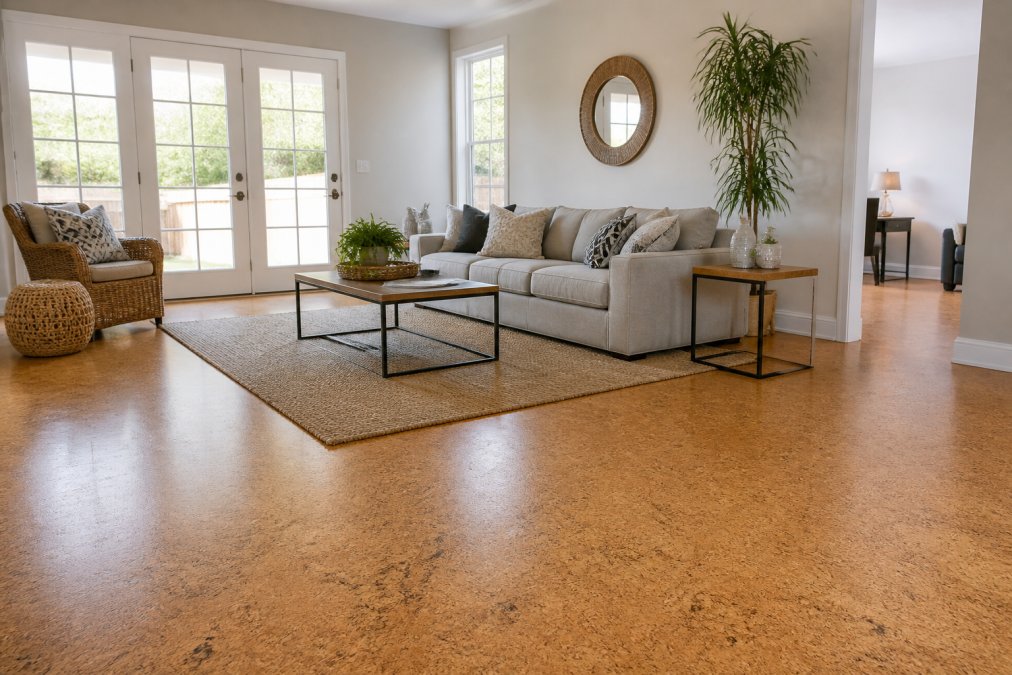
Amorim WISE Cork Flooring provides 100% waterproof cork solutions through engineered construction with click-together installation. The material resists mold, mildew, and insects naturally because cork's cellular structure is inhospitable to microbial growth. This makes cork exceptional for coastal properties where humidity and salt air accelerate mold formation.
Maintenance is straightforward: dust and vacuum regularly, wipe spills immediately with a damp cloth. Cork is softer than hardwood or bamboo, making it susceptible to dents and scratches from heavy furniture or sharp objects. In low-traffic bedrooms or living rooms, cork performs flawlessly. In kitchens with heavy foot traffic, consider bamboo or linoleum instead. Cork flooring typically costs $8.65 per square foot and lasts 20-30 years with proper care.
Pros and Cons of Linoleum vs Vinyl: Why Natural Linoleum Wins
Linoleum and vinyl look similar but are fundamentally different. Vinyl is petroleum-based synthetic plastic. Linoleum is made from renewable ingredients: linseed oil, wood flour, pine rosin, and jute backing. The linoleum flooring market size was estimated at USD 4.92 billion in 2025 and is expected to reach USD 8.90 billion by 2032, at a CAGR of 8.81%.
Forbo Marmoleum is 100% natural, renewable, and biodegradable. The material is naturally antimicrobial and antistatic, resisting bacterial growth without accumulating static charge. Marmoleum's Topshield2™ finish provides enhanced durability and stain resistance without toxic coatings.
Vinyl off-gasses VOCs for years; linoleum does not. Vinyl is petroleum-derived and non-recyclable; linoleum is compostable and biodegradable. Vinyl costs less upfront but imposes hidden health costs. Linoleum costs more initially but delivers genuine environmental benefit.
| Feature | Vinyl | Natural Linoleum |
|---|---|---|
| VOC Emissions | Yes, ongoing | None |
| Renewable Materials | No (petroleum-based) | Yes (linseed oil, wood, jute) |
| Biodegradable | No | Yes |
| Lifespan | 10-20 years | 25-40 years |
| Refinishable | No | Yes |
| Installation | Click-together or glue-down | Professional installation recommended |
| Antimicrobial | No | Yes, naturally |
| Cost Per Sq Ft | $2-4 | $4.29+ |
Linoleum can be refinished to restore appearance and extend life by decades. A 40-year-old linoleum floor that's been maintained can look nearly new after professional refinishing. Installation requires professional expertise to avoid bubbles and seams, adding labor cost upfront but preventing costly mistakes.
:::pro-tip Linoleum requires 48-72 hours to cure fully after installation. During this period, avoid heavy foot traffic and moisture exposure. The wait ensures the material bonds properly and lasts decades longer than vinyl. :::
Reclaimed Wood, Stone, and Other Premium Eco-Friendly Options
Reclaimed wood flooring repurposes timber from old structures, offering unique aesthetics, enhanced durability, and reduced environmental impact. The wood has already been air-dried for decades or centuries, making it dimensionally stable in ways new hardwood cannot match. Each plank carries visible history: nail holes, saw marks, and color variation from decades of exposure.
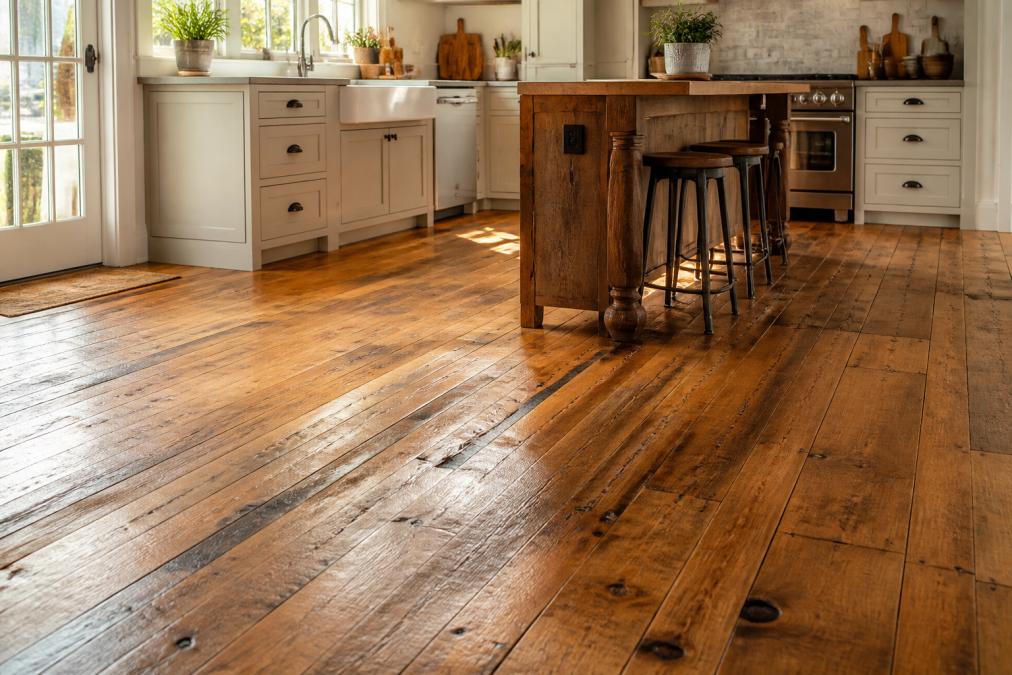
Reclaimed wood from old barns and factories is often denser than modern growth hardwood because trees grew more slowly in previous eras. This density translates to genuine scratch and dent resistance. The trade-off is cost and availability. Reclaimed wood flooring starts around $5.00 per square foot but often exceeds $10 per square foot for premium species. Sourcing requires ordering 20-30% extra material because not every plank is usable.
Natural stone tile (granite, marble, slate) offers luxury durability with zero off-gassing. Each stone is unique, featuring natural patterns that no manufactured material can replicate. Stone is hypoallergenic and low in emissions, ideal for chemically sensitive households. The material is heavy, requiring reinforced subfloors in some cases. Stone is cold underfoot without radiant heating and can be slippery when wet.
Polished concrete flooring transforms existing concrete slabs into finished surfaces through polishing, staining, or coating. For homes with concrete basements, this option minimizes material consumption by repurposing what's already there. Polished concrete costs around $3.00 per square foot and is extremely durable. The limitation is comfort: concrete is hard, cold, and acoustically reflective. For basements or garages, these trade-offs are acceptable.
Choosing the Right Eco-Friendly Alternative for Your Home
The right choice depends on three variables: moisture exposure, foot traffic intensity, and budget.
For moisture-prone areas (kitchens, bathrooms, basements): Cork or linoleum win. Both resist mold and mildew naturally. Avoid solid hardwood and reclaimed wood in these spaces.
For high-traffic areas with heavy use: Strand-woven bamboo or linoleum handle abuse better than cork or reclaimed wood. Both tolerate sand and salt air in coastal homes.
For budget-conscious renovations: Linoleum at $4.29+ per square foot and polished concrete at $3.00 per square foot offer genuine eco-friendly credentials without premium pricing.
For chemical-sensitive households: Prioritize third-party certification. GREENGUARD Gold or FloorScore verified products eliminate off-gassing concerns.
For aesthetic goals requiring character: Reclaimed wood delivers unmatched authenticity. Natural stone offers luxury and permanence.
| Material | Moisture Resistance | Durability | Non-Toxic | Cost | Maintenance | Best For |
|---|---|---|---|---|---|---|
| Bamboo (strand-woven) | Moderate | Excellent | Yes (verify CARB 2) | $3.50+/sq ft | Low | High-traffic areas, coastal homes |
| Cork | Excellent | Good | Yes | $8.65+/sq ft | Low | Moisture-prone areas, comfort priority |
| Linoleum | Excellent | Excellent | Yes | $4.29+/sq ft | Moderate | Kitchens, bathrooms, long-term value |
| Reclaimed Wood | Poor | Excellent | Yes | $5.00-10+/sq ft | Moderate | Aesthetic character, historic homes |
| Natural Stone | Excellent | Excellent | Yes | $2.00+/sq ft | Moderate-High | Luxury applications, bathrooms |
| Polished Concrete | Excellent | Excellent | Yes | $3.00+/sq ft | Low | Basements, industrial aesthetic |
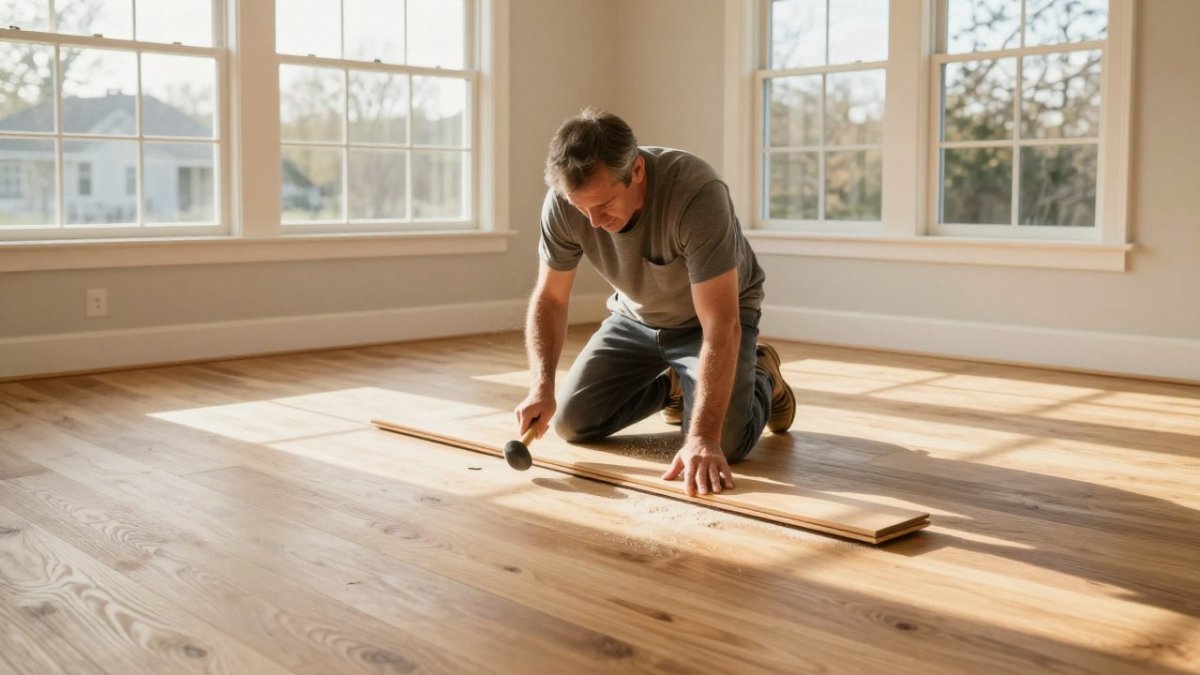
Professional installation prevents moisture intrusion, ensures proper sealing, and guarantees warranty coverage. DIY installation with click-together systems saves money but introduces risk; improper subfloor preparation can ruin even premium materials.
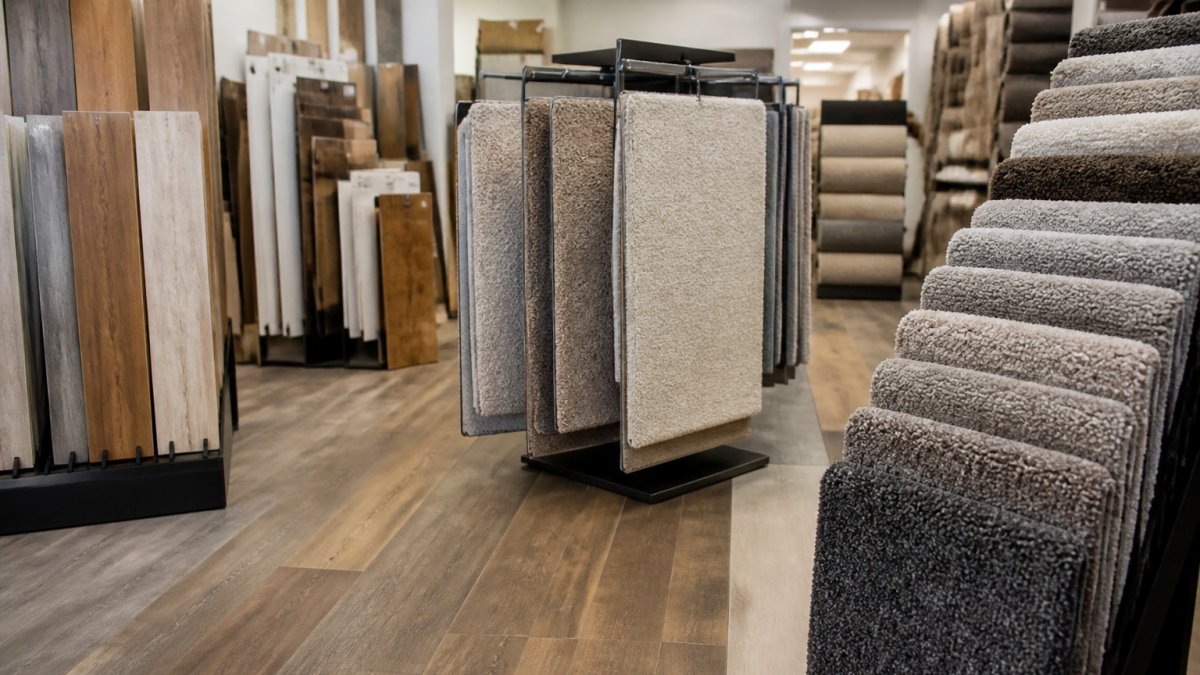
Choosing eco-friendly alternatives to vinyl flooring is an investment in your home's health and environmental impact. The materials covered here deliver genuine durability, non-toxic indoor air quality, and sustainability credentials that vinyl cannot match. Hamptons Carpet One Floor & Home can help you evaluate samples in natural light, assess your subfloor conditions, and recommend the best option for your coastal property. Get started with a consultation and see how the right flooring transforms your home.
=== FAQ ANSWERS (audit these too, same rules) ===
[1] Q: Is there an eco-friendly vinyl flooring option? A: True eco-friendly vinyl does not exist because vinyl is inherently made from PVC (polyvinyl chloride), a petroleum-based plastic that off-gases volatile organic compounds (VOCs). However, newer bio-based polyurethane flooring uses castor or rapeseed oil instead of petroleum, offering the click-lock convenience of vinyl without the PVC. For coastal homes and high-traffic areas, bamboo, cork, and linoleum provide durable, genuinely sustainable alternatives with zero VOC emissions and natural antimicrobial properties.
[2] Q: What are the best non-toxic flooring materials for families with children? A: Wool carpet, cork, and natural linoleum are the safest non-toxic flooring materials for children. Wool is naturally hypoallergenic, biodegradable, and fire-resistant. Cork is antimicrobial and cushioned underfoot, reducing injury risk. Natural linoleum (such as Forbo Marmoleum) contains zero phthalates or formaldehyde and provides a firm, easy-to-clean surface. All three options meet GREENGUARD Gold or FloorScore certifications, ensuring low VOC emissions and superior indoor air quality for developing lungs.
[3] Q: How do natural flooring materials compare to vinyl in terms of durability? A: Natural flooring materials often outperform vinyl in durability and longevity. Reclaimed wood and bamboo (especially strand-woven varieties) are harder and more scratch-resistant than vinyl. Natural linoleum can last 35-40 years and is refinishable, while vinyl typically lasts 10-20 years and cannot be restored. Cork and wool are more susceptible to dents from heavy furniture, but their natural resilience and ability to be refinished extend their lifespan significantly. For coastal environments with salt air and sand, bamboo and cork's moisture resistance and durability make them superior to vinyl.
[4] Q: What is the most sustainable flooring material available today? A: Reclaimed wood is the most sustainable option because it diverts timber from landfills, eliminates deforestation pressure, and requires zero new manufacturing energy. Natural linoleum (Forbo Marmoleum) ranks second, made entirely from renewable linseed oil, wood flour, and jute, it is 100% biodegradable and can be composted at end-of-life. Bamboo is also highly sustainable due to its 3-5 year regeneration cycle and rapid growth rate. For coastal properties, cork combines sustainability with superior moisture resistance, as cork oak bark regenerates without replanting.
Frequently Asked Questions
Is there an eco-friendly vinyl flooring option?
True eco-friendly vinyl does not exist because vinyl is inherently made from PVC (polyvinyl chloride), a petroleum-based plastic that off-gases volatile organic compounds (VOCs). However, newer bio-based polyurethane flooring uses castor or rapeseed oil instead of petroleum, offering the click-lock convenience of vinyl without the PVC. For coastal homes and high-traffic areas, bamboo, cork, and linoleum provide durable, genuinely sustainable alternatives with zero VOC emissions and natural antimicrobial properties.
What are the best non-toxic flooring materials for families with children?
Wool carpet, cork, and natural linoleum are the safest non-toxic flooring materials for children. Wool is naturally hypoallergenic, biodegradable, and fire-resistant. Cork is antimicrobial and cushioned underfoot, reducing injury risk. Natural linoleum (such as Forbo Marmoleum) contains zero phthalates or formaldehyde and provides a firm, easy-to-clean surface. All three options meet GREENGUARD Gold or FloorScore certifications, ensuring low VOC emissions and superior indoor air quality for developing lungs.
How do natural flooring materials compare to vinyl in terms of durability?
Natural flooring materials often outperform vinyl in durability and longevity. Reclaimed wood and bamboo (especially strand-woven varieties) are harder and more scratch-resistant than vinyl. Natural linoleum can last 35-40 years and is refinishable, while vinyl typically lasts 10-20 years and cannot be restored. Cork and wool are more susceptible to dents from heavy furniture, but their natural resilience and ability to be refinished extend their lifespan significantly. For coastal environments with salt air and sand, bamboo and cork's moisture resistance and durability make them superior to vinyl.
What is the most sustainable flooring material available today?
Reclaimed wood is the most sustainable option because it diverts timber from landfills, eliminates deforestation pressure, and requires zero new manufacturing energy. Natural linoleum (Forbo Marmoleum) ranks second, made entirely from renewable linseed oil, wood flour, and jute, it is 100% biodegradable and can be composted at end-of-life. Bamboo is also highly sustainable due to its 3-5 year regeneration cycle and rapid growth rate. For coastal properties, cork combines sustainability with superior moisture resistance, as cork oak bark regenerates without replanting.
This article was written using GrandRanker