 Listicle
High-Traffic Flooring for Sandy Environments
Table of Contents
- Why High-Traffic Flooring for Sandy Environments Demands Different Materials
- Luxury Vinyl Plank vs Tile for Coastal Homes
- Top High-Traffic Flooring Options for Sandy Environments
- 1. Mohawk SolidTech Explorer's Cove Sandy Valley LVP
- 2. DuraDecor Modern Maven Paradise Sand LVP
- 3. Crossville Sand Garden Porcelain Tile
- 4. Bedrosians Wave Honed Porcelain Tile in Sand
- 5. Quick Floors Sandy Beach WPC Luxury Vinyl Plank
- 6. SPARTACOTE Quartz Sand Epoxy Coating
- 7. Mannington Laminate Flooring
- How to Clean Sand Off Hardwood Floors and Other Surfaces
- Comparison Table: Flooring Types for High-Traffic Sandy Spaces
- Maintenance and Protection Strategies for Coastal Flooring
- Conclusion
Last Updated: August 22, 2026
Why High-Traffic Flooring for Sandy Environments Demands Different Materials
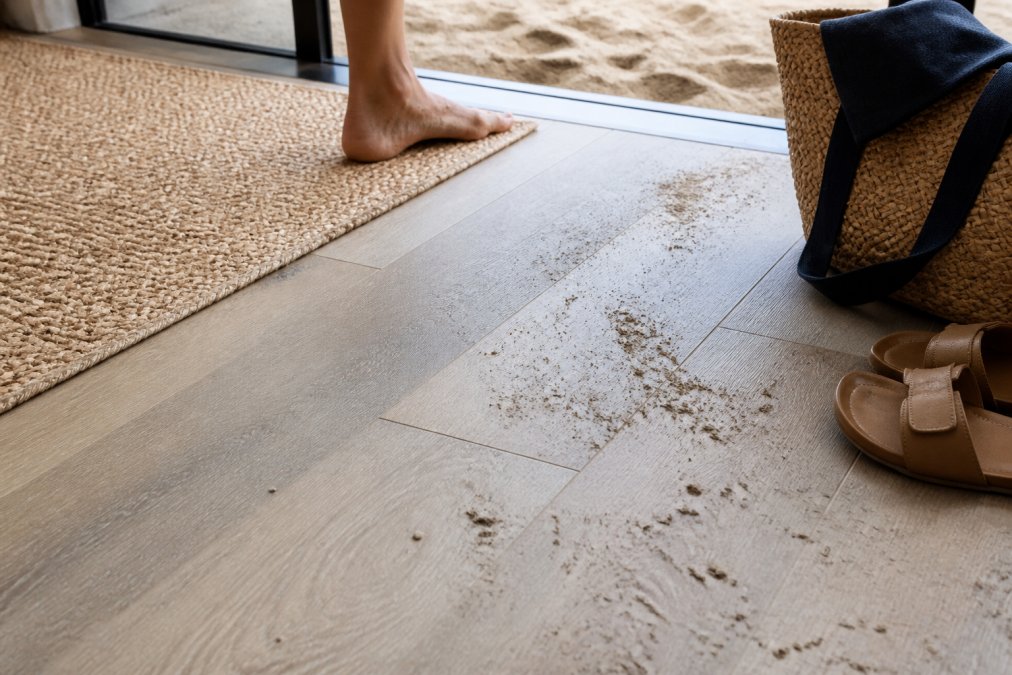
Sand acts like fine sandpaper under foot traffic, gradually wearing through protective finishes and exposing vulnerable layers beneath. Unlike dust or dirt, sand particles are sharp and embed themselves into porous surfaces, degrading standard hardwood, laminate, and some tile options rapidly in high-traffic entryways and mudrooms.
At Hamptons carpet one floor and Home, we work with homeowners throughout coastal areas who've invested in beautiful flooring only to watch it degrade within months. The solution is choosing materials engineered to withstand sandy, salt-laden environments from the start.
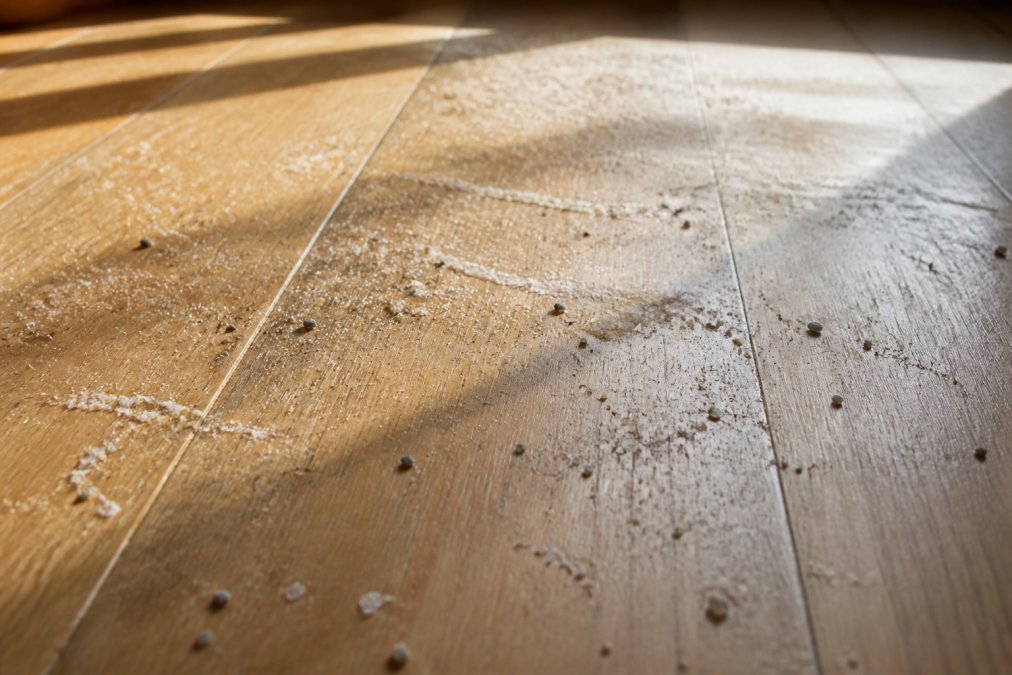
The best high-traffic flooring for sandy environments shares three critical characteristics: a durable wear layer thick enough to handle abrasive particles, a waterproof or water-resistant core that resists moisture from damp sand, and a non-porous surface that prevents sand from embedding. Luxury vinyl plank, porcelain tile, and epoxy coatings excel here. Solid hardwood, standard laminate, and low-grade vinyl fail quickly.
Your subfloor also matters more than most guides acknowledge. In coastal environments, moisture wicks upward through sand-tracked footprints and salt air humidity. Without proper moisture barriers and underlayment, even the best surface flooring fails prematurely.
Luxury Vinyl Plank vs Tile for Coastal Homes
The choice between luxury vinyl plank and tile defines most high-traffic flooring decisions for sandy environments. Both outperform hardwood and standard laminate, but they solve the sand problem differently.
LVP Advantages in Sand-Prone Spaces
Luxury vinyl plank with a 20 mil wear layer provides exceptional scratch resistance and waterproof protection (astm.org). The rigid core construction resists warping from humidity and temperature swings common in coastal areas. Sand sits on the surface rather than embedding into pores, making cleanup straightforward with a broom and damp mop.
LVP installation is faster and less disruptive than tile, typically completing in 1-2 days versus 3-5 days for tile work. Click-lock systems allow floating floor installation without mortar, grout, or extensive subfloor prep. The aesthetic range is also broader, with modern LVP convincingly mimicking wood, stone, and concrete.
The trade-off: LVP doesn't feel as substantial as tile underfoot and requires more frequent sweeping to prevent sand from scratching the surface. Over time, typically 7-10 years in high-traffic sandy spaces, the wear layer degrades and replacement becomes necessary.
Porcelain Tile for Maximum Durability
Porcelain stoneware tile is harder and denser than LVP, with a Mohs hardness rating of 7 compared to LVP's 3-4 (usgs.gov). Sand causes minimal visible scratching, even with heavy foot traffic. Porcelain's low water absorption (typically below 0.5%) makes it truly waterproof, crucial in mudrooms and entryways where damp sand accumulates (iso.org).
Tile handles salt air better than any other flooring. Saltwater corrosion doesn't penetrate glazed porcelain; the surface remains intact regardless of coastal humidity or salt spray exposure. For homes directly on the beach, this matters enormously.
Installation is more complex and time-consuming. Grout lines require sealing and periodic maintenance to prevent sand and salt from degrading the grout itself. Glazed porcelain is easier to clean but can feel slippery when wet. Cost typically runs higher than comparable LVP, with installation labor also more expensive due to technical demands.
Top High-Traffic Flooring Options for Sandy Environments
1. Mohawk SolidTech Explorer's Cove Sandy Valley LVP
Mohawk's SolidTech line is purpose-built for demanding residential environments. The 20 mil wear layer provides serious scratch resistance, and the click-lock system with attached padding speeds installation while adding underfoot comfort. The attached pad serves double duty: it dampens sound and provides a moisture barrier against subfloor moisture wicking.
Best for families with pets, young children, or frequent sand tracking.
2. DuraDecor Modern Maven Paradise Sand LVP
DuraDecor's rigid core construction offers excellent stability in fluctuating coastal humidity. The 20 mil wear layer meets the durability threshold for high-traffic spaces, and the 7-inch-by-48-inch plank proportions create a contemporary look that works in both traditional and modern coastal homes.
Unlike standard vinyl, rigid core doesn't expand and contract excessively, which prevents gaps from forming at seams, a common problem in coastal properties. Installation is straightforward for professionals and accessible for experienced DIYers.
3. Crossville Sand Garden Porcelain Tile
Crossville's Sand Garden collection combines durability with aesthetic sophistication. The Visual Touch technology creates dynamic surface variation that hides sand particles and dirt better than uniform finishes. The low water absorption rating (below 0.5%) and high breaking strength make this tile exceptionally durable in high-traffic areas.
The unpolished and semi-polished finish options provide different aesthetic and functional characteristics: unpolished offers better grip, while semi-polished is easier to clean.
4. Bedrosians Wave Honed Porcelain Tile in Sand
Bedrosians Wave tiles offer a sophisticated concrete aesthetic with superior durability. The glazed porcelain resists staining and water absorption, making it ideal for entryways where sand and salt moisture are constant challenges.
The R11 anti-slip rating is significant for coastal homes where moisture and sand create slip hazards. The rectified edges enable tight grout lines, reducing the surface area where sand can accumulate and degrade grout over time.
5. Quick Floors Sandy Beach WPC Luxury Vinyl Plank
Quick Floors' WPC core combines wood plastic composite with a 20 mil wear layer, creating a middle ground between standard LVP and rigid core options. The floating installation method is fast, typically 1-2 days for average-sized spaces. The 7-inch-by-48-inch plank size mimics natural wood proportions while the WPC construction handles coastal humidity better than standard vinyl, resisting warping and cupping.
6. SPARTACOTE Quartz Sand Epoxy Coating
Epoxy coatings represent a different approach: instead of replacing flooring, you coat existing surfaces. SPARTACOTE's quartz-embedded epoxy creates a seamless, waterproof surface with exceptional traction and durability.
The high traction coefficient is valuable for entryways and mudrooms where wet sand creates slip hazards. Installation requires professional application, and the curing time is longer than other options, you can't walk on the surface for approximately 4 days. The advantage is that you're not replacing flooring, just coating it, which works well if your existing subfloor is sound but the surface is damaged.
7. Mannington Laminate Flooring
High-quality laminates like Mannington's handle sand better than older generations. The protective top wear layer resists scratches, and the HDF core resists warping better than solid hardwood. The aesthetic options are extensive, with realistic wood and tile looks.
The limitation is clear: laminate isn't truly waterproof. Excess moisture can penetrate seams and cause core swelling. For primary entryways, better options exist, but for secondary spaces with moderate sand tracking, it's acceptable.
How to Clean Sand Off Hardwood Floors and Other Surfaces
Sand maintenance is the daily reality of coastal living. How you clean directly impacts how long your flooring lasts.
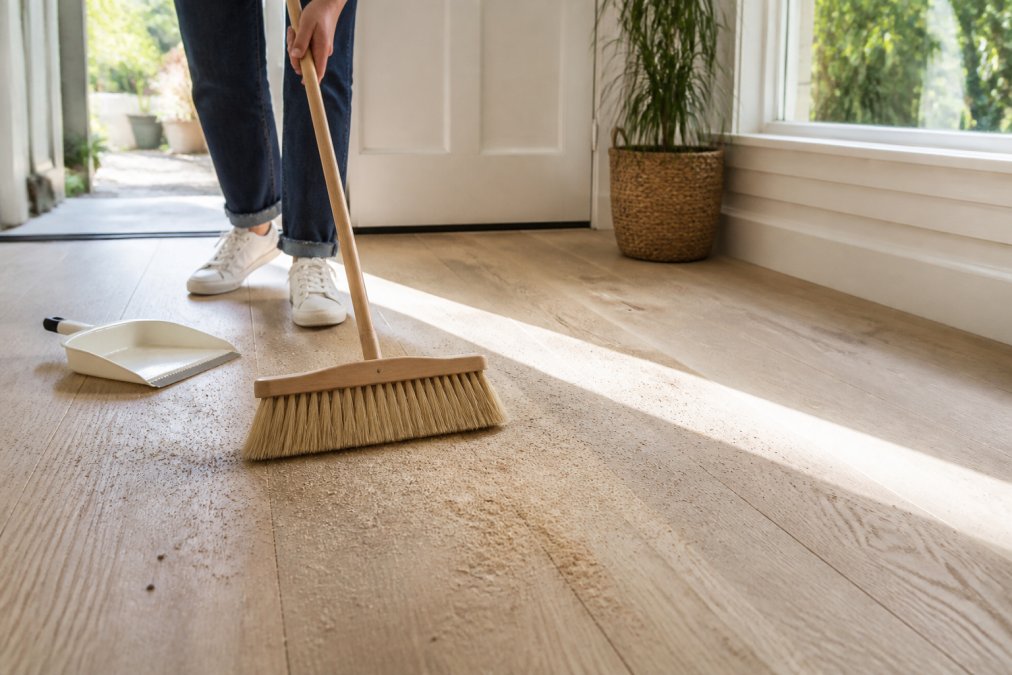
Start with dry removal before moisture touches the sand. Use a soft-bristled broom or vacuum with a brush attachment to sweep and collect loose particles. This prevents sand from grinding into the surface under foot traffic. Do this daily in high-traffic entryways during peak beach season.
For LVP and tile, damp mopping follows dry sweeping. Use a microfiber mop with minimal water; excess moisture risks seeping into seams. A pH-neutral cleaner works for both surfaces. For porcelain tile with grout lines, use a grout brush weekly to remove embedded particles and prevent salt degradation.
The critical insight most homeowners miss: sand damage is cumulative. Consistent daily sweeping prevents sand accumulation that causes visible wear. For entryways specifically, consider placing a high-quality entry mat outside and inside your door to capture sand before it reaches your flooring.
Comparison Table: Flooring Types for High-Traffic Sandy Spaces
| Flooring Type | Durability in Sand | Waterproof | Maintenance Frequency | Lifespan | Best For |
|---|---|---|---|---|---|
| Luxury Vinyl Plank (20 mil) | Very Good | Yes | Daily sweeping, weekly mopping | 7-10 years | High-traffic entryways, families with pets |
| Porcelain Tile | Excellent | Yes | Daily sweeping, weekly mopping, grout maintenance | 20+ years | Coastal homes, salt-air exposure, mudrooms |
| Epoxy Coating | Excellent | Yes | Daily sweeping, occasional deep clean | 10-15 years | Existing damaged floors, high-slip-risk areas |
| Laminate | Good | No | Daily sweeping, minimal moisture | 5-7 years in sandy areas | Secondary spaces, lower-traffic areas |
| Engineered Hardwood | Fair | No | Daily sweeping, regular protective finish | 5-8 years in sandy areas | Design-focused homes, lower-traffic areas |
Maintenance and Protection Strategies for Coastal Flooring
Subfloor moisture barriers are essential. If you're installing new flooring, insist on a proper moisture barrier between the subfloor and the finished surface. In existing homes, assess moisture levels before installation using inexpensive moisture meters.
Underlayment selection matters more in coastal environments than inland homes. Look for underlayment rated for moisture-prone applications, typically thicker (3-6mm) with built-in vapor barriers. This prevents moisture from wicking upward through sand-tracked footprints.
Grout sealing is mandatory for tile in coastal homes. Unsealed grout is porous and absorbs salt water, sand, and dirt. Reseal grout every 1-2 years in high-traffic coastal areas.
For LVP, check seams periodically. Sand can accumulate at seams, and moisture can penetrate if seams separate. If you notice gaps forming, address them promptly.
Salt air accelerates finish degradation on all surfaces. Adjust cleaning frequency seasonally: summer demands more frequent sweeping; winter demands more attention to moisture control and salt residue removal.
The best high-traffic flooring for sandy environments isn't about finding a miracle material, it's about choosing materials engineered for the specific challenges coastal living creates, then maintaining them consistently. Luxury vinyl plank and porcelain tile both work, but they demand different maintenance approaches. At Hamptons carpet one floor and Home, we help homeowners in coastal areas select and install flooring that survives sand, salt, and heavy traffic without requiring constant replacement. Visit our showroom to see samples in natural light, and let our team assess your specific subfloor and moisture conditions before you invest. The right flooring, properly installed and maintained, lasts decades even in the harshest coastal environments.
Frequently Asked Questions
What is the most scratch-resistant flooring for homes near the beach?
Porcelain tile and luxury vinyl plank with a 20 mil wear layer offer excellent scratch resistance for coastal homes. Porcelain stoneware scores 7 on the Mohs hardness scale and resists abrasion from sand and saltwater corrosion. LVP options like Mohawk SolidTech and Quick Floors Sandy Beach provide waterproof, scratch-resistant surfaces with commercial-grade durability. Epoxy coatings like SPARTACOTE offer seamless, slip-resistant protection ideal for high-traffic entryways exposed to sand accumulation.
Does sand damage hardwood floors?
Yes, sand acts as an abrasive and can scratch, dent, and damage hardwood floors over time. Engineered hardwood is more resistant to moisture and humidity than solid hardwood, but both require routine maintenance and protection from sand and small rocks tracked indoors. Regular sweeping and cleaning sand off hardwood floors immediately prevents surface wear. If you live in a sandy environment, consider low-maintenance alternatives like LVP or porcelain tile, which resist sand damage better and require less frequent refinishing.
Is luxury vinyl plank good for sandy environments?
Yes, luxury vinyl plank is an excellent choice for sandy environments. LVP is 100% waterproof, resists scratches and stains from sand and saltwater, and requires minimal maintenance. A 20 mil wear layer provides superior durability against abrasion. LVP's click-lock installation system with attached underlayment offers moisture barrier protection and sound absorption. Rigid core options like DuraDecor and Quick Floors Sandy Beach resist temperature swings and humidity fluctuations common in coastal homes, making them more stable than laminate flooring.
How do you maintain floors in a house with a lot of sand?
Establish a sand-specific maintenance protocol: place entry mats at all exterior doors to trap sand before it reaches flooring, sweep or vacuum high-traffic areas daily to prevent sand accumulation, and use a damp microfiber mop weekly to remove fine particles. For hardwood, avoid excess moisture and clean sand immediately. For LVP and tile, use mild detergent and avoid abrasive cleaners. In coastal environments, consider a subfloor protection system and moisture barrier to prevent salt and sand from compromising the foundation. Professional cleaning can help remove embedded sand particles.
What flooring works best for high-traffic entryways exposed to sand and salt?
Porcelain tile, LVP with a 20 mil wear layer, and epoxy coatings are ideal for high-traffic entryways in sandy environments. Porcelain's low water absorption and scratch hardness resist sand abrasion and saltwater corrosion. LVP offers waterproof, low-maintenance protection with slip resistance. SPARTACOTE epoxy coating provides a seamless, anti-slip surface that resists chemical damage from salt air. All three options are easy to clean and maintain, supporting high foot traffic while protecting your subfloor from moisture and sand penetration.
This article was written using GrandRanker