 Listicle
In-Stock Flooring Selection Guide for Suffolk County
Table of Contents
- In-Stock Flooring Selection: What You Need to Know
- Hardwood and Engineered Hardwood Flooring
- Vinyl Plank and LVT Flooring Solutions
- Laminate and Tile Selections
- How to Choose Flooring Materials for Your Space
- In-Stock vs. Special Order Flooring: Key Differences
- Flooring Installation Timeline and DIY Considerations
- Eco-Friendly and Sustainable In-Stock Flooring Options
Last Updated: July 8, 2026
In-Stock Flooring Selection: What You Need to Know
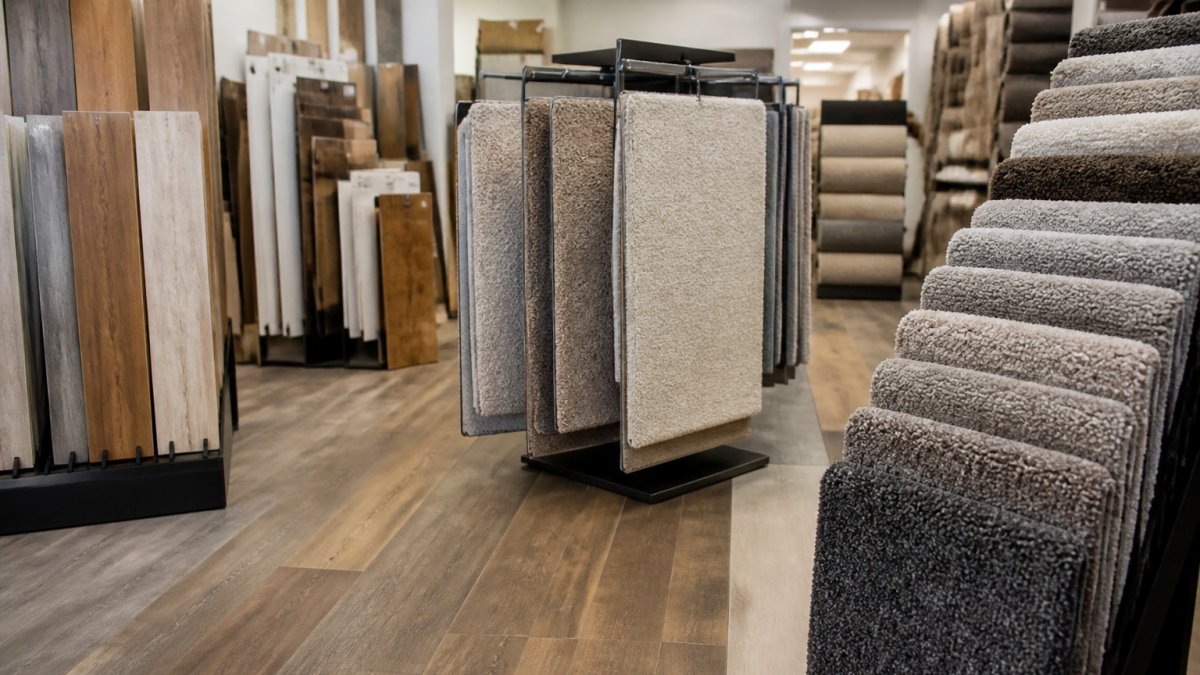
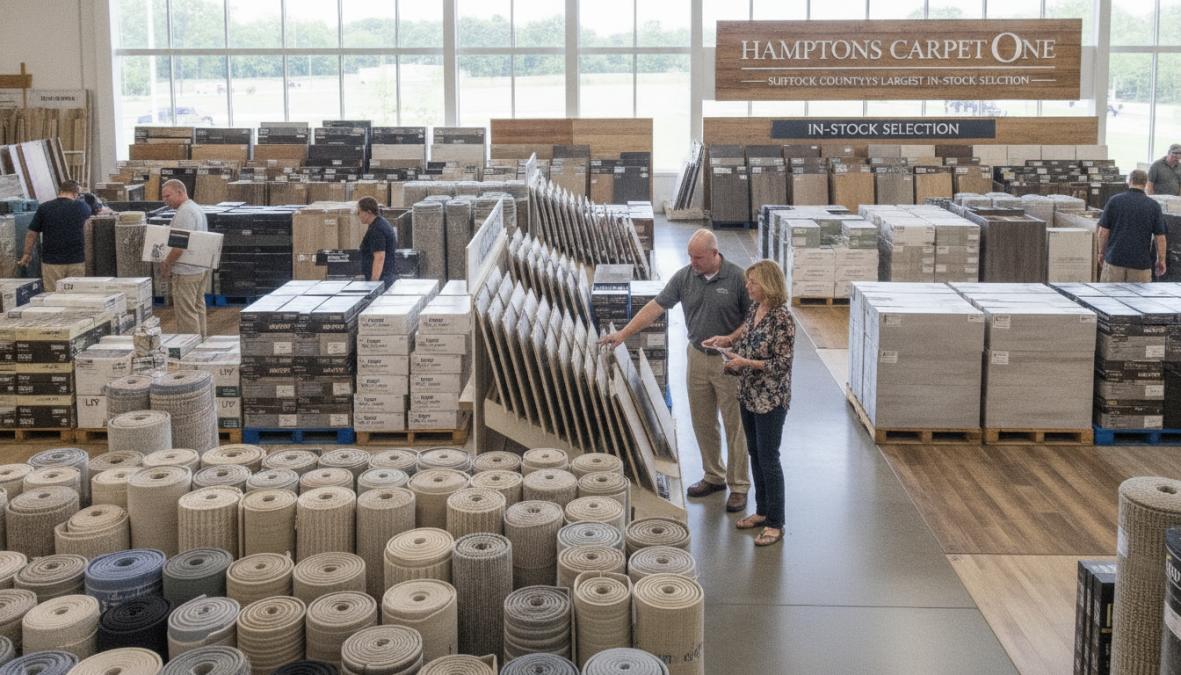
When planning a flooring project for your Suffolk County home or business, in-stock flooring selection means completing installation in weeks rather than months. At Hamptons carpet one floor and Home, we understand that immediate availability matters, whether you're addressing water damage, planning a quick renovation, or simply want to move forward without delays. Today's retailers stock premium hardwood, waterproof vinyl, durable laminate, natural stone, and carpet in hundreds of styles. The key is understanding which in-stock materials suit your space, budget, and lifestyle.
Approximately 65% of flooring purchases now happen from in-stock inventory rather than special orders. This shift reflects consumer demand for speed and retailer investment in warehouse capacity. For homeowners in Suffolk County, this means better pricing, faster delivery, and the ability to see and touch samples before committing.
Why Immediate Availability Matters for Your Project
Timing drives project success. In-stock flooring selection collapses installation timelines from months to weeks or days. Water damage and emergency repairs demand speed, waiting 8-12 weeks for special-order materials while mold risk increases isn't viable. In-stock flooring solves this directly.
Contractor availability aligns better with confirmed materials, reducing overall project costs and preventing your installer from moving to another job. Real-time inventory transparency lets you make confident decisions; most retailers show exact stock levels online, eliminating the frustration of selecting a product only to discover it's backordered.
Pricing on in-stock items tends to be more competitive. Retailers maintain lower margins on immediate-availability products to keep inventory moving.
Hardwood and Engineered Hardwood Flooring
Solid hardwood consists of a single piece of wood throughout its thickness, milled from species like red oak, white oak, hickory, and birch. It expands and contracts with humidity, so it works best in climate-controlled spaces away from moisture. Solid hardwood can be sanded and refinished multiple times over 50+ years, making it a genuine lifetime investment.
Engineered hardwood has a real wood veneer bonded to a plywood base, making it more stable in humid environments like kitchens and bathrooms. It resists cupping and warping better than solid hardwood. Engineered hardwood cannot be refinished as many times, but it's more versatile for challenging spaces.
For in-stock availability, engineered hardwood typically wins. Retailers stock more engineered options because manufacturing is more efficient. However, solid hardwood in popular species like red oak and hickory is widely available in standard finishes.
Solid Hardwood vs. Engineered Options
Solid hardwood performs better in dry, climate-controlled spaces like living rooms and bedrooms. Engineered hardwood suits kitchens, bathrooms, basements, and areas where humidity fluctuates. Solid hardwood typically runs 20-40% higher than comparable engineered options, but both are available in-stock at competitive prices from retailers like Floor & Decor and The Home Depot.
Popular In-Stock Species: Oak, Hickory, and Birch
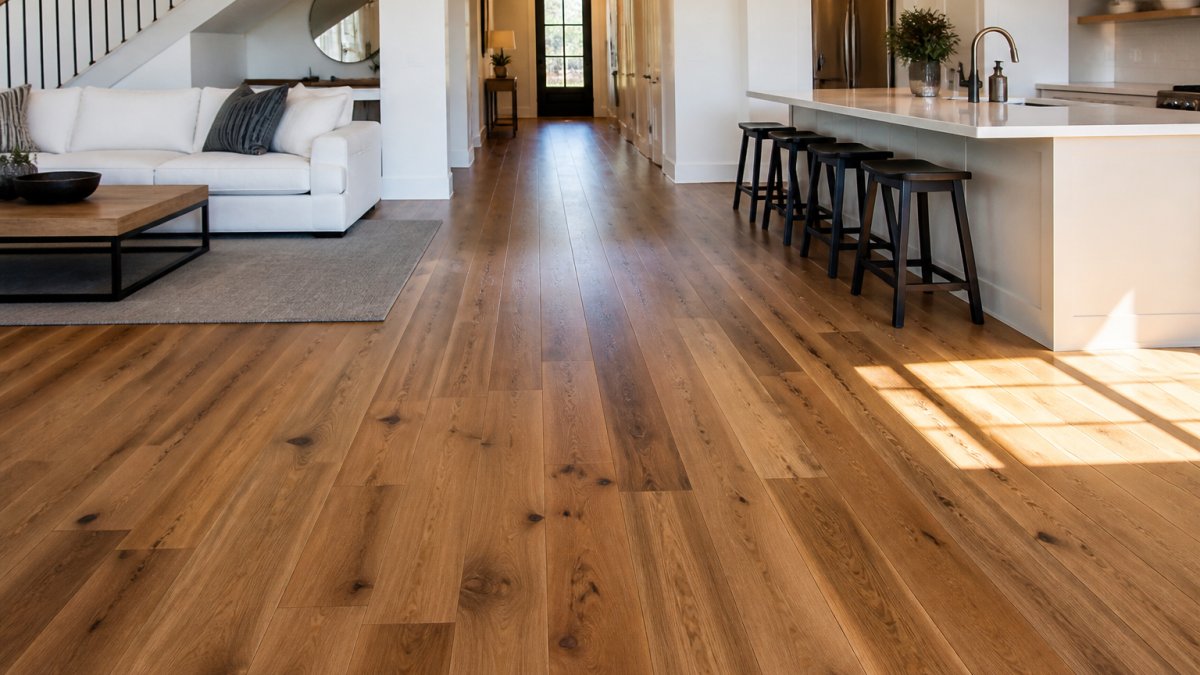
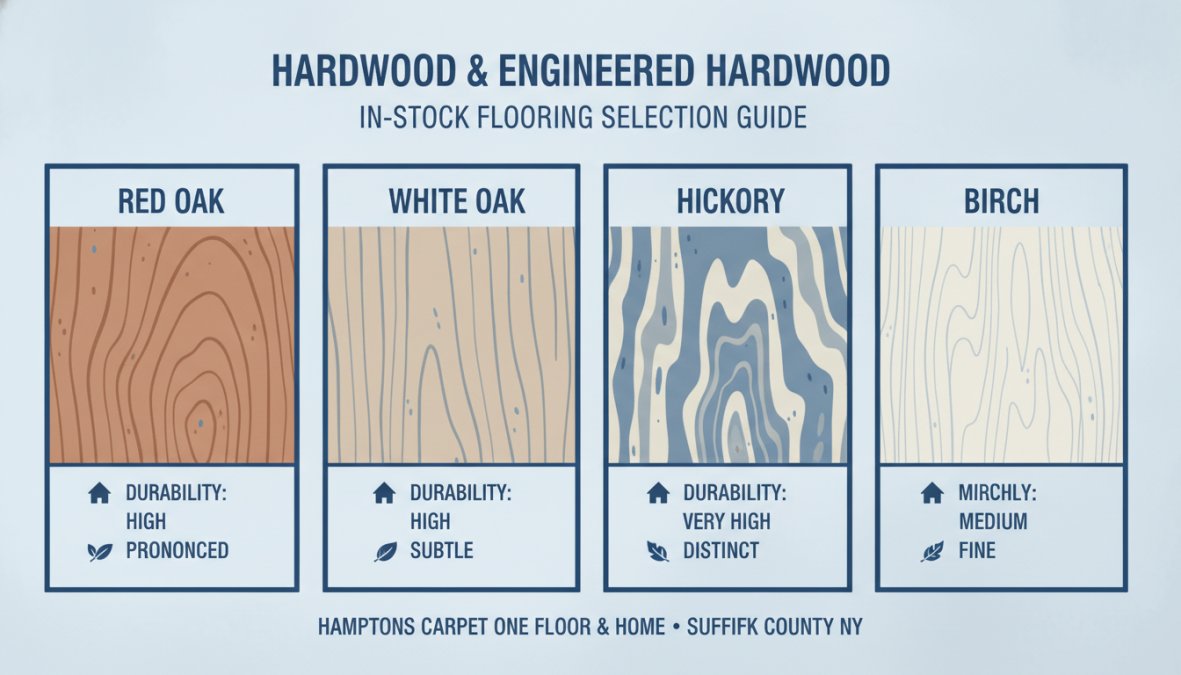
Red oak is the most stocked hardwood species. It features prominent grain patterns and warm, honey-to-reddish tones, working with traditional and transitional design styles. White oak is denser and harder, with subtle grain and cooler, gray-tinged tones. Hickory is one of the hardest domestic hardwoods with dramatic grain variation and color streaking, suiting rustic and contemporary styles. Birch offers fine, uniform grain and pale, cream-to-light-tan color but shows wear faster in high-traffic areas.
Vinyl Plank and LVT Flooring Solutions
Luxury vinyl plank (LVP) and luxury vinyl tile (LVT) dominate in-stock flooring categories. They're waterproof, scratch-resistant, affordable, and available in thousands of styles. Modern vinyl is durable, realistic, and genuinely waterproof, nothing like the linoleum of decades past.
Waterproof and Scratch-Resistant Benefits
Waterproof vinyl is why this category dominates kitchens, bathrooms, laundry rooms, and basements. Unlike hardwood or laminate, vinyl doesn't swell or warp when exposed to standing water. Quality vinyl resists scratching from pet claws, chair legs, and dropped objects, making it ideal for homes with children or pets.
Installation speed is another advantage. Vinyl planks typically click together without adhesive, so experienced installers can cover large areas quickly. Many homeowners attempt DIY installation with vinyl, though professional installation ensures proper subfloor preparation.
Laminate and Tile Selections
Laminate offers a middle ground between vinyl and hardwood. It's more affordable than hardwood, more scratch-resistant than vinyl in some cases, and available in nearly unlimited style options. However, laminate is not waterproof, which limits installation locations.
Natural stone and ceramic tile are widely available in-stock. Tile is waterproof, durable, and works in any room. The tradeoff is cost, hardness underfoot, and installation complexity.
When to Choose Laminate vs. Natural Stone
Choose laminate for bedrooms, living rooms, and hallways where moisture exposure is minimal. In-stock laminate selection is enormous, with thousands of wood-look and stone-look options available immediately.
Choose tile for kitchens, bathrooms, entryways, and any space where water exposure is certain. Ceramic and porcelain tile are more durable and lower-maintenance than natural stone. For in-stock flooring selection, ceramic and porcelain tile dominate retailer inventories.
| Flooring Type | Best For | Waterproof | Durability | Installation Speed |
|---|---|---|---|---|
| Solid Hardwood | Dry living spaces | No | Very High | Slow |
| Engineered Hardwood | Mixed humidity | Moderate | High | Slow |
| Vinyl Plank/Tile | Kitchens, baths, basements | Yes | High | Fast |
| Laminate | Bedrooms, living rooms | No | High | Fast |
| Ceramic Tile | Any wet area | Yes | Very High | Slow |
| Natural Stone | Luxury wet areas | Moderate | Very High | Very Slow |
How to Choose Flooring Materials for Your Space
Selecting the right material requires matching three factors: the room's moisture exposure, your design preferences, and your budget. Start by assessing moisture. Bathrooms, kitchens, laundry rooms, and basements require waterproof or highly water-resistant materials. Vinyl is the obvious choice; tile is also waterproof but costs more. Hardwood and laminate are inappropriate for these spaces.
Next, consider foot traffic and wear. Entryways and living rooms see heavy traffic and need durable materials like tile, quality vinyl, or hardwood. Bedrooms see lighter traffic, so laminate or less-expensive vinyl is acceptable.
Finally, evaluate your design goals. Hardwood offers warmth and natural character. Vinyl offers variety and modern aesthetics. Tile offers contemporary or traditional looks.
Kitchen and Bathroom Flooring Considerations
Kitchens demand waterproof, durable, easy-to-clean surfaces. Vinyl plank in wood-look finishes is the most popular in-stock choice because it mimics hardwood while offering waterproof protection and scratch resistance. Ceramic or porcelain tile is also excellent. Avoid laminate and solid hardwood in kitchens.
Bathrooms have even higher moisture exposure. Vinyl is the safest choice. Tile is also appropriate. Avoid all wood products except in powder rooms.
Durability, Design Style, and Square Footage Planning
Durability is measured by wear layer thickness (for vinyl and laminate) and hardness rating (for tile and stone). Thicker wear layers resist scratching longer.
Design style should align with your home's aesthetic. Modern spaces suit large-format tile or minimalist vinyl planks. Traditional spaces suit hardwood or classic tile patterns. Transitional spaces work with almost anything.
Measure your space carefully and add 10% for waste and future repairs. Ordering slightly extra ensures you have matching material for future repairs, critical for hardwood and tile where dye lots vary.
In-Stock vs. Special Order Flooring: Key Differences
In-stock flooring is ready to ship or pick up immediately. Selection is limited to what's currently in the warehouse. Pricing is typically lower. Installation can happen within days or weeks.
Special-order flooring is manufactured after you order. Selection is unlimited. Pricing may be higher, and lead times typically range from 4-12 weeks.
Logistics of Pickup vs. Delivery
Pickup from a local retailer is fastest and cheapest. You collect the flooring and transport it yourself. Most major retailers offer in-store pickup for in-stock items within 24 hours.
Delivery is convenient but costs more, typically $100-300 depending on distance and quantity. Delivery takes 3-7 business days for in-stock items. Some retailers offer free delivery above a minimum purchase amount.
For in-stock flooring selection in Suffolk County, pickup is often the best option. Local retailers can have materials ready within hours.
Real-Time Inventory Transparency and Availability
Modern retailers provide real-time inventory data online. You can check whether a specific product in a specific finish is in stock before leaving home. However, inventory levels fluctuate. A product showing "in stock" online might be allocated to other orders by the time you arrive.
Some retailers use inventory aggregation across multiple locations. If your local store is out of stock, they can transfer materials from a nearby warehouse.
Flooring Installation Timeline and DIY Considerations
Installation timeline depends on the flooring type, room size, and subfloor condition.
Vinyl plank installation is fastest. Professional installers can cover 500-800 square feet per day. DIY installation is possible for handy homeowners, though mistakes in subfloor preparation cause problems later. Expect 2-5 days for a typical home.
Laminate installation is similar to vinyl. Subfloor preparation is critical; uneven subfloors cause laminate to rock and creak.
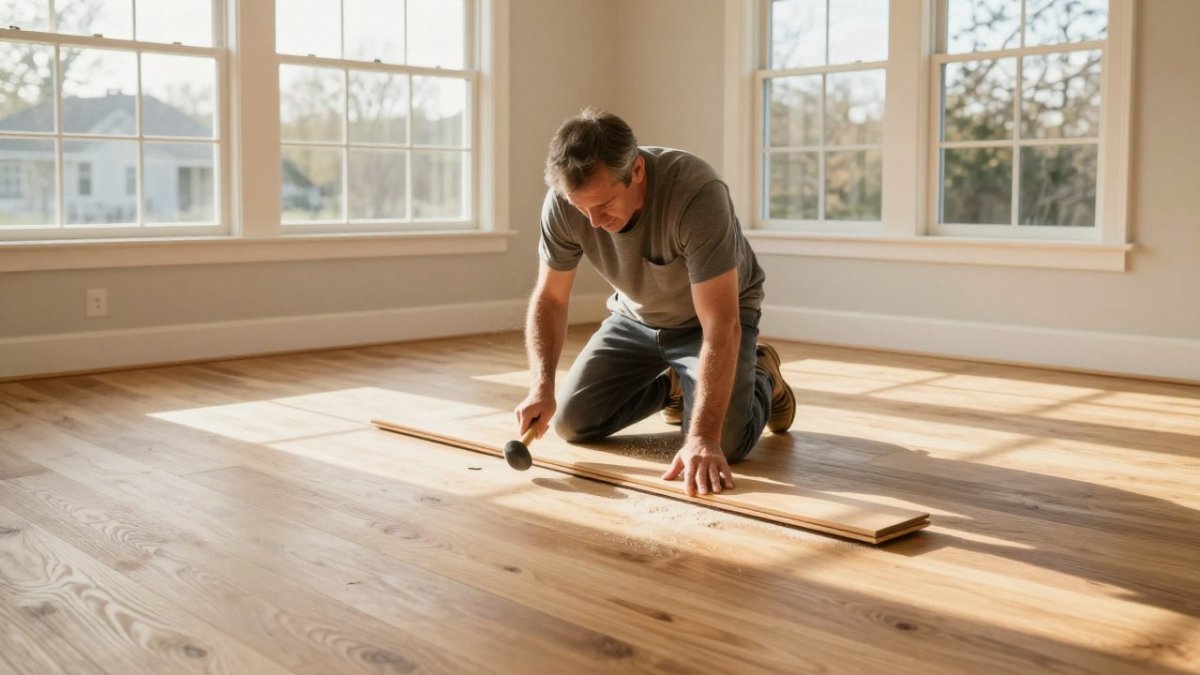
Hardwood installation is slower. Solid hardwood requires acclimation (sitting in your home for 5-7 days) to adjust to moisture levels. Professional installation takes 3-7 days. Hardwood is not a DIY project for most homeowners.
Tile installation is the slowest. Grout curing typically takes 24-48 hours before the floor is usable. Professional installation takes 5-10 days. Tile is definitely a professional job.
Professional Installation vs. DIY Installation Options
Professional installation guarantees proper subfloor preparation, correct product application, and manufacturer warranty compliance. Most flooring warranties require professional installation.
DIY installation works for vinyl plank and laminate in simple layouts without complex cuts or transitions. DIY installation saves labor costs but risks improper installation that causes premature wear or water damage.
For hardwood, tile, and stone, professional installation is strongly recommended. Hamptons carpet one floor and Home can recommend local installers or discuss DIY options for your specific project.
Eco-Friendly and Sustainable In-Stock Flooring Options
Sustainability concerns are driving flooring choices for many homeowners. In-stock flooring selection increasingly includes eco-friendly options.
Reclaimed hardwood uses salvaged wood from old buildings and barns. It's genuinely unique and environmentally responsible. Reclaimed wood is more expensive and less predictable, but in-stock availability is growing.
Sustainably harvested engineered hardwood uses wood from responsibly managed forests certified by the Forest Stewardship Council (FSC). These products perform identically to conventional engineered hardwood with lower environmental impact.
Cork flooring is harvested from cork oak bark without harming the tree. Cork is naturally antimicrobial, warm underfoot, and renewable. It's softer than hardwood and better suited to bedrooms than high-traffic areas.
Bamboo is highly renewable and harder than many hardwoods. Sustainability depends on sourcing and processing. In-stock bamboo options are increasingly available.
Recycled vinyl and reclaimed tile use post-consumer materials to reduce landfill waste. In-stock availability is limited but worth exploring if sustainability is a priority.
Material sourcing and transportation distance significantly impact environmental footprint. Choosing in-stock flooring reduces transportation emissions compared to special orders shipped from distant manufacturers.
Choosing the right flooring for your Suffolk County home requires balancing immediate availability with long-term performance and aesthetics. In-stock flooring selection offers speed, transparency, and competitive pricing that special orders cannot match. The material you choose, whether hardwood, vinyl, laminate, or tile, should match your room's moisture exposure, design preferences, and budget. Hamptons carpet one floor and Home serves all of Suffolk County with extensive in-stock inventory, expert guidance on material selection, and connections to professional installers. Visit Hamptons carpet one floor and Home to explore available options, see samples in person, and get accurate pricing and timelines for your specific project.
Frequently Asked Questions
What types of flooring are usually kept in stock?
Most retailers maintain in-stock inventory of vinyl plank (LVP/LVT), laminate, basic tile selections, and popular hardwood species like oak and hickory. Engineered hardwood, waterproof flooring options, and scratch-resistant vinyl are increasingly common in-stock choices. Specialty items like natural marble or granite countertops typically require special order. Check with your local retailer for current in-stock flooring catalogs and availability.
How do I check local in-stock flooring availability?
Most flooring retailers offer real-time inventory transparency through their websites and in-store systems. You can filter by 'in-stock' options, check square footage availability, and confirm pickup or delivery options before purchasing. Contact your local flooring retailer directly for the most current inventory status. Many provide free samples and design services to help you make your in-stock flooring selection from home.
Is in-stock flooring cheaper than special order?
In-stock flooring pricing depends on quantity, delivery method, and product type. While in-stock items often have competitive everyday pricing, special order options may include wholesale or clearance pricing opportunities. Overstock inventory sometimes offers pricing guarantees and discounts. For current pricing on specific in-stock selections, contact your retailer directly for a quote rather than assuming cost differences.
How quickly can I install in-stock flooring after purchase?
DIY installation timelines vary by flooring type, vinyl plank and laminate typically take 1-3 days for a standard room, while hardwood may require 3-7 days. Professional installation usually takes 1-2 days. With in-stock flooring available for immediate pickup or delivery, you can often begin installation within days of purchase. Discuss your flooring installation timeline with your installer or retailer when selecting materials.
This article was written using GrandRanker