 Listicle
Top 5 Modern Flooring That Looks Historic
Table of Contents
- Why Modern Flooring That Looks Historic Makes Sense for Coastal Homes
- 1. Reclaimed Wood Flooring: Authentic Patina and Timeless Character
- 2. Luxury Vinyl Plank (LVP) with Historic Wood Look: Water-Resistant Vintage Aesthetics
- 3. Encaustic-Look Porcelain Tile: Geometric Patterns Without the Maintenance
- 4. Terrazzo Flooring: Mid-Century Modern Durability and Customization
- 5. Reclaimed Thin Brick Floor Tile: Industrial-Historic Warmth
- Historically Accurate Flooring Materials: Choosing Between Authenticity and Practicality
- Reclaimed Wood vs. Distressed Hardwood: What's the Real Difference?
Last Updated: August 6, 2026
Why Modern Flooring That Looks Historic Makes Sense for Coastal Homes
Finding the right flooring for a historic home, or a new one capturing historic character, presents a genuine tension. You want authenticity, but you also need durability, especially in coastal environments where salt air, moisture, and sand create relentless wear. Modern flooring that looks historic can deliver both aesthetic integrity and practical resilience in ways that weren't possible a decade ago.
At Hamptons carpet one floor and Home, we work with homeowners and contractors across Suffolk County who face this exact challenge. Many inherit properties with original hardwood damaged beyond repair, or they're building new and want period-appropriate character without constant maintenance headaches. The five options below represent the best balance of visual authenticity, durability, and realistic maintenance for coastal living.
1. Reclaimed Wood Flooring: Authentic Patina and Timeless Character
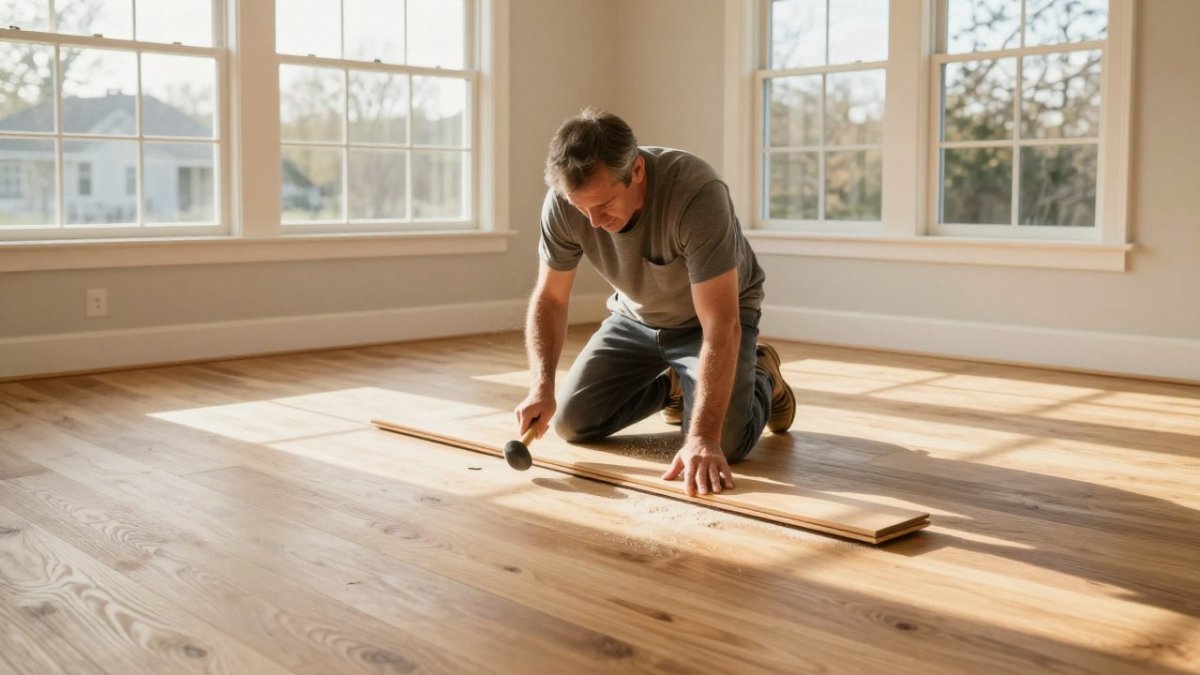
Reclaimed wood flooring is salvaged from old barns, factories, and historic structures, then milled into planks for modern installation. Each plank carries actual history: original nail holes, saw marks, color variations, and grain patterns that no modern process can artificially create.
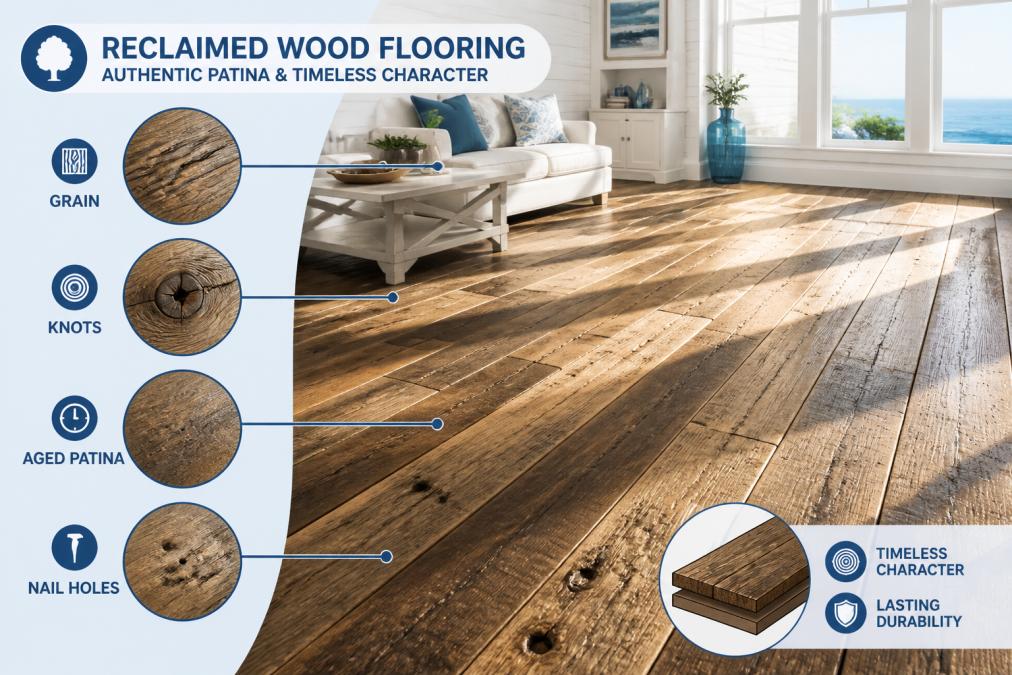
The appeal is unmatched historical authenticity and charm. Reclaimed wood is also environmentally sustainable, diverting material from landfills and reducing demand for new timber harvesting. Species like reclaimed oak, pine, and chestnut offer distinct visual character and durability.
The trade-offs are significant. Reclaimed wood costs substantially more than new hardwood or engineered alternatives. Availability fluctuates based on salvage, so sourcing specific species or color palettes may take months. Installation requires care, uneven surfaces mean critical subfloor preparation. For coastal homes, proper sealing against moisture and salt air adds upfront costs and maintenance responsibility.
Reclaimed wood works best for homeowners who prioritize authenticity and have the budget to support it, especially for historic homes where matching original materials matters.
2. Luxury Vinyl Plank (LVP) with Historic Wood Look: Water-Resistant Vintage Aesthetics
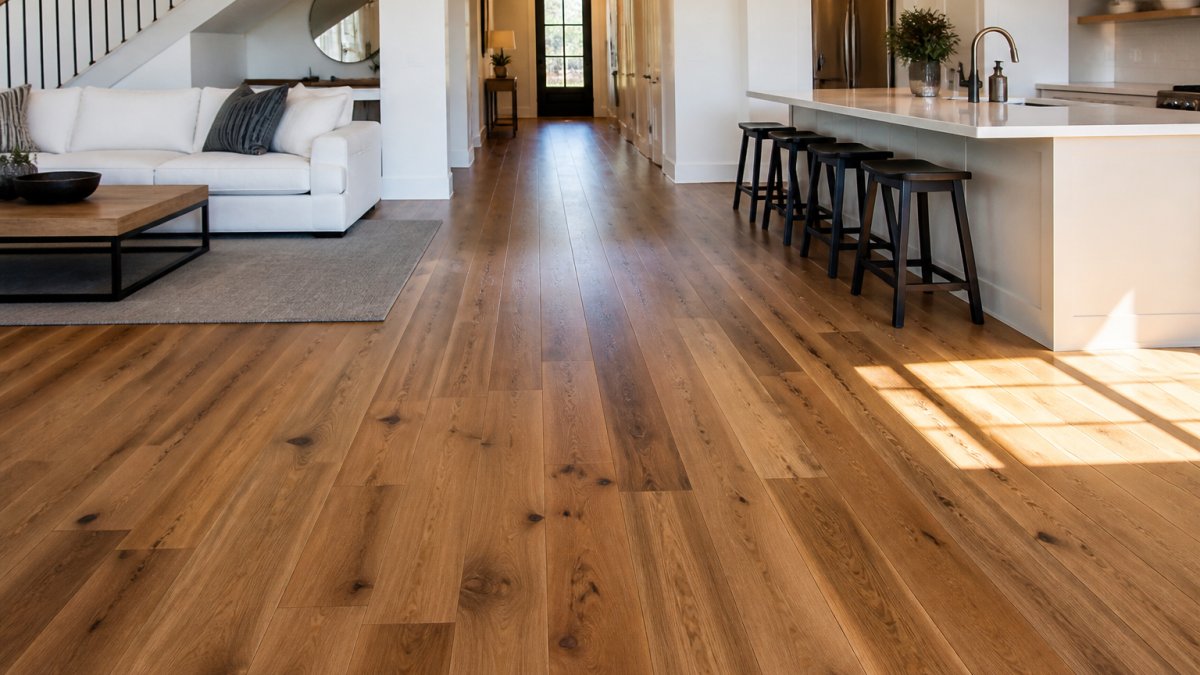
Modern LVP mimics vintage hardwood with ultra-realistic grain patterns, textures, and hand-scraped details. The material is 100% waterproof, resistant to stains and scratches, and requires minimal maintenance.
For coastal homes, LVP excels where salt air, moisture, tracked sand, and spills would damage real wood. Available in looks mimicking oak, pine, mahogany, and other historic species, modern LVP can genuinely fool the eye from a distance.
The honest limitation: LVP doesn't feel like wood underfoot and won't develop patina or deepening character over time. Resale value is lower than genuine hardwood. If a plank is severely damaged, replacement can be tricky because planks interlock, sometimes requiring removal of several surrounding pieces.
LVP works best for high-traffic coastal areas, kitchens, bathrooms, and homes where durability and low maintenance outweigh the desire for authentic wood feel.
3. Encaustic-Look Porcelain Tile: Geometric Patterns Without the Maintenance
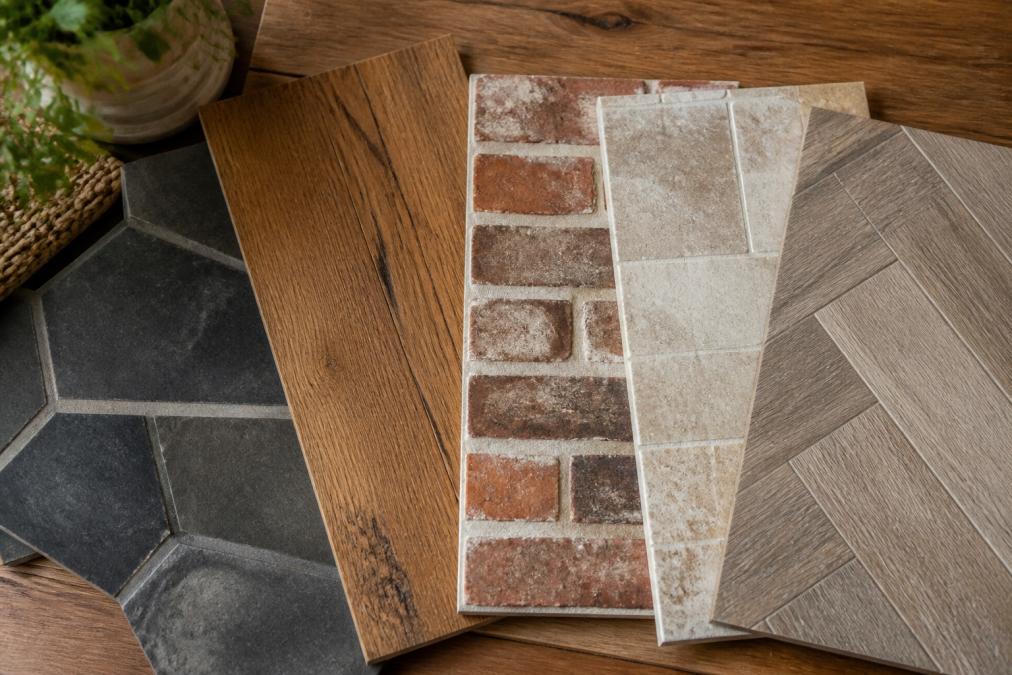
Encaustic tiles are a historic flooring staple in Victorian homes, Mediterranean villas, and Arts and Crafts properties, featuring hand-painted geometric and floral patterns. Traditional encaustic is fragile, the pattern is surface-level and wears through with heavy traffic. They stain easily and require constant sealing.
Modern porcelain tiles replicate encaustic aesthetics perfectly. High-resolution printing captures intricate patterns, bold colors, and visual richness. The difference: porcelain is durable, stain-resistant, moisture-proof, and requires almost no maintenance beyond regular cleaning.
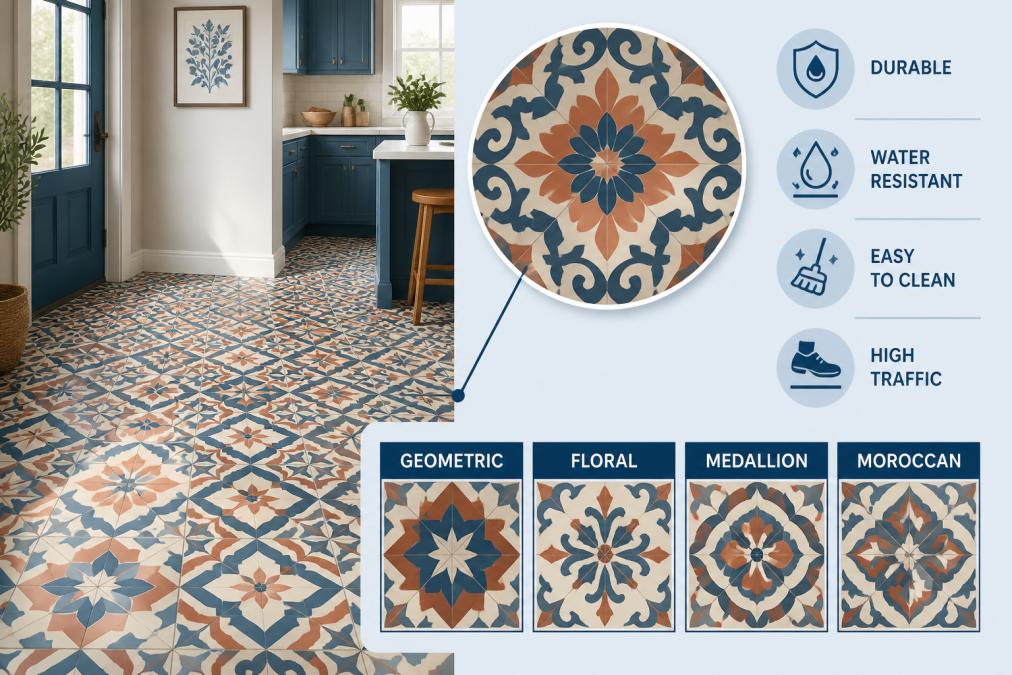
The trade-off is tactile. Porcelain replicates visual appearance but not the dimensional depth and handmade quality of authentic encaustic. Installation can be labor-intensive for intricate patterns, especially when mixing multiple tile designs.
Encaustic-look porcelain is ideal for homeowners wanting visual drama and historical character without maintenance burden. It's perfect for entryways, bathrooms, and accent areas.
4. Terrazzo Flooring: Mid-Century Modern Durability and Customization
Terrazzo is a composite material made from chips of marble, quartz, granite, or glass set in a cement or epoxy binder. Popular in Art Deco and Mid-Century Modern design, it's experiencing revival because modern production has made it more accessible and customizable.
Terrazzo is exceptionally durable, lasting decades with minimal wear. You can customize it endlessly: choose aggregate colors, chip sizes, and embed patterns. Modern epoxy-based terrazzo is more stain-resistant than traditional cement versions and can be poured in place or installed as pre-cast tiles. It's also eco-friendly, using recycled glass and stone waste.
The limitations are real. Terrazzo has higher initial installation costs than most alternatives. It's a hard, cold surface underfoot, without radiant heating, it can feel unwelcoming in winter. It's also unforgiving if you drop something fragile.
Terrazzo works best for high-end residential projects and homeowners drawn to Mid-Century Modern or Art Deco aesthetics who want a statement floor with genuine longevity.
5. Reclaimed Thin Brick Floor Tile: Industrial-Historic Warmth
Reclaimed thin brick tiles are salvaged from historic buildings, factories, and breweries, then milled thin enough for interior flooring. They offer authentic brick texture, color variation, and patina that new brick cannot replicate.
The visual warmth is undeniable. Brick flooring creates an industrial-historic aesthetic that feels grounded and authentic, suiting loft conversions and farmhouse renovations.
The real considerations: reclaimed brick requires sealing to prevent dust and staining. The surface can be uneven, requiring careful subfloor preparation. Installation is slower because each tile's unique dimensions require careful fitting. Brick can be cold and hard underfoot.
Reclaimed thin brick works best for accent areas and entryways where you want genuine industrial-historic character and don't mind maintenance responsibility.
Historically Accurate Flooring Materials: Choosing Between Authenticity and Practicality
The tension between authenticity and practicality is real when selecting historically accurate flooring. Authentic reclaimed materials deliver genuine character but require more maintenance and cost significantly more. Modern replicas offer durability and low maintenance but lack the tactile authenticity and patina development of genuine aged materials.
For coastal homes in Suffolk County, the practical choice often leans toward modern replicas or hybrid approaches. Salt air and moisture create conditions that authentic reclaimed materials struggle with unless you invest heavily in sealing, climate control, and professional maintenance. This doesn't mean sacrificing character, modern materials genuinely deliver authentic aesthetics while prioritizing durability and livability.
Consider your specific situation: Are you renovating a historic property where matching original materials matters? Invest in reclaimed wood or authentic encaustic tiles, plan for professional installation, and budget for ongoing maintenance. Are you building new and want historic character without vulnerability? Modern LVP, porcelain tile, or polished concrete with stained finishes deliver the look with far less maintenance burden.
The best historically accurate flooring choice balances what you want to see with what you're willing to maintain.
Reclaimed Wood vs. Distressed Hardwood: What's the Real Difference?
Reclaimed wood is salvaged from actual historic structures. It's genuinely old with authentic wear patterns, original nail holes, and patina developed through real use. Each plank is unique with provenance. The cost reflects this genuine material and unmatched character.
Distressed hardwood is new wood artificially aged through hand-scraping, wire marks, knots, and stains to simulate age. It looks convincingly old and costs far less than reclaimed wood. The catch: it's still new wood underneath, so it won't develop the deep patina or character evolution that genuine aged wood does.
For coastal homes, distressed hardwood has practical advantages over reclaimed wood. It's more consistent in quality, easier to source in specific quantities, and often more stable in high-moisture environments because it's been kiln-dried to modern standards. But if authenticity matters, if you want actual historic material with genuine provenance, only reclaimed wood delivers that.
The choice comes down to priority. If you want the look of aged wood and prioritize durability and consistency, distressed hardwood is smart. If you want genuine historic material and are willing to invest in maintenance and premium pricing, reclaimed wood is worth it.
Comparison Table: Top 5 Modern Flooring That Looks Historic
| Flooring Type | Best For | Key Advantage | Main Limitation |
|---|---|---|---|
| Reclaimed Wood | Historic homes, premium budgets | Genuine authenticity and patina | High cost, maintenance-intensive |
| Luxury Vinyl Plank | Coastal homes, high-traffic areas | 100% waterproof, low maintenance | Lacks authentic feel, lower resale value |
| Encaustic-Look Porcelain | Pattern-focused, bathrooms, entryways | Durable, stain-resistant, visually striking | Lacks tactile texture of authentic tiles |
| Terrazzo | Statement floors, Mid-Century Modern | Unlimited customization, exceptional durability | High installation cost, hard underfoot |
| Reclaimed Thin Brick | Industrial aesthetics, accent areas | Unique character and warmth | Requires sealing, uneven surface |
At Hamptons carpet one floor and Home, we help homeowners and contractors across Suffolk County navigate these choices by understanding both aesthetic goals and the practical realities of coastal living. The right flooring choice matches the material to your specific needs, budget, and willingness to maintain it.
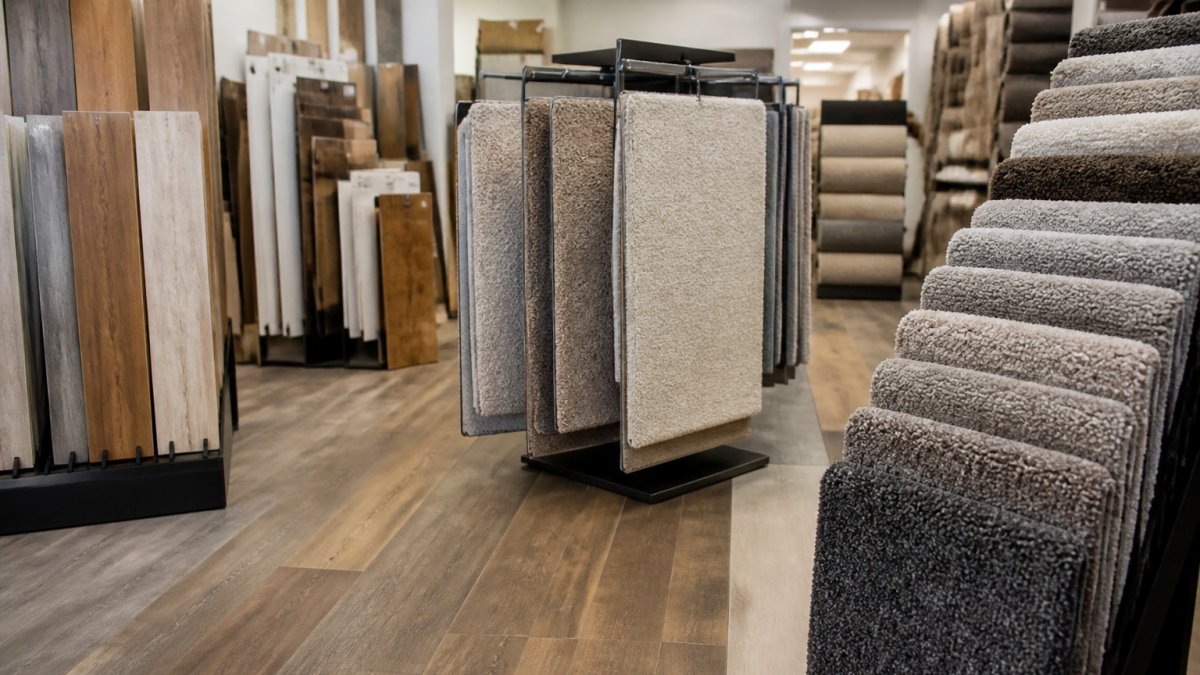
Whether you're drawn to the genuine patina of reclaimed wood, the practical durability of modern LVP, or the visual drama of encaustic-look porcelain, the best modern flooring that looks historic is the one you'll actually live with comfortably for years. Visit our showroom to see samples in natural light and discuss your specific space with our team. We'll help you understand how each option will perform in your coastal environment and what installation and maintenance actually entail.
National Association of Home Builders guidance on historic flooring restoration
Porcelain Tile Association specifications for encaustic-look tiles
Resilient Floor Covering Institute standards for luxury vinyl plank durability
Frequently Asked Questions
What type of flooring is most historically accurate for older homes?
Reclaimed wood flooring offers the most authentic historical character, salvaged from old barns and structures with genuine patina, grain variation, and aged wood species like oak and pine. For homes with tile traditions, encaustic-look porcelain and reclaimed thin brick tiles replicate historic patterns and textures. However, historically accurate materials often cost more and require professional installation. Modern engineered hardwood and luxury vinyl plank with historic wood looks provide strong aesthetic authenticity at lower cost, though they lack the genuine aged character of true reclaimed materials.
Can you use modern engineered hardwood in a historic renovation?
Yes, modern engineered hardwood works well in historic homes, especially where moisture or temperature fluctuations occur. Engineered planks resist warping better than solid hardwood while still delivering authentic wood aesthetics. However, engineered hardwood may not satisfy purists seeking complete historical accuracy. For coastal properties prone to salt air and humidity, engineered hardwood offers practical durability that solid hardwood cannot match. Professional installation is critical in older homes with uneven subfloors to ensure proper fit and longevity.
What's the difference between reclaimed wood and distressed hardwood?
Reclaimed wood is genuinely aged timber salvaged from historic buildings, barns, and structures, featuring authentic patina, natural knots, and unique grain patterns that cannot be replicated. Distressed hardwood is new wood artificially treated to mimic the aged appearance through hand-scraping, staining, and surface distressing. Reclaimed wood costs significantly more but offers unmatched historical authenticity and sustainability. Distressed hardwood provides a similar look at lower cost and with more consistent availability, making it practical for homeowners seeking vintage aesthetics without the premium price tag.
How disruptive is professional flooring installation, and can you work around my family's schedule?
Installation disruption depends on your flooring choice and home size. Luxury vinyl plank and engineered hardwood install relatively quickly with minimal dust. Reclaimed wood, terrazzo, and tile require longer timelines and may generate more dust and noise. Most professional installers work during business hours and can discuss scheduling around your family's needs. Preparation work like subfloor repair in older homes may extend the timeline. Before installation begins, confirm with your installer the expected duration, dust mitigation measures, and whether they can accommodate your schedule preferences.
Will modern flooring that looks historic actually hold up in a coastal environment with sand and salt air?
Durability in coastal settings depends on material choice. Luxury vinyl plank and porcelain tile are waterproof and highly resistant to salt air and sand damage. Reclaimed wood and engineered hardwood require sealing and regular maintenance to withstand coastal moisture and salt exposure. Terrazzo and polished concrete resist salt corrosion well but need periodic sealing. Reclaimed thin brick requires sealing to prevent salt staining. Choose materials rated for moisture resistance and discuss coastal maintenance requirements with your installer to ensure your investment withstands sand, humidity, and salt air over time.
This article was written using GrandRanker