 Ultimate guide
Alternatives to Replacing Old Hardwood Floors
Table of Contents
- Refinishing vs. Replacing Hardwood Floors: Cost and Value Comparison
- Hardwood Floor Repair Techniques for Damaged Boards
- How to Cover Old Hardwood Floors Without Full Replacement
- Luxury Vinyl Plank Over Hardwood and Other Overlay Options
- Evaluating Your Subfloor and Moisture Conditions
- Environmental Impact and Resale Value Considerations
- Maintenance Requirements for Each Alternative
- Conclusion
Last Updated: August 9, 2026
Refinishing vs. Replacing Hardwood Floors: Cost and Value Comparison
When hardwood floors show their age, replacement isn't your only option, and it's rarely the most cost-effective one. Refinishing, screening and recoating, strategic repairs, and overlay solutions can restore floors to near-original condition at a fraction of replacement cost. At Hamptons carpet one floor and Home, we've guided homeowners through this decision, and the data consistently shows that alternatives work remarkably well when the underlying structure is sound.
The choice hinges on three factors: subfloor condition, wear layer depth, and budget. Solid hardwood can be sanded and refinished multiple times over its lifetime; many homes built in the early 1900s still have their originals. Engineered hardwood has a thin veneer over plywood and can be refinished once or twice before reaching the substrate.
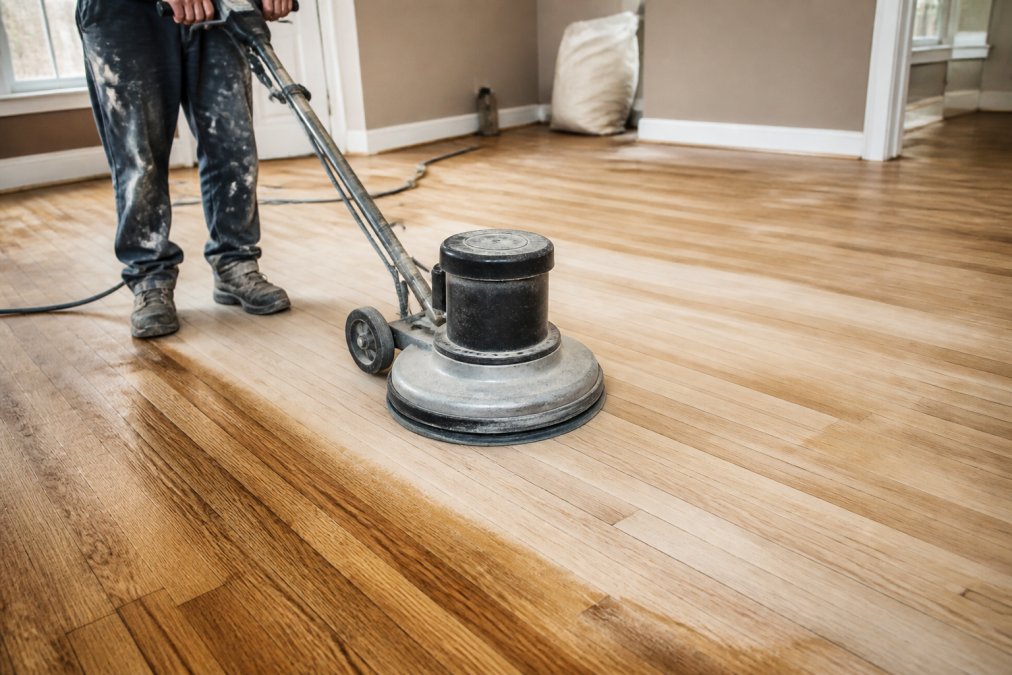
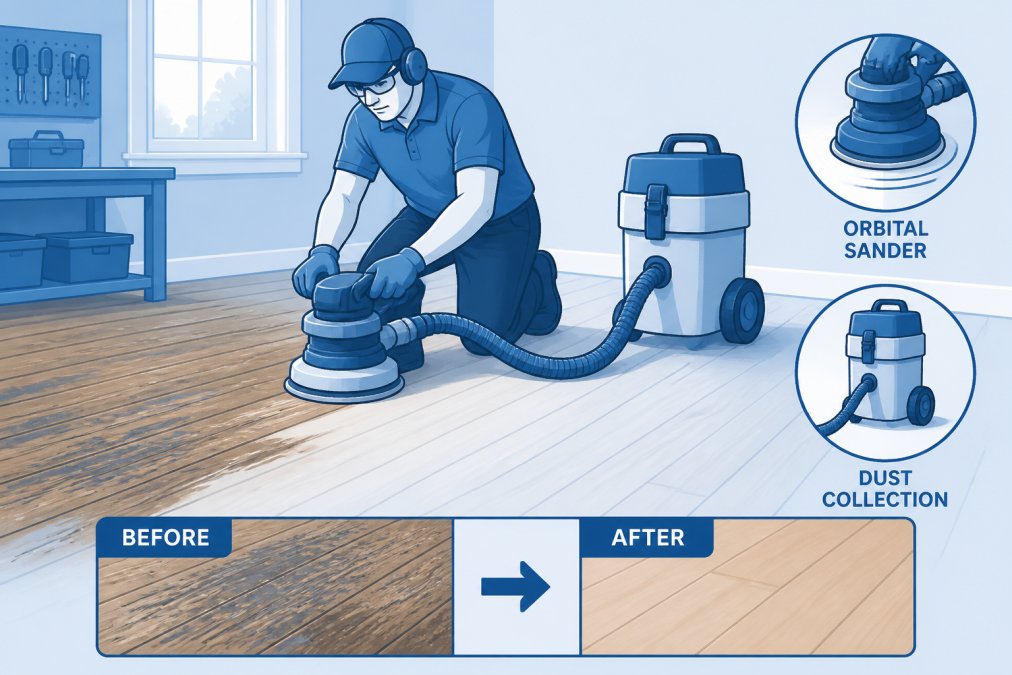
Refinishing costs significantly less than replacement because you're renewing the surface, not removing and reinstalling everything. For a 1,500-square-foot floor, the difference is substantial. The real question isn't whether refinishing is cheaper, it almost always is, but whether your floors are worth refinishing. If the subfloor is damaged, cupping is severe, or the wear layer is too thin to sand safely, replacement may be necessary. If the bones are good and damage is cosmetic, refinishing preserves authentic character that newer floors can't replicate.
Hardwood Floor Repair Techniques for Damaged Boards
Not every damaged board requires replacement. Many issues can be corrected with targeted repair techniques that cost far less than pulling up sections of flooring.
Patching and Board Replacement
Individual board replacement is the surgical approach to hardwood repair. When a few boards show severe damage, deep gouges, water stains, or structural compromise, replacing just those boards preserves the rest of your floor while fixing problem areas.
A professional identifies damaged boards, cuts out the section, removes nails or adhesive, and fits a new board of matching species and finish. Stain matching is critical; wood from different batches may not match perfectly. For solid hardwood, the new board is nailed or glued down and sanded flush. For engineered wood, over-aggressive sanding can sand through the veneer into plywood, so repairs often require professional equipment and expertise.
Cost depends on accessibility and the number of boards affected. A dozen scattered boards makes refinishing the entire floor competitive with extensive patching.
Addressing Cupping, Gaps, and Warping
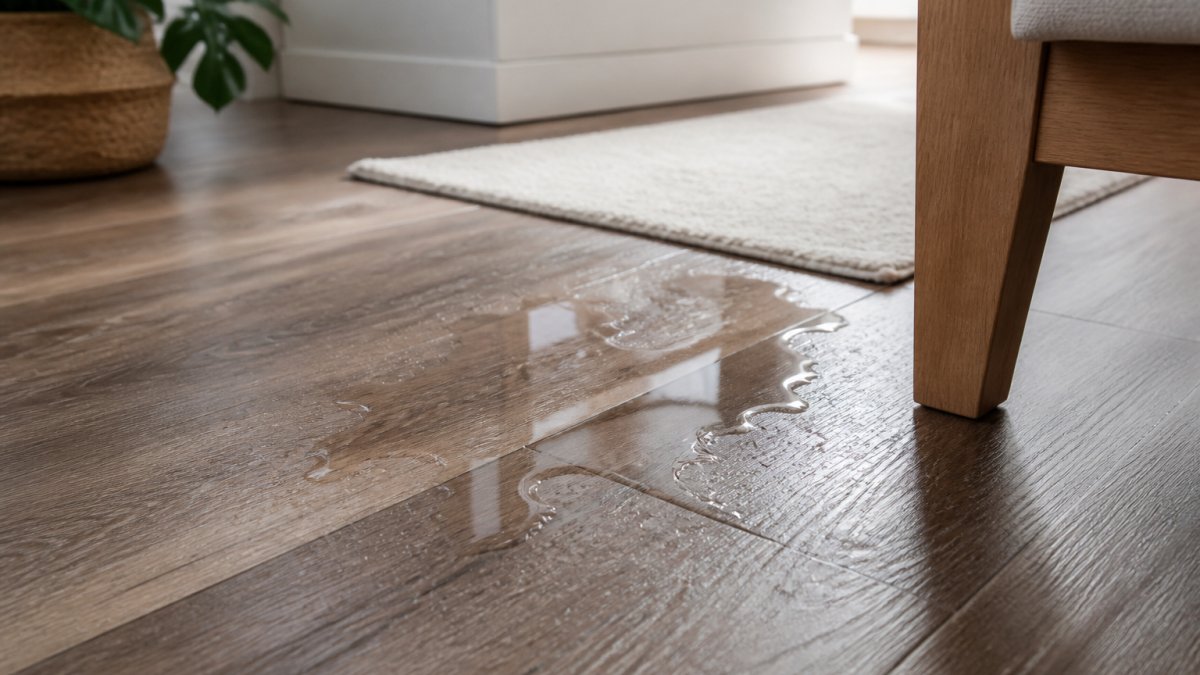
Cupping occurs when plank edges are higher than the center, creating a valley effect. Gaps appear when boards shrink away from each other, often in winter. Warping happens when boards bend or twist. These issues are almost always caused by moisture, not structural failure.
Mild cupping caused by surface moisture sometimes resolves after refinishing once the wood dries. Severe cupping requires careful sanding to create a level surface without damaging engineered wood veneers.
Gaps that are seasonal and close when humidity rises are normal. Permanent gaps can be left as design features, filled with matching wood filler, or sealed with rope caulk. Many designers now embrace gaps as authentic character.
Warping is most serious and often requires board replacement. Before assuming warping is permanent, address the moisture source first. Sometimes warped boards partially flatten as wood regains its original moisture content.
How to Cover Old Hardwood Floors Without Full Replacement
If hardwood is too damaged for repairs but replacement feels excessive, overlay options let you cover existing floors with new surfaces. This approach works particularly well for coastal properties where salt air and sand create harsh conditions.
Screening and Recoating for Surface Renewal
Screening uses fine-grit abrasive to scuff existing polyurethane, removing the glossy surface and preparing it for a new coat. This works only if the existing finish is bonded to the wood and isn't peeling or flaking.
Screening and recoating takes a day or two instead of a week, produces far less dust than full sanding, and costs significantly less. The downside is you're limited to the existing stain color and can't fix deep scratches or stains.
This technique is ideal if your floor is structurally sound, the finish is intact, and you want to refresh appearance and restore protection. Many homeowners screen and recoat every 5-7 years between full refinishing cycles, extending floor life significantly.
The process involves cleaning the floor thoroughly, screening with 120-150 grit abrasive, vacuuming dust, and applying new polyurethane. Bona Traffic HD, a two-component water-based polyurethane, offers superior durability and cures in three days. DuraSeal Water-Based Polyurethane provides good durability at lower cost and is easier for DIYers to apply.
Aesthetic Upgrades: Staining, Rugs, and Molding
Sometimes floors aren't damaged, just dated. Strategic aesthetic upgrades can transform spaces without touching the wood itself.
Staining is the most dramatic change. Lighter stains feel contemporary and spacious; darker stains feel formal and hide dust. Matte finishes are currently more popular than glossy ones.
Rugs cover wear patterns, add warmth, and define spaces without permanent change. This approach is perfect for renters or anyone hesitant about commitment.
Shoe molding (quarter-round) installed along baseboards covers gaps between floor and wall, hiding uneven edges. New molding updates the look instantly and is one of the cheapest ways to make floors look newer.
These upgrades work best in combination. New molding plus fresh stain can make a 30-year-old floor look current. Rugs plus updated molding can refresh spaces for under $500.
Luxury Vinyl Plank Over Hardwood and Other Overlay Options
When hardwood is too damaged for repair but replacement feels excessive, laying new flooring over existing floors keeps costs down and avoids removal disruption. Luxury vinyl plank (LVP) is the most popular overlay choice for coastal and high-traffic homes.
Luxury Vinyl Plank (LVP) Installation Considerations
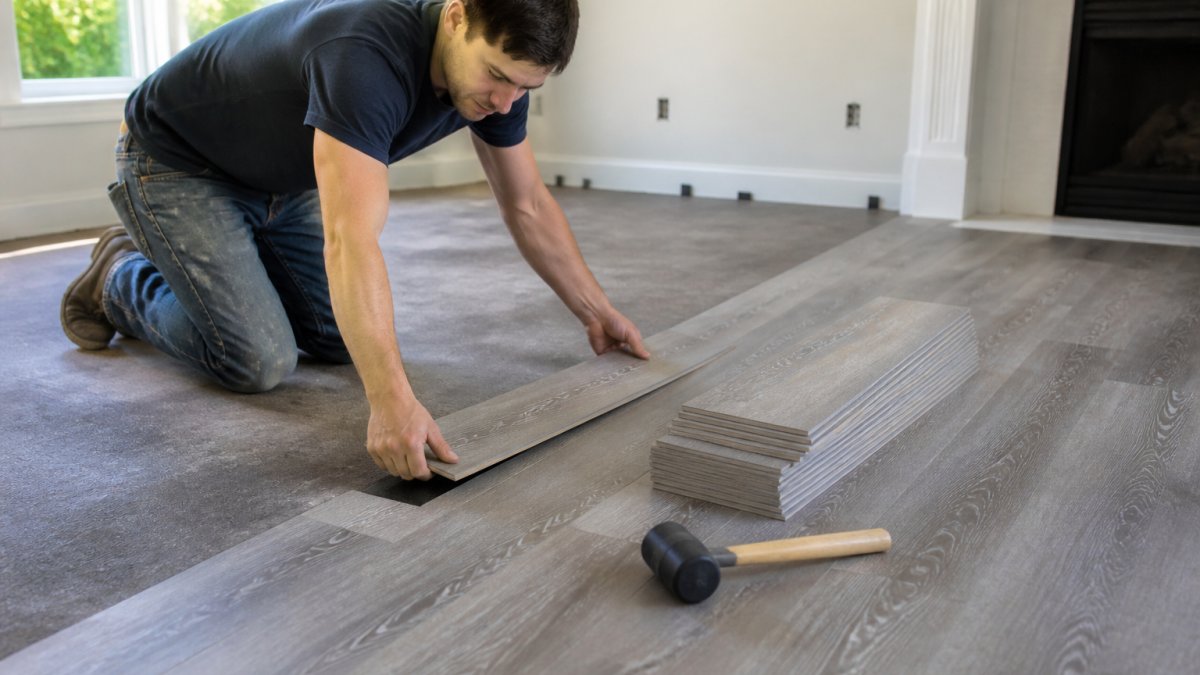
Luxury vinyl plank mimics hardwood while offering superior water resistance and durability. Installation over existing hardwood requires the floor to be clean, level, and dry; LVP planks click together in a floating system on top of the hardwood.
The advantage is speed and minimal disruption. LVP installation takes days instead of weeks, with no sanding dust, toxic fumes, or extended drying time.
The disadvantage is that LVP is a permanent layer. If you ever want to see the hardwood again, you'll need to remove it and deal with any adhesive or damage underneath. If moisture gets trapped between LVP and hardwood, the wood can rot, particularly concerning in coastal properties.
Installation quality is critical. The subfloor must be level; LVP will telegraph any bumps or dips. Many installers use self-leveling underlayment to create a perfectly flat surface, adding cost but preventing problems.
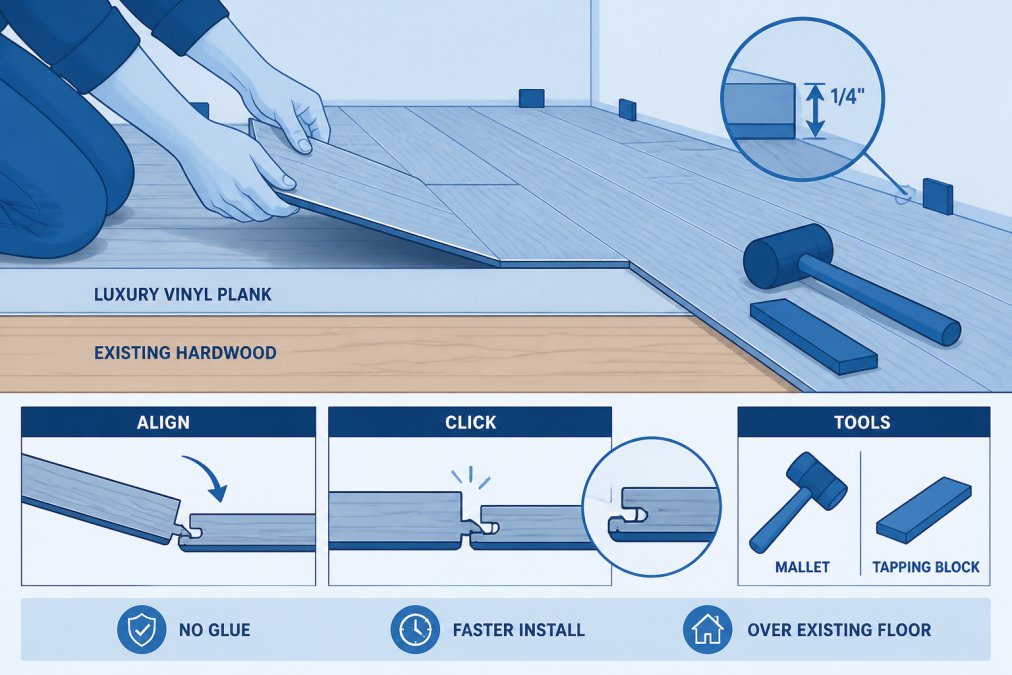
Peel-and-stick LVP is DIY-friendly but risky for hardwood. Adhesive can be difficult to remove, and it offers less moisture protection than glued or floating systems. For permanent installation, floating or glued systems are more reliable.
Laminate, Engineered Wood, and Carpet Tile Solutions
Laminate flooring is budget-friendly and mimics wood or stone. Mohawk RevWood Laminate Flooring offers authentic hardwood visuals with water-resistant technology and scratch resistance. Laminate is durable and easy to clean but cannot be refinished; damaged planks require replacement.
Engineered wood sits between laminate and solid hardwood, with real wood veneer over plywood. It's more stable than solid hardwood and less prone to cupping and warping. Engineered wood can be installed over existing hardwood and refinished once or twice, depending on veneer thickness.
Carpet tiles offer a modular approach. Flor Carpet Tiles allow customization and replacement of individual damaged tiles without replacing the entire floor. They're excellent for high-traffic areas, provide sound dampening, and are easy to clean. Plastic-based tiles can scratch hardwood if adhesive fails; rubber-based tiles can stain wood. A moisture barrier between hardwood and carpet tiles is essential.
| Overlay Option | Installation Time | Water Resistance | Refinishable | Best For | Maintenance |
|---|---|---|---|---|---|
| Luxury Vinyl Plank | 2-5 days | Excellent | No | Coastal homes, high traffic | Sweep and mop |
| Laminate | 2-5 days | Good | No | Kitchens, bathrooms | Sweep and damp mop |
| Engineered Wood | 3-7 days | Moderate | 1-2 times | Living areas, bedrooms | Sweep, avoid water |
| Carpet Tiles | 1-3 days | Fair | No | Commercial, high traffic | Vacuum, spot clean |
Evaluating Your Subfloor and Moisture Conditions
Before committing to any alternative to replacing old hardwood floors, understand what's beneath the surface. A damaged subfloor changes everything.
The subfloor is the structural layer beneath hardwood, typically plywood, oriented strand board (OSB), or concrete. If it's soft, rotted, or sagging, no surface repair will help. The floor will continue to move, crack, and fail.
Check for soft spots that feel spongy underfoot, visible sagging or dips, or musty smells indicating rot or mold. A moisture meter tells you if wood is retaining abnormal amounts of water, indicating active moisture intrusion or poor ventilation.
Moisture is hardwood's enemy, causing cupping, warping, and rot. Coastal properties are particularly vulnerable because salt air accelerates deterioration. Before refinishing or installing overlays, address the moisture source through improved drainage, vapor barriers, or better ventilation in crawl spaces.
If the subfloor is damaged, replacement is necessary. Patching a small section might cost $500-1,500. Full subfloor replacement in a 1,500-square-foot area could run significantly higher. At that point, replacing the hardwood itself becomes less of a factor.
Environmental Impact and Resale Value Considerations
Choosing to refinish or repair existing hardwood instead of replacing it has environmental benefits. Refinishing keeps existing wood in place, avoiding the energy and carbon emissions of harvesting, processing, and shipping new flooring.
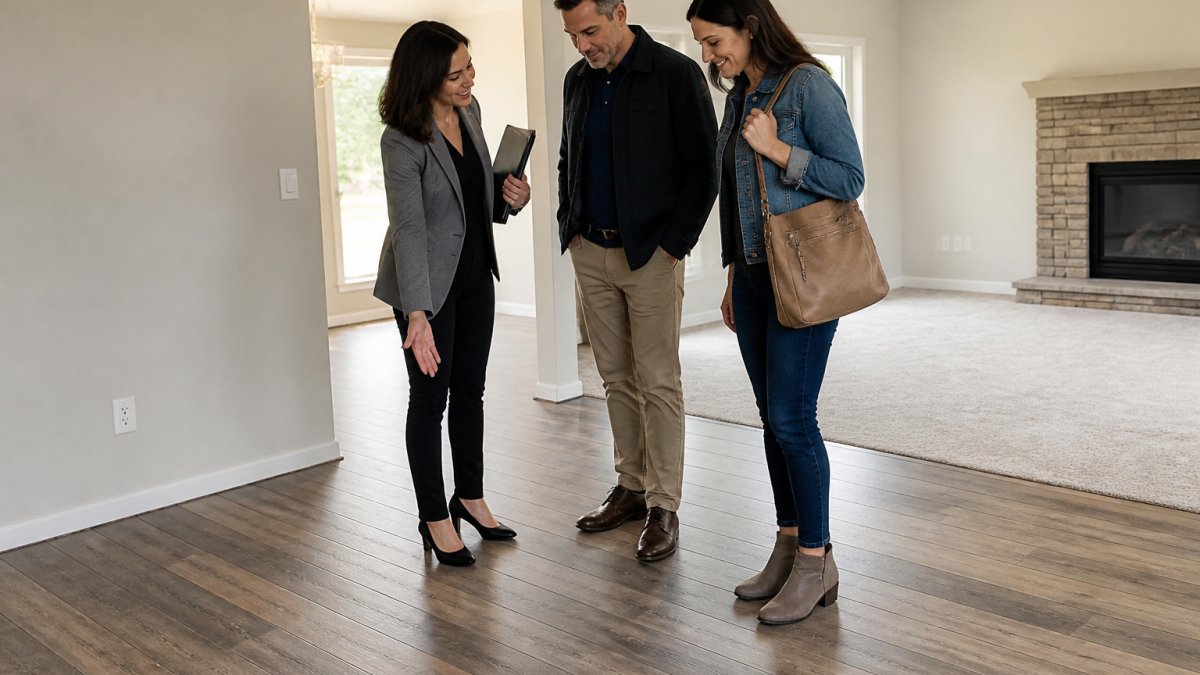
Original hardwood floors are a selling point. Buyers perceive them as authentic and valuable, especially in older homes where original details are rare. A well-maintained original hardwood floor with professional refinishing often appeals more than newer flooring.
However, if hardwood is severely damaged or water-stained, replacement with a high-quality alternative may increase resale value more than extensive repairs. Buyers want floors that look pristine and require no immediate attention.
The middle ground is often best: repair or refinish original hardwood where it's in good condition, and strategically replace sections beyond saving. This preserves authenticity while ensuring the floor looks well-maintained.
Maintenance Requirements for Each Alternative
Different flooring solutions require different care. Understanding maintenance demands helps you choose the right alternative for your lifestyle.
Refinished hardwood requires the most attention. Protect it from water, sand, and heavy traffic. In coastal homes, rinse off salt and sand regularly, use rugs in high-traffic areas, and maintain humidity between 30-50% to prevent cupping and gaps. Screen and recoat every 5-7 years; full refinishing might be needed every 10-15 years depending on traffic.
LVP requires minimal maintenance, sweeping and occasional damp mopping suffice. It's resistant to scratches and water, ideal for families with pets or children. The downside is that if water gets trapped underneath, it can't evaporate, leading to mold or wood rot in the hardwood below.
Laminate is similarly low-maintenance but less water-resistant than LVP. Spills should be wiped up quickly. Carpet tiles require regular vacuuming and occasional spot cleaning; individual tiles can be replaced if stained or damaged.
Engineered wood requires moderate care, similar to hardwood but slightly more forgiving. It's more stable in humid environments but still needs protection from excessive water. It can be refinished fewer times than solid hardwood, so maintenance decisions matter more.
For coastal properties, LVP or laminate with proper underlayment and moisture barriers typically require less maintenance than hardwood. The trade-off is authenticity and refinishing ability. For homeowners willing to maintain hardwood, refinishing and screening-and-recoating preserve original character while keeping the floor protected.
Choosing alternatives to replacing old hardwood floors comes down to honest assessment of what's salvageable and what fits your budget and lifestyle. If the subfloor is sound, damage is cosmetic or repairable, and you value authentic character, refinishing or targeted repairs make sense. If moisture is chronic or damage is extensive, overlay options like LVP or engineered wood provide durability and lower maintenance without full replacement disruption. At Hamptons carpet one floor and Home, we help homeowners evaluate these options by assessing actual floor condition and matching them with solutions that deliver both performance and value. Whether you're refinishing original hardwood, installing LVP over existing floors, or making strategic repairs, the goal is preserving what works while protecting your investment for years to come.
Frequently Asked Questions
Is it cheaper to refinish hardwood floors or replace them?
Refinishing typically costs significantly less than full replacement. Refinishing involves sanding away the worn surface layer, staining if desired, and applying a fresh finish like water-based polyurethane or Bona Traffic HD. This process restores the original wood without removing boards. Replacement requires removing all flooring, assessing the subfloor, and installing new material, which involves higher labor costs and material expenses. For coastal properties in Suffolk County prone to moisture exposure, refinishing with a durable finish can extend your floor's life by 10-15 years at a fraction of replacement cost.
Can you install luxury vinyl plank over existing hardwood floors?
Yes, you can install luxury vinyl plank (LVP) over hardwood, but proper preparation is critical. The existing hardwood must be clean, dry, and level. Any cupping, warping, or high spots must be addressed first, as LVP will mirror imperfections underneath. Underlayment is recommended to provide moisture protection and cushioning. Peel-and-stick LVP ($1.00-$2.20 per square foot) offers quick installation for renters, while glue-down or click-lock systems provide more permanent solutions. For beach homes, ensure the subfloor is dry before installation to prevent moisture trapping, which can damage the underlying hardwood.
What are the best hardwood floor repair techniques for scratches and damaged boards?
Minor scratches can be addressed with touch-up markers and filler sticks like the Weiman Wood Repair Kit ($53.92-$56.95), which blends colors to match your wood finish. For deeper damage or hollow spots in engineered wood, the SikaBond Engineered Wood Floor Repair Kit ($47.25-$62.99) injects adhesive to secure loose boards. For significant board damage, individual boards can be removed and replaced if they're nailed down, or the section can be patched. Cupping and warping often indicate moisture issues and may require subfloor assessment before repair. Screening and recoating ($1-$3 per square foot in labor) refreshes the surface without full refinishing.
What flooring should I put over old hardwood floors without removing them?
Several options work over existing hardwood: luxury vinyl plank offers durability and water resistance ($1.00-$2.20 per square foot); laminate like Mohawk RevWood ($1.99-$4.99 per square foot) provides scratch resistance; engineered wood ($5.99-$9.99 per square foot) offers real wood aesthetics with better stability; and carpet tiles like Flor ($10-$30 per tile) allow customization and easy replacement. All require a level, dry subfloor. For coastal homes, moisture-resistant options like LVP or laminate are preferable. Underlayment prevents moisture trapping and extends the life of both the overlay and underlying hardwood.
How do I know if my hardwood floors need replacement or if they can be restored?
Most hardwood floors can be restored unless structural damage is present. Signs that restoration works: surface scratches, dull finish, minor stains, or fading. Signs replacement may be necessary: deep gouges through the wear layer, severe cupping or warping from moisture damage, rot or mold, or boards that are beyond the nailing zone. A professional subfloor assessment can identify moisture issues, uneven joists, or rot that affects the underlying structure. For historic properties in Suffolk County, restoration often preserves original character and resale value better than replacement. Refinishing with quality finishes like Bona Traffic HD extends the life of solid hardwood by 10-15 years.
This article was written using GrandRanker