 Ultimate guide
Does New Flooring Increase Home Resale Price?
Table of Contents
- Does New Flooring Increase Home Resale Price? What the Numbers Show
- The Best Flooring for Resale Value by Material
- Hardwood vs Luxury Vinyl Plank Resale Value: Which Wins
- Cost of Flooring Installation per Square Foot and What You Get Back
- How Flooring Affects Home Appraisal and Buyer Offers
- Installation Quality, Subfloor Prep, and Coastal Durability
- Trends vs Timeless Choices: What Actually Sells
- Conclusion
- Frequently Asked Questions
Last Updated: October 21, 2026
Does New Flooring Increase Home Resale Price? What the Numbers Show
Does new flooring increase home resale price? Yes, but rarely by the full amount you spend. Industry return estimates range from roughly 50% to 80% of the stated project cost, according to HomeJobCosts' flooring ROI data, and the spread depends on material, room, and whether you install new or refinish what's already there.
That gap is the whole story. Sellers hear "flooring adds value" and picture a dollar-for-dollar bump. Buyers see worn carpet and mentally subtract. The honest answer sits between those two positions.
Below, we break down which materials actually pay back, where the cost-to-value ratio falls apart, and the installation details that decide whether your new floor reads as an upgrade or a red flag.
The Best Flooring for Resale Value by Material
The best flooring for resale value is hardwood, followed by engineered wood and refinishing an existing hardwood floor. Luxury vinyl plank and tile perform well in wet rooms, laminate lands mid-pack, and carpet replacement helps mainly when the old carpet is visibly worn.
Return estimates vary widely by source. McMillan Floors' 2026 flooring analysis puts new hardwood installation at 70% to 80% ROI, while OpenDoor's hardwood value guide cites figures well above 100% for both new installation and refinishing. Those numbers don't reconcile cleanly, which tells you something useful: nobody is measuring the same thing.
Hardwood, Engineered Wood, and Refinishing
Solid hardwood is the material buyers recognize and appraisers can comp. Engineered wood delivers the same surface appearance with better dimensional stability, which matters in older homes where the subfloor moves. Refinishing existing hardwood is usually the strongest cost-to-value ratio of any flooring project, because you're restoring a surface that's already there.
The catch: refinishing only works if you have enough wear layer left. Sand too thin and you expose the tongue-and-groove.
Luxury Vinyl Plank, Laminate, Tile, and Carpet
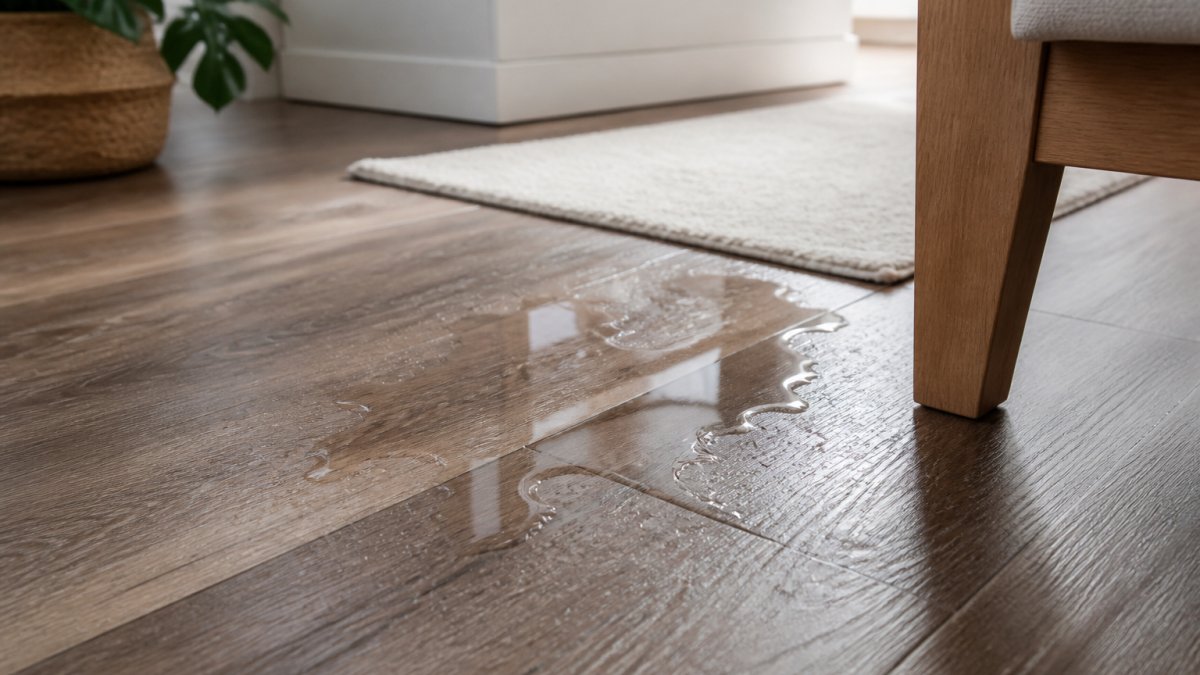
Luxury vinyl plank has become the default recommendation for basements, rentals, and beach properties. It handles moisture, resists scratches and dents, and looks convincingly like wood. Laminate costs less but swells when water gets into the seams, which is a real risk in coastal homes. Tile is the right call for bathrooms and mudrooms. Carpet replacement is a marketability play, not a value play.
| Material | Relative Cost | Resale Strength | Best Rooms | Watch Out For |
|---|---|---|---|---|
| Solid hardwood | Highest | Strongest | Living, dining, stairs | Moisture, sanding limits |
| Engineered wood | High | Strong | Main living areas | Thin wear layers |
| Refinished hardwood | Moderate | Strongest per dollar | Any existing hardwood | Insufficient wear layer |
| Luxury vinyl plank | Moderate | Good | Basement, kitchen, beach homes | Cheap grades dent |
| Laminate | Low | Fair | Bedrooms, low-traffic areas | Water at seams |
| Tile | Moderate to high | Good in wet rooms | Bath, mudroom, entry | Cold, hard underfoot |
| Carpet | Low | Fair | Bedrooms, stairs | Wear, sand, allergens |
Hardwood vs Luxury Vinyl Plank Resale Value: Which Wins
Hardwood wins on resale value. Luxury vinyl plank wins on durability per dollar. That's the honest split, and the right choice depends on whether you're selling in the next two years or living there for ten.
Hardwood commands a premium because buyers recognize it and appraisers can adjust for it in comparable sales. LVP doesn't carry that same appraisal weight, but it survives sand, salt air, and a wet dog in a way hardwood never will.
Our rule of thumb: hardwood in main living areas of a home you plan to sell, LVP anywhere moisture is a factor. If you're torn, put the money into the rooms buyers see first.
Cost of Flooring Installation per Square Foot and What You Get Back
The cost of flooring installation per square foot depends on material, subfloor condition, and room complexity. National cost-guide publishers put the installed range for common materials at roughly the following, and these figures are the starting point for any return calculation:
| Material | Typical Installed Cost per Sq Ft | Typical Resale Recovery | Best Rooms | Watch Out For |
|---|---|---|---|---|
| Solid hardwood | $8-$15 | 70%-80% of cost | Living, dining, stairs | Moisture, sanding limits |
| Engineered wood | $6-$12 | 60%-75% of cost | Main living areas | Thin wear layers |
| Refinished hardwood | $3-$6 | 80%-100% of cost | Any existing hardwood | Insufficient wear layer |
| Luxury vinyl plank | $3-$7 | 50%-70% of cost | Basement, kitchen, beach homes | Cheap grades dent |
| Laminate | $2-$5 | 40%-60% of cost | Bedrooms, low-traffic areas | Water at seams |
| Tile | $5-$12 | 50%-70% of cost | Bath, mudroom, entry | Cold, hard underfoot |
| Carpet | $2-$5 | 30%-50% of cost | Bedrooms, stairs | Wear, sand, allergens |
Those ranges are broad on purpose. A straightforward bedroom and a stairway with three landings are not the same job, and a subfloor that needs leveling can add several dollars per square foot before a single plank goes down.
To turn those ranges into a decision, run the math on your own project. Multiply square footage by the installed rate to get total cost, then multiply that total by the low and high ends of the recovery range. The result is your realistic net cost of selling. A project that recovers most of its cost is cheap marketing.
Three things move the number more than material choice:
- Subfloor prep. Uneven or damaged subfloor adds labor. Skipping prep saves money now and costs you later in squeaks, gaps, and callbacks.
- Room count and transitions. Every doorway, closet, and stair adds cutting and finishing time.
- Removal and disposal. Tearing out old flooring, especially tile or glued carpet, is real labor.
Ask for a quote that separates materials, labor, prep, and disposal. If a quote is one lump sum, you can't tell which line is inflating.
How Flooring Affects Home Appraisal and Buyer Offers
Flooring affects an appraisal through condition and comparability, not through a line item. Appraisers don't add a set amount for new floors; they adjust your home against comparable sales, and flooring influences whether your home lands at the top or bottom of that range.
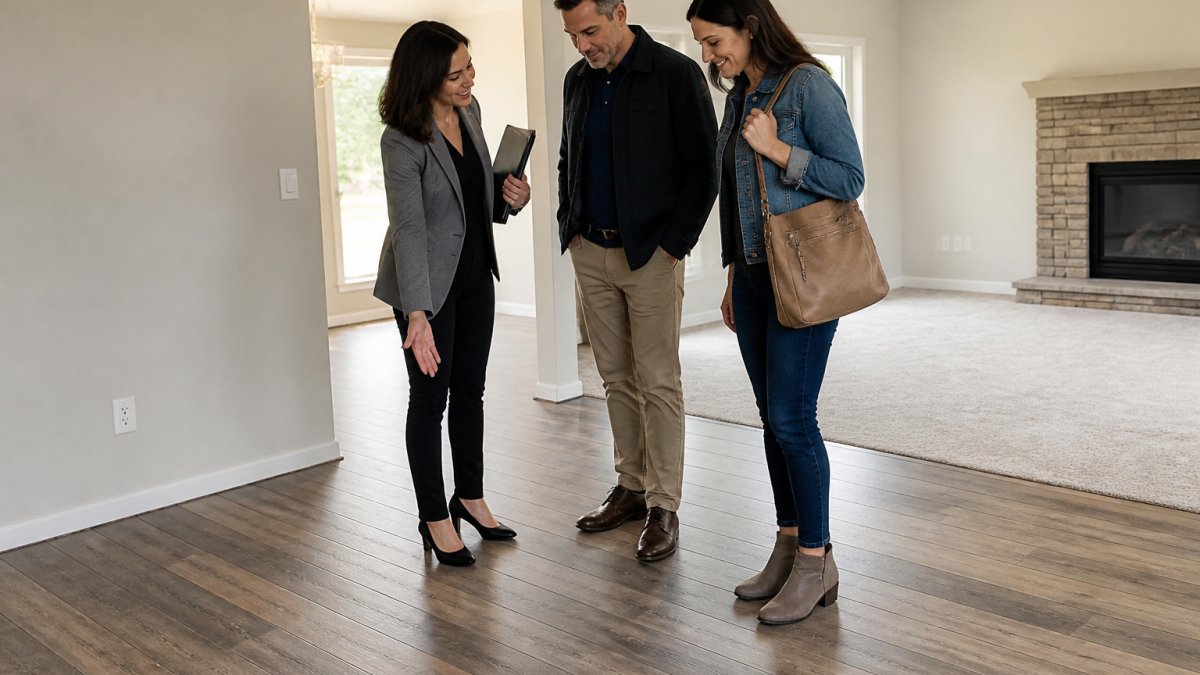
Where flooring hits hardest is in buyer perception. A buyer walking into worn, dated flooring sees a project and discounts their offer by more than the floor costs. A discussion among homeowners on r/HomeImprovement makes the same point: replacing old flooring often prevents a markdown rather than adding to the price.
Neutral choices matter here. Bold patterns and strong colors narrow your buyer pool. A neutral color palette in a mid-grade material reads as "move-in ready" to almost everyone, and move-in ready is what shortens days on market.
Installation Quality, Subfloor Prep, and Coastal Durability
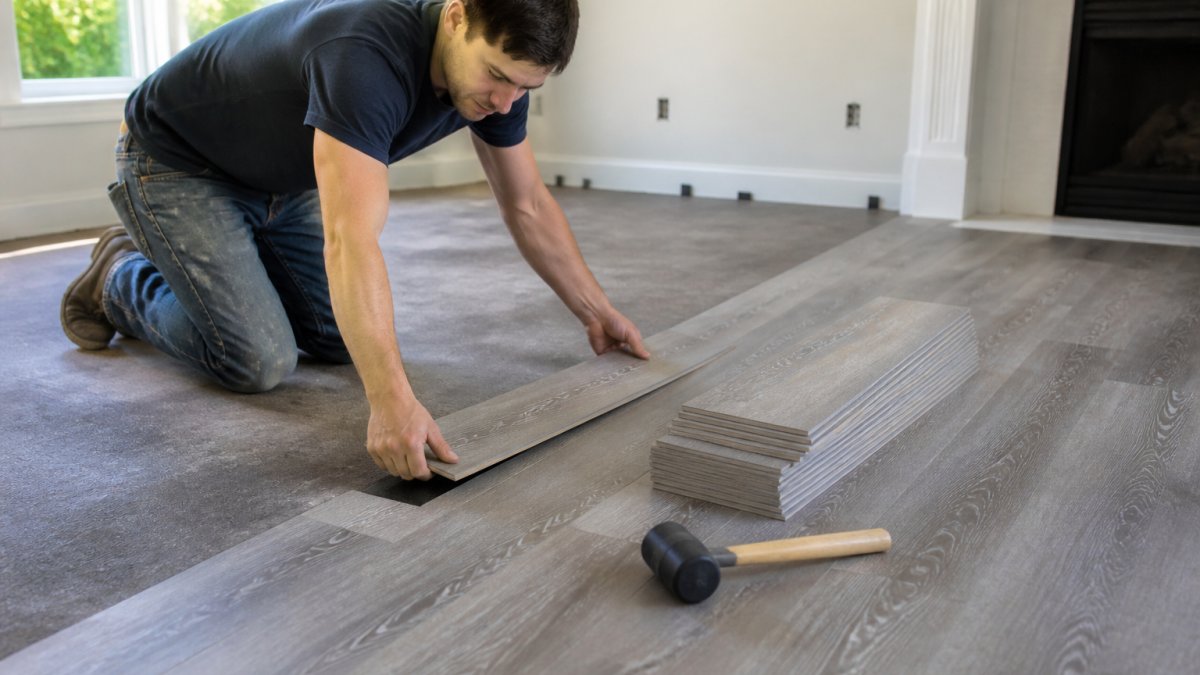
Installation quality is the most under-covered variable in flooring ROI, and it's the one that most often turns a value-adding project into a loss.
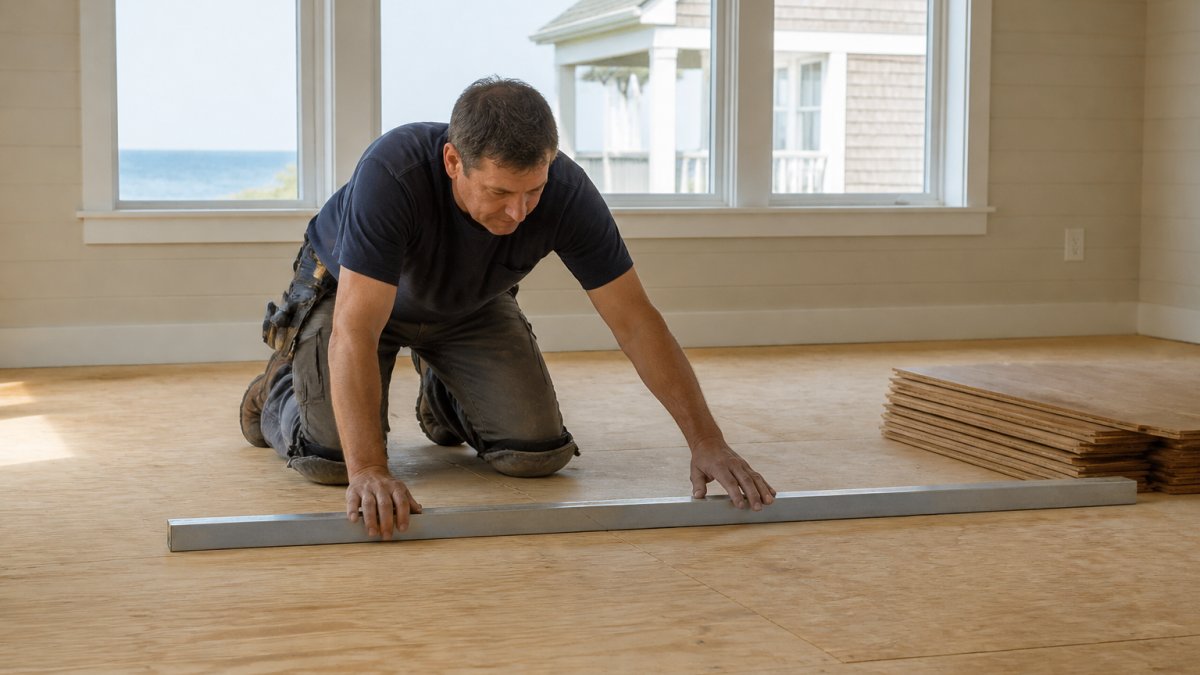
Here is the mechanism, because it's what sellers miss. Flooring failures that show up within the first two years almost always trace back to one of four install decisions:
- Skipped subfloor prep. Grinding or leveling adds cost upfront, but installing over an uneven subfloor voids most manufacturer warranties and produces squeaks, gaps, and premature wear. A floor that fails in year two recovers nothing, it becomes a deduction.
- No on-site acclimation. Wood and engineered products need to sit in the room where they'll be installed long enough to reach equilibrium with the indoor humidity. Install straight off the truck and the planks gap or cup as they move.
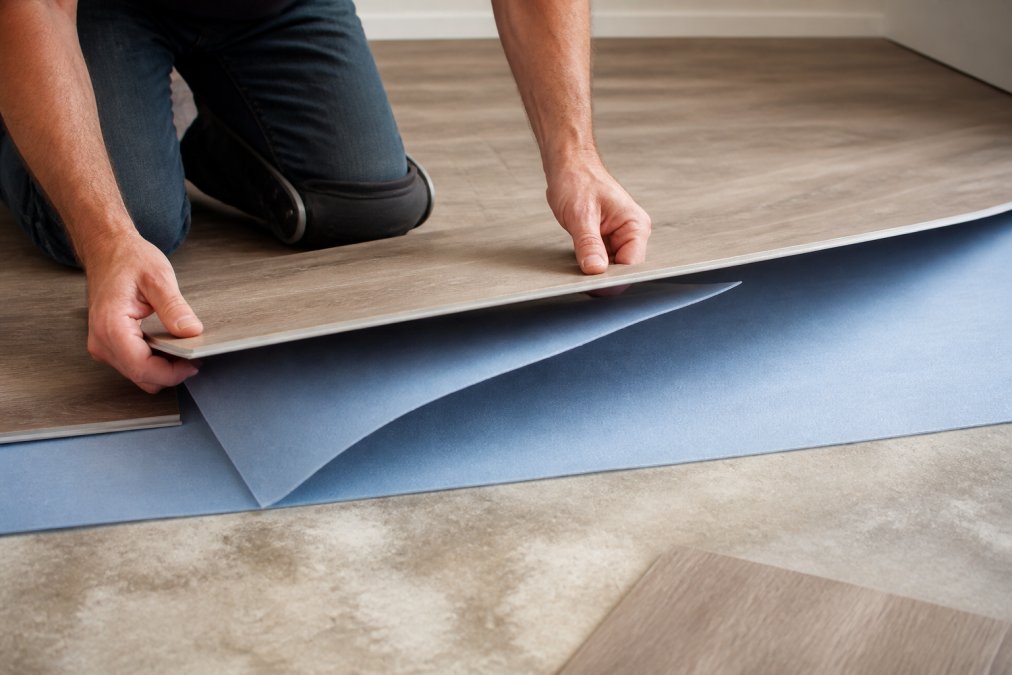
- Wrong underlayment or vapor barrier. In a basement or over a crawl space, the barrier decides whether moisture reaches the floor from below. Get it wrong and the floor fails from the bottom up.
- Rushed transitions and stairs. Doorways, closets, and stair nosings are where amateur installs show first. Buyers notice a gap at a doorway faster than they notice the plank pattern.
Coastal properties add two variables inland homes don't face: humidity swings and sand. Humidity causes wood to expand and contract, so acclimating material on site before installation isn't optional.
Older and historic homes bring their own complications. Uneven floors, original hardwood underneath, and out-of-square rooms all require judgment calls during installation. A common mistake is hiring on price and discovering mid-project that the crew doesn't handle subfloor repair.
Vetting the crew is the cheapest insurance you can buy. Ask three questions before signing: Does the quote include subfloor prep and leveling, or is that a change order? Will the material acclimate on site, and for how long?
Trends vs Timeless Choices: What Actually Sells
Trends sell magazines. Timeless choices sell houses. Forbes' 2026 flooring trend coverage highlights patterned hardwoods and warm, toasty palettes as current directions, and those look striking in photographs.
They also date. A pattern that's everywhere this year signals a renovation year to a buyer five years from now. If you're selling soon, neutral and timeless wins every time. If you're staying put and want the pattern, install it and enjoy it, just don't count on it returning a premium.
Sustainability is the other angle worth knowing. Buyers increasingly ask about material sourcing and indoor air quality, and flooring with low-emission certifications answers that question before it's asked. It won't move your appraisal, but it can move a hesitant buyer.
Conclusion
The flooring decision that costs sellers the most isn't which material they pick. It's skipping the conversation about condition, subfloor, and buyer expectations until after the quote.
Hamptons carpet one floor and Home works with homeowners, contractors, and business owners across the region, offering floor covering solutions from moisture-resistant options for coastal properties to careful installation in older homes with uneven floors. Get started with Hamptons carpet one floor and Home and price your project.
Frequently Asked Questions
Does installing new flooring significantly improve home resale value?
It can, but the effect varies by material and condition. HomeJobCosts reports that new flooring recovers roughly 50% to 80% of a $900 to $8,000 project at resale. McMillan Floors cites 70% to 80% ROI for new hardwood, while OpenDoor reports about 118% for new hardwood and 147% for refinishing. Treat these as directional, not guaranteed. In practice, replacing worn flooring often protects your price from a buyer deduction as much as it adds a premium, so the flooring resale outcome depends on what was there before.
Is luxury vinyl plank a good choice for increasing home value?
Luxury vinyl plank is a practical pick when moisture resistance and durability matter, which fits coastal and high-traffic homes. It will not usually command the same premium as real hardwood, and the hardwood vs luxury vinyl plank resale value gap is real: hardwood tends to attract buyers willing to pay more, while LVP mainly keeps a home from looking dated. If your subfloor is uneven or your budget is tight, LVP installed correctly can still support a strong flooring resale result by removing a visible objection before showings.
Should I refinish existing hardwood or replace it before listing?
Refinish when the wood is structurally sound and thick enough to sand. OpenDoor reports roughly 147% ROI for refinishing versus about 118% for new hardwood installation, and HomeJobCosts puts refinishing at $1,000 to $4,000, well below full replacement. Replacement makes more sense when boards are cupped, water-damaged, or too thin to sand again. Have a contractor check subfloor condition first, because hidden issues are the most common reason a refinishing quote turns into a replacement quote.
How much does flooring installation cost per square foot, and does it pay back?
The cost of flooring installation per square foot depends on material, subfloor prep, and room layout, so ask for a written itemized quote rather than a single number. HomeJobCosts reports total project costs of $900 to $8,000 depending on scope. Payback is partial, not full: expect to recover roughly half to most of the spend at resale. Spend where buyers notice first, such as main living areas and entryways, and skip premium materials in rooms where they will not move the sale price.