 Comparison
Alternatives to Traditional Hardwood Flooring for Coastal Homes
Last Updated: November 5, 2026
Quick Summary
The main alternatives to traditional hardwood flooring for coastal homes are luxury vinyl plank, wood-look porcelain tile, laminate, engineered hardwood, bamboo and cork, each suited to different rooms and moisture levels. Luxury vinyl plank and wood-look tile resist moisture best, making them strong choices for entryways, kitchens and bathrooms in a beach house.
- Luxury vinyl plank resists moisture and suits entryways, kitchens and areas exposed to sand.
- Wood-look porcelain tile handles moisture well but grout lines need sealing or regular cleaning.
- Laminate is generally less tolerant of standing water, so it needs prompt cleanup.
- Wear layer thickness in mils is a key durability measure for luxury vinyl plank.
- Choose flooring room by room, weighing humidity, sand exposure and unoccupied periods.
Table of Contents
- Why Homeowners Are Looking Beyond Traditional Hardwood
- Luxury Vinyl Plank (LVP) Flooring: Wood Look and Moisture Resistance
- Laminate and Wood-Look Tile: Budget-Friendly Options That Look Like Wood
- The Most Durable Flooring That Looks Like Wood
- Natural Alternatives to Traditional Hardwood Flooring
- Coastal Homes, Sand and Salt Air: Choosing Flooring Room by Room
- Scheduling a Flooring Consultation in Southampton
- Frequently Asked Questions
Most South Fork homeowners assume hardwood is the only real floor choice, until the first summer of sand, salt air and wet shoes, when the boards start to cup. Hardwood is still beautiful, but it is not the only option worth considering for a coastal home. This guide walks through the main alternatives to traditional hardwood flooring so you can match a material to how your home is actually used.
Why Homeowners Are Looking Beyond Traditional Hardwood
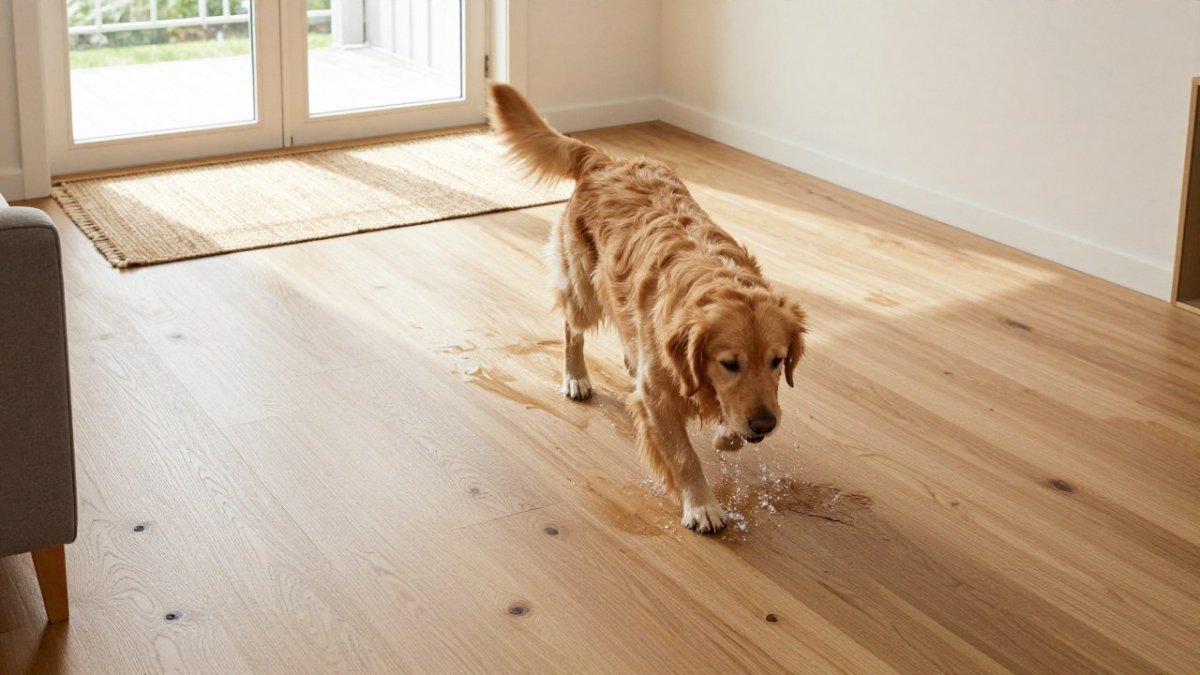
Real hardwood remains a strong choice. Yet coastal living puts unusual stress on any floor, and that is where the case for alternatives starts.
Lower-cost hard-surface options are getting better.
The practical question is not whether hardwood is good, but whether it is the right material for each room in your house.
Luxury Vinyl Plank (LVP) Flooring: Wood Look and Moisture Resistance
Luxury vinyl plank is the option most often considered as a direct stand-in for hardwood. It is designed to reproduce a wood appearance.
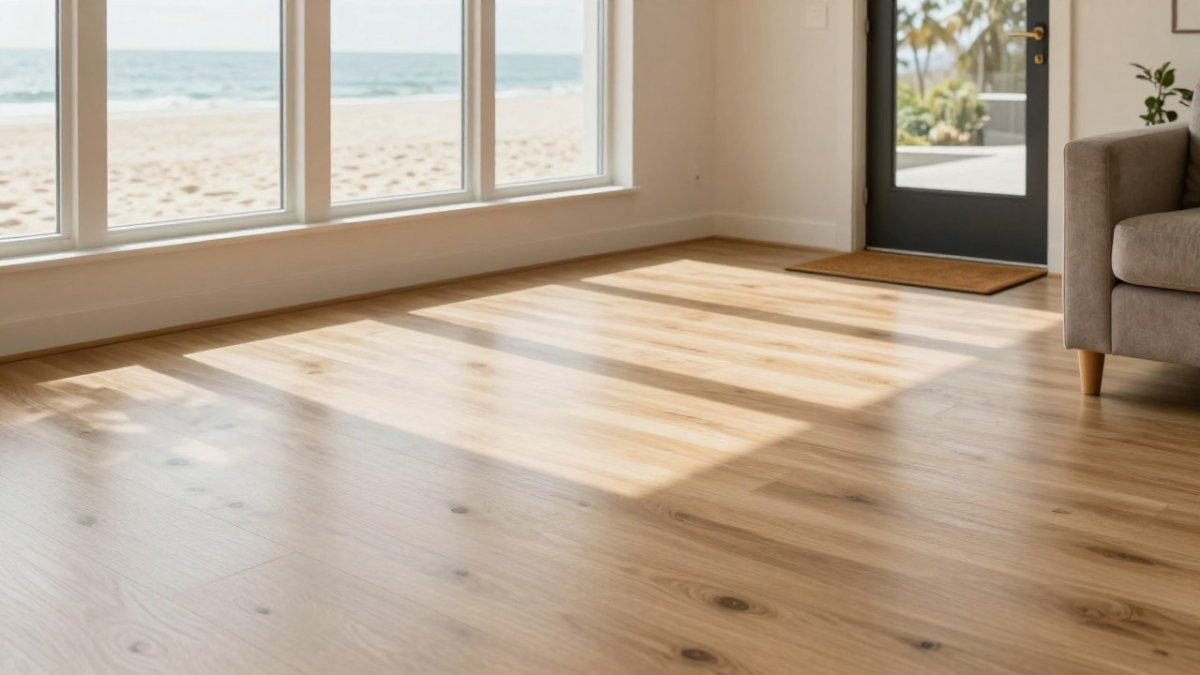
For coastal homes, the appeal is straightforward. LVP is synthetic, so it does not swell or cup the way solid wood can when humidity rises, making it a practical candidate for entryways, kitchens and areas exposed to sand and moisture. The trade-off: it can feel less substantial underfoot, and appearance depends heavily on the quality of the printed surface layer. Compare samples in daylight before you commit.
Pricing for LVP depends on quantity, the product line and the installation method, so request a written quote from Hamptons Carpet One Floor and Home for current prices.
Laminate and Wood-Look Tile: Budget-Friendly Options That Look Like Wood
Laminate and wood-look tile both belong in the budget conversation, and the comparison usually comes down to where each performs best.
Laminate uses a photographic layer under a protective wear surface. It can look convincing and installs as a floating floor in many rooms, but it is generally less tolerant of standing water, so it needs prompt cleanup in a beach house where wet feet and spilled drinks are routine.
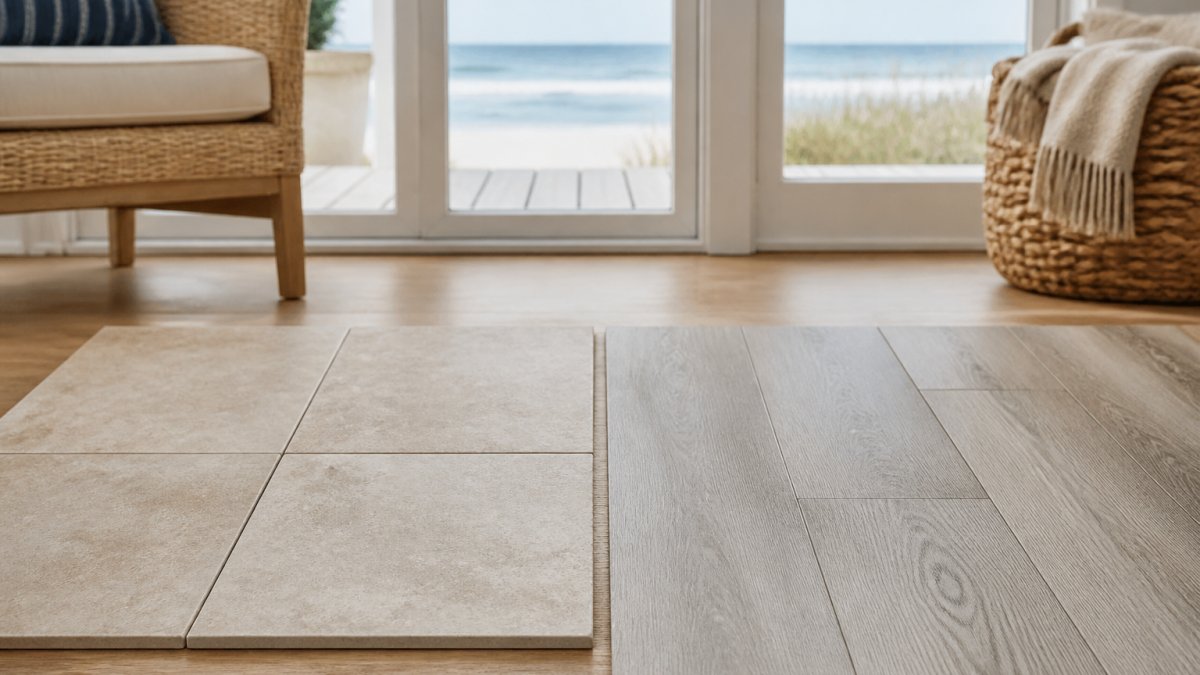
Wood-look tile is porcelain or ceramic designed to resemble planks. It handles moisture well and suits high-traffic zones and ground-floor spaces, but it is harder and colder underfoot, and grout lines need attention. Many homeowners pair tile in kitchens and bathrooms with a softer floor in living areas.
The Most Durable Flooring That Looks Like Wood
Durability is where the alternatives separate most clearly. In a Southampton home, durability means the surface holds up to tracked-in sand, the core holds up to summer humidity and winter dry heat, and a single damaged plank can be dealt with without tearing out the room.
Here is how the main wood-look options compare on common specifications that affect lifespan.
Engineered hardwood. This is a genuine hardwood top layer, often called the wear layer or veneer, bonded over plywood or high-density fiberboard core layers.
Luxury vinyl plank (LVP). Durability here is largely a function of the wear layer, measured in mils (thousandths of an inch). A thicker wear layer resists abrasion from sand and grit and holds its printed pattern longer.
Wood-look porcelain tile. Tile is the most scratch- and moisture-resistant wood-look surface in this group. Porcelain is fired at high temperature, so it does not swell, cup or delaminate when wet, and it can be used in mudrooms, kitchens, bathrooms and ground-level spaces with confidence.
Laminate. Modern laminate uses a photographic layer under a melamine or resin wear surface and a moisture-resistant core.
Bamboo. Strand-woven bamboo can be harder than many domestic hardwoods on a Janka-scale comparison, but hardness is not moisture resistance. Bamboo still responds to humidity swings, and in a coastal home left unoccupied for weeks, that movement can show up as gapping or cupping. It suits dry interior rooms better than entryways and kitchens.
Cork. Cork is warm and quiet underfoot, but it dents and scratches more readily than the hard surfaces above and needs a finish that can be refreshed. It is a bedroom and den material, not a mudroom material.
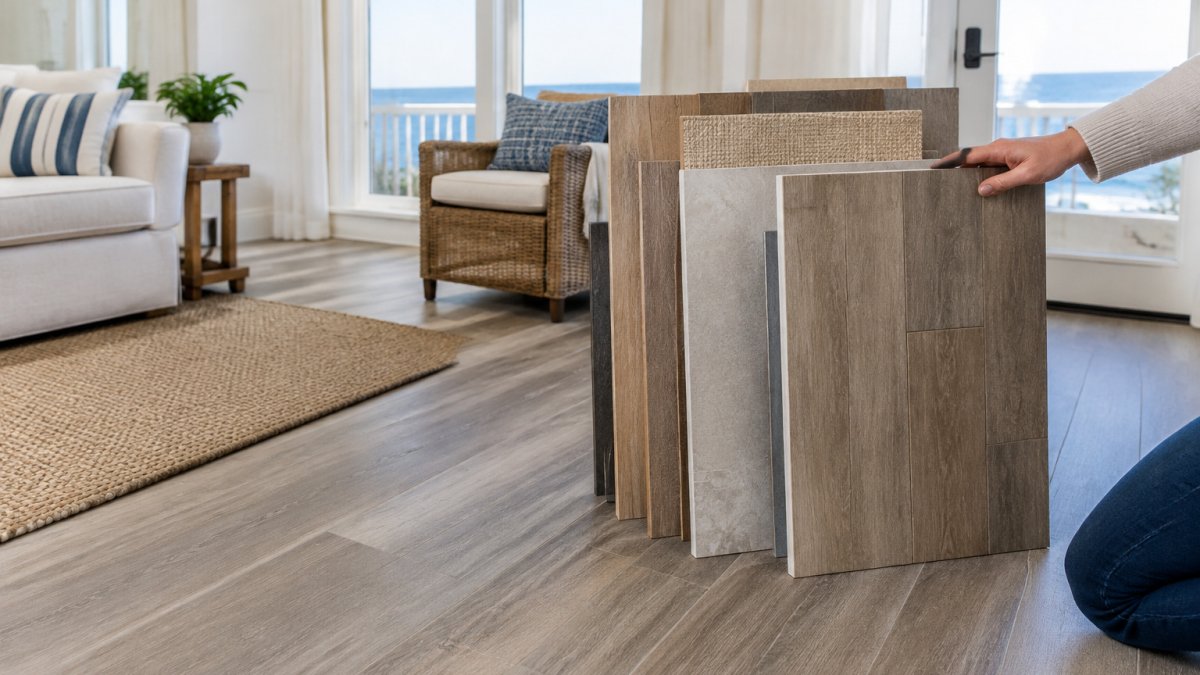
Two specifications tell you more about lifespan than the photo on the sample board: wear layer thickness (mils for LVP, veneer thickness for engineered hardwood) and the manufacturer's residential warranty terms, including exclusions. A warranty that excludes moisture damage tells you something about how the product should be used.
A common pattern in coastal homes is a floor that fails at the seams or edges rather than in the field of the plank.
A single material is rarely the right choice for every room. The most durable overall result usually comes from matching the floor to the traffic and moisture level of each space, and from budgeting for repair and eventual replacement rather than only the purchase price.
The article compares the main wood-look options on the durability specifications that matter most for lifespan.
| Material | Key durability factor | Main weak point |
|---|---|---|
| Engineered hardwood | Veneer thickness; cross-layered core | Not waterproof; standing water damages veneer |
| Luxury vinyl plank | Wear layer thickness in mils | Single planks need an installer to replace |
| Wood-look porcelain tile | Fired at high temperature; no swelling | Grout lines; edges chip under dropped objects |
| Laminate | Scratch-resistant wear surface | Swollen core cannot be repaired |
| Bamboo | Hardness, not moisture resistance | Gapping or cupping after humidity swings |
| Cork | Warm and quiet underfoot | Dents and scratches more readily |
Natural Alternatives to Traditional Hardwood Flooring
Some buyers want a natural material rather than a synthetic one. Bamboo and cork are the common choices. Bamboo is harder than many hardwoods and offers a similar grain, but it still responds to moisture, so it suits dry interior rooms better than a beach house with constant humidity. Cork offers warmth and softness underfoot and works well in bedrooms, though it dents more easily than other options.
Natural materials often have a higher upfront cost and a more specific care routine.
Coastal Homes, Sand and Salt Air: Choosing Flooring Room by Room
The right choice is seldom one material across the whole house, and in a Southampton home the room-by-room logic is shaped by three local conditions national flooring guides rarely address: coastal humidity that swings with the seasons, sand and salt tracked in from the beach, and the weeks or months when a seasonal home sits unoccupied with the HVAC set back.
How those conditions affect each material. Humidity swings cause solid and engineered wood to move; the cross-layered core of engineered hardwood reduces but does not eliminate that movement. Sand and salt act like abrasive grit underfoot, so wear layer thickness matters more here than inland.
Room-by-room starting framework:
- Entryways and mudrooms: Wood-look porcelain tile or an LVP with a wear layer in the 12- to 20-mil range. These spaces take the first hit of sand and wet shoes, and both materials tolerate moisture. A mat system at the door reduces grit tracking and extends the life of any floor.
- Kitchens: Wood-look tile or waterproof-rated LVP. Spills and frequent mopping are routine, and laminate is the weakest choice here because a swollen core usually cannot be repaired.
- Bathrooms and powder rooms: Porcelain tile is the default. If LVP is used, confirm the manufacturer rates it for wet areas and follow the installation instructions on sealing seams and perimeter gaps.
- Living rooms and bedrooms: Engineered hardwood, LVP, or cork, depending on how much warmth and real-wood surface you want. These rooms see less water and more comfort demand.
- Basements and ground-level rooms: Tile or LVP, but only after confirming the slab or subfloor is dry. Below-grade spaces in coastal homes can wick moisture, and no floor covering fixes a wet subfloor.
- Seasonal or unoccupied homes: Favor LVP or tile in the rooms that will sit closed up, and plan for humidity control, a dehumidifier or a thermostat that maintains reasonable indoor humidity, regardless of the floor chosen.
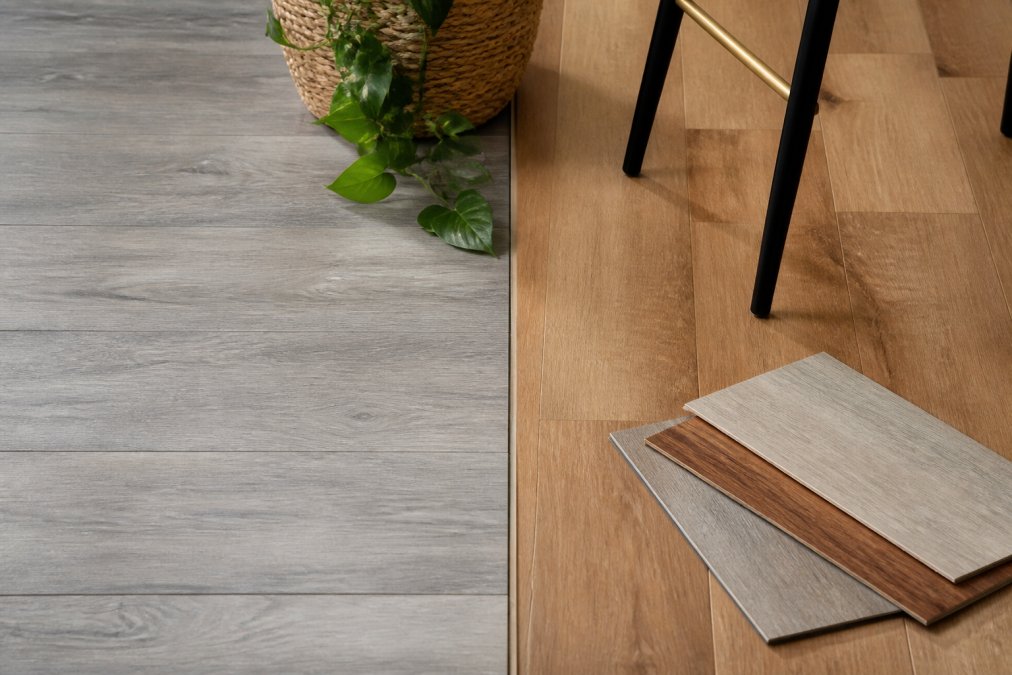
Installation and subfloor compatibility. Installation matters as much as the product. Existing floor removal, subfloor flatness (most manufacturers specify a tolerance over a given span) and moisture testing of concrete slabs are steps that should be priced before you commit. Transitions between materials, say, tile in the kitchen meeting LVP in the living room, need transition strips or reducers, adding cost and visual detail.
Installed and lifetime cost, not just purchase price. The number on the sample tag is the least useful figure in this decision. A more honest comparison includes material, subfloor preparation, underlayment, labor, transitions, and the cost of repairs and eventual replacement over the floor's service life.
Repairability and lifespan. Porcelain tile can be replaced tile by tile, though dye-lot matching matters. LVP planks can usually be cut out and replaced, but the job is best done by an installer. Engineered hardwood with a thick veneer can sometimes be refinished; thin veneers cannot. Laminate and bamboo are the least repairable once moisture reaches the core. Knowing which of these paths applies to your chosen product is part of choosing it.
Questions to ask a Southampton-area installer. Ask how they test subfloor moisture, what flatness tolerance they work to, whether they will remove and dispose of the existing floor, how they handle transitions between rooms, whether the product is rated for radiant heat, and what the manufacturer's warranty excludes. A written quote that answers those questions is more useful than a per-square-foot price alone.
If you are weighing these options for a home in Southampton or elsewhere on the South Fork, the most useful next step is a conversation about your specific rooms, traffic patterns and moisture exposure. Hamptons carpet one floor and Home can review sample options with you in person, discuss installation requirements for your subfloor, and provide a written quote.
Scheduling a Flooring Consultation in Southampton
If you are weighing these options for a home in Southampton or elsewhere on the South Fork, the most useful next step is a conversation about your specific rooms, traffic patterns and moisture exposure. Hamptons carpet one floor and Home can review sample options with you in person, discuss installation requirements for your subfloor, and provide a written quote. Pricing depends on quantity, the product selected and the scope of work, so we will give you an exact figure rather than an estimate. Visit our website to request a consultation and see current product options.
Frequently Asked Questions
What are some good alternatives to traditional hardwood floors?
Common alternatives include luxury vinyl plank (LVP), laminate, wood-look porcelain tile and engineered hardwood. Each offers a wood-like appearance with different tradeoffs in moisture resistance, cost and repairability. For coastal homes in Southampton, LVP and wood-look tile are often considered first because they handle humidity and sand better than solid wood. Pricing depends on quantity, product selection and installation details, so contact Hamptons Carpet One Floor and Home for a current quote.
Which hardwood flooring alternative is the most durable?
Durability depends on the product and the room. Wood-look porcelain tile is highly resistant to scratches, moisture and wear, while quality LVP with a thick wear layer also performs well in high-traffic areas. Laminate is durable but can swell if water sits on it, which makes it a weaker choice for bathrooms or beach-front entries. Ask for the wear layer thickness and warranty details before deciding.
Is luxury vinyl plank or laminate a better alternative to hardwood?
LVP is generally the better choice for moisture-prone spaces because it is waterproof at the plank level, while laminate's core can absorb water. Laminate may suit dry interior rooms where a lower upfront price matters more than water performance. Both can mimic hardwood grain convincingly. For a sandy, humid home, LVP is usually the safer pick.
What are the most affordable alternatives to hardwood floors?
Laminate and LVP are typically among the lower-cost wood-look options, while wood-look tile and engineered hardwood tend to cost more. Actual prices vary by product, square footage, subfloor condition and installation method, so no single figure applies to every home. Request an itemized quote that lists subfloor preparation separately to avoid surprise charges later.