 blog
Best Carpet for High Traffic: A 2026 Durability Guide
Table of Contents
- Why Nylon Is the Industry Standard for High-Traffic Carpet
- Best Carpet Fibers for High Traffic: Comparing Your Options
- Nylon Carpet Durability: Why It Outperforms in Heavy Use
- Low-Pile Carpet Benefits for High-Traffic Areas
- Carpet Density for Durability: Understanding Face Weight and Twist Level
- Pet-Friendly Carpet for High Traffic: Stain Resistance and Odor Control
- Carpet Selection for Stairs, Hallways, and Traffic Lanes
- Maintenance and Installation: Protecting Your Investment
Last Updated: July 30, 2026
When choosing carpet for high traffic, fiber type, pile construction, and density determine whether it lasts five years or fifteen. This guide cuts through the noise and shows you exactly which specifications hold up under real-world conditions, whether you're protecting a busy household with kids and pets, maintaining a commercial storefront, or dealing with the unique challenges of a beach property.
Why Nylon Is the Industry Standard for High-Traffic Carpet
Nylon dominates the high-traffic carpet market because it bounces back. When foot traffic crushes nylon fibers, they spring back to their original shape rather than staying flattened. According to Mohawk Flooring's durability research, nylon carpet can withstand three times more foot traffic than polyester alternatives before showing visible wear patterns.
Textured nylon is often the better choice for high-traffic areas because the irregular surface naturally conceals traffic lanes and dirt. The crimp also increases the fiber's ability to recover from compression.
The main drawback of nylon is cost, but the long-term durability makes it a better investment if you're planning to stay in your home for more than five years.
Best Carpet Fibers for High Traffic: Comparing Your Options
Nylon Fiber Construction and Resilience
Nylon's strength comes from its chemical structure. Each fiber is a long-chain polymer that can flex and recover thousands of times before degrading. The resilience rating of nylon is typically 9-10 on a scale of 1-10, meaning the fiber returns to 90-100% of its original height after compression. Polyester scores 5-7, and olefin scores 3-5.
In practical terms, a hallway with nylon carpet might show light traffic lanes after three years of heavy use, while the same hallway with polyester might show them after eighteen months.
Triexta (SmartStrand) for Softness and Stain Protection
Triexta combines softness with durability and gains traction in the high-traffic market. The real differentiator is built-in stain protection baked into the fiber itself, meaning spills don't soak into the fiber structure. This protection lasts the life of the carpet and is particularly valuable in homes with children and pets.
Triexta also has zero moisture absorption, a significant advantage in coastal environments. While nylon can absorb moisture and develop odors, triexta fiber remains dry and odor-resistant. The trade-off is that triexta doesn't quite match nylon's long-term resilience in extremely high-traffic areas like stairs and hallways.
Recycled Polyester: Eco-Friendly High-Traffic Options
Recycled polyester (often made from post-consumer plastic bottles) offers a responsible alternative. Mohawk EverStrand, made from 100% recycled content, performs better than virgin polyester in high-traffic settings because the manufacturing process optimizes fiber structure for durability.
Wool Carpet for Natural Durability
Wool is the gold standard for luxury and natural durability, lasting 20-30 years with proper care. The fiber's natural crimp structure means it bounces back from compression almost as well as nylon, and it naturally resists mold, mildew, and dust mites.
The significant disadvantages are cost (roughly double quality nylon) and maintenance requirements. Wool is also susceptible to shrinkage if not properly installed and can fade with prolonged direct sunlight exposure.
Nylon Carpet Durability: Why It Outperforms in Heavy Use
Nylon performs consistently under extreme conditions because it maintains structural integrity under repeated compression. Most quality nylon carpet maintains 80% of its original appearance after five years of heavy residential use.
A nylon carpet with a face weight of 50-60 ounces per square yard will outperform a lighter nylon carpet at 35-40 ounces. Face weight measures the amount of fiber per unit area; higher weight means more fiber to compress before the backing becomes visible.
Low-Pile Carpet Benefits for High-Traffic Areas
Low-pile carpet, typically 1/4 inch to 1/2 inch, is the default choice for high-traffic zones. Shorter fibers have less distance to compress, so they resist matting and crushing more effectively. Low-pile naturally hides footprints and traffic patterns because compressed areas are less noticeable against surrounding pile.
Low-pile carpet is also easier to clean and maintain. Dirt sits on top of the pile rather than working down into deeper fiber, so vacuuming is more effective. The trade-off is comfort, low-pile doesn't feel as plush as high-pile alternatives.
Berber Loop Pile vs. Cut Pile: Which Resists Wear Better
Berber loop pile is exceptionally durable for high-traffic applications. The looped construction means fibers are anchored at both ends, making them nearly impossible to pull or snag. Berber naturally resists matting because the loop structure doesn't compress the same way cut pile does.
Cut pile offers more design flexibility and typically feels softer, but fibers can compress more noticeably and show traffic lanes more clearly. Frieze or textured cut pile provides a middle ground, offering durability benefits while maintaining design flexibility and softness.
For stairs specifically, berber loop pile is superior. The looped structure resists concentrated wear, and the dense weave prevents fibers from fraying at edges.
Carpet Density for Durability: Understanding Face Weight and Twist Level
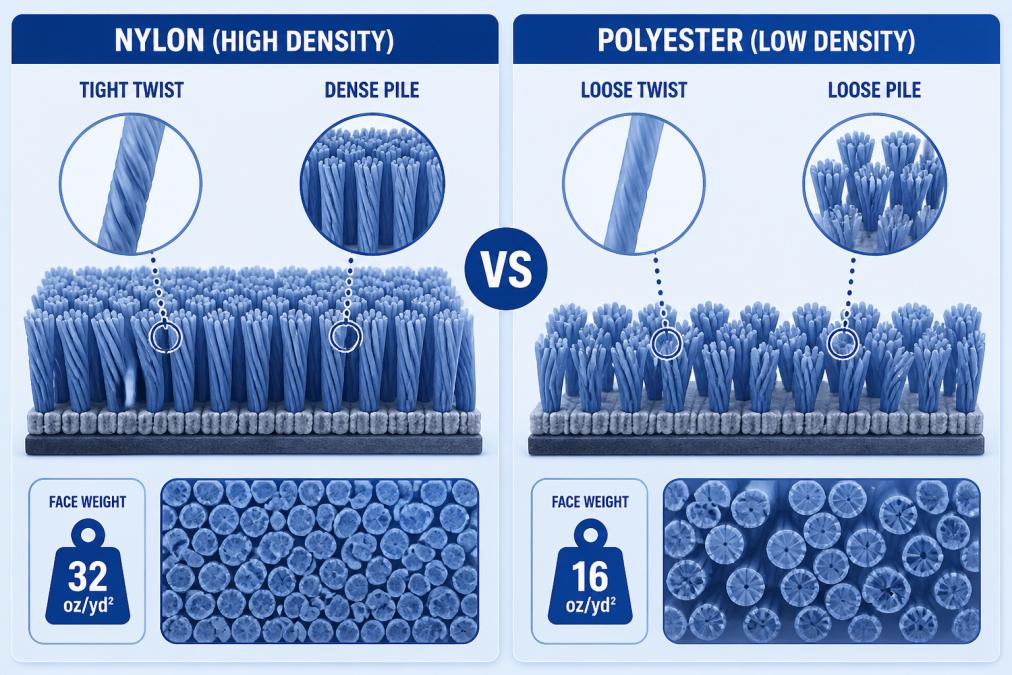
Face weight and twist level most directly predict how long carpet will look good under heavy traffic. Face weight ranges from 30 to 80 ounces per square yard; a carpet with 50-60 ounces will significantly outperform a 35-ounce carpet.
Twist level measures how tightly fibers are twisted together. A tight twist (8-10 twists per inch) resists matting far better than a loose twist (4-6 twists per inch). The combination of high face weight and tight twist separates carpet that lasts five years from carpet that lasts fifteen.
| Specification | Low-Traffic (Bedrooms) | Moderate Traffic (Living Rooms) | High-Traffic (Hallways/Stairs) |
|---|---|---|---|
| Face Weight | 30-40 oz/sq yd | 40-50 oz/sq yd | 50-60+ oz/sq yd |
| Twist Level | 4-6 twists/inch | 6-8 twists/inch | 8-10 twists/inch |
| Pile Height | 1/2" - 3/4" | 1/2" - 5/8" | 1/4" - 1/2" |
| Recommended Fiber | Polyester, Triexta | Nylon, Triexta | Nylon, Berber Loop |
Pet-Friendly Carpet for High Traffic: Stain Resistance and Odor Control
Homes with pets face unique challenges. Pet accidents, muddy paws, and shedding create wear patterns that normal foot traffic alone doesn't produce. Stainmaster PetProtect is specifically engineered for this purpose, a nylon carpet with built-in stain resistance and optional cushioning that includes odor-fighting technology.
Triexta (SmartStrand) is equally effective because of its zero moisture absorption. Pet urine doesn't soak into the fiber structure, so odors don't develop as readily. Shaw LifeGuard carpets feature a waterproof backing that prevents spills from soaking through to the subfloor, particularly valuable in homes with basements or slab foundations.
Carpet Selection for Stairs, Hallways, and Traffic Lanes
Stairs and hallways are the most demanding environments. The concentrated foot traffic on stairs creates wear patterns across a much smaller area than living room traffic.
For stairs, berber loop pile is the best choice. Nylon berber with a 50+ ounce face weight and 8+ twist level will easily last 15+ years on residential stairs. Cut pile is less ideal because fiber edges can fray at the nosing.
Hallways benefit from the same specifications: nylon or triexta fiber, low pile (1/4" to 1/2"), face weight of 50+ ounces, and tight twist (8+ twists per inch). For coastal properties in Suffolk County, consider solution-dyed nylon for stairs and hallways to resist fading from constant sunlight exposure.
Maintenance and Installation: Protecting Your Investment
Professional Installation vs. DIY: Impact on Durability
Professional installation ensures proper seaming, stretch, and attachment to the subfloor. Carpet that's stretched too tightly can buckle; carpet that's not stretched enough will develop waves within months. Both problems are permanent.
Seams are equally critical. Improper seaming creates visible lines that widen over time. Professional installers use heat-welded seams or proper tape and adhesive techniques to ensure seams remain invisible.
Subfloor preparation matters as much as installation itself. Professional installers inspect the subfloor, make necessary repairs, and address moisture issues before carpet installation begins. The cost difference is typically $1-2 per square foot, but poor installation can reduce carpet lifespan by 30-50%, making professional installation the better investment.
Vacuuming Frequency and Stain Resistance Maintenance
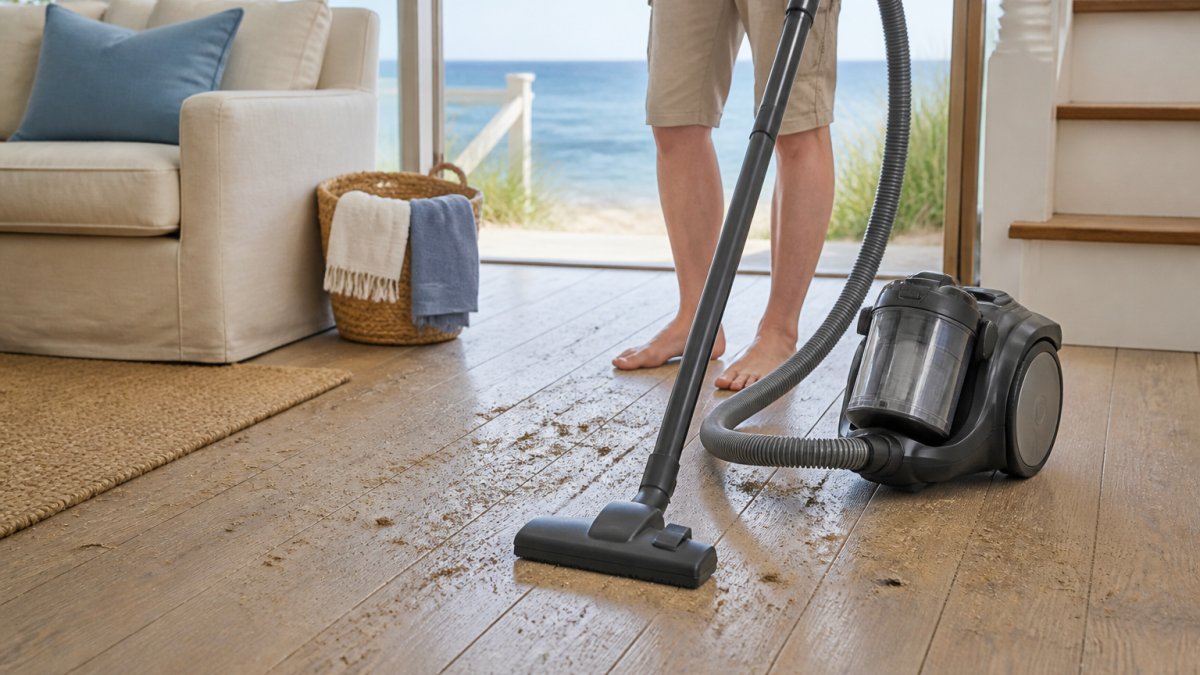
Regular vacuuming is the single most important maintenance task for carpet longevity. Vacuuming removes dirt particles that act like tiny abrasives, grinding against fibers and accelerating wear. High-traffic areas should be vacuumed at least twice weekly.
Upright vacuums with beater bars are more effective at extracting dirt than canister vacuums, but they can damage delicate fibers. For low-pile carpet in high-traffic areas, an upright vacuum without a beater bar (or with an adjustable setting) is ideal.
Nylon with applied stain protection should be re-treated every 2-3 years. Triexta and solution-dyed nylon don't require re-treatment because the protection is permanent. Spot cleaning should happen immediately after spills by blotting (not rubbing) with a clean cloth. Professional cleaning should happen annually in high-traffic homes.
Choosing the best carpet for high traffic requires balancing durability, cost, comfort, and aesthetics. For most homeowners and business owners in Suffolk County, nylon fiber with a face weight of 50+ ounces and a twist level of 8+ twists per inch is the practical sweet spot. It handles heavy foot traffic, resists matting and crushing, and lasts 12-15 years with proper maintenance.
At Hamptons carpet one floor and Home, we help you navigate these specifications and find carpet that matches your specific needs, whether that's pet-friendly stain resistance, eco-friendly recycled content, or maximum durability for commercial applications. Our team understands the unique challenges of coastal properties and can recommend products that resist salt air, moisture, and sand while maintaining their appearance. Get expert guidance on carpet selection for your home and see samples in our showroom to ensure the color and texture look right in your actual space before committing to installation.
Frequently Asked Questions
What type of carpet is most durable for high traffic?
Nylon carpet is the industry standard for high-traffic durability due to its exceptional resilience and resistance to crushing. Solution-dyed nylon fibers maintain color and stain resistance over decades. For maximum durability, choose carpet with higher face weight (density) and twist level. Berber loop-pile construction also excels in heavy-use areas because the looped fibers resist matting and footprints.
How does carpet density affect durability in high-traffic areas?
Carpet density, measured by face weight and twist level, directly impacts how well carpet resists wear. Higher density means more fibers per square inch, which prevents crushing and matting in traffic lanes. Dense carpet with strong backing material maintains its appearance longer under foot traffic. Look for commercial-grade density ratings when selecting carpet for hallways, stairs, and entryways where wear patterns are most visible.
Is pet-friendly carpet suitable for high-traffic homes?
Yes, pet-friendly carpets designed for high traffic combine stain resistance with odor control. Solution-dyed nylon and triexta fibers with built-in stain protection handle pet accidents and sandy paws well. Berber and low-pile options hide dirt better and resist matting from pet traffic. Pair pet-resistant carpet with waterproof backing to prevent moisture from soaking into the subfloor, critical for coastal homes where sand and salt air are constant concerns.
What's the difference between low-pile and high-pile carpet for durability?
Low-pile carpet (under 0.5 inches) resists crushing and matting better than high-pile in high-traffic areas, making it ideal for hallways and stairs. Berber loop-pile is exceptionally durable and hides footprints. High-pile feels softer but shows wear faster in traffic lanes and requires more frequent vacuuming. For homes with active families, pets, or commercial-use areas, low-pile or berber construction provides superior durability and easier maintenance.
This article was written using GrandRanker