 blog
7 Best Vacuums for Beach House Sand That Actually Work
Last Updated: October 25, 2026
Quick Summary
The best vacuums for beach house sand combine strong suction, a removable brushroll, and sealed HEPA filtration. Use a canister with a soft floor tool on hardwood, a brushroll upright on carpet, and a wet/dry shop vac for heavy, wet, or muddy sand.
- Most standard vacuums fail at beach house sand because their filtration is built for dry indoor dust, not abrasive grit.
- Vacuum carpet in two directions, north-south then east-west, to lift sand that settles at angles.
- A fine-dust or HEPA filter cartridge is the most important upgrade for a sand-ready wet/dry vacuum.
- Budget for a replacement filter cartridge once or twice per beach season on a shop vac.
- Choose luxury vinyl plank, tile, or tightly woven low-pile carpet for sandy beach homes.
Table of Contents
- Why Regular Vacuums Fail at Beach House Sand
- Quick Comparison: Top Vacuums for Beach House Sand
- Best Vacuum for Sand on Hardwood Floors
- Best Vacuum for Sand on Carpet
- Shop Vac for Sand: When a Wet/Dry Vacuum Makes Sense
- How to Clean Sand from Carpet Without Damaging Fibers
- Preventing Sand Damage and Wear in Beach Houses
- Choosing the Right Flooring for Sandy Beach Homes
- Frequently Asked Questions
Why Regular Vacuums Fail at Beach House Sand
Sand destroys vacuums for one reason: it is heavier than the dust and hair they were built to capture. Fine sand grains slip past standard filters, pack into brushroll housings, and grind against bearings.
A sand-specific vacuum needs three things: strong suction, a brushroll you can remove and clean, and sealed HEPA filtration that traps fine particles instead of blowing them back into the room. Miss any one of those and you will be replacing a vacuum every couple of years.
Below, we break down the seven best vacuums for beach house sand by floor type, plus how to stop sand from wrecking your floors in the first place.
Quick Comparison: Top Vacuums for Beach House Sand
Here is how the seven picks stack up by floor type, form factor, and sand-handling strength.
| Vacuum | Type | Best For | Sand Handling |
|---|---|---|---|
| Shark Stratos Upright | Upright | Carpet and rugs | Strong brushroll pickup |
| Dyson 360 Vis Nav | Robot | Daily light sand | High suction, hands-off |
| Miele Complete C3 | Canister | Hardwood and tile | Sealed filtration |
| Shop-Vac wet/dry | Wet/dry | Heavy sand and mud | Handles wet and dry |
| Bissell CrossWave | Wet/dry hybrid | Hard floors and rugs | Washes and lifts sand |
| Dyson V15 Detect | Cordless | Stairs and tight spots | Laser reveals fine grit |
| Shark Navigator | Upright | Budget carpet cleaning | Removeable brushroll |
The rest of this guide explains when each one makes sense, and where it falls short.
Best Vacuum for Sand on Hardwood Floors
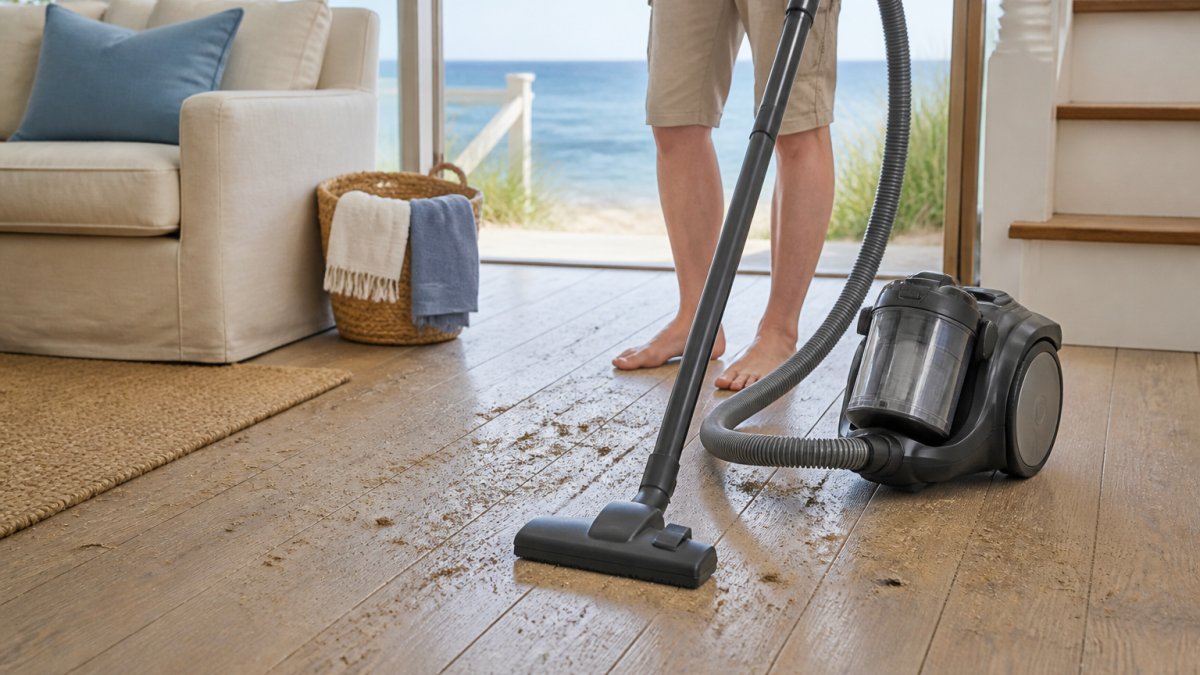
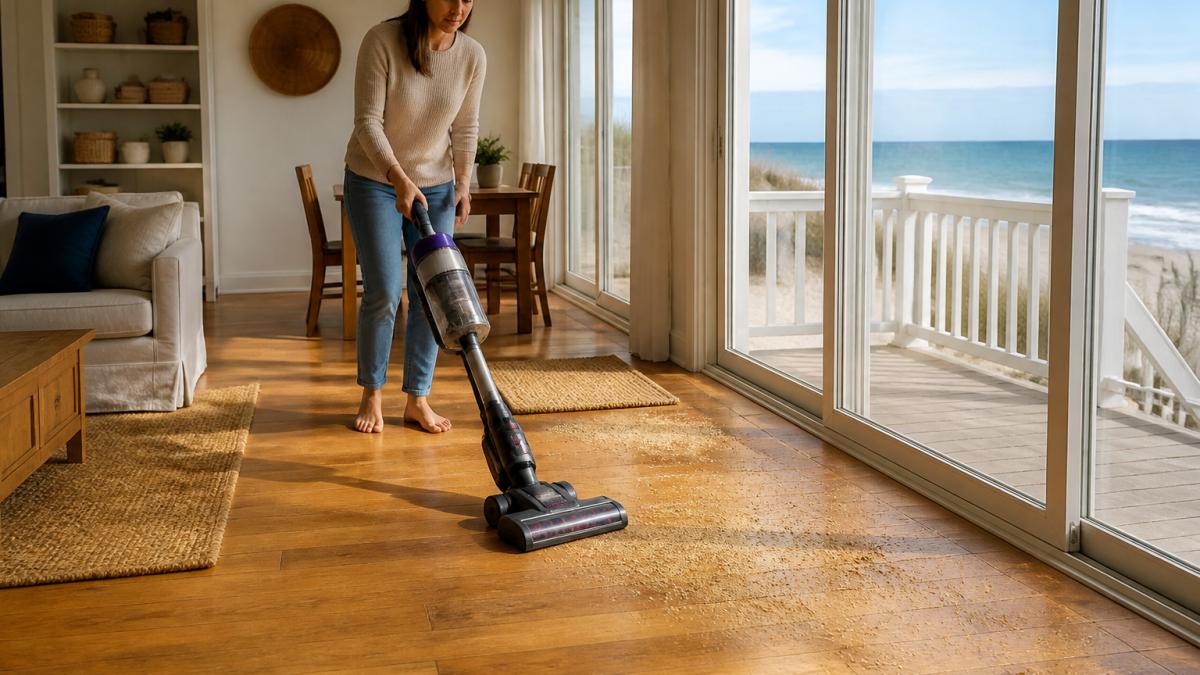
A canister vacuum with a soft floor brush is the best vacuum for sand on hardwood floors.
What most guides miss is the brush. A spinning brushroll on bare hardwood can grind grit into the surface.
- Miele Complete C3, sealed filtration, gentle on finishes, best overall for hardwood
- Dyson V15 Detect, the laser shows fine sand you would otherwise miss
- Bissell CrossWave, lifts damp sand and salt residue in one pass
Watch out: never run a beater bar directly on polyurethane-finished hardwood. It scuffs the coating faster than the sand itself.
Best Vacuum for Sand on Carpet
An upright with a strong, removable brushroll is the best vacuum for sand on carpet. The Shark Stratos Upright is our pick because its brushroll digs grit out of pile rather than skimming the surface. Carpet holds sand deep in the fibers, and a weak vacuum just pushes it down further, sometimes all the way to the backing, where grit abrades the fibers from underneath every time someone walks across it.
Why sand behaves differently in carpet
Sand grains are denser than the dust and hair most vacuums are tuned for. In a cut-pile or frieze carpet, grains sift past the surface fibers and settle near the backing. A vacuum with strong airflow at the nozzle can pull them up; a vacuum with weak airflow and a fast-spinning brushroll will simply flick them deeper. That is why two vacuums with similar advertised suction can perform very differently on a sand-loaded carpet.
A repeatable sand test you can run at home
Most guides tell you a vacuum has "strong suction" and stop there. You can do better with a simple, repeatable test that uses materials you already have:
- Mark a 3-foot by 3-foot square on a low-traffic section of carpet with painter's tape.
- Weigh out a fixed amount of sand. A quarter-cup of dry, sifted play sand (roughly 2 ounces) is enough to see a difference without overwhelming the vacuum.
- Spread the sand evenly across the square with your hand, then walk across it twice to work it into the pile.
- Vacuum with slow, overlapping passes, about one second per foot of travel, and count the passes until the carpet looks clean.
- Repeat with a second vacuum on an adjacent square of the same carpet, using the same sand amount and the same pass speed.
The vacuum that clears the square in fewer passes, without leaving a visible grit line at the edge of the stroke, is the better sand performer on that carpet. Run the test on both a low-pile and a high-pile sample if you have them; the ranking often flips.
What the test reveals about brushroll design
- Stiff bristle brushrolls agitate pile and lift grit, but they can fray loop carpet and wrap long hair quickly.
- Soft bristle or dual-action brushrolls are gentler on delicate carpet but may need more passes on deep sand.
- Removable brushrolls matter more than bristle stiffness for beach houses, because grit packed into the housing is the number-one cause of bearing wear. A brushroll you can pull out and rinse in a utility sink once a month will outlast a sealed one.
Picks and where they fall short
- Shark Stratos Upright, strong brushroll pickup on medium and low pile; the removable brushroll makes monthly grit cleanup practical. Heavier than a cordless, and the bin fills fast on sand-heavy carpet.
- Dyson 360 Vis Nav, handles daily maintenance if you want a robot doing the routine work. It will not replace a deep weekly pass on a sand-heavy carpet, and the brushroll is not as easy to service as an upright's.
- Shark Navigator, the budget option, and its removable brushroll makes cleanup easy when grit wraps the bristles. Expect to make more passes than with the Stratos on deep pile.
Two passes matter more than one deep pass. Go slow, overlap your lanes, and empty the bin before it fills past halfway. A clogged bin kills suction fast, and on a sand-heavy carpet the bin can hit halfway in a single room.
Shop Vac for Sand: When a Wet/Dry Vacuum Makes Sense
A shop vac for sand is the right tool when the sand is heavy, wet, or mixed with mud from the beach. Wet/dry units move large volumes of debris without clogging, which makes them ideal for entryways, garages, and mudrooms after a storm. They are also the only sensible choice for the first pass on a sand-covered mudroom floor, where a household upright would choke within minutes.
When a wet/dry vacuum beats a household vacuum
- Wet sand and salt residue, a wet/dry vac can pull damp grit and salty slush out of a mudroom or garage without turning it into a paste the way a dry-only vacuum would.
- Heavy volume, after a windy weekend, entryways can collect cups of sand. A 5- to 12-gallon wet/dry tank handles that in one pass; a household bin fills in a single room.
- Mixed debris, sand plus pebbles, broken shells, and bits of dune grass will jam a household brushroll. A wide wet/dry nozzle swallows them.
What to look for in a sand-ready wet/dry vacuum
- A fine-dust or HEPA filter cartridge. Standard foam filters pass fine sand straight through and into the motor. A cartridge rated for fine dust is the single most important upgrade for sand work.
- A 2.5-inch hose for bulk sand, a 1.25-inch hose for crevices. Wide hose moves volume; narrow hose reaches baseboards and stair edges.
- A drain port if you will pick up wet sand. Emptying a heavy wet tank by lifting it is how most owners hurt their backs.
The maintenance cost nobody mentions
Abrasive sand is hard on wet/dry vacuums too. Grit that reaches the motor bearings shortens motor life, and a clogged cartridge cuts airflow long before the tank is full. Budget for a replacement filter cartridge once or twice per beach season, and rinse the cartridge outdoors with a hose, not in a sink, where fine sand will clog the drain trap.
Where it falls short
Shop vacs are loud, often 80 decibels or more, bulky, and rough on delicate rugs. The hose and wand can scuff baseboards if you are careless, and the exhaust can blow fine dust back into the room unless the filter is sealed well. Keep one for the messy zones and a gentler vacuum for living spaces. That split is the practical answer for most beach homes, and it is cheaper than replacing a household vacuum every couple of years because grit destroyed the brushroll.
How to Clean Sand from Carpet Without Damaging Fibers
Clean sand from carpet by vacuuming dry, slow, and repeatedly before you introduce any moisture. Water turns loose sand into a paste that works deeper into the pile. Follow this order:
- Let the carpet dry completely if sand came in wet.
- Vacuum with slow overlapping passes using a brushroll upright.
- Empty the bin when it reaches halfway.
- Repeat in the opposite direction to lift grit from both angles.
- Treat any remaining damp spots with a wet/dry hybrid, then dry fully.
- Vacuum a final dry pass once the fibers are completely dry.
A common mistake is scrubbing wet sand with a towel. That pushes grit into the backing, where it abrades the fibers from underneath every time someone walks across it.
Preventing Sand Damage and Wear in Beach Houses
Stop sand at the door and you cut the wear on every floor behind it. A layered entry system does more than any single vacuum.
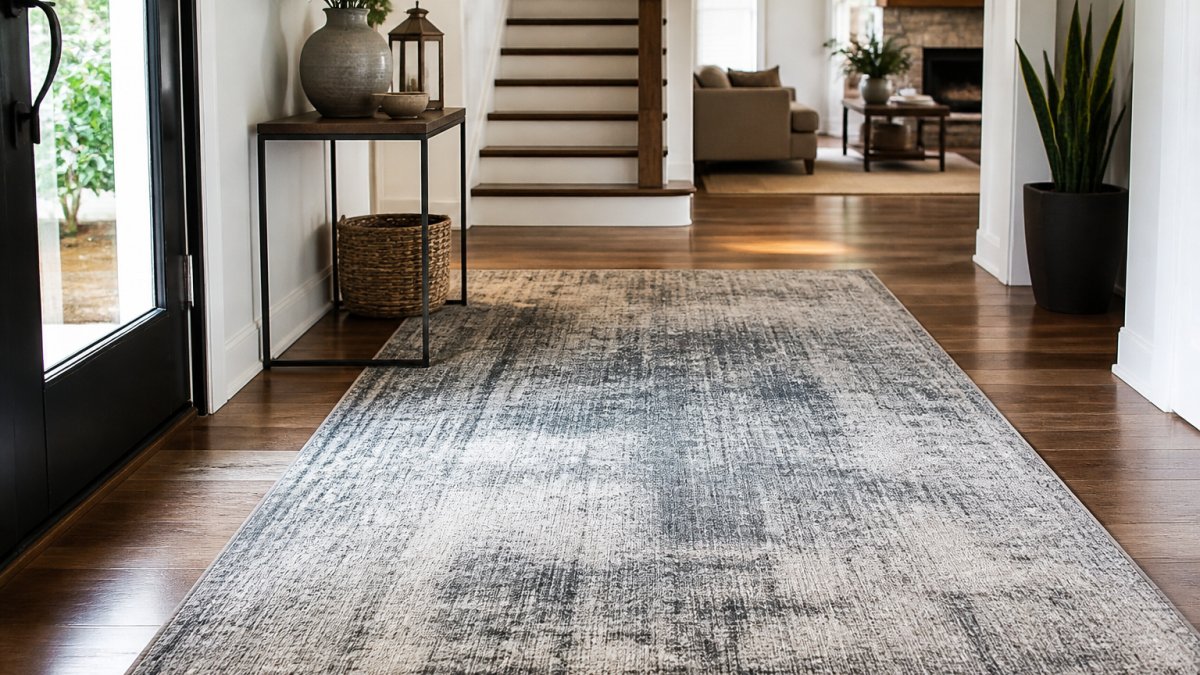
- Place a coarse outdoor mat to knock off bulk sand
- Add an absorbent indoor mat to catch fine grit
- Ask guests to remove shoes at the threshold
Sand containment is cheaper than sand removal. If your entry mats are thin or worn, replacing them protects the flooring far more than upgrading your vacuum.
Choosing the Right Flooring for Sandy Beach Homes
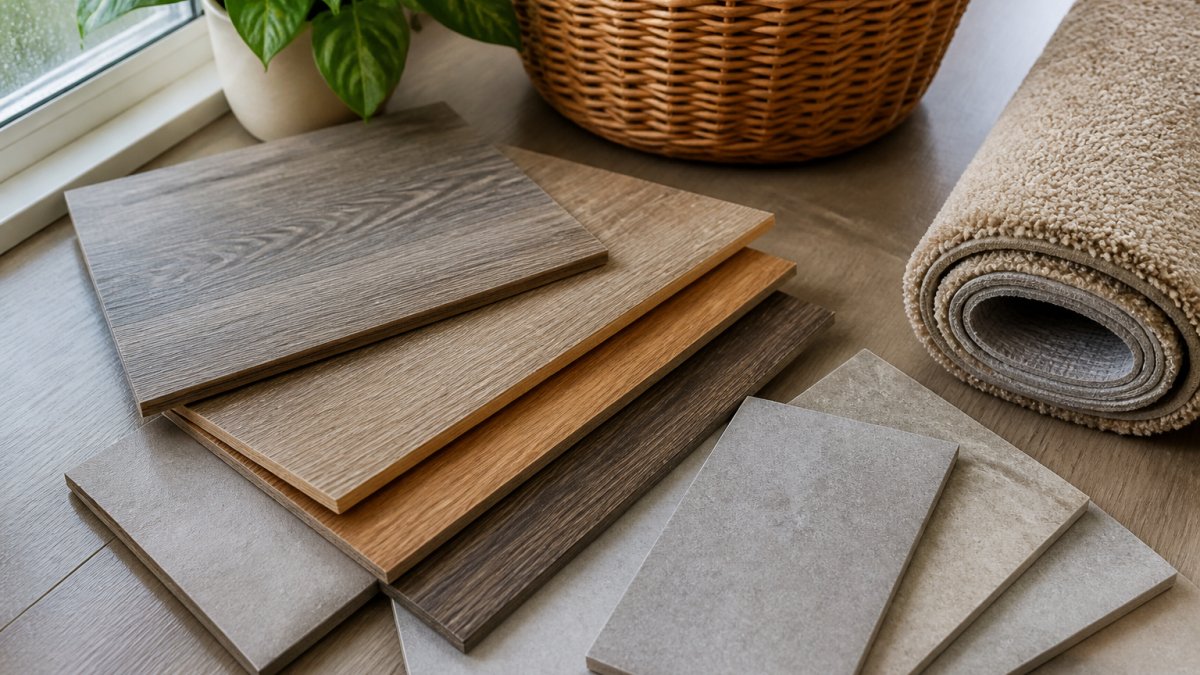
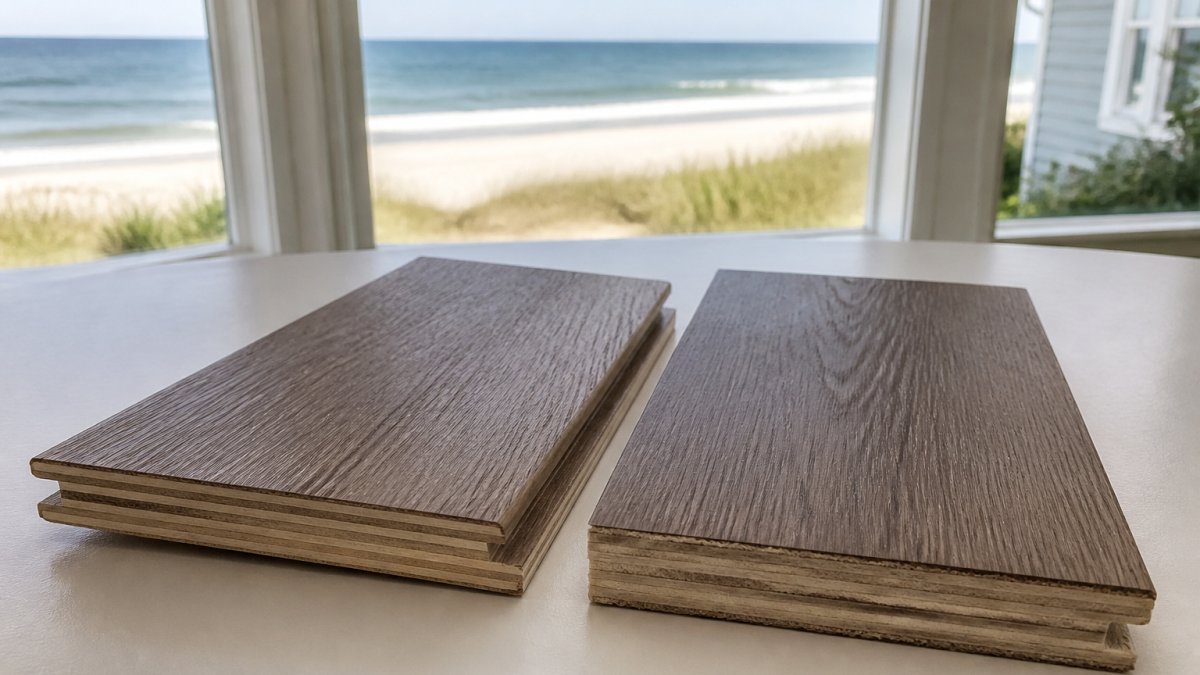
For sandy beach homes, choose flooring that hides grit and resists abrasion: luxury vinyl plank, tile, or tightly woven low-pile carpet. High-pile carpet traps sand and is hard to clean.
If you are replacing floors or repairing worn ones, the right material and a careful installation matter more than any vacuum. That is where Hamptons carpet one floor and Home comes in.
Get started with Hamptons carpet one floor and Home and choose flooring built to handle beach-house sand.
Frequently Asked Questions
Can I vacuum sand with a Dyson?
Yes, many Dyson models handle sand well, especially cordless stick vacuums with strong suction and sealed filtration. However, sand is abrasive and can wear down brushrolls and filters faster than typical debris. For beach house sand, use a Dyson on hard floors with a soft roller head, empty the bin frequently, and rinse the filter monthly. Avoid using the same Dyson for wet sand, which can clog the system.
What type of vacuum is best for beach house sand?
A canister vacuum with strong suction and a HEPA filter works best for beach house sand because it traps fine particles and is easy to empty. For quick cleanups, a cordless stick vacuum with a soft brushroll is convenient. If you have both hardwood and carpet, choose a multi-surface model with adjustable height and a sealed filtration system to keep sand from recirculating.
How do you keep sand from damaging a vacuum?
Empty the bin after every use, rinse reusable filters monthly, and check the brushroll for tangled hair and grit. Sand wears down bearings and scratches plastic housings, so avoid overfilling the bin and use a dedicated shop vac for heavy sand. Store your vacuum indoors, not in a humid beach garage, and replace filters as soon as suction drops.
How often should you vacuum sand in a beach house?
Vacuum high-traffic entryways and living areas daily during beach season, and do a full-house pass at least twice a week. Sand accumulates fast, and regular vacuuming prevents it from grinding into carpet fibers or scratching hardwood. Keep a cordless vacuum near the door for quick cleanups, and schedule a deep clean before and after peak rental weeks.