 Ultimate guide
Best Floor Finish for High Traffic Areas: 2026 Guide
Table of Contents
- What Makes a Floor Finish Best for High Traffic Areas?
- Water-Based vs Oil-Based Polyurethane for Floors
- Top Floor Finish Options for High Traffic Areas
- Commercial Grade Floor Finish for Home Use
- How to Maintain High-Traffic Hardwood Floors
- DIY vs Professional Application and Repairability
- Frequently Asked Questions
Last Updated: September 14, 2026
What Makes a Floor Finish Best for High Traffic Areas?
Choosing the best floor finish for high traffic areas comes down to three measurable properties: abrasion resistance, scratch resistance, and scuff resistance. A finish that scores well on all three, and that matches its sheen level to how visible wear will be, holds up longest under constant foot traffic.
Abrasion resistance measures how well a finish survives grit and sand grinding across the surface. Scratch resistance covers sharp-object damage. Scuff resistance handles the rubber-soled friction that marks entryways and hallways first.
Abrasion, Scratch, and Scuff Resistance
The wear layer is where durability is won or lost. Water-based polyurethane topcoats and factory-applied aluminum oxide layers both build a hardened surface that resists abrasion far better than older oil-modified finishes. Sand tracked in from a beach path is abrasive grit, and it acts like sandpaper on softer finishes.
Sheen Level and Scratch Visibility
Here's a counterintuitive point most guides skip: high gloss does not hide scratches better than satin. According to Bob Vila's flooring guidance, scratches are significantly more visible on high-gloss surfaces. Satin and matte sheens diffuse light across the surface, which masks the fine scratches that traffic inevitably creates.
Water-Based vs Oil-Based Polyurethane for Floors
Water-based polyurethane dries faster, cures harder, and off-gasses far less than oil-modified formulas, which is why waterborne systems dominate 2026 high-traffic recommendations. A 2026 USA Today report on hardwood finishes identifies waterborne finishes as the leading trend for balancing performance, design, and durability.
Oil-modified polyurethane offers a warmer amber tone and a longer working window for applicators. It also takes far longer to cure and carries higher VOC levels, which matters for occupied homes.
| Finish Type | Cure Time | VOC Level | Best For |
|---|---|---|---|
| Water-based polyurethane | Fast, 3-day full cure | Low | High-traffic homes, quick re-entry |
| Oil-modified polyurethane | Slow, multi-day | High | Period homes wanting amber tone |
| Aluminum oxide (factory) | Cured before delivery | Minimal on-site | New installs, immediate use |
Top Floor Finish Options for High Traffic Areas
The best finish for a high-traffic room is the one whose hardness matches your traffic volume and whose application method fits your timeline. Reviewers at Consumer Reports rate laminate, porcelain, and vinyl among the most durable options for kitchens and hallways, while hardwood depends heavily on the finish applied on top.
Bona Traffic HD
Bona Traffic HD is a two-component waterborne finish built specifically for high-traffic commercial and residential hardwood. Panel Town's 2026 comparison of water-based finishes ranks it as a top-tier option for long-term protection. It carries GREENGUARD Gold certification, cures fully in about three days, and resists scuffs, scratches, and chemicals. The drawback is cost: expect over $100 per gallon at retail. For a hallway that takes constant foot traffic, that premium buys years of wear.
Aluminum Oxide Prefinished Flooring
Factory-applied aluminum oxide planks are UV-cured for maximum hardness and arrive ready for foot traffic. Really Cheap Floors' 2026 finish guide recommends UV-cured factory and aluminum oxide prefinished options for high-traffic entryways. The trade-off: spot repairs are difficult once the finish is breached.
Porcelain Tile, LVP, and Laminate
For moisture-prone zones, porcelain tile is virtually immune to foot traffic wear and easy to clean. Luxury vinyl plank is 100% waterproof and resists dents. Laminate rated AC4 or AC5 handles hallways and living rooms well, though seams are vulnerable to water.
Commercial Grade Floor Finish for Home Use
Commercial grade floor finish for home use is worth it in entryways, mudrooms, hallways, and open-plan kitchens, the zones where traffic volume rivals a small storefront. The same two-component finishes specified for retail space hold up in a busy household, and the upgrade usually costs a fraction of what an early refinish does.
What actually separates a commercial-grade system from a big-box single-component topcoat comes down to four measurable specs:
- Solids content. Two-component waterborne finishes typically run in the 30-40% solids range, versus roughly 25-30% for many single-component water-based topcoats. Higher solids means a thicker film per coat and fewer coats to reach a durable build.
- Wear-layer thickness on prefinished planks. Factory aluminum oxide wear layers commonly run from about 2 mm up to 6 mm or more on premium commercial-rated planks. The thicker the wear layer, the more times the floor can be screened and recoated before the print layer is exposed.
- Abrasion Class (AC) rating. Laminate is graded AC1 through AC5 under the widely used abrasion classification. AC3 is the common residential benchmark, AC4 suits heavy residential and light commercial traffic, and AC5 is specified for commercial spaces. For a busy hallway or mudroom, AC4 is the practical floor and AC5 is the safe ceiling.
- Return-to-service timing. This is the spec homeowners feel most. Waterborne two-component finishes typically allow light foot traffic in about 24 hours and full cure in roughly 3 days. Moisture-cure urethane is slower to apply and has a stronger solvent odor, but it lays down an extremely hard, chemical-resistant film once cured. Oil-modified polyurethane can take days to a week or more before furniture goes back.
A practical spec for a high-traffic home looks like this: a two-component waterborne topcoat over a hard domestic species (or a factory aluminum oxide prefinished plank with a 4 mm-plus wear layer), sheened in satin or matte, with a minimum of three coats on the field and an extra coat on entryways and hallways. That last detail, an extra coat in the traffic lanes, is the cheapest durability upgrade available and is standard practice on commercial jobs.
Pomona Hardwood Floors uses moisture-cure urethane and aluminum oxide finishes for extreme durability in high-traffic residential projects. That's the logic to borrow: spec the finish for the traffic, not the room label.
How to Maintain High-Traffic Hardwood Floors
Maintaining high-traffic hardwood floors is mostly about controlling grit before it becomes abrasion, and then knowing exactly when to recoat instead of waiting for bare wood to show. Most guides stop at the doormat. The part that actually extends a finish's life is the recoat and repair schedule.
Daily and weekly habits that protect the film:
- Sweep or vacuum daily in entryways and hallways, grit is the abrasive that dulls a finish fastest
- Place walk-off mats at every exterior door, sized so a person takes at least two steps on the mat before hitting the wood
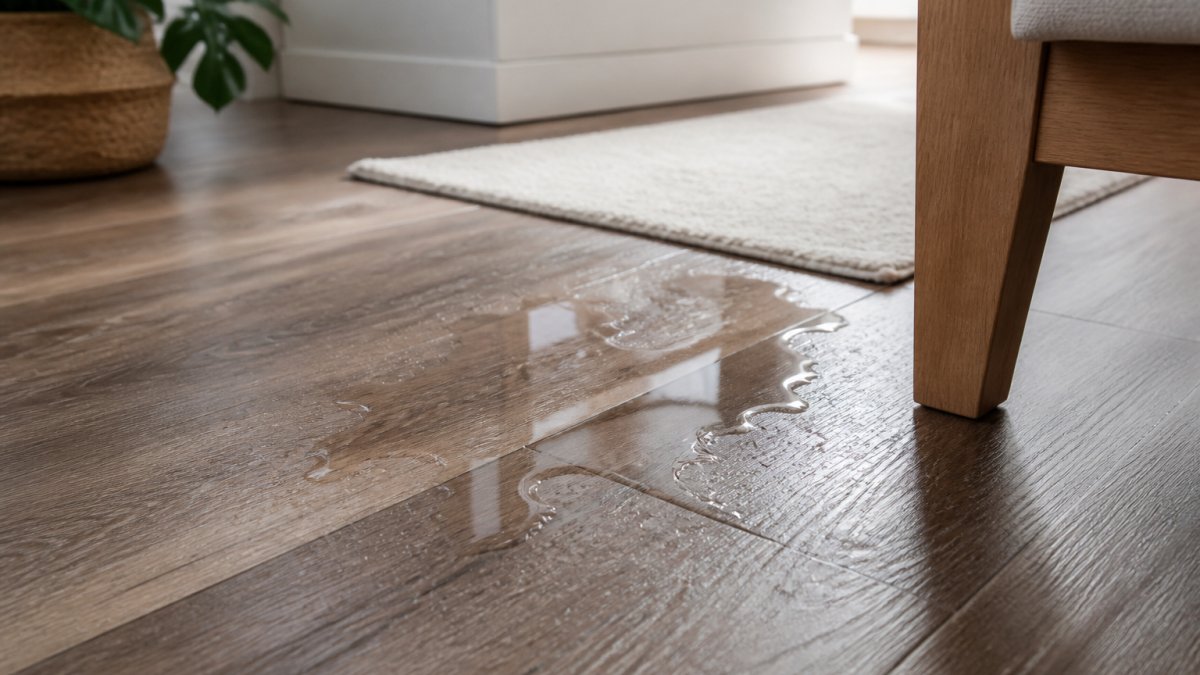
- Wipe spills immediately; standing water dulls water-based finishes and can wick into seams
- Avoid wet mopping, a damp microfiber mop with a pH-neutral cleaner is the safe method for waterborne topcoats
- Felt pads under every piece of furniture and a no-shoes rule in the traffic lanes
The recoat window, the number most homeowners miss.
A hardwood finish doesn't fail all at once. It thins in the traffic lanes first. The practical trigger for a screen-and-recoat is when the finish looks dull in the walkway but the wood color is still uniform, typically every 5 to 10 years in a busy household, sooner in entryways. Once bare wood or gray patches appear, you've moved from a recoat to a full sand-and-refinish, which is a much larger job. Recoating on schedule is the single biggest cost saver in high-traffic hardwood ownership.
Repairability: the question competitors skip.
How a finish repairs depends entirely on what it is:
- Site-applied waterborne polyurethane. The most repairable option. A light screen-and-recoat refreshes the whole floor, and a localized scratch can often be feathered in with a small pad and a matching topcoat. This is the main structural advantage hardwood holds over laminate and vinyl.
- Oil-modified polyurethane. Repairable, but the amber tone deepens with age, so a spot repair can read slightly lighter or darker than the surrounding floor. Whole-floor recoats blend better than spot fixes.
- Factory aluminum oxide prefinished planks. Extremely hard and durable, but the UV-cured factory finish is difficult to spot-repair and difficult to recoat in the field because new finish doesn't always bond to the aged factory layer. When the wear layer is breached, plank replacement is often the realistic fix.
- Laminate and LVP. Not refinishable. A scratched plank is replaced, not repaired. This is why keeping spare planks from the original run matters more than any maintenance product.
Climate note. In humid climates, wood expands and contracts more, and finish seams and plank edges take on moisture faster, a satin or matte sheen hides the resulting micro-cupping better than gloss, and a moisture-tolerant two-component topcoat holds up longer. In dry climates, wood shrinks and gaps open at the seams; those gaps collect grit that abrades the finish edges, so more frequent vacuuming in the traffic lanes pays off.
DIY vs Professional Application and Repairability
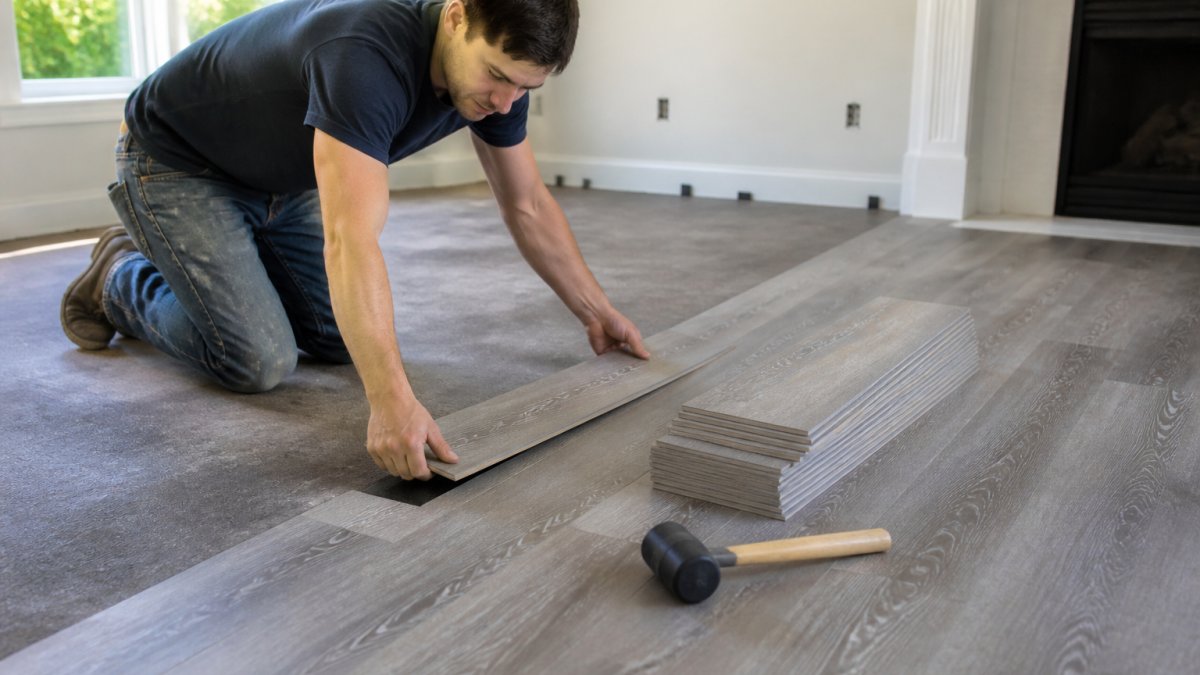
Professional application is the safer choice for two-component finishes like Bona Traffic HD, which require precise mixing and a clean, dust-controlled environment. A botched mix or a dusty room leaves a finish that fails early. SVB Wood Floors applies Bona Traffic HD for high-traffic restorations and maintains durability equivalent to day one.
DIY makes sense for single-component water-based topcoats on small areas. For repairability, screen-and-recoat is the key advantage hardwood holds over laminate and LVP: you can refresh the topcoat without replacing the floor, provided the wear layer hasn't been breached.
The real challenge with high-traffic flooring isn't picking a finish; it's matching the finish, species, and sheen to how your space actually gets used, then installing it cleanly. At Hamptons carpet one floor and Home, we help homeowners across Suffolk County, NY, choose durable, moisture-resistant flooring and handle the meticulous installation that older and coastal properties demand. From finish selection to dust-controlled installation and honest, upfront scoping, our team takes the guesswork out of the process. Get started with Hamptons carpet one floor and Home and get a floor that still looks right years after the traffic wears on.
Frequently Asked Questions
What is the best floor finish for heavy traffic?
Water-based polyurethane finishes like Bona Traffic HD offer the best combination of durability and low VOC content for heavy traffic. Bona Traffic HD is a two-component waterborne finish with a full cure in three days and superior scuff, scratch, and chemical resistance. For factory-finished floors, aluminum oxide prefinished options provide a hardened protective layer. Consumer Reports identifies laminate, porcelain, and vinyl as the most durable non-wood options for high-traffic areas.
Is water-based or oil-based polyurethane better for high-traffic areas?
Water-based polyurethane is generally better for high-traffic areas because it offers faster curing, lower VOCs, and strong abrasion resistance. Oil-based finishes provide a warmer amber tone and longer working time, but they take longer to cure and have higher VOC levels. Bona Traffic HD, a water-based finish, is rated Tier 1 for long-term protection by Panel Town. The right choice depends on your timeline, ventilation, and aesthetic preference.
How often should high-traffic floors be refinished?
High-traffic hardwood floors typically need refinishing every 5 to 10 years, depending on finish type and foot traffic density. Factory-finished floors with aluminum oxide wear layers often last longer before needing a recoat. Water-based polyurethane finishes can be recoated without full sanding if the wear layer is intact. Signs it's time include visible scratches, dull patches, and areas where the stain has worn through.
What are the benefits of using a commercial-grade finish in a residential setting?
Commercial-grade finishes like Bona Traffic HD provide superior abrasion resistance, chemical resistance, and scuff resistance compared to standard residential finishes. They are designed for high foot traffic density and can extend the refinishing cycle. For homeowners in high-traffic areas such as entryways and hallways, a commercial-grade finish can maintain the floor's appearance for years longer. The trade-off is a higher price point and the need for professional application.