 How-to
Book Expert Flooring Consultation Long Island: Complete Guide
Table of Contents
- Why Book an Expert Flooring Consultation on Long Island
- Step-by-Step Flooring Consultation Process
- Questions to Ask Flooring Installers During Your Consultation
- Flooring Installation Cost Long Island: What to Budget
- Flooring Estimate Checklist: What to Review Before Booking
- Best Flooring Contractors Nassau County: How to Choose
- Flooring Material Comparison Guide for Long Island Homes
- Maintenance Tips for Long Island Flooring After Installation
Last Updated: June 22, 2026
Choosing new floors is one of the most consequential home improvement decisions you'll make. This guide walks you through exactly what to expect during a flooring consultation, what to ask, and how to avoid the mistakes that derail most projects before installation begins.
A flooring consultation is a structured assessment where a licensed flooring specialist evaluates your space, lifestyle, and budget to recommend the right material, installation method, and finish. It produces a written estimate, a clear material recommendation, and a realistic project timeline, not a sales pitch.
Most homeowners skip the consultation and pick a floor they saw online. That floor often fails within two years because nobody assessed the subfloor condition, humidity levels, or foot traffic patterns. According to the National Wood Flooring Association's installation guidelines, subfloor preparation is the single most common cause of premature flooring failure. Fix the foundation first, or no material choice will save you.
Why Book an Expert Flooring Consultation on Long Island
Long Island's climate creates flooring challenges that generic advice does not address. Suffolk County and Nassau County homes deal with coastal humidity in summer, dry heated air in winter, and older construction with subfloors ranging from solid to compromised.
Experienced flooring contractors know the consultation is about identifying hidden problems before installation begins. Moisture intrusion from a Suffolk County crawl space will destroy solid hardwood within a season. An unlevel subfloor will crack tile grout in six months. These are the most common callbacks flooring contractors receive.
Hamptons carpet one floor and Home regularly encounters homes where previous flooring failed not because of the material itself, but because no proper assessment was done beforehand. The consultation is the insurance policy for your investment.
Step-by-Step Flooring Consultation Process
Initial Contact and Scheduling
The process starts with a phone call or online request. A reputable flooring contractor will ask about the rooms involved, your preferred flooring type, and your timeline. Confirm the contractor is licensed and insured in New York State, this is non-negotiable. Scheduling typically takes two to five business days. Avoid contractors who pressure you to commit before the in-home visit.
In-Home Assessment and Measurement
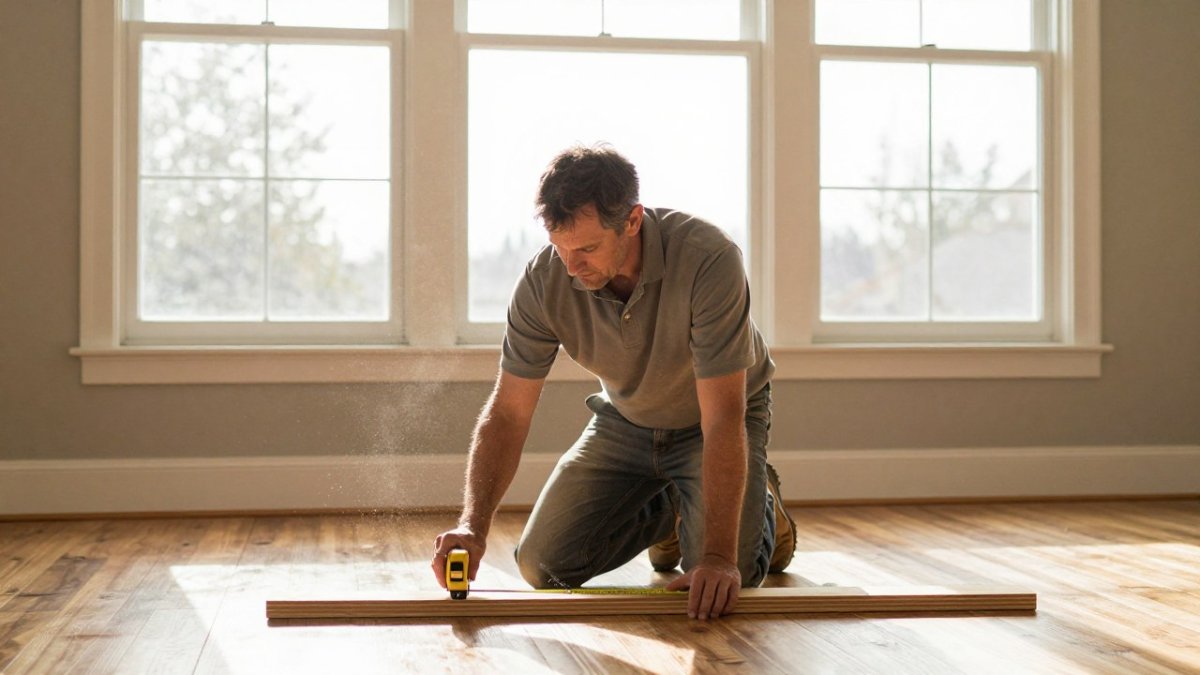
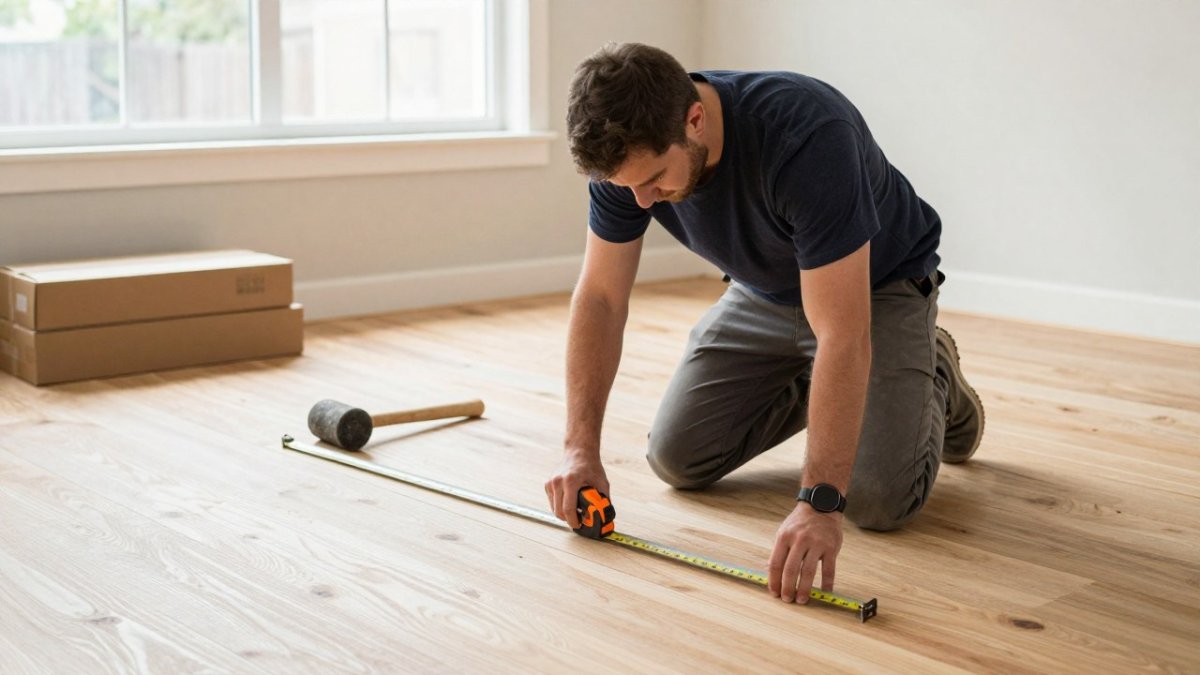
This is the most important phase. A flooring specialist measures each room precisely and evaluates the existing subfloor condition.
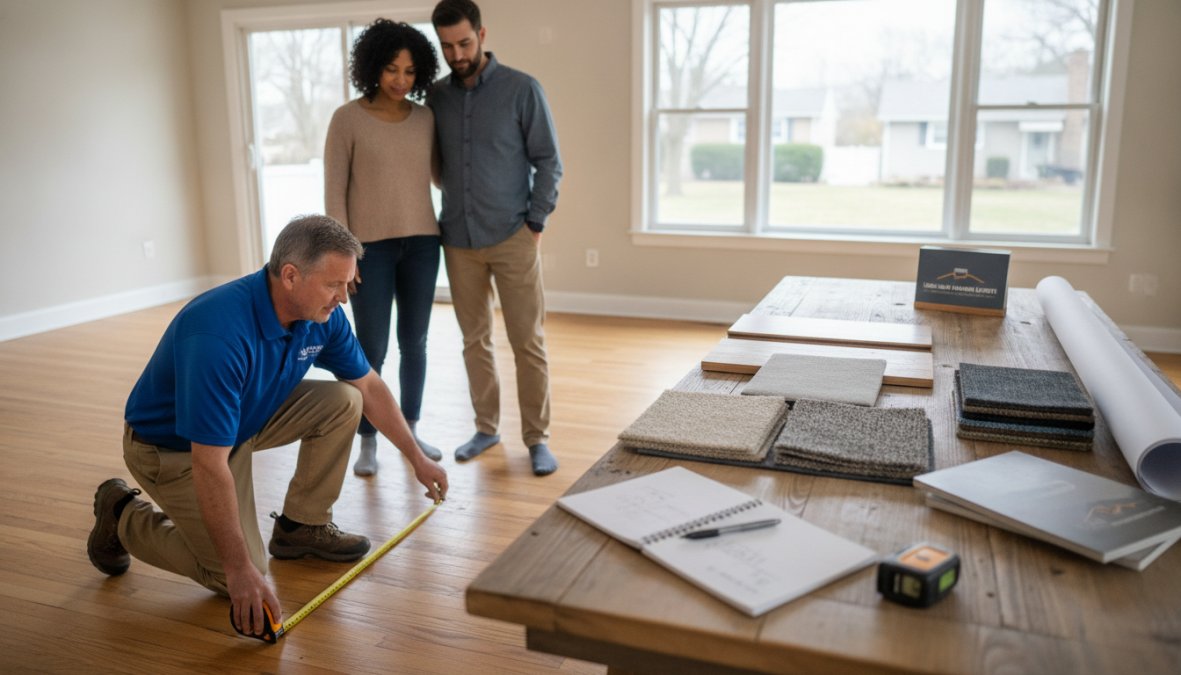
During assessment, the specialist checks:
- Subfloor material (plywood, concrete slab, or older board subfloor)
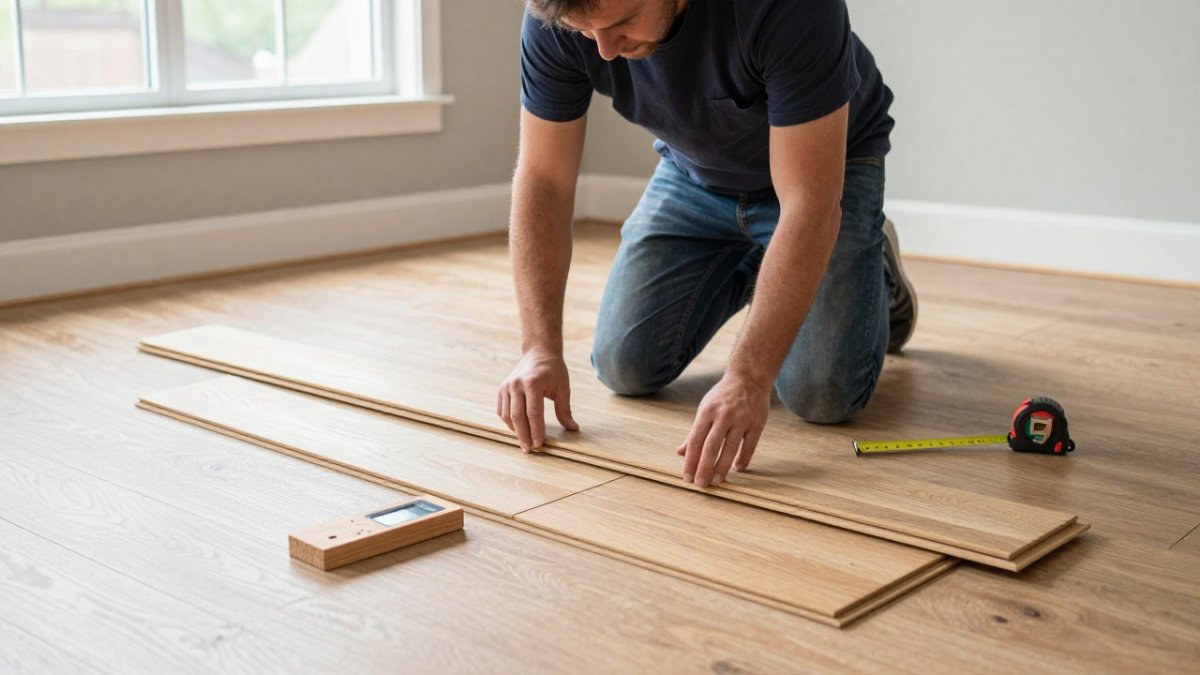
- Moisture levels using a calibrated moisture meter
- Room transitions and height differences between adjoining spaces
- Existing floor condition if removal is required
- Radiant heating systems that affect material compatibility
The measurement phase also captures waste percentage. Rooms with angles, bay windows, or complex layouts require 10 to 15 percent additional material. A contractor who quotes square footage without accounting for waste is setting you up for a mid-project shortage.
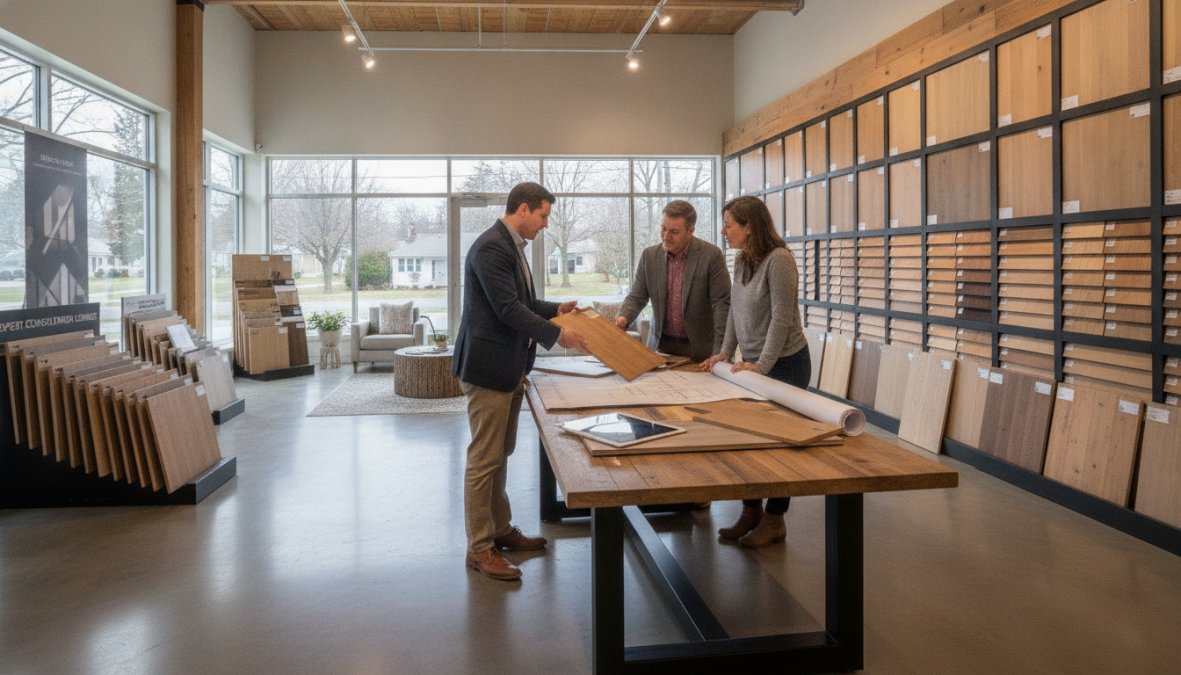
Design and Material Selection
After assessment, the specialist presents material options matched to your specific conditions. A good consultation connects material properties to your actual lifestyle. Households with pets and children need durable finishes and scratch-resistant surfaces. A formal dining room with low traffic can support more delicate hardwood species.
Questions to Ask Flooring Installers During Your Consultation
About Experience and Credentials
- Are you licensed and insured in New York State?
- How many years have you been installing flooring in Suffolk and Nassau County specifically?
- Do you handle subfloor preparation in-house, or do you subcontract it?
- Can you provide references from projects completed in the last twelve months?
- What warranty do you offer on installation labor, separate from the manufacturer's material warranty?
The subfloor question is particularly revealing. Contractors who subcontract subfloor prep often create accountability gaps. Insist on a single point of responsibility.
About Project Timeline and Costs
- What is the current lead time from signed contract to installation start?
- How many days will the installation take for my specific square footage?
- What happens if additional subfloor issues are discovered during installation?
- Is material acclimation time included in the project schedule?
Hardwood flooring requires three to seven days of acclimation in your home before installation. Any contractor who skips this step is violating basic installation standards and voiding most manufacturer warranties.
Flooring Installation Cost Long Island: What to Budget
Flooring installation costs on Long Island run higher than national averages due to labor costs, the complexity of older home construction, and regional logistics.
Material costs vary significantly by type. Solid hardwood sits at the premium end. Engineered hardwood offers a middle ground with better moisture resistance. LVP vinyl and laminate provide the most budget-accessible options. Tile costs depend heavily on the tile itself and pattern complexity.
Labor costs are driven by subfloor condition, room complexity, and whether removal of existing flooring is included. According to the Remodeling Magazine Cost vs. Value report, hardwood flooring consistently ranks among home improvement projects with the strongest return on investment at resale in the Northeast market.
Get at minimum three written estimates before committing. The lowest bid is rarely the best value when subfloor preparation is involved.
Flooring Estimate Checklist: What to Review Before Booking
A flooring estimate is a document, not a verbal agreement. Review it line by line before signing.
Key Items to Verify
- Square footage measured and documented per room
- Material specified by brand, product name, and SKU
- Waste percentage calculated and included in material quantity
- Subfloor preparation scope clearly defined
- Removal and disposal of existing flooring included or explicitly excluded
- Installation method specified (nail-down, glue-down, floating)
- Transition strips, thresholds, and molding included in scope
- Acclimation time scheduled and documented
- Payment schedule tied to project milestones, not arbitrary dates
- Labor warranty terms stated in writing
Red Flags to Watch For
A large upfront deposit, typically over 50 percent, before materials are ordered signals a contractor worth avoiding. Legitimate contractors structure payments around material delivery and project completion.
Vague material descriptions like "premium hardwood" without a brand name and product specification are not quotes, they are blank checks.
No written contract means a contractor is either inexperienced or deliberately leaving room to change terms.
Best Flooring Contractors Nassau County: How to Choose
Choosing the best flooring contractor comes down to three factors: verifiable credentials, local project experience, and transparent communication.
Verify the license number directly with the New York State Department of State. Insurance should include both general liability and workers' compensation. Ask for certificates, not verbal confirmation.
Local experience matters more than total years in business. A contractor with twenty years of experience in another state may have no familiarity with the specific subfloor conditions, building codes, or material performance challenges common to Nassau County homes.
Communication is the predictor most homeowners overlook. A contractor who responds promptly, explains clearly, and documents everything in writing is demonstrating the same discipline they will apply to your project. As documented in New York State consumer protection guidelines for home improvement contractors, homeowners have specific rights regarding written contracts, deposit limits, and dispute resolution.
Flooring Material Comparison Guide for Long Island Homes
Hardwood vs. LVP vs. Laminate vs. Tile
| Material | Best Rooms | Moisture Resistance | Durability | Refinishable |
|---|---|---|---|---|
| Solid Hardwood | Living rooms, bedrooms, dining rooms | Low | High with proper finish | Yes, multiple times |
| Engineered Hardwood | Most rooms, above grade | Moderate | High | Once or twice |
| LVP Vinyl | Kitchens, baths, basements | Excellent | Very high | No |
| Laminate | Bedrooms, living areas | Moderate | Moderate | No |
| Porcelain Tile | Kitchens, baths, entryways | Excellent | Extremely high | No |
Solid hardwood is the premium choice for living rooms and bedrooms in Long Island homes with stable humidity. It can be refinished multiple times over decades. The limitation is moisture sensitivity. Basements and rooms above grade with humidity fluctuations are poor candidates.
LVP vinyl has fundamentally changed residential flooring. Modern LVP products replicate wood and stone convincingly, install over most existing subfloors, and handle moisture that would destroy hardwood. For kitchens, bathrooms, and finished basements, LVP is often the most practical choice.
Laminate offers a cost-effective alternative to hardwood aesthetics but cannot be refinished and is more sensitive to moisture than LVP. It performs well in bedrooms and low-traffic living areas.
Tile is correct for high-moisture environments. Porcelain tile offers exceptional durability. The trade-off is installation complexity and a cold, hard surface underfoot.
The real difference between a floor that performs for decades and one that fails early comes down to matching the material's properties to the room's actual conditions.
Maintenance Tips for Long Island Flooring After Installation
Post-installation maintenance is where most homeowners lose the value they invested in quality flooring. Long Island's seasonal humidity swings create specific challenges.
Hardwood maintenance centers on humidity control. The National Wood Flooring Association's maintenance recommendations specify maintaining indoor relative humidity between 35 and 55 percent year-round to prevent hardwood from expanding, contracting, and gapping. A whole-home humidifier in winter and proper air conditioning in summer are essential for hardwood owners in coastal Long Island homes.
For routine cleaning, dry microfiber mops outperform wet mops on hardwood. Excess moisture causes finish clouding and edge cupping. Avoid steam mops entirely on hardwood or engineered wood.
LVP vinyl is the most forgiving material for maintenance. Damp mopping is safe. Standard household cleaners work without damaging the surface. Avoid rubber-backed rugs, which can react with the vinyl surface and cause permanent discoloration.
Tile maintenance requires attention to grout. Unsealed grout absorbs moisture and stains within months. Apply a penetrating grout sealer annually in high-use areas.
Most homeowners approach flooring as a single decision: pick a material, find a contractor, get it installed. The reality is that a successful flooring project is a sequence of decisions, each one building on the last. Hamptons carpet one floor and Home has guided Suffolk County homeowners through that sequence as a full-service floor covering retailer with deep knowledge of local construction conditions and material performance in the Long Island climate. If you are ready to book expert flooring consultation long island, contact Hamptons carpet one floor and Home to schedule your complimentary in-home estimate and start your project on solid ground.
Frequently Asked Questions
What should I ask during a flooring consultation?
During your book expert flooring consultation on Long Island, ask about the contractor's experience with your chosen material, timeline and project schedule, detailed pricing and warranty coverage, subfloor preparation requirements, and references from recent projects. Also inquire about their licensing, insurance status, and how they handle unexpected issues during installation. These questions help ensure you're working with qualified flooring contractors who understand your specific needs.
How do I prepare for an in-home flooring estimate?
Before your consultation, clear the rooms being assessed, take measurements if possible, and gather photos of your current flooring. Prepare a list of questions and note any specific concerns about moisture, pets, or heavy foot traffic. Have your budget range ready and understand your style preferences. This preparation helps flooring installers provide accurate estimates and makes the consultation process more efficient for both you and the contractor.
Are flooring consultations in Long Island usually free?
Yes, most reputable flooring contractors in Suffolk County and Nassau County offer complimentary estimates and consultations. This allows you to meet the expert, discuss your flooring solutions options, and receive detailed pricing without obligation. However, confirm this when scheduling. A free consultation demonstrates the contractor's confidence in their craftsmanship and customer service, making it easier to compare quotes from multiple local pros.
What information do flooring contractors need from me for an accurate estimate?
Flooring contractors need room dimensions, current flooring type, subfloor condition, moisture levels, and your preferred materials (hardwood, LVP vinyl, laminate, or tile). They'll also ask about your timeline, budget, whether you need removal of existing flooring, and any specific design preferences. Providing detailed information about traffic patterns, pets, and climate considerations in your Long Island home ensures they deliver accurate flooring installation cost estimates and appropriate solutions.
This article was written using GrandRanker