 Ultimate guide
Carpet Changing Near Me: Complete Installation Guide
Table of Contents
- Understanding Carpet Changing Near Me
- Carpet Installation Cost: Pricing Breakdown
- The Carpet Replacement Process Explained
- DIY vs Professional Carpet Installation
- Carpet Types, Materials, and Fiber Options
- Finding Local Carpet Installation Pros Near You
- Carpet Maintenance and Longevity After Installation
- Carpet Disposal and Sustainability Considerations
Last Updated: June 24, 2026
Carpet replacement is one of the most impactful home improvement decisions you can make. At Hamptons carpet one floor and Home, we've guided hundreds of Suffolk County homeowners through every stage of the process, from initial measurements to final installation. Below is a complete breakdown of what carpet changing involves, what it costs, how to prepare, and what separates a smooth installation from a frustrating one.
Understanding Carpet Changing Near Me
Carpet changing is the process of removing existing floor coverings and installing new wall-to-wall carpet, including necessary subfloor preparation, padding selection, and finishing work around transitions and stairs. The quality of the outcome depends heavily on what happens before the first roll of carpet is cut.
Most homeowners focus entirely on choosing a carpet style and ignore the installation variables that actually determine longevity. Padding thickness, subfloor condition, and seam placement matter just as much as fiber type.
What Carpet Changing Involves
A full carpet replacement project typically includes four phases: measurement and material selection, room preparation, removal of old carpet, and installation of new carpet with padding. The removal phase can reveal surprises, old adhesive, damaged subfloor boards, or uneven concrete slabs can add time and cost. Professional installers assess these issues during an in-home measurement visit, which is why that step is essential before committing to a price.
Why Professional Installation Matters
Professional installers bring tools, training, and experience that genuinely change the outcome. Proper stretching prevents the rippling and buckling that shows up in DIY jobs within a year or two. Stair installation requires precise cutting and secure fastening that most homeowners underestimate.
According to the Carpet and Rug Institute's installation guidelines, improper installation is one of the leading causes of premature carpet wear and voided warranties, a real financial risk.
Carpet Installation Cost: Pricing Breakdown
Carpet installation cost varies significantly based on room size, carpet type, and job complexity. Most residential projects are priced per square foot, covering both materials and labor.
| Cost Factor | Typical Range | Notes |
|---|---|---|
| Carpet material (per sq ft) | Budget to premium tiers | Fiber type drives cost |
| Padding/underlayment (per sq ft) | Thin to thick grades | Thicker padding extends carpet life |
| Labor (per sq ft) | Varies by region | Stair work costs more |
| Old carpet removal | Often a separate line item | Ask upfront |
| Furniture moving | Sometimes included | Confirm before booking |
| Subfloor repair | Highly variable | Only if needed |
Cost Factors That Affect Your Quote
Square footage is the most obvious driver, but rarely the only one. Stair installation adds complexity and time. Rooms with unusual shapes require more cutting and waste. Furniture removal may carry an additional charge. The carpet fiber itself plays a major role: nylon sits at the higher end due to durability, polyester offers softness at lower cost, and wool commands a premium. Your choice of padding also affects the total.
Hidden Costs Checklist
Most quotes leave out at least one of these items. Confirm each before signing:
- Old carpet removal and disposal fees
- Furniture moving charges
- Subfloor repair or leveling costs
- Transition strips between carpet and other flooring types
- Stair installation surcharges
- Delivery fees for materials
- Warranty registration requirements
The Carpet Replacement Process Explained
The carpet replacement process follows a clear sequence. From the first in-home measurement to the final walk-through, a standard residential installation typically takes one to three days depending on square footage and complexity.
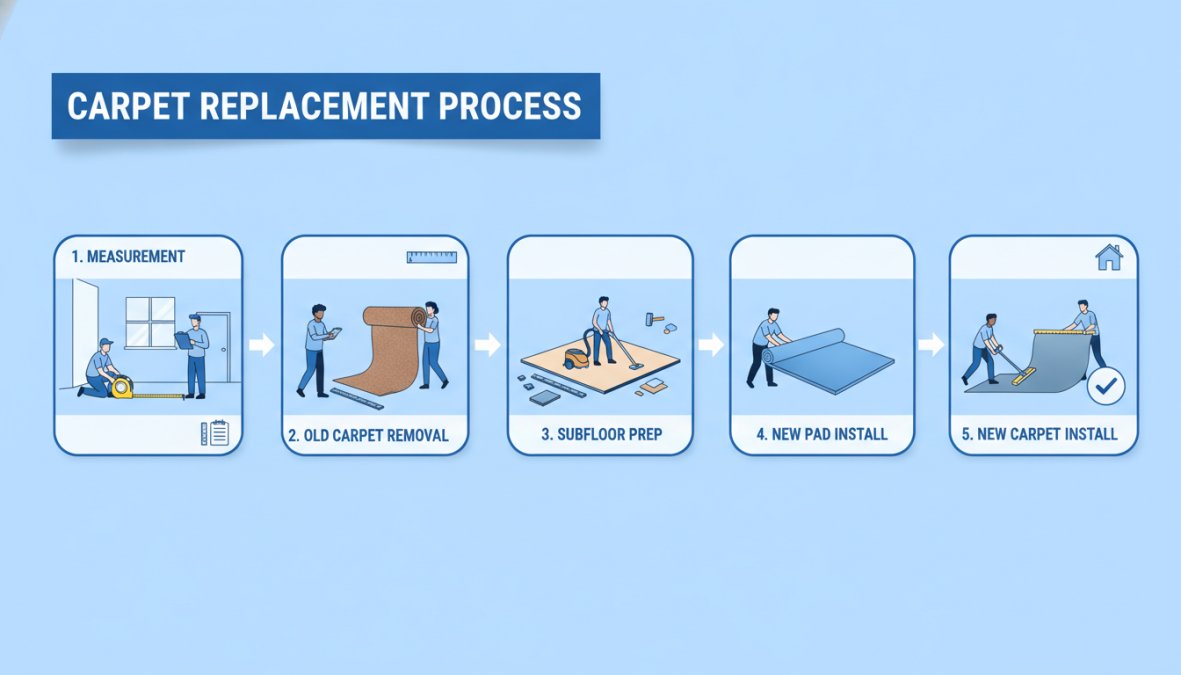
Measuring Your Space and Selecting Materials
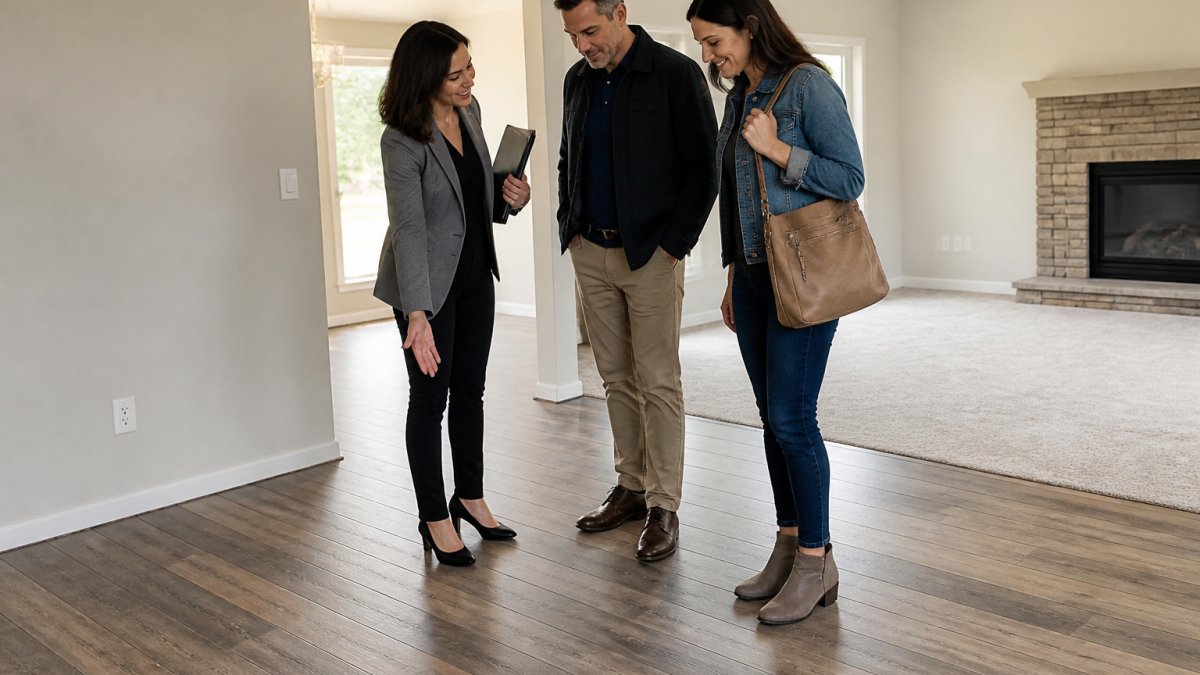
Accurate in-home measurement is the foundation of any successful installation. Installers measure each room, account for doorways and closets, calculate waste for pattern matching, and identify subfloor issues. During this visit, review carpet samples in your actual space under your lighting conditions, far more reliable than judging colors on a showroom floor.
Preparing Your Room for Installation Day
Clear all furniture from the room or confirm the installer will handle it. Remove fragile items, wall art, and anything stored in closets that open into the installation area. Many flooring contractors have specific policies about what they will and won't move, so confirm before the crew arrives.
What to Expect During Installation
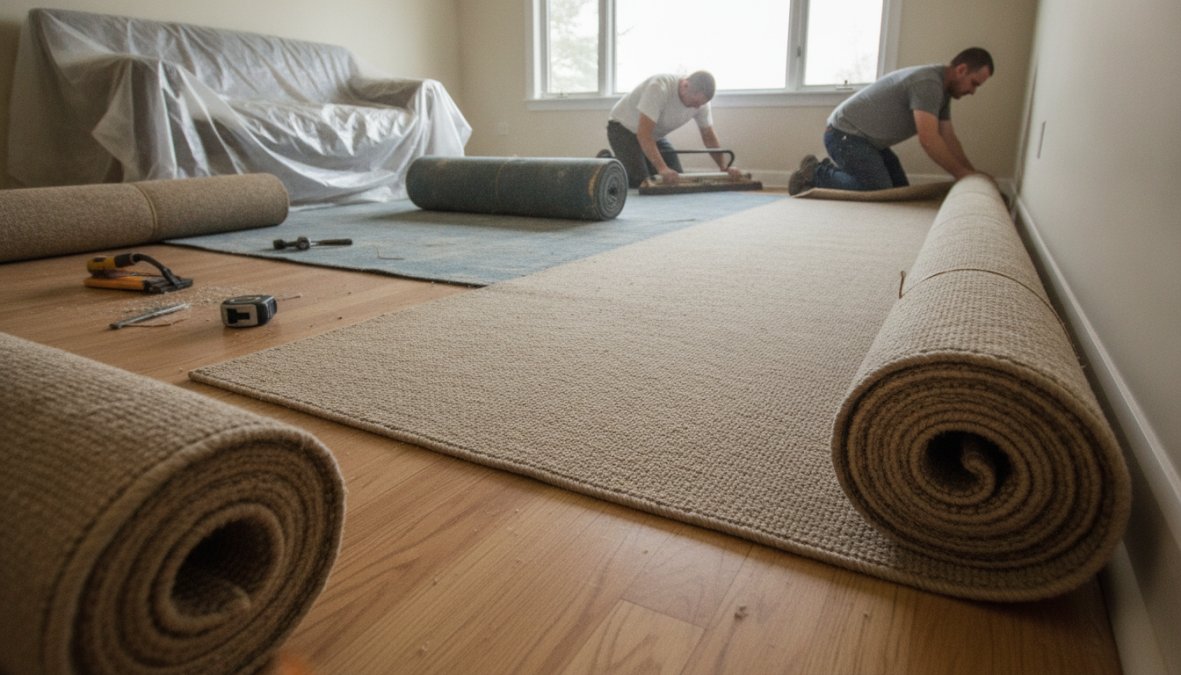
The crew will remove your old carpet, inspect and prepare the subfloor, install new padding, and lay and stretch the new carpet. Seams are cut and joined carefully to minimize visibility. The process is noisy and disruptive. Most single-room installations complete in a few hours; whole-home projects may span two days. Allow the carpet to settle for at least 24 hours before moving heavy furniture back.
DIY vs Professional Carpet Installation
DIY carpet installation can save money on labor, but the total cost-benefit picture is more complicated than it appears.
When DIY Makes Sense
DIY installation is viable for small, simple spaces with no stairs, no complex transitions, and a flat, even subfloor. A single bedroom with a straightforward rectangular layout is the most forgiving scenario. Carpet tile, designed for DIY application, requires no stretching equipment.
Why Professional Installers Are Worth It
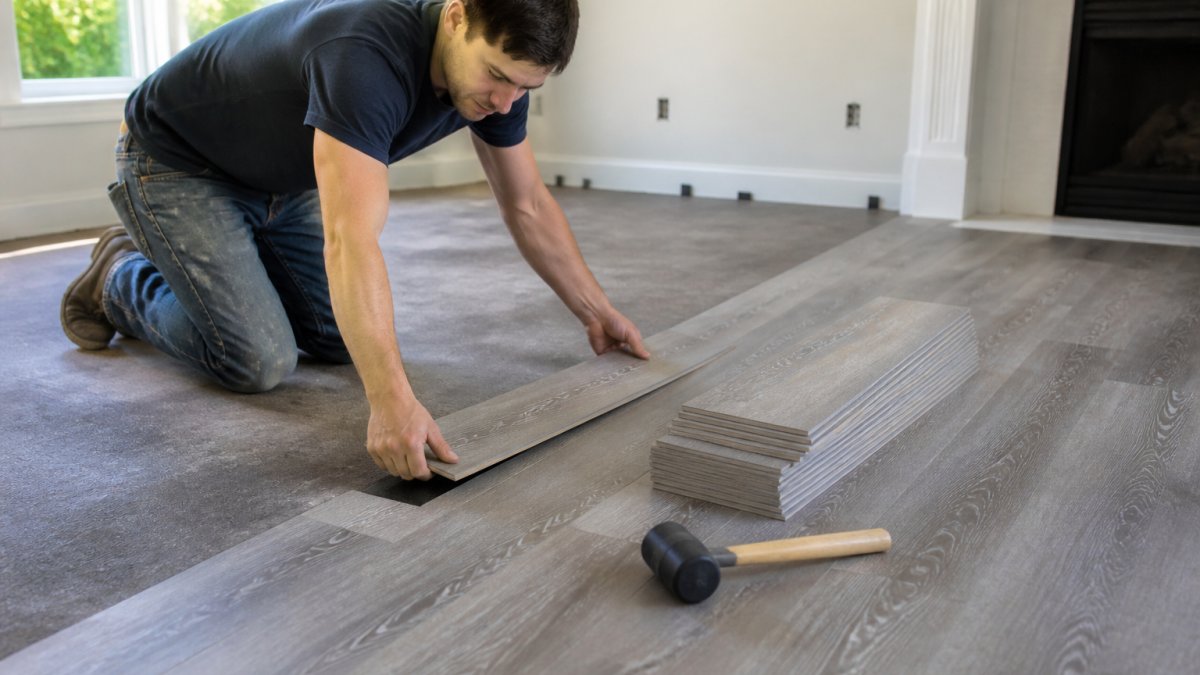
For most homeowners, professional installation pays for itself in carpet longevity and warranty protection. Many carpet manufacturers require professional installation to honor the product warranty. DIY installation voids that coverage entirely. Professional installers also carry their own workmanship warranties, typically for at least one year.
According to the National Wood Flooring Association's flooring installation standards, improper installation techniques are responsible for a significant share of flooring warranty claims.
Carpet Types, Materials, and Fiber Options
Choosing the right carpet fiber affects comfort, durability, and maintenance for the next decade or more.
Nylon, Polyester, and Wool Compared
Nylon is the most durable synthetic fiber for residential flooring. It resists crushing, bounces back from heavy foot traffic, and holds dye well. It costs more than polyester but typically outlasts it significantly in high-traffic areas.
Polyester offers excellent softness and vibrant color options at lower cost. It is naturally stain-resistant but matts down faster under heavy use and is less suitable for main living areas.
Wool is the premium natural option. It is durable, naturally flame-resistant, and has a texture synthetics cannot replicate. Wool requires more careful maintenance and carries a higher price.
Padding and Underlayment Selection
Padding is the most under-discussed variable in carpet installation. It affects how the carpet feels underfoot, sound and temperature insulation, and how long fibers hold up under compression. Your flooring consultant should match padding density and thickness to your specific carpet.
Finding Local Carpet Installation Pros Near You
Searching for carpet changing near me returns a mix of big-box retailers, local flooring contractors, and lead-generation sites. The quality gap between local pros and national chains is real.
What to Look for in Local Installers
The most important credentials are verifiable customer reviews, a physical service area matching your location, and clear communication about what the quote includes. Installers who provide in-home measurements before quoting are almost always more accurate and professional. Ask about their installation warranty and whether they use certified installers or subcontract the work.
Hamptons carpet one floor and Home serves all of Suffolk County, NY, with in-home measurement, a full selection of carpet samples, and direct consultation with flooring specialists.
Getting Estimates and Comparing Quotes
Get at least three estimates before committing. When comparing, ensure each covers the same scope: material, padding, labor, removal, and disposal. Ask each contractor to break out cost per square foot for materials and labor separately. Always get your estimate in writing and confirm what happens if additional work is discovered after the project begins.
Carpet Maintenance and Longevity After Installation
Proper maintenance is the difference between a carpet that looks good for five years and one that holds up for fifteen. Vacuum regularly, at least twice a week in high-traffic areas. Address spills immediately by blotting, not rubbing, working from the outside inward.
Professional cleaning every 12 to 18 months extends fiber life and removes embedded particulates. Many carpet warranties require periodic professional cleaning to remain valid. Rotating furniture placement every few years prevents permanent compression patterns.
Carpet Disposal and Sustainability Considerations
Old carpet disposal is a genuine logistical and environmental issue. Most removed carpet ends up in landfills, where synthetic fibers take decades to break down.
The Carpet America Recovery Effort (CARE) operates a network of recycling facilities that process old carpet into new products. When hiring a flooring contractor, ask whether they partner with carpet recycling programs. Choosing carpet made from recycled content is another option worth exploring. Several manufacturers now offer products with significant post-consumer recycled fiber content without compromising performance.
According to the Carpet America Recovery Effort's annual diversion data, millions of pounds of carpet are diverted from landfills annually through recycling programs, though the majority of removed residential carpet still ends up as waste.
Replacing carpet is straightforward in theory and complicated in practice, especially when hidden costs, subfloor surprises, and warranty requirements enter the picture. Hamptons carpet one floor and Home serves homeowners across all of Suffolk County, NY, with in-home measurements, a full selection of carpet samples across every fiber type and style, and professional installation guidance from a team that knows the local market. Visit Hamptons carpet one floor and Home to schedule your in-home consultation and get a complete, transparent estimate for your carpet replacement project.
Frequently Asked Questions
How much does it cost to change carpet in a room?
Carpet installation cost typically ranges from $3 to $12 per square foot installed, depending on carpet quality, padding, and your location in Suffolk County. A 200 sq ft room might cost $600-$2,400. Request in-home measurement quotes from local pros for accurate pricing based on your specific space and material choices.
How long does the carpet replacement process take?
Most residential carpet replacement takes 1-3 days. Carpet removal and subfloor preparation typically takes 4-8 hours, while installation of wall-to-wall carpet usually requires 1-2 days depending on room size and complexity. Stair installation and furniture removal add extra time. Same-day service may be available for smaller projects.
What should I look for when hiring a carpet installer near me?
Choose flooring contractors with verified customer reviews, proper licensing, and warranty coverage. Ask about their experience with your chosen carpet styles and fiber types (nylon, polyester, wool). Verify they handle subfloor preparation, padding selection, and furniture removal. Get multiple estimates and compare service areas to ensure they cover your location.
Is DIY carpet installation cheaper than hiring professionals?
While DIY saves labor costs, professional carpet installation typically delivers better results and longer-lasting carpets. Mistakes in subfloor preparation or stretching can void warranties and reduce carpet lifespan. Professionals have specialized tools and expertise in handling underlayment, seaming, and stair installation. For most homeowners, professional installation is worth the investment.
This article was written using GrandRanker