 Ultimate guide
Carpet and Flooring Showroom Guide for Suffolk County
Table of Contents
- What to Expect at a Carpet and Flooring Showroom
- How to Choose Flooring for Your Home
- Room-Specific Flooring Selection Guide
- Flooring Samples for Home: Testing Before You Buy
- Cost of Professional Flooring Installation Explained
- Flooring Sustainability and Eco-Friendly Materials
- Flooring Trends for 2025 and Beyond
- Finding the Right Carpet and Flooring Showroom Near You
Carpet and Flooring Showroom Guide for Suffolk County
Last Updated: July 5, 2026
What to Expect at a Carpet and Flooring Showroom
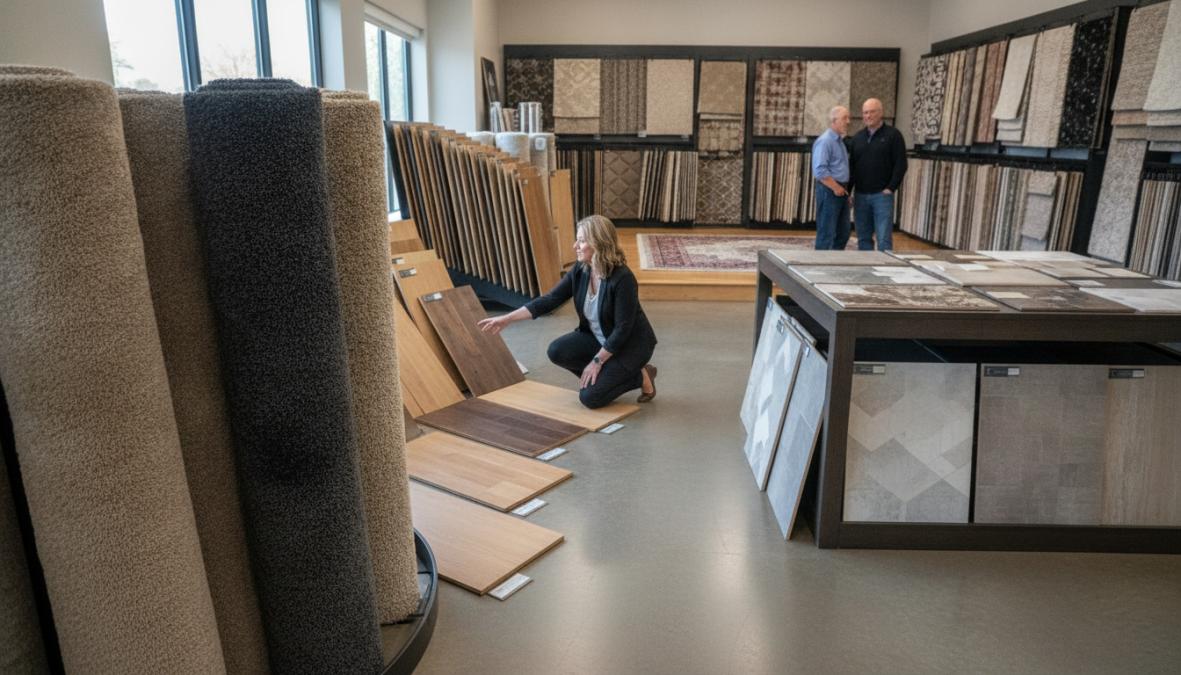
A professional carpet and flooring showroom displays dozens of product samples in realistic settings, allowing you to visualize how materials look in actual rooms. The best showrooms let you take samples home to test under your specific lighting conditions before purchasing.
Product Categories Available
Most showrooms stock five primary flooring categories: carpet for warmth and sound absorption; hardwood for durability and timeless aesthetics; engineered wood for hardwood looks at lower cost with better moisture resistance; vinyl and luxury vinyl plank for waterproof, affordable options that convincingly mimic natural materials; and ceramic or porcelain tile for moisture-prone areas like kitchens and bathrooms.
Quality showrooms carry multiple brands within each category, ranging from major manufacturers to budget-friendly options, domestic woods to exotic species, and basic ceramic to premium porcelain with intricate designs.
Expert Staff and Consultations
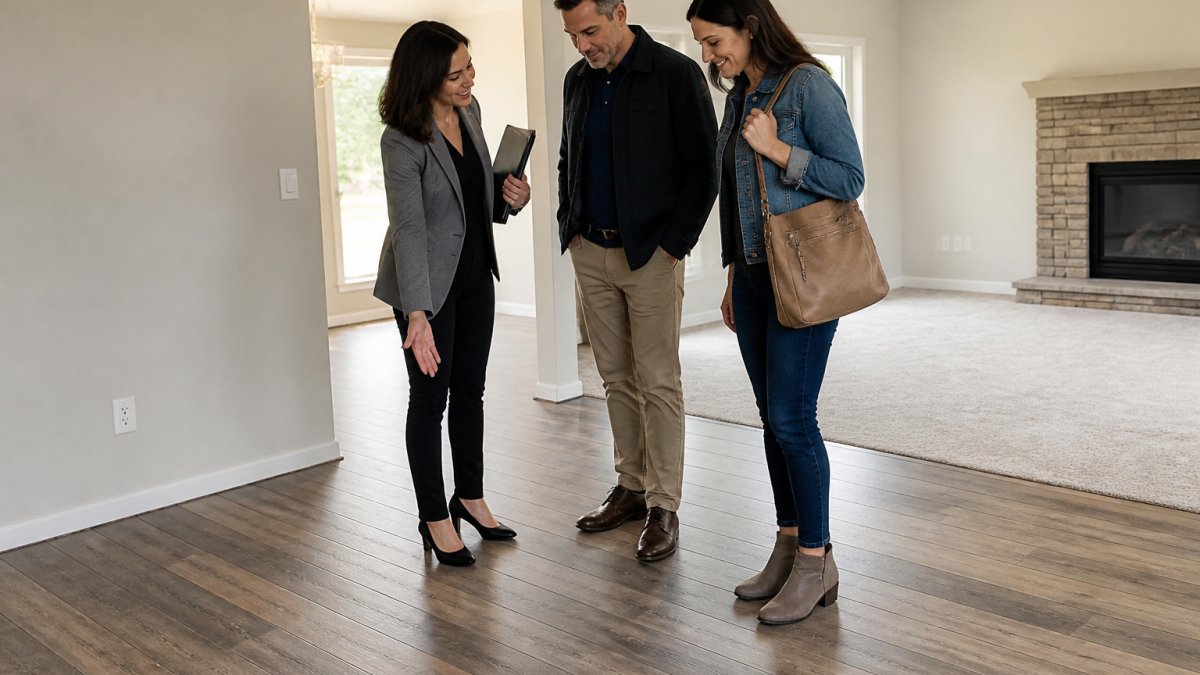
Professional showroom staff answer technical questions about durability, maintenance, and installation requirements. Many offer free in-home consultations where experts assess your space, measure rooms, identify subfloor conditions, and provide recommendations based on your traffic patterns, pets, children, and climate.
How to Choose Flooring for Your Home
Selecting the right flooring requires balancing practical needs with aesthetic preferences. The best approach evaluates your lifestyle first, then identifies materials matching both your needs and budget.
Assessing Your Lifestyle and Needs
Households with young children or pets need durable, easy-to-clean flooring that withstands spills and scratches, luxury vinyl plank excels here. Consider foot traffic patterns: high-traffic entryways need wear-resistant materials, while bedrooms can accommodate softer options. Kitchens and bathrooms demand moisture resistance. Your maintenance tolerance matters significantly: hardwood requires regular sweeping and occasional refinishing, while vinyl and tile need only basic sweeping and mopping.
Budget Considerations and Premium Options
Flooring budgets span a wide range: budget-friendly options ($2-5/sq ft) include basic carpet and vinyl plank; mid-range choices ($5-12/sq ft) include quality carpet and engineered wood; premium options ($15-30+/sq ft) include solid hardwood and specialty materials. Installation costs typically match or exceed material costs at $8-15 per square foot.
Room-Specific Flooring Selection Guide
Different rooms have different requirements. Understanding room-specific demands helps you select flooring that performs well for years.
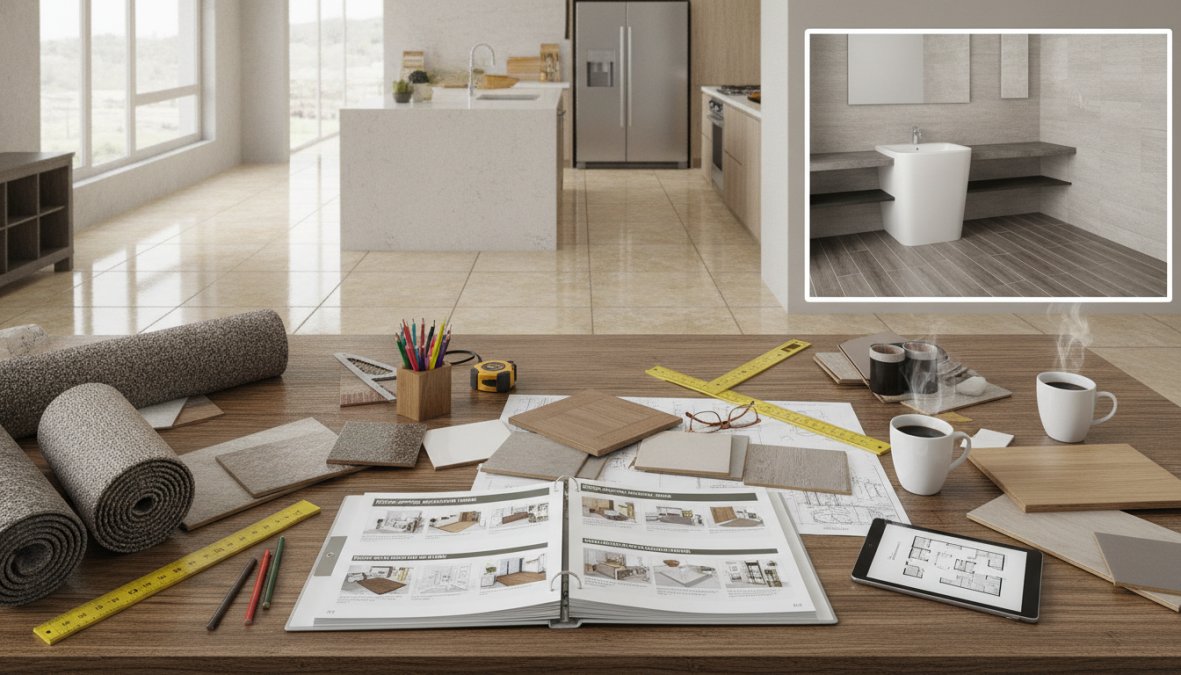
Kitchens and Bathrooms: Moisture-Resistant Solutions
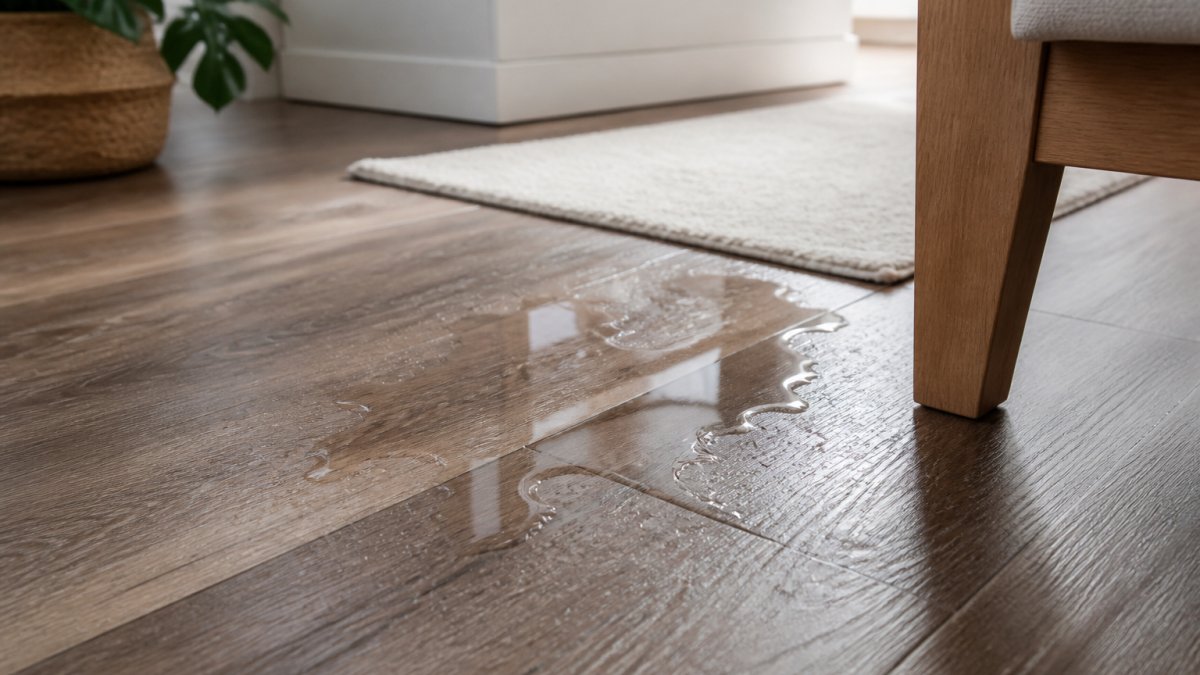
Ceramic and porcelain tile are ideal for kitchens and bathrooms because they're completely waterproof and easy to clean. Luxury vinyl plank has become the popular alternative, it's waterproof, warmer underfoot than tile, and high-quality options convincingly mimic wood or stone. Solid hardwood is not recommended for these wet environments as water causes swelling and warping. For safety, choose textured tile or matte-finish vinyl to prevent slipping when wet.
Living Spaces and Bedrooms: Comfort and Durability
Carpet remains popular in bedrooms for softness, sound absorption, and coziness. Hardwood flooring works beautifully in living rooms, offering durability and timeless appeal. Area rugs layer nicely over hardwood, adding warmth while protecting flooring from wear. Laminate provides a budget-friendly alternative to hardwood, resisting scratches and requiring minimal maintenance, though it can't be refinished.
Flooring Samples for Home: Testing Before You Buy
Selecting flooring without seeing samples in your actual home is risky. Showroom lighting differs dramatically from your home's natural daylight and artificial lighting. Professional showrooms encourage customers to take samples home.
Why Samples Matter in Your Decision
Flooring samples reveal how materials perform under your specific conditions. Natural light changes throughout the day and seasons. Your artificial lighting affects how colors appear. Samples also let you assess texture and feel, visualize scale across an entire room, and see how colors work with your furniture and décor.
How to Use Samples Effectively at Home
Request multiple samples of finalists to compare directly. Place samples in different rooms and lighting conditions for several days. Take photos under different lighting to create a visual record for decision-making.
Cost of Professional Flooring Installation Explained
Professional installation is a significant portion of your total flooring cost. Understanding what impacts pricing helps you budget accurately.
What Impacts Installation Pricing
Installation costs vary by material type, room size, subfloor condition, and regional labor rates. Basic carpet installation costs $3-8/sq ft; hardwood ranges $8-15/sq ft; tile costs $10-20/sq ft; vinyl plank is $3-8/sq ft. Subfloor condition dramatically affects costs, repairs or replacement increase expenses substantially. Room size, layout complexity, and specialty finishes also impact pricing.
DIY vs. Professional Installation: Cost-Benefit Analysis
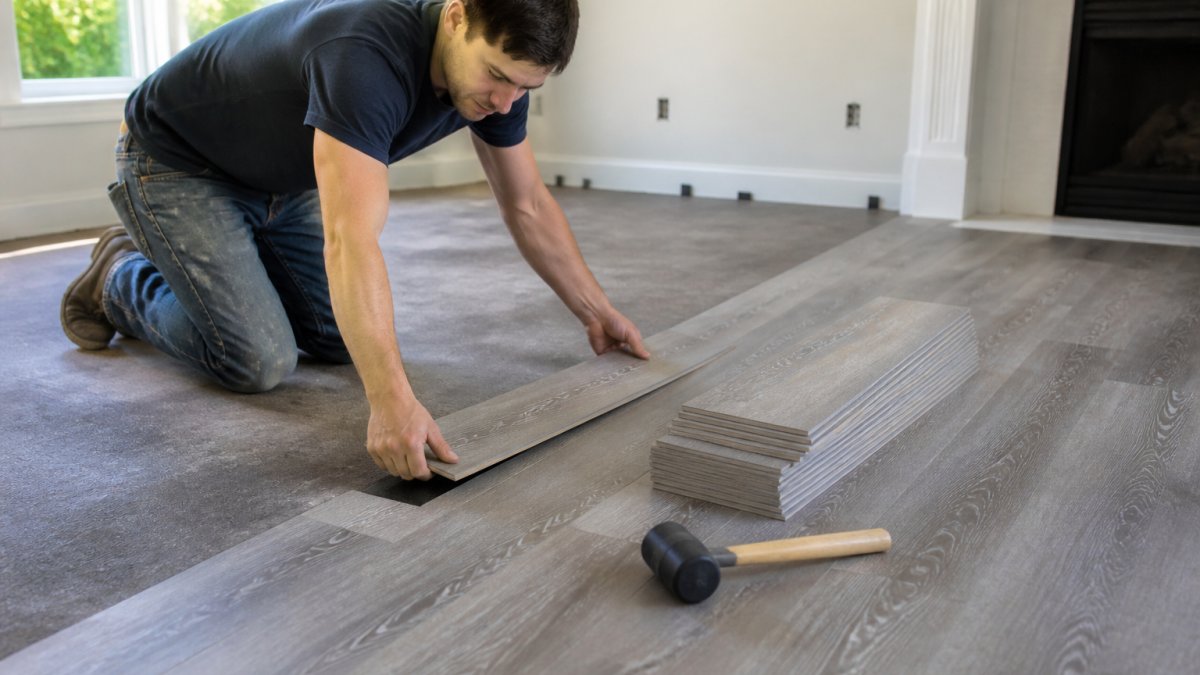
Vinyl plank flooring is the most DIY-friendly material. Laminate also works for confident DIYers. Carpet and tile require specialized equipment and skills most homeowners lack. DIY installation risks include improper seaming, inadequate subfloor preparation, and poor transitions. Professional installers carry warranties covering their work. For small projects, DIY vinyl plank might save $300-500; for larger projects or complex materials, professional installation protects your investment.
| Installation Type | Material Cost | Professional Labor | DIY Savings | Risk Level |
|---|---|---|---|---|
| Vinyl Plank | $2-8/sq ft | $3-8/sq ft | $300-800 (small room) | Low, forgiving material |
| Laminate | $1-5/sq ft | $3-7/sq ft | $250-700 (small room) | Low, straightforward process |
| Hardwood | $5-15/sq ft | $8-15/sq ft | $400-1200 (small room) | High, requires precision |
| Tile | $5-20/sq ft | $10-20/sq ft | $500-2000 (small room) | High, requires skill |
| Carpet | $2-8/sq ft | $3-8/sq ft | $300-800 (small room) | Medium, stretching critical |
Flooring Sustainability and Eco-Friendly Materials
Bamboo flooring is one of the most sustainable options, it grows rapidly and regenerates quickly. It's harder than most hardwoods and lasts 20+ years. Cork comes from cork oak bark, which regenerates after harvesting, and is naturally antimicrobial and warm underfoot. Recycled content vinyl and tile use reclaimed materials, reducing waste. Hardwood from FSC-certified sustainable sources ensures responsible harvesting. Laminate made from recycled wood fibers and low-VOC adhesives reduces indoor air pollution.
Flooring Trends for 2025 and Beyond
Wide-plank hardwood and vinyl plank (7+ inches) create modern aesthetics and make rooms appear larger. Matte and textured finishes resist fingerprints and hide imperfections better than glossy surfaces. Large-format tile (12x24 inches or larger) reduces grout lines for cleaner aesthetics. Stone-look and wood-look vinyl has become so realistic that many choose it over authentic materials for practical advantages. Sustainable materials continue gaining market share. Mixed-material installations combine different flooring types to optimize performance in each room.
Finding the Right Carpet and Flooring Showroom Near You
Benefits of Locally Owned and Operated Showrooms
Locally owned showrooms offer advantages over big-box retailers: curated product selections, knowledgeable staff with years of experience, and personalized service. Local owners invest in their communities and develop customer relationships. They understand regional climate conditions, architectural styles, and local preferences. They're invested in your satisfaction and can speak directly with you if issues arise.
Free Estimates and Customer Service
Professional showrooms provide free in-home estimates where specialists assess your space and provide recommendations. Quality customer service includes follow-up communication, responsive answers, and post-installation support. Many showrooms offer design consultations, color matching, and financing options.
Flooring Maintenance and Care Tips
Carpet maintenance includes regular vacuuming (2-3 times weekly in high-traffic areas), prompt stain treatment, and annual professional cleaning. Hardwood needs regular sweeping and damp mopping with hardwood-specific cleaners; refinish every 7-10 years. Vinyl requires minimal maintenance, sweeping and occasional damp mopping. Avoid excessive moisture that seeps into seams. Tile needs sweeping and mopping; seal grout lines every 1-3 years. Laminate requires careful moisture management, wipe spills immediately to prevent water seeping into seams.
Selecting the right flooring requires balancing practical needs with aesthetic preferences while understanding the full cost of materials and installation. The process becomes manageable when you visit a quality showroom, examine samples in your home's lighting, and work with knowledgeable professionals. Hamptons carpet one floor and Home serves all of Suffolk County with comprehensive flooring selections and expert guidance. Our team helps you evaluate options based on your lifestyle, budget, and design preferences. Contact us today to schedule your consultation.
Frequently Asked Questions
What should I bring with me to a carpet and flooring showroom?
Bring measurements of your rooms, photos of your current décor, paint swatches or color samples, and a list of your lifestyle needs. Also bring flooring samples you've collected from other sources to compare. Having this information helps showroom experts recommend the best floor covering options and provide accurate free estimates for your project.
How do I choose flooring for my home based on room use?
Consider each room's traffic level and moisture exposure. Kitchens and bathrooms need moisture-resistant options like ceramic tile, porcelain tile, or luxury vinyl plank. Living areas benefit from durable hardwood or engineered wood. Bedrooms work well with softer materials like carpet. Showroom experts can guide you through these room-specific considerations during consultations.
What is the cost of professional flooring installation versus DIY?
Professional installation typically costs $3-$8 per square foot depending on material and complexity. DIY saves labor but requires skill, tools, and proper subfloor preparation. Professional installers offer warranties and ensure correct measure-and-install procedures. For most homeowners, professional installation prevents costly mistakes and guarantees quality results.
Is it better to buy flooring from a local showroom or online?
Local carpet and flooring showrooms offer hands-on product viewing, expert consultations, free estimates, and professional installation services. You can examine actual flooring samples, discuss durability and maintenance with specialists, and receive personalized recommendations. Online options may be cheaper but lack expert guidance and local customer service support.
This article was written using GrandRanker