 Comparison
Click-Lock vs Glue-Down LVP: Pros, Cons & Costs
Table of Contents
- Click-Lock vs Glue-Down LVP: Key Differences at a Glance
- Understanding Click-Lock LVP Installation
- Understanding Glue-Down LVP Installation
- Durability and Performance in High-Traffic Areas
- Subfloor Requirements: Best Subfloor for LVP
- Installation Difficulty and DIY LVP Installation Tips
- LVP Installation Cost Comparison
- Repair and Maintenance: Which Method Wins
Last Updated: August 19, 2026
Click-Lock vs Glue-Down LVP: Key Differences at a Glance
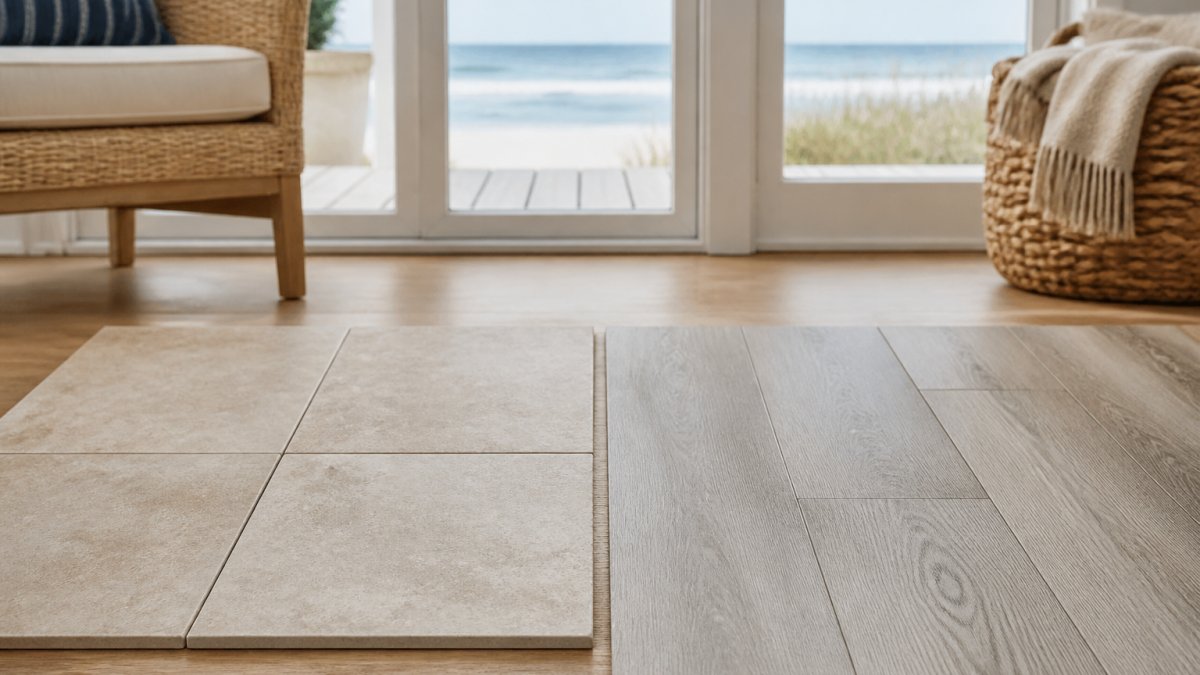
Click-lock LVP uses an interlocking mechanism that allows planks to snap together without adhesive, creating a floating floor. Glue-down LVP is permanently bonded to the subfloor with adhesive. This single difference cascades into distinct trade-offs around installation time, repairability, durability, and cost.
According to MSI Surfaces flooring data, click-lock installation for 200 square feet typically takes 3-5 hours, while glue-down requires 6-10 hours plus a 24-hour curing period. Click-lock's speed appeals to DIY projects and tight schedules, while glue-down's permanence delivers superior stability in high-traffic areas and coastal environments.
At Hamptons Carpet One Floor and Home, we've helped countless homeowners navigate this choice. The decision is about matching the installation method to your room's demands, subfloor condition, and willingness to handle repairs yourself.
Understanding Click-Lock LVP Installation
How the Locking Mechanism Works
Click-lock LVP uses a tongue-and-groove system where the tongue on one plank's edge fits into a groove on the adjacent plank. When pressed together at the correct angle, they lock mechanically without adhesive. The entire installation sits on top of the subfloor as a floating floor, allowing slight expansion and contraction as temperature and humidity fluctuate, an advantage in coastal environments where salt air and moisture swings are extreme.
Pros of Click-Lock Flooring
Click-lock wins on speed and convenience. Installation takes 3-5 hours for 200 square feet, and you need only basic tools: a miter saw, tapping block, and pull bar. The DIY barrier is significantly lower, and most homeowners can handle installation themselves, controlling the schedule and avoiding contractor disruption.
Individual plank replacement is straightforward. If one plank gets damaged, you can remove it without disturbing surrounding planks, then click a new one into place. Cost-effectiveness tilts toward click-lock in rooms under 500 square feet. According to iDeal Floors installation analysis, labor savings from faster installation and potential DIY work offset material costs, with total savings typically running 15-25% less than glue-down.
:::pro In rooms under 500 square feet, click-lock installation costs typically run 15-25% less than glue-down when you factor in labor time. :::
Cons of Click-Lock Flooring
The floating floor creates subtle movement that some homeowners notice, a slight give underfoot or occasional hollow-sounding steps. Moisture management is more complex because gaps exist between planks. While modern click-lock LVP is waterproof, water can seep into seams if spills aren't cleaned immediately. Glue-down's continuous adhesive layer creates a moisture barrier that click-lock cannot match.
Expansion gaps must be maintained around the perimeter, typically 1/4 inch to allow the floating floor to expand and contract. Improper gap management can cause planks to buckle or separate. Click-lock LVP is generally thicker (4-8mm) than glue-down options, which can create height transitions at doorways when replacing existing flooring.
Understanding Glue-Down LVP Installation
How Adhesive Bonding Works
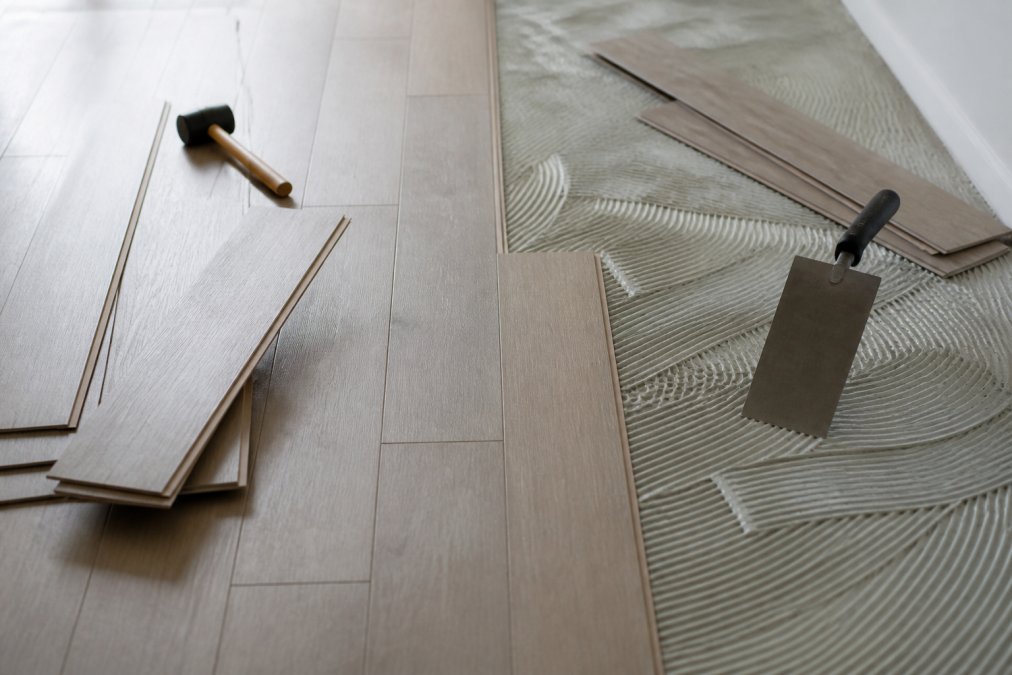
Glue-down LVP is installed by spreading adhesive across the subfloor using a notched trowel, then pressing planks directly into the adhesive layer. Once cured, the floor becomes a single unified system. This permanent bond means zero movement, the floor doesn't shift, settle, or flex.
Pros of Glue-Down Flooring
Glue-down delivers superior stability in high-traffic areas. According to Beno's Flooring durability research, glue-down LVP offers greater resistance to heavy foot traffic and movement compared to click-lock systems, making it the preferred choice for commercial settings and homes with significant daily use.
Moisture performance is exceptional. The continuous adhesive layer acts as a moisture barrier, preventing water from penetrating seams. In kitchens, bathrooms, and coastal properties, glue-down's sealed construction is genuinely superior. Glue-down LVP is often thinner (2-3mm) than click-lock alternatives, according to MSI Surfaces thickness comparison, meaning fewer transition issues when replacing existing flooring. The floor feels more solid underfoot with no give or flex.
Cons of Glue-Down Flooring
Installation is significantly slower and more disruptive. The 6-10 hour installation window doesn't include the 24-hour cure time required before the floor can handle foot traffic. Your space is essentially unusable for a full day after installation.
Subfloor preparation is unforgiving. The subfloor must be absolutely flat and flawless. Even minor imperfections will create soft spots where the adhesive doesn't bond properly, often requiring additional prep work: grinding high spots, filling depressions, or replacing compromised subfloor sections.
Individual plank replacement is labor-intensive and expensive. Removing a damaged plank means scraping away adhesive and carefully removing surrounding planks to access it. A single damaged plank can become a multi-hour repair job. While modern adhesives are low-VOC and safe, the chemical smell during and after installation is noticeable, and proper ventilation is essential.
Durability and Performance in High-Traffic Areas
The permanent bond of glue-down flooring delivers measurably better performance in high-traffic residential spaces and commercial environments. Click-lock's floating system allows subtle movement that, over years of heavy foot traffic, can cause planks to shift or separate at seams.
Coastal properties present a specific durability challenge. Salt air accelerates wear on finishes, and moisture fluctuations stress flooring systems constantly. Glue-down's sealed construction, where the adhesive layer prevents moisture infiltration through seams, outperforms click-lock in these conditions.
Click-lock's durability is solid for typical residential use. In normal living spaces without extreme traffic or moisture exposure, the mechanical connection holds reliably. Indentation resistance is comparable between both systems; the wear layer quality matters more than the installation method.
For commercial applications or homes with multiple pets and young children, glue-down is the safer choice. For typical residential use in moderate-traffic areas, click-lock performs adequately with quality planks.
Subfloor Requirements: Best Subfloor for LVP
Click-lock is more forgiving of minor imperfections. The floating floor can bridge small dips or high spots without creating problems. Most residential subfloors (plywood, concrete, existing vinyl) work fine if they're reasonably flat and stable.
Glue-down demands flawless subfloor preparation. Any high spot will create a void where the adhesive doesn't bond properly. The subfloor must be flat within 3/16 inch over 10 feet, a precision tolerance that often requires professional leveling.
Moisture barriers are critical for both systems, especially for glue-down over concrete. Concrete wicks moisture from the ground, and that moisture will destroy the adhesive bond. A moisture barrier must be installed before adhesive application. Click-lock allows more flexibility, but moisture barriers are still recommended to prevent mold growth beneath the planks.
Underlayment serves different purposes for each system. With click-lock, underlayment adds cushioning, sound dampening, and minor leveling. With glue-down, underlayment isn't typically used because the adhesive creates the bond directly to the subfloor.
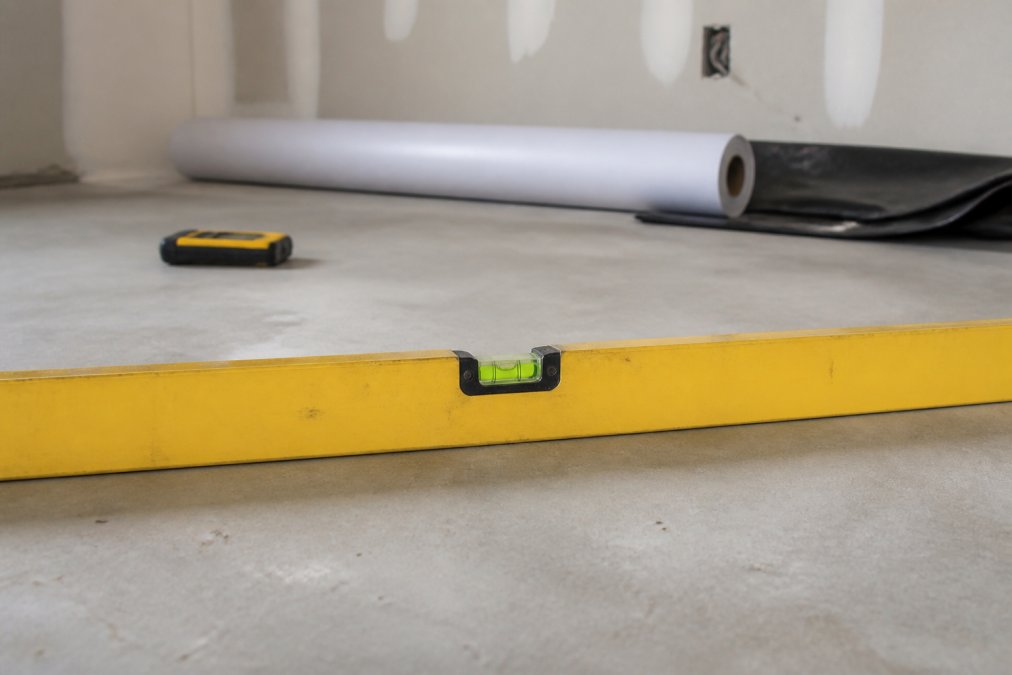
Existing flooring removal depends on subfloor condition. If installing over existing vinyl or linoleum, both systems work, but the existing material must be stable and clean. Loose underlayment should be removed, and old adhesive residue must be scraped away before glue-down installation.
Radiant heating systems present a consideration for both, though click-lock is slightly more compatible. The floating nature of click-lock allows better heat transfer than glue-down's direct adhesive bond. Verify compatibility with the specific LVP product.
Installation Difficulty and DIY LVP Installation Tips
Click-lock LVP is genuinely DIY-friendly if you have basic tool skills and patience. Start with layout planning. Measure your room and determine plank direction (typically parallel to the longest wall). Plan for a 1/4-inch expansion gap around all perimeter walls. If your first row is very narrow (less than 2 inches), rip the starting planks lengthwise to create a wider first row.
Subfloor preparation is the most time-consuming step. Sweep thoroughly, remove debris, and fill gaps or holes. If the subfloor is uneven, use a self-leveling compound or sand down high spots.
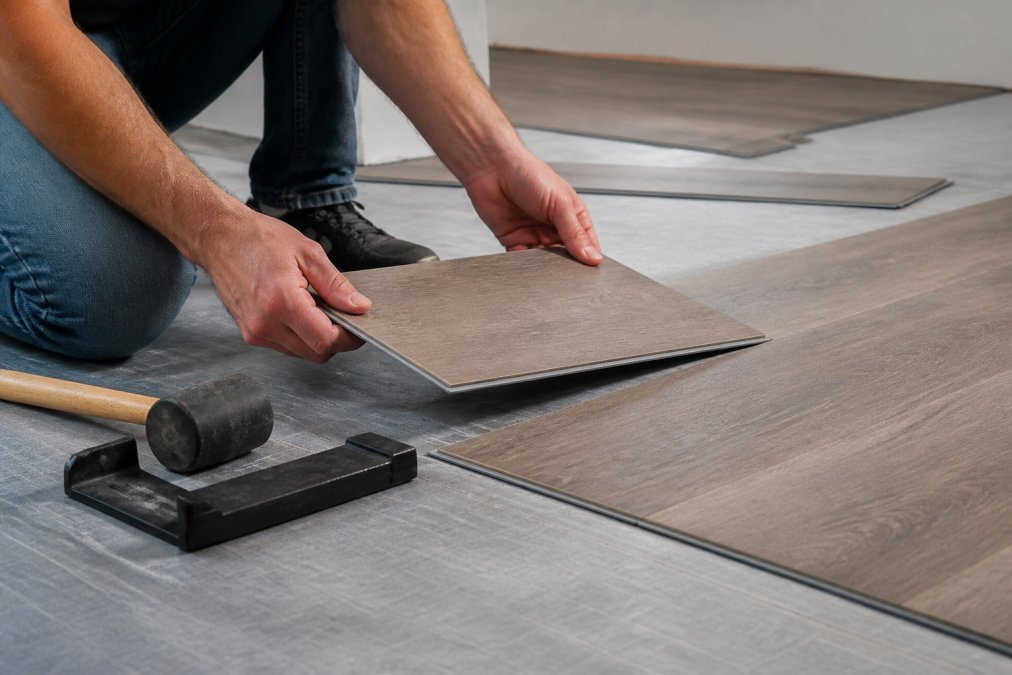
Lay underlayment if using click-lock. Start in one corner and work systematically across the room. Click planks together at a slight angle (approximately 20 degrees), then press down to lock. Use a tapping block and rubber mallet to seat planks fully without damaging the locking mechanism. Stagger end joints for visual appeal and structural integrity.
Glue-down installation is significantly more challenging for DIY work. It requires precision, speed, and chemical handling. You must spread adhesive at the correct coverage rate, then press planks into place with consistent pressure. The 24-hour cure time means you're committed to the project. For most homeowners, glue-down is worth hiring professional installation.
LVP Installation Cost Comparison
Material costs for click-lock and glue-down LVP are comparable, both typically ranging from $2 to $10 per square foot depending on quality and brand. Labor costs create the real difference. Click-lock installation runs faster, reducing labor hours. For a 200-square-foot room, you're looking at roughly 3-5 hours of installation work. Glue-down requires 6-10 hours plus cure time.
In rooms under 500 square feet, click-lock frequently wins the cost battle, particularly when you factor in potential DIY installation. Subfloor preparation is less demanding, reducing prep costs.
Subfloor preparation costs vary dramatically between the two methods. Click-lock tolerates minor imperfections, so prep might cost nothing beyond basic cleaning. Glue-down over an uneven subfloor can require leveling work, grinding high spots, filling depressions, or replacing damaged sections, adding hundreds or thousands of dollars.
Moisture barrier installation is required for both systems over concrete, typically costing $0.50-$1.00 per square foot. Long-term repair costs favor click-lock. Replacing a damaged plank in a click-lock floor is a homeowner-level task, while replacing a plank in glue-down flooring requires professional work and multiple hours of labor.
| Factor | Click-Lock LVP | Glue-Down LVP |
|---|---|---|
| Material Cost (per sq ft) | $2-$10 | $2-$10 |
| Installation Time (200 sq ft) | 3-5 hours | 6-10 hours |
| Cure Time Required | None | 24 hours |
| Subfloor Prep Difficulty | Moderate | Demanding |
| DIY Feasibility | High | Low |
| Plank Replacement Cost | Low | High |
| Moisture Barrier Cost | Modest | Modest |
Repair and Maintenance: Which Method Wins
Click-lock flooring is dramatically easier to repair. A damaged plank can be removed by carefully prying up the affected plank and its neighbors, then clicking a replacement into place. The repair takes 30 minutes to an hour for a single plank.
Maintenance for click-lock is straightforward: sweep regularly, clean spills immediately, and use a damp (not wet) mop for routine cleaning. Avoid standing water and excessive moisture. Ventilation after cleaning is important to prevent mold growth beneath the planks.
Glue-down flooring is more challenging to repair. Removing a damaged plank means scraping away adhesive carefully, then removing surrounding planks to access it. Once the damaged plank is out, you must clean the subfloor of old adhesive residue, then re-adhere the replacement plank and any surrounding planks you removed. The repair requires cure time before the area can handle foot traffic.
Maintenance for glue-down is equally simple day-to-day: sweep, clean spills promptly, and use a damp mop. The sealed construction actually makes it more forgiving of occasional moisture exposure compared to click-lock.
Long-term durability of the floor itself, the wear layer, vinyl composition, resistance to indentation and staining, is comparable between both systems. For homeowners who want the flexibility to handle repairs themselves without professional help, click-lock is substantially more practical. For homeowners who prioritize never needing repairs because the floor is sealed and protected, glue-down's permanence and moisture resistance are appealing.
Choosing between click-lock and glue-down LVP comes down to your priorities: speed and DIY capability versus permanence and moisture resistance. Click-lock wins for most residential projects where schedule and installation cost matter. Glue-down wins in high-traffic areas, coastal environments, and commercial spaces where stability and moisture management are non-negotiable.
At Hamptons Carpet One Floor and Home, we help homeowners evaluate their specific space, moisture exposure, traffic patterns, subfloor condition, and timeline to recommend the right system. Our team understands the unique demands of coastal properties and can guide you through subfloor preparation and installation planning. Contact us for a consultation and let's find the flooring solution that fits your home and your needs.
Frequently Asked Questions
Is glue-down LVP more durable than click-lock?
Glue-down LVP generally offers superior stability and resistance to heavy traffic because it's permanently bonded to the subfloor, reducing movement. This makes it ideal for commercial settings or high-traffic residential areas. Click-lock LVP is durable but may have a slight give compared to glue-down. For coastal homes with heavy foot traffic, glue-down performs better with water resistance and long-term durability.
Which LVP installation method is better for DIY projects?
Click-lock LVP is far more DIY-friendly. It's a floating installation that doesn't require adhesive, trowels, or curing time. For a 200 sq ft area, click-lock typically takes 3-5 hours to install. Glue-down requires professional-grade tools, subfloor preparation, and a 24-hour curing period, making it less suitable for homeowners tackling the job themselves.
Does glue-down vinyl flooring require a perfectly level subfloor?
Yes, glue-down LVP requires a very flat and flawless subfloor for optimal performance. Surface leveling is essential to prevent adhesive failure and movement. Click-lock is more forgiving of minor imperfections because it floats over the subfloor rather than being bonded to it. If your subfloor has significant dips or high spots, click-lock may be the better choice.
What are the main disadvantages of click-lock flooring?
Click-lock LVP can produce a hollow sound when walked on if not properly installed over underlayment, and gaps between planks may allow moisture through if sealing isn't done well. Individual plank replacement is easier than glue-down, but the floating nature means it has slightly more movement than permanently bonded flooring. In very high-traffic commercial areas, glue-down typically outperforms click-lock for long-term stability.
This article was written using GrandRanker