 Ultimate guide
Custom Carpets and Rugs: The Complete Buying Guide
Table of Contents
- What Are Custom Carpets and Rugs?
- How to Measure for Custom Area Rugs
- Custom Rug Materials Guide: Natural vs. Synthetic
- Understanding Custom Rug Cost Factors
- The Bespoke Rug Design Process Explained
- Customization Options: Shape, Size, and Branding
- Residential vs. Commercial Custom Carpets and Rugs
- Rug Maintenance and Longevity Guide
Custom Carpets and Rugs: The Complete Buying Guide
Last Updated: July 7, 2026
Custom carpets and rugs offer something standard floor coverings cannot: a perfect fit for your exact dimensions, aesthetic preferences, and functional needs. At Hamptons carpet one floor and Home, we've helped homeowners and business owners across Suffolk County navigate selecting, measuring, and designing custom floor coverings. This guide walks you through everything you need to know, from measuring your space accurately to choosing materials that perform under real-world conditions.
What Are Custom Carpets and Rugs?
Custom carpets and rugs are floor coverings manufactured to your exact specifications rather than selected from existing inventory. Unlike standard area rugs in predetermined sizes like 5×8 or 8×10, bespoke rugs fit your room's dimensions precisely, eliminating the compromise of choosing between slightly too small or awkwardly oversized.
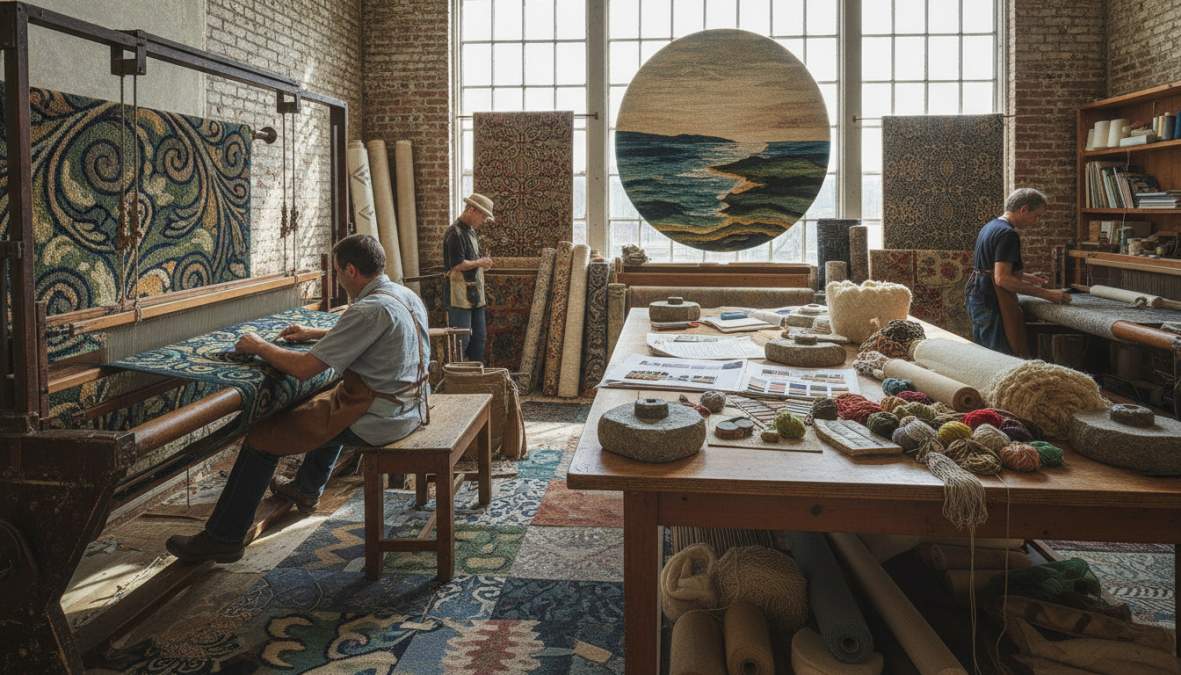
The term "custom" encompasses several variations. A made-to-order rug might use a standard pattern in a non-standard size. A fully bespoke design lets you control the pattern, colors, textures, and even incorporate logos or corporate branding. Some custom rugs are hand-woven using traditional techniques, while others are machine-made with modern precision.
Custom rugs serve both residential and commercial purposes. In homes, they anchor living spaces and add personality. In offices, hotels, and retail environments, they reinforce brand identity and create cohesive design schemes. Custom sizing also solves practical problems, fitting around built-in furniture or filling awkward room shapes.
How to Measure for Custom Area Rugs
Accurate measurements are the foundation of a successful custom rug purchase. Even a few inches of error can throw off the entire visual balance of a room.
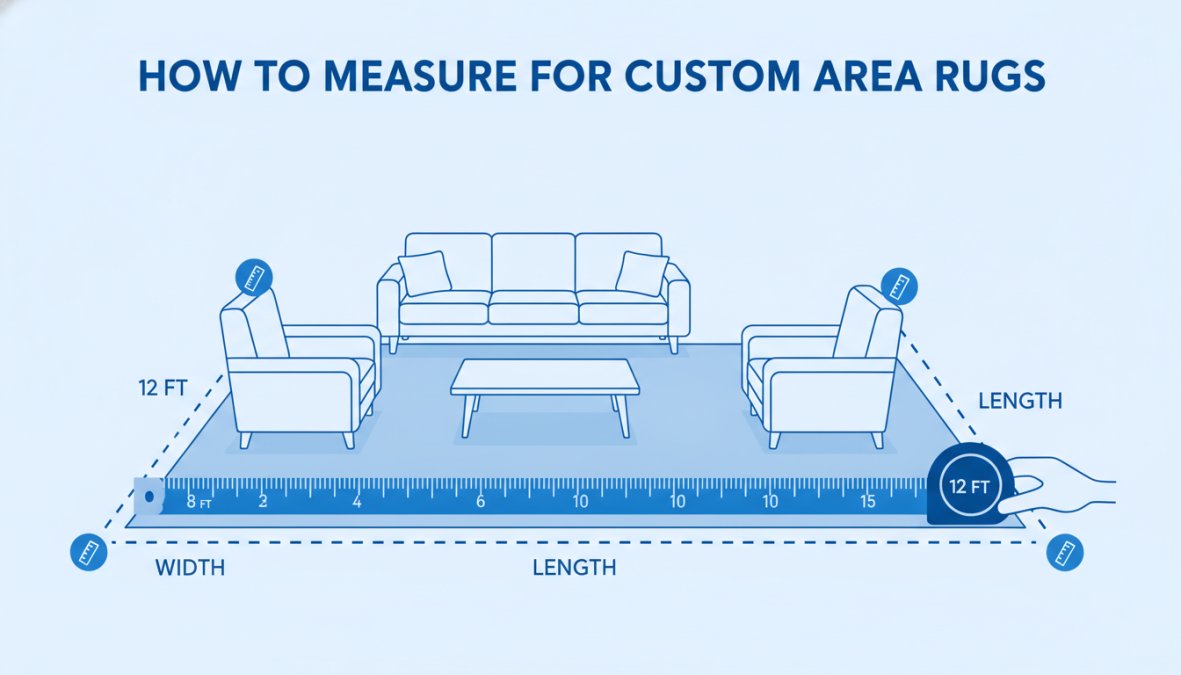
Use a metal measuring tape rather than cloth, which can stretch. Measure from wall to wall in the area where the rug will sit. Write down both dimensions clearly and measure at least twice. If your room is perfectly rectangular, you're done. Most spaces have complications.
Consider furniture placement. Will the rug sit under the sofa front legs only, or extend under the entire seating arrangement? A common residential approach is leaving 12-18 inches of floor visible on all sides. Measure around obstacles like fireplaces or built-in bookcases, noting their position relative to where the rug will sit.
Measuring Tips for Different Room Shapes
For L-shaped rooms, you can order one large rug covering the entire footprint or two separate rugs defining each zone. Measure each section independently and note placement.
Hallways and runners require length and width measurements accounting for traffic patterns. A runner should typically be 2.5 to 3 feet wide for a standard hallway. Measure the hallway's full length, then decide how much the runner should cover.
Rooms with angled or vaulted ceilings don't change floor measurement, but they affect how a rug looks visually. Consider ordering a slightly larger rug than a standard formula would suggest.
Custom Rug Materials Guide: Natural vs. Synthetic
The material you choose determines how your rug looks, feels, performs under foot traffic, and responds to cleaning. This decision is as important as size and design.
Wool is the most popular natural choice for custom residential rugs. It's naturally resilient, bouncing back after foot traffic rather than showing permanent crush marks. Wool resists staining and is easier to clean than many synthetic alternatives. A quality wool rug lasts 15-20 years with proper care.
Silk rugs are luxurious with a soft sheen that catches light beautifully, but silk is delicate and vulnerable to staining. Silk works best in formal spaces with controlled foot traffic like formal dining rooms or bedrooms.
Jute and sisal are plant-based fibers creating textured, earthy-looking rugs. They're durable for moderate traffic but feel rough underfoot compared to wool or synthetics. They're popular for coastal and rustic aesthetics and more affordable than wool or silk.
Synthetic fibers, nylon, polyester, and polypropylene, offer practical advantages. They're stain-resistant by design, easier to clean, and less expensive than natural fibers. Nylon is the most durable synthetic. Polypropylene is budget-friendly but less durable than nylon.
Choose natural fibers if you value longevity, luxury feel, and environmental considerations. Choose synthetics if stain resistance, easy maintenance, and budget are primary concerns. For commercial spaces with high traffic, synthetics often make more practical sense.
Sustainability and Eco-Friendly Options
Wool is renewable and biodegradable, making it environmentally preferable to synthetic fibers. Organic wool, grown without synthetic pesticides, represents an even more sustainable option, though it costs more.
Plant-based fibers like jute and sisal are renewable and biodegradable, requiring less chemical processing than synthetics. However, they're less durable, potentially needing replacement sooner.
Some manufacturers produce rugs from recycled synthetic fibers, diverting plastic waste from landfills while performing similarly to virgin fiber rugs. When evaluating sustainability, consider total lifespan: a wool rug lasting 20 years has lower environmental cost per year than a synthetic rug lasting 8 years.
Understanding Custom Rug Cost Factors
Custom carpet and rug pricing depends on several variables. Size is the most obvious factor, larger rugs require more materials and labor. A 6×9 rug costs significantly less than a 10×14 rug of the same material and quality.
Material choice is the second major cost driver. Wool costs more than synthetic fibers. Silk costs more than wool. Hand-woven rugs cost substantially more than machine-made alternatives because they require skilled labor and take weeks or months to complete.
Design complexity affects pricing. A solid-colored rug is less expensive than one with an intricate pattern. Custom logos require additional setup and precision, increasing cost. More colors in your design also increase the price.
Manufacturing process matters significantly. Hand-tufted rugs fall between hand-woven and machine-made in cost and production time. Machine-made rugs are the fastest and most affordable. For most custom residential applications, machine-made or hand-tufted options deliver excellent quality at reasonable cost.
For current pricing and quotes on your specific project, contact Hamptons carpet one floor and Home directly, pricing depends on your exact dimensions, material selections, and design complexity.
The Bespoke Rug Design Process Explained
Ordering a custom rug is a process spanning several weeks with multiple decision points. The process begins with a consultation where you discuss your space, needs, aesthetic preferences, and budget. Share measurements, photos of your room, and design inspiration. A good consultant asks clarifying questions about foot traffic, pets, existing colors, and your timeline.
Next comes the design phase. Based on your input, the supplier creates mockups or samples showing color options and patterns. This is your opportunity to refine the design and ensure the final product matches your vision.
Once you approve the design, the order moves to production. Manufacturing time varies dramatically: machine-made custom rugs might be ready in 4-8 weeks; hand-woven rugs can take 12-16 weeks or longer. When complete, the rug is inspected, packaged carefully, and shipped to you or an installer.
Step-by-Step Design Consultation
A thorough consultation covers specific ground. First, the consultant assesses your space, asking about room dimensions, existing furniture, lighting, and overall design style. Second, they discuss functional needs, is this a high-traffic family room or formal dining room? Third, they explore your color and pattern preferences. Fourth, they address practical constraints like timeline and budget. Finally, they discuss next steps and timelines.
Visualizing Your Custom Rug in Real Spaces
Digital visualization uses photos of your room combined with digital rug mockups, helping you see how different colors and patterns appear in your specific lighting. However, digital images don't capture texture or how light actually reflects off the material.
Physical samples are more tangible. Request swatches of the actual material and colors you're considering. Place these in your room at different times of day to see how they look in morning, afternoon, and evening light.
A practical approach combines these methods. Use digital visualization to narrow down options. Request physical samples of your top choices. Place samples in your room for a few days. Once confident, move forward with the full custom order.
Customization Options: Shape, Size, and Branding
The flexibility of custom rugs extends far beyond standard rectangular dimensions. You can order runner rugs for hallways and staircases, round rugs for entryways or under round dining tables, or square rugs for certain room configurations. Some manufacturers can create L-shaped rugs for corner spaces or rugs with curved edges.
Size customization means your rug fits your space perfectly, whether that's 5×7, 7×9, 8×11, or any other combination. Color customization allows you to match existing décor precisely. Pattern customization ranges from choosing existing patterns in custom colors to designing entirely original patterns. Texture customization affects how the rug feels and looks, plush pile feels soft but shows footprints; lower pile is more practical for high-traffic areas.
Logo Rugs and Corporate Branding
Commercial applications often require custom rugs incorporating company logos, brand colors, and messaging. A logo rug in an office lobby reinforces brand identity and creates a memorable first impression.
Logo rugs can be created using printed logos (cost-effective for simple designs), woven logos (more durable and luxurious), or tufted logos (middle ground). When designing a logo rug, consider visibility and scale, a logo that's too small disappears; one that's too large overwhelms the space. Ensure enough contrast between the logo and background color for legibility.
Durability matters for commercial rugs. High-traffic areas need rugs made from durable synthetic fibers or high-quality wool. Custom corporate rugs also work for trade shows, events, and temporary installations.
Residential vs. Commercial Custom Carpets and Rugs
Residential custom rugs prioritize comfort, aesthetics, and personal expression. Homeowners want rugs that feel good underfoot and reflect their individual style. Residential spaces typically have moderate foot traffic, so durability requirements are less extreme than commercial settings.
Residential rugs often use natural fibers like wool for their luxury feel and longevity. Design choices tend toward personal preference, colors and patterns the homeowner loves.
Commercial custom rugs prioritize durability, brand alignment, and practical maintenance. Office buildings, hotels, and retail stores need rugs that withstand heavy foot traffic and resist staining. Commercial rugs typically use synthetic fibers or high-quality wool blends. Colors tend toward neutrals that hide dirt and don't show footprints.
Branding is key in commercial spaces. A logo rug reinforces brand identity and creates a cohesive environment. Maintenance requirements differ too, residential rugs are typically vacuumed weekly; commercial rugs often require professional cleaning monthly or quarterly.
Rug Maintenance and Longevity Guide
Proper maintenance directly affects how long your rug lasts and how well it looks over time.
Vacuuming is the foundation of rug maintenance. Vacuum at least weekly, more often in high-traffic areas. Regular vacuuming removes dirt and debris before they become embedded in the fibers. Use a vacuum with adjustable height settings appropriate for your rug's pile height.
Spot clean spills promptly. Blot spills with a clean, dry cloth rather than rubbing, which pushes liquid deeper into the fibers. For most spills, a mixture of water and mild dish soap works well. Test any cleaning solution on an inconspicuous corner first.
Professional cleaning extends a rug's lifespan significantly. Most custom rugs benefit from professional cleaning every 12-18 months, depending on foot traffic. Professional cleaners remove deep-seated dirt and allergens that vacuuming can't reach.
Rotation prevents uneven wear. Rotate your rug 180 degrees every 6-12 months so different areas receive foot traffic. Rug pads underneath prevent slipping, provide cushioning, and protect your flooring.
Keep your rug away from direct sunlight, which fades colors over time. Maintain consistent humidity levels, extremely dry air makes fibers brittle; excessive moisture encourages mold or mildew.
With proper care, a quality custom rug lasts 15-25 years or longer. A well-maintained wool rug can outlast multiple synthetic rugs, making it a better long-term investment despite higher initial cost.
Custom carpets and rugs transform spaces by fitting your exact dimensions and reflecting your personal or brand aesthetic. Hamptons carpet one floor and Home brings years of experience helping Suffolk County residents and businesses find custom floor coverings that work beautifully and perform reliably. Reach out to discuss your project, share your measurements, and explore how a made-to-order rug can enhance your space.
| Customization Option | Best For | Typical Timeline | Durability |
|---|---|---|---|
| Machine-made custom rug | Budget-conscious, standard residential use | 4-8 weeks | 8-12 years |
| Hand-tufted custom rug | Balance of quality and cost, moderate traffic | 8-12 weeks | 12-15 years |
| Hand-woven custom rug | Luxury residential, statement pieces | 12-16+ weeks | 15-25+ years |
| Logo/branded rug | Commercial spaces, corporate branding | 6-10 weeks | 10-15 years |
| Wool custom rug | High-quality residential, longevity priority | 6-12 weeks | 15-25 years |
| Synthetic custom rug | High-traffic commercial, stain resistance | 4-8 weeks | 8-12 years |
Frequently Asked Questions
How do I measure for a custom rug?
Start by measuring your room's dimensions and the furniture layout. For custom area rugs, measure the length and width of the space where you want the rug placed, accounting for margins from walls or furniture. Use a steel measuring tape for accuracy. Consider traffic patterns and whether you want the rug to anchor furniture or float in the center. Document the room's shape, whether it's rectangular, runner-style, or irregular, as this affects your custom carpet specifications and overall design.
What materials are best for custom area rugs?
The best material depends on your use case. Natural fibers like wool offer durability and luxury feel but require more maintenance. Synthetic options like polypropylene are stain-resistant and easier to clean, making them ideal for high-traffic commercial spaces. Blended textiles combine benefits of both. For eco-conscious choices, consider natural fiber options like jute or sisal. When selecting materials for your custom rug, factor in foot traffic, pets, children, and your maintenance preferences to ensure longevity.
How long does it take to get a custom rug?
Timeline varies based on the complexity of your bespoke rug design and manufacturing method. Machine-made custom carpets typically take 2-4 weeks, while hand-made options may require 6-12 weeks or longer depending on intricacy and craftspeople availability. Rush options are sometimes available at additional cost. Contact Hamptons Carpet One Floor and Home for current lead times on your specific project, as production schedules depend on order volume and seasonal demand.
Are custom rugs worth the investment?
Custom carpets and rugs offer significant value when tailored to your exact specifications, room dimensions, and design preferences. They provide superior durability, personalized branding for commercial spaces, and the ability to match your interior design perfectly. While pricing depends on quantity, materials, and delivery, a well-made custom rug typically lasts longer than off-the-shelf options and eliminates waste from sizing compromises. For residential and commercial applications, the investment in bespoke floor coverings often pays dividends in longevity and aesthetic impact.
External Sources
[EXTERNAL_LINK: American Rug & Home Association guidelines on rug care and maintenance | rugcare.org]
[EXTERNAL_LINK: Sustainable Furnishings Council standards for eco-friendly textiles | sustainablefurnishings.org]
[EXTERNAL_LINK: Consumer Reports on natural fiber durability and performance | consumerreports.org]
This article was written using GrandRanker