 Ultimate guide
Does Saltwater Damage Luxury Vinyl Flooring?
Table of Contents
- The Verdict: How Saltwater Affects Luxury Vinyl Flooring
- Is Luxury Vinyl Flooring Waterproof?
- Salt Damage vs. Freshwater Damage: What's Different
- Signs Your Luxury Vinyl Has Salt Damage
- How to Clean Salt Off Vinyl Floors
- Mitigation Strategies for Coastal Homes
- Warranty Implications of Salt Damage
- Conclusion
Last Updated: August 20, 2026
The Verdict: How Saltwater Affects Luxury Vinyl Flooring
Luxury vinyl flooring is genuinely waterproof at the plank level, resisting water absorption completely. But does saltwater damage luxury vinyl flooring? The answer is nuanced. While saltwater won't destroy the plank itself, it creates two distinct problems: physical abrasion from salt crystals and sand grinding the wear layer, and subfloor vulnerability. If saltwater seeps past seams and the perimeter, it becomes trapped underneath, where it corrodes the substrate, promotes mold growth, and weakens the adhesive bond.
At Hamptons Carpet One Floor & Home, we've installed hundreds of luxury vinyl floors in coastal properties across Suffolk County. What we've learned is this: the material itself handles salt exposure beautifully. The installation and maintenance protocols determine whether your floor thrives or fails in a beach environment.
Is Luxury Vinyl Flooring Waterproof?
Yes, luxury vinyl flooring is genuinely waterproof at the plank level. According to Floorstock's 2026 Buyer's Guide on waterproof flooring trends, luxury vinyl planks with SPC rigid cores represent the most popular flooring choice by sales volume, primarily because the 100% waterproof core does not swell, warp, mold, or delaminate even after prolonged water exposure.
The Core vs. the System
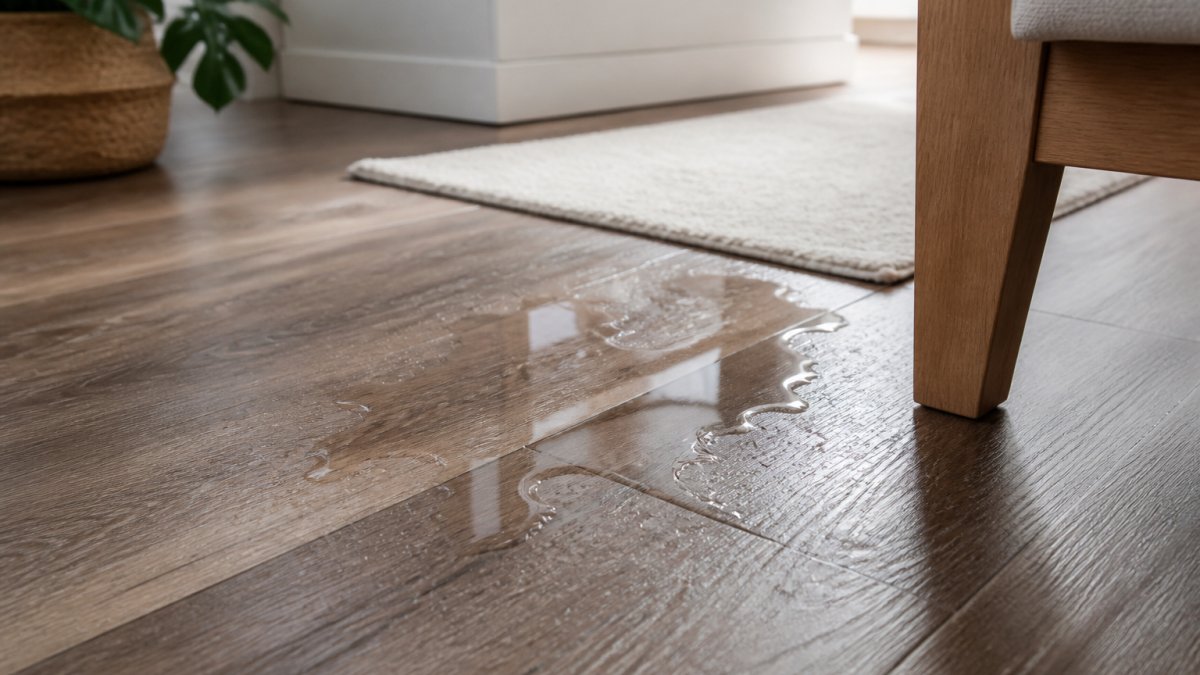
A single luxury vinyl plank is waterproof. A complete floor system, planks plus seams plus perimeter plus subfloor, is only as waterproof as its weakest installation point. Water doesn't penetrate the plank itself; it exploits installation vulnerabilities. Seams between planks, gaps at the perimeter, and areas around door frames are where water enters. Once water gets past these barriers, it travels underneath, where the subfloor (typically plywood, concrete, or OSB) absorbs moisture readily, and the adhesive deteriorates.
Research from moisture management guidance on luxury vinyl installation clarifies that while the LVP material itself is water-resistant, a truly waterproof floor system depends entirely on meticulous installation. Seams must be sealed, perimeters must be properly finished, and the subfloor must be dry and moisture-tested before installation begins.
Why Subfloor Moisture Is the Real Threat
Saltwater trapped under luxury vinyl flooring triggers a cascade of problems unrelated to the plank's waterproof properties. When moisture accumulates beneath the flooring, the subfloor absorbs water and deteriorates. Plywood swells and weakens; concrete develops efflorescence and can spall. Mold and mildew colonize the subfloor, creating musty odors. The adhesive bonding planks to the subfloor loses its grip, causing planks to shift and seams to stress. If the water contains salt, salt crystallizes as the subfloor dries, accelerating corrosion of metal fasteners and concrete reinforcement.
The real damage in a saltwater environment isn't the salt attacking the vinyl, it's moisture trapped underneath triggering structural failure of the system. This is why proper installation, moisture barriers, and rapid water removal are non-negotiable in coastal homes.
Salt Damage vs. Freshwater Damage: What's Different
Freshwater damage is primarily about moisture accumulation. Water seeps under the floor, the subfloor absorbs it, mold grows, and adhesive fails. The damage is structural and slow, taking weeks or months to become visible.
Saltwater damage adds a chemical component. Salt crystals are hygroscopic, absorbing moisture from the air. Even after water evaporates, salt residue continues pulling moisture from the environment, keeping the subfloor perpetually damp and extending the window for mold growth and adhesive failure. Salt also accelerates corrosion of metal components in contact with the subfloor.
On the plank surface, salt creates abrasion damage. Salt crystals and sand act as an abrasive, grinding down the wear layer over time. Matte finishes hide this wear better than glossy finishes, which is why Hamptons Carpet One Floor & Home recommendations for coastal homes suggest satin or matte finishes for high-traffic coastal properties.
Signs Your Luxury Vinyl Has Salt Damage
Early detection prevents expensive subfloor replacement. Watch for these indicators.
Surface signs: White crystalline deposits on the plank surface, especially near entryways. A hazy or dull appearance on the wear layer that doesn't improve with normal cleaning. Visible scratching that appears faster than normal wear patterns.
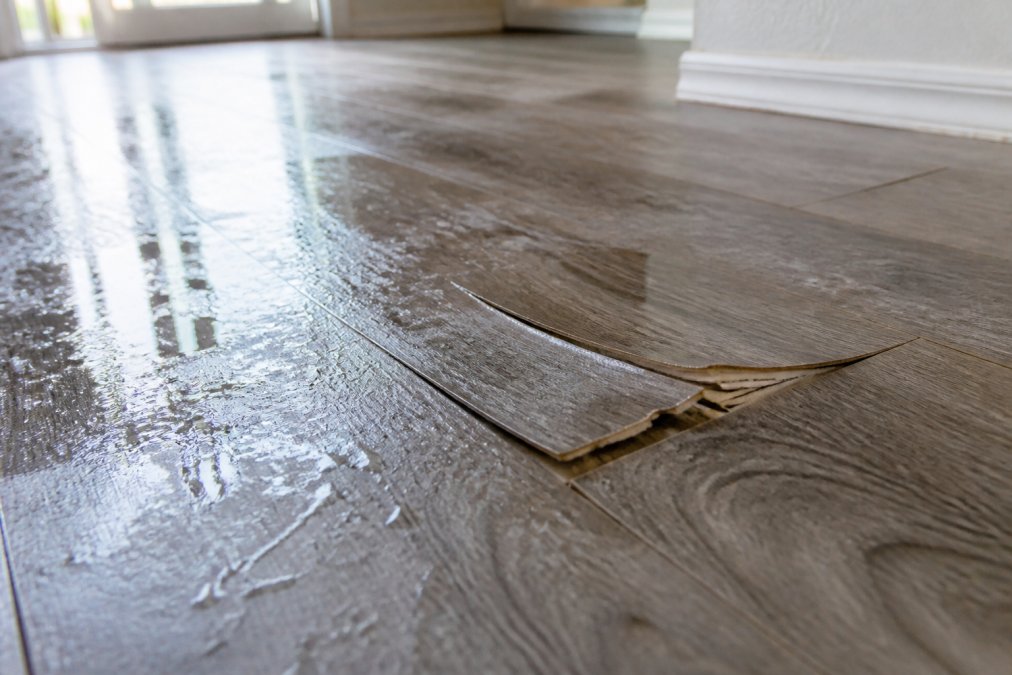
Structural signs: Planks that shift when you walk on them, indicating adhesive failure. Gaps appearing between planks or seams showing separation. A spongy feel underfoot, suggesting moisture in the subfloor. Visible buckling or cupping at room edges.
Environmental signs: Persistent musty or moldy smell, particularly in low-lying areas or near exterior walls. Discoloration of the subfloor visible through gaps (dark staining indicates mold). Efflorescence (white powder) on concrete subfloors around the perimeter.
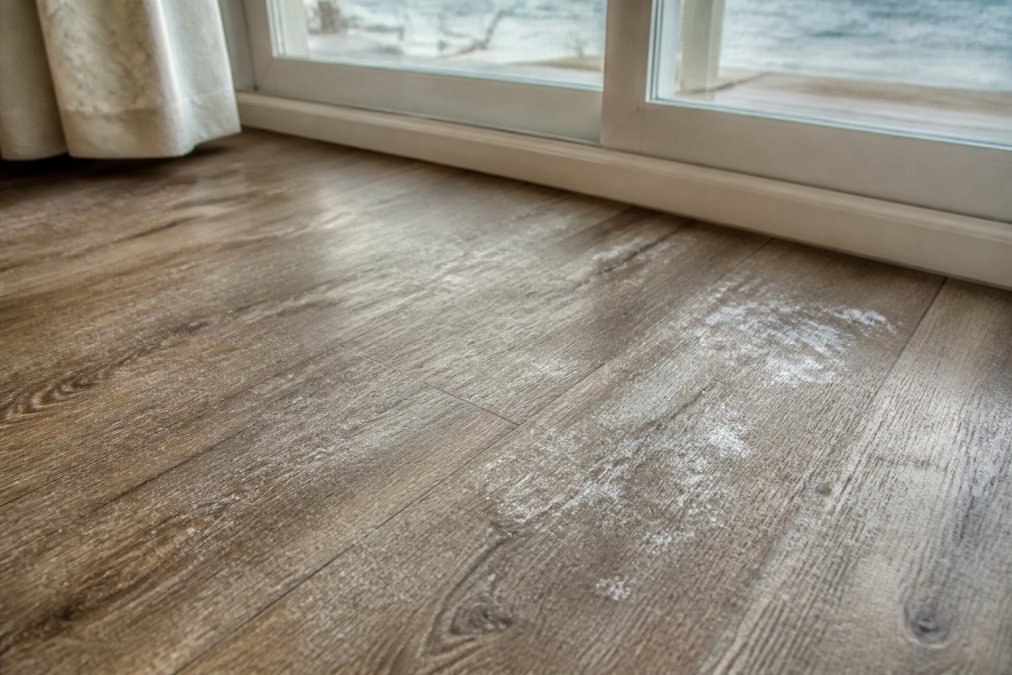
The most reliable indicator is a moisture test of the subfloor. If readings exceed manufacturer specifications (typically 3-4 lbs per 1,000 sq ft for LVP), water is trapped underneath. At that point, removing and replacing affected planks is necessary to address the subfloor.
How to Clean Salt Off Vinyl Floors
Cleaning salt from luxury vinyl flooring is straightforward, but frequency and method matter in coastal environments. The goal is removing salt crystals before they absorb moisture and damage the wear layer, and preventing salt-laden water from seeping into seams.
Daily and Weekly Maintenance
Daily cleaning should focus on removing salt and sand before accumulation. Sweep or vacuum high-traffic areas, entryways, and mudrooms at least once daily using a soft-bristle broom or hard-floor vacuum setting.
For weekly deep cleaning, use a damp (not wet) microfiber cloth or mop. Mix warm water with a small amount of pH-neutral floor cleaner. Wring out your mop thoroughly so it's barely damp, then wipe all surfaces, paying special attention to corners and the perimeter where salt accumulates.
Never use vinegar or acidic cleaners on luxury vinyl, as they can degrade the wear layer. Avoid oil-based cleaners, which create slippery surfaces and break down protective coatings.
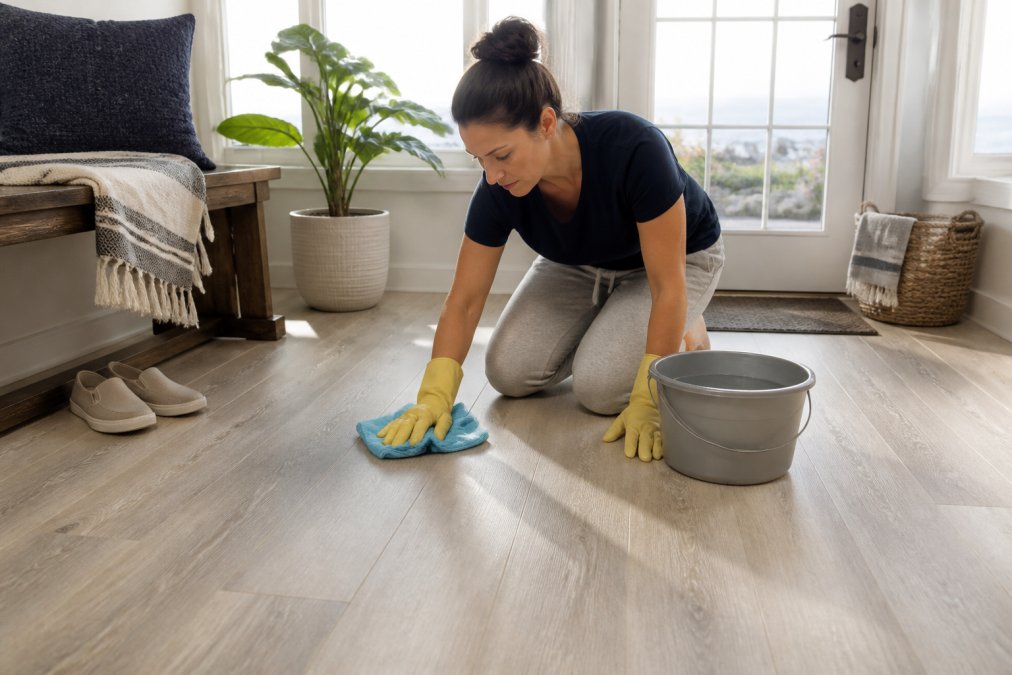
Allow floors to air dry completely after cleaning. In humid coastal climates, consider running a dehumidifier in salt-prone areas.
Deep Cleaning Salt Residue
Monthly deep cleaning removes salt buildup that daily cleaning misses. Mix warm water with a few drops of dish soap and damp-mop the entire floor.
For stubborn white salt deposits, use a soft cloth dampened with equal parts white vinegar and water, applying only to affected spots. Wipe immediately and dry thoroughly. For severe buildup, a soft-bristle brush with diluted vinegar can dislodge crystals; scrub gently and wipe dry.
Never steam-clean luxury vinyl floors, as heat and moisture can force water into seams and under planks.
Mitigation Strategies for Coastal Homes
Preventing salt damage is far more cost-effective than repairing it.
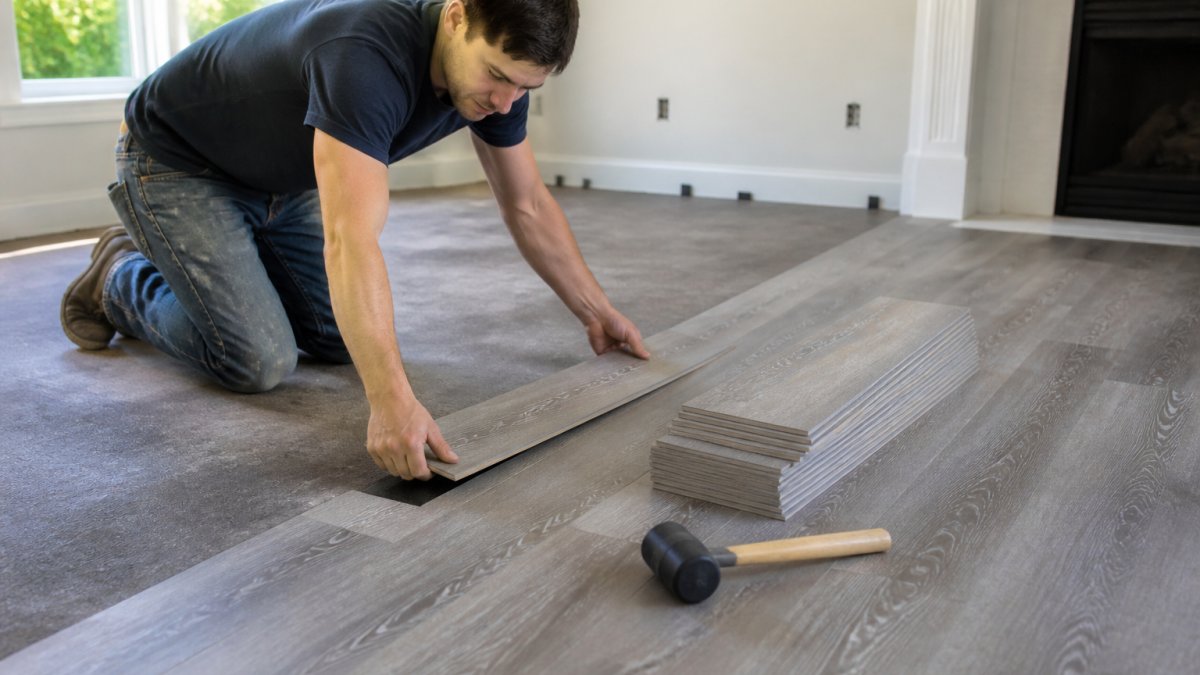
Installation protocol: Test subfloor moisture before installation. If readings exceed 4 lbs per 1,000 sq ft on concrete or 12% on wood, address the moisture source first. Install a moisture barrier and use waterproof sealant on all seams and the perimeter. This step is the difference between a floor lasting 15 years and failing in 5.
Entryway management: Install boot trays or mats inside exterior doors to capture salt and sand before they're tracked onto the main floor.
Humidity control: Use a dehumidifier to maintain indoor relative humidity between 30-50%. Above 60%, mold becomes a serious risk.
Finish selection: Choose matte or satin finishes over glossy. They hide scratching and salt residue better and provide better traction.
Sealing and maintenance: Have seams professionally sealed every 3-5 years in coastal homes.
Warranty Implications of Salt Damage
Most luxury vinyl flooring warranties explicitly exclude damage caused by water intrusion, moisture accumulation, or improper installation. Typical LVP warranties cover manufacturing defects but not water damage, mold, subfloor failure, or adhesive failure from moisture.
Some manufacturers offer "waterproof" warranties extending coverage to water damage on the plank itself, but even these exclude standing water, flooding, or installation failures. The warranty is only as good as the installation. If seams weren't sealed properly or the subfloor wasn't moisture-tested, the manufacturer can deny the claim.
In coastal environments, warranty protection depends entirely on whether your installer followed moisture mitigation protocols. When purchasing luxury vinyl for a saltwater-exposed home, ask your installer specifically about their moisture mitigation process. Get it in writing. Confirm that subfloor moisture will be tested, a moisture barrier will be installed, and all seams and the perimeter will be sealed.
Saltwater won't destroy luxury vinyl planks, but it will destroy the system if installation doesn't account for coastal moisture and salt exposure. The material is genuinely waterproof; the weakness is always at the seams, perimeter, and subfloor.
At Hamptons Carpet One Floor & Home, we've seen homeowners spend $15,000 replacing subfloors because a $300 moisture barrier and proper sealing weren't installed upfront. The right installation protocol, moisture testing, vapor barriers, sealed seams, and a sealed perimeter, prevents that scenario entirely. When you're ready to protect your coastal home with flooring that actually performs in a saltwater environment, our team can walk you through the process and ensure every detail is handled correctly. Get in touch for a moisture assessment and installation consultation.
Frequently Asked Questions
Is luxury vinyl plank completely waterproof?
The luxury vinyl plank itself is 100% waterproof and won't swell, warp, or disintegrate when exposed to water. However, a truly waterproof floor system depends on meticulous installation to seal seams and the perimeter. Water trapped underneath the planks can damage the subfloor, cause mold growth, and lead to adhesive failure. The plank material is waterproof, but the installation determines whether your entire floor system is waterproof.
What does water-damaged luxury vinyl plank look like?
Water damage appears as buckling, warping, or visible swelling along the edges and seams. You may notice soft spots, discoloration, or a musty odor indicating mold beneath the planks. The wear layer may also show cloudiness or peeling. If you see these signs, water has likely penetrated the seams and accumulated under the floor, requiring immediate attention to prevent subfloor deterioration.
How do you clean salt deposits off luxury vinyl floors?
Daily maintenance involves sweeping or vacuuming to remove salt particles and sand. For salt residue, use a damp microfiber cloth with plain water or a mild vinegar solution (1 part vinegar to 10 parts water). Avoid harsh chemicals or excessive moisture. Deep cleaning can include a pH-neutral vinyl floor cleaner, but always wring out mops thoroughly before applying. Never let water pool on the surface, and dry the floor immediately after cleaning to prevent seam penetration.
Can saltwater cause mold growth under luxury vinyl planks?
Yes. While the vinyl plank itself resists water, saltwater or any moisture trapped beneath the planks creates an ideal environment for mold and mildew. Coastal humidity combined with salt air increases the risk. Proper installation with sealed seams and a moisture barrier under the subfloor is essential. If water does penetrate, address it immediately by drying the area completely to prevent mold colonization and structural damage to the subfloor.
Does salt residue affect the finish of vinyl flooring?
Yes. Salt and fine sand particles are abrasive and can grind down the polyurethane wear layer over time, dulling the finish and making the floor appear worn. In coastal environments, matte or satin finishes are preferable to high-gloss because they hide wear and scratches more effectively. Regular cleaning removes salt before it accumulates and causes abrasion damage. Coastal homes benefit from choosing a vinyl with a durable wear layer rated for high-traffic environments.
This article was written using GrandRanker