 Ultimate guide
Durable Flooring for High Traffic Entryways: A 2026 Guide
Table of Contents
- Why Durable Flooring for High Traffic Entryways Matters
- Porcelain vs. Ceramic Tile for Entryways
- Luxury Vinyl Plank Entryway Solutions
- Tile Flooring for Entryways: Waterproof and Long-Lasting
- Waterproof Flooring for Entryways: Protection Against Moisture
- Comparing Durable Flooring Options: Quick Reference
- Cost of Durable Entryway Flooring: What to Expect
- Maintenance and Cleaning Tips for Entryway Durability
Durable Flooring for High Traffic Entryways: A 2026 Guide
Last Updated: July 20, 2026
High-traffic entryways face unique challenges: sand, salt air, moisture, and constant foot traffic create an environment where most flooring fails within years. At Hamptons carpet one floor and Home, we've helped Suffolk County homeowners understand what actually works in these conditions. This guide covers material comparisons, installation methods, and maintenance strategies for entryway flooring that lasts.
A poorly chosen entryway floor becomes a safety hazard, damages resale value, and forces expensive replacement cycles. We'll show you which materials hold up and what separates a lasting choice from one that deteriorates within months.
Why Durable Flooring for High Traffic Entryways Matters
Understanding Traffic Patterns and Wear
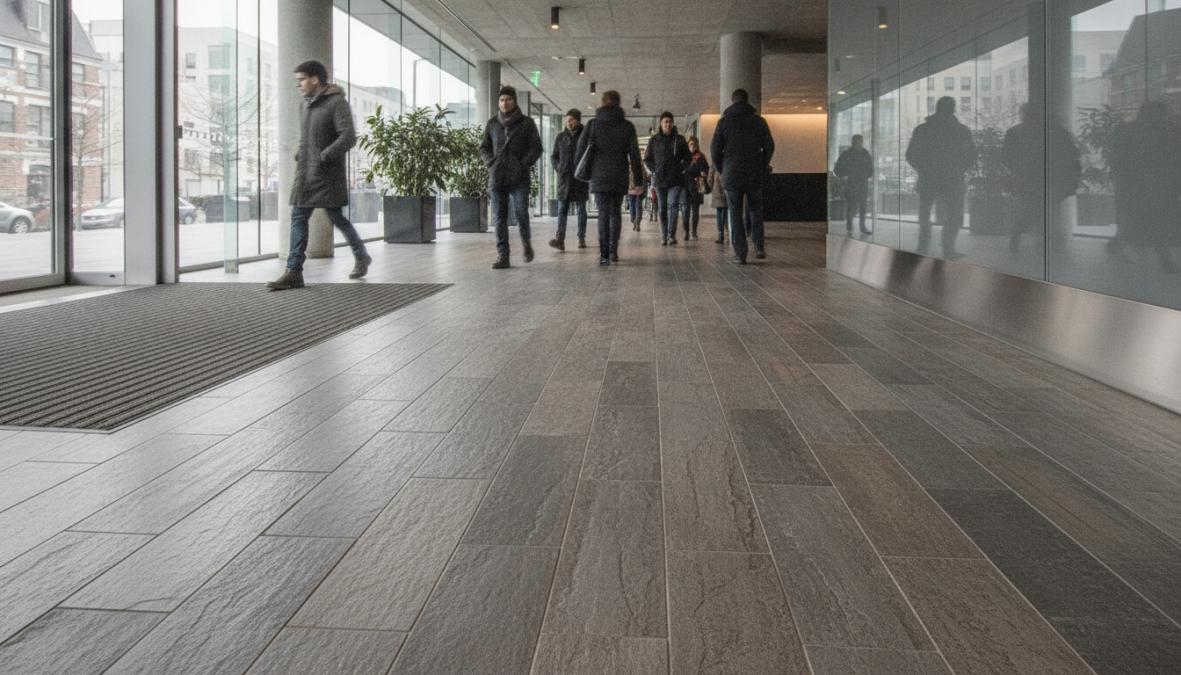
The average household experiences thousands of footsteps through the entryway monthly. Each step deposits moisture, grit, and salt residue, especially in coastal areas. Wear concentrates in a 3-4 foot zone directly inside the door where people transition from outside, creating exponentially more damage than standard traffic areas.
A tile that performs well in a kitchen, where traffic spreads across the entire room, may fail in an entryway where all traffic concentrates in one zone. The material must handle not just volume, but intensity and type of wear.
Salt Air, Sand, and Coastal Challenges
Coastal homeowners face salt air that accelerates corrosion on metal components, grout lines, subfloor fasteners, and transition strips. Sand particles act like sandpaper, abrading finishes and lodging in grout joints where they trap moisture and create expansion stress.
The cycle is relentless: moisture enters through the entryway, salt air corrodes substrate materials, sand particles lodge in seams, and freeze-thaw cycles push expansion and contraction to extremes. A flooring material that works in dry climates can fail within 18 months in coastal entryways if not specifically rated for this environment.
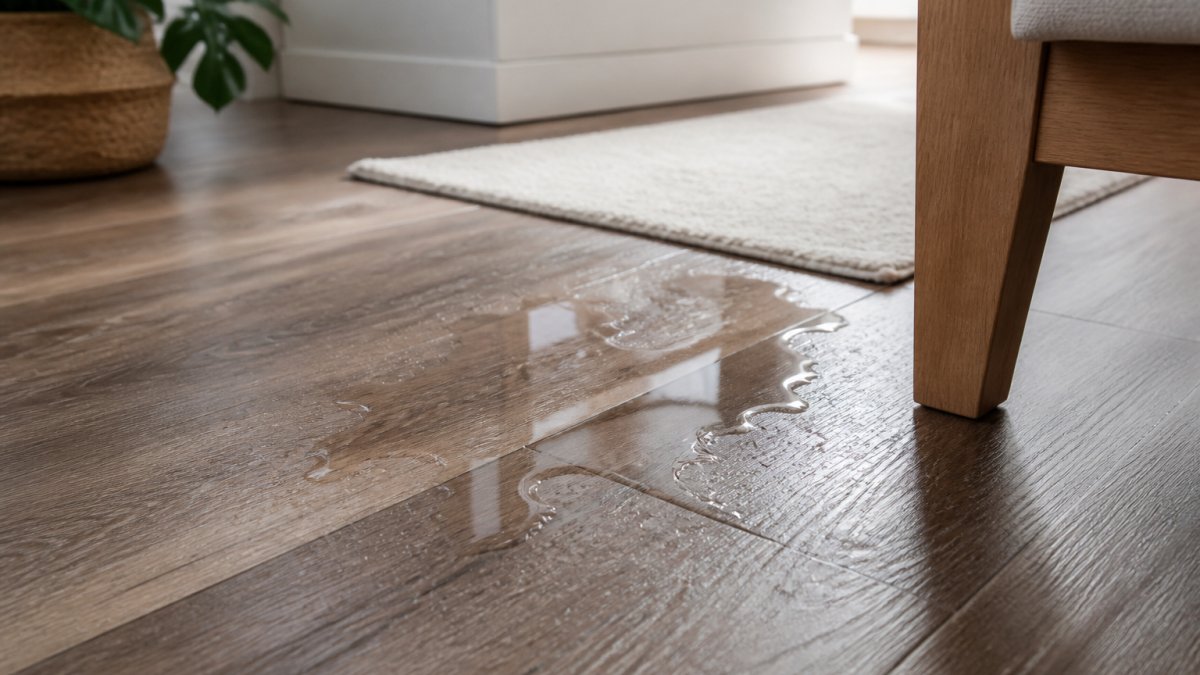
Water resistance is non-negotiable. Materials that absorb moisture will expand, contract, and eventually fail. Materials that shed water immediately are the only ones that survive long-term in these conditions.
Porcelain vs. Ceramic Tile for Entryways
Porcelain and ceramic tiles dominate entryway flooring, but they're not interchangeable. The difference determines whether your entryway looks pristine after 10 years or shows visible wear after 3.
Ceramic tile is fired at lower temperatures with water absorption of 3-6%. This matters significantly. Even small water absorption creates problems in freeze-thaw cycles, where water expands and contracts, pushing tiles and grout apart. Ceramic works in interior kitchens and bathrooms where moisture is temporary. In entryways where salt-laden moisture sits in grout lines daily, ceramic fails predictably.
Porcelain is fired at higher temperatures, creating denser material with water absorption below 0.5%. This density makes porcelain the material of choice for durable entryway flooring. It sheds water instead of absorbing it, keeping grout lines intact and preventing freeze-thaw damage.
Durability and PEI Ratings Explained
The Porcelain Enamel Institute (PEI) rating system indicates how much foot traffic a tile can handle, ranging from 0 to 5.
- PEI 0-1: Decorative use only
- PEI 2: Light residential traffic
- PEI 3: Medium residential traffic
- PEI 4: Heavy residential or commercial traffic; entryways, hallways
- PEI 5: Extra-heavy commercial traffic
For entryways, PEI 4 is the minimum acceptable rating. Check the tile's water absorption rating alongside PEI. A PEI 4 porcelain tile with less than 0.5% water absorption is the combination that survives coastal entryways.
Water Resistance and Moisture Barriers
Water resistance depends on three factors: the tile itself, the grout, and the substrate barrier beneath. Porcelain tile is only the first piece. Epoxy grout outperforms standard cement grout in entryways because it's impermeable; water cannot penetrate it. Standard grout absorbs water, allowing moisture to migrate into the subfloor.
A moisture-blocking membrane applied directly to the subfloor before tile installation prevents water from reaching structural materials. This membrane should extend 6-12 inches beyond the tile area. A moisture barrier costs $200-400 but prevents $5,000+ in subfloor replacement.
Luxury Vinyl Plank Entryway Solutions
Luxury vinyl plank (LVP) has evolved significantly. Current LVP engineered for high-traffic use performs well in entryways. The core material is rigid polymer that does not absorb water, making LVP genuinely waterproof unlike laminate or traditional hardwood.
The wear layer determines how long LVP lasts in high-traffic zones. Premium LVP has 20-mil wear layers; budget options have 6-mil. A 20-mil wear layer resists scratches for 10+ years. A 6-mil layer shows visible wear within 2-3 years.
Wear Layer Technology and Scratch Resistance
Polyurethane wear layers outperform basic vinyl coatings. Some premium brands add aluminum oxide particles to the wear layer, creating a surface that resists scratching like tile. LVP with a 20-mil polyurethane wear layer and aluminum oxide particles performs well in entryways.
Choose LVP with matte or textured finishes rather than high-gloss; they hide dirt and wear patterns better.
Installation Methods: Glue-Down vs. Click-Lock
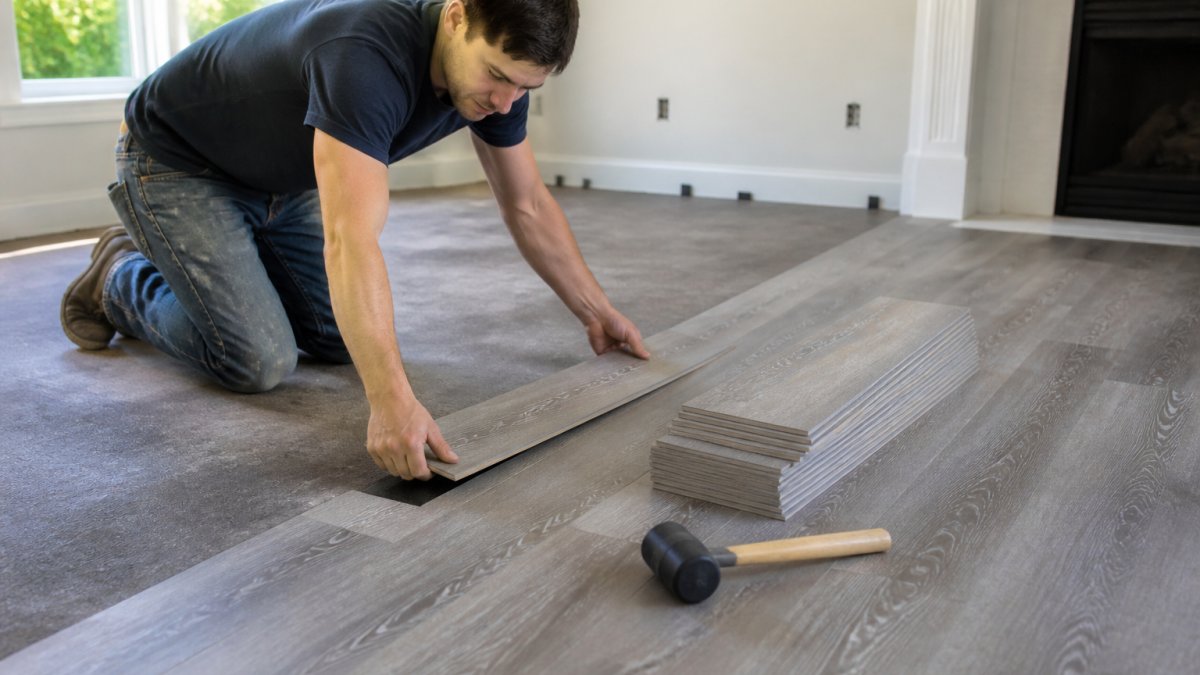
Click-lock (floating) installation is faster and cheaper. Glue-down installation costs more but creates a more stable floor by adhering planks directly to the subfloor.
For entryways, glue-down is the better choice. The additional stability prevents the subtle movement that causes click-lock seams to separate under stress, which becomes a trip hazard and allows water penetration.
Tile Flooring for Entryways: Waterproof and Long-Lasting
Tile remains the gold standard for durable entryway flooring because it combines water resistance, scratch resistance, and longevity. Properly installed tile lasts 20+ years. Installation quality determines actual performance; poor substrate preparation, inadequate moisture barriers, and incorrect grout selection cause premature failure.
Natural Stone vs. Engineered Alternatives
Natural stone offers aesthetic appeal but is problematic in high-traffic entryways because it's porous and soft. Granite and slate absorb water; limestone is even softer and more porous. In coastal entryways, porous stone absorbs salt-laden moisture, which corrodes the stone from inside. Freeze-thaw cycles accelerate this damage.
Engineered porcelain that mimics natural stone appearance provides aesthetics without durability problems. Modern porcelain replicates slate texture, granite color variation, and limestone appearance while maintaining water resistance that natural stone lacks.
Slip Resistance and COF Ratings for Safety
Coefficient of friction (COF) measures surface slipperiness. Higher COF means more slip resistance. Standard polished tile has COF around 0.4-0.5, dangerously slippery when wet. Textured or matte tile achieves COF of 0.6-0.8, providing meaningful slip resistance.
Building codes recommend COF of at least 0.6 for wet areas. Choose porcelain tile with matte finish, textured surface, or intentional grip pattern. Test slip resistance in the showroom by walking across a wet sample with socks on.
Waterproof Flooring for Entryways: Protection Against Moisture
Waterproof flooring is the foundation of durability. A complete waterproof system includes the flooring surface, grout or seams, and subfloor moisture barrier. Each component must block water independently.
Subfloor Preparation for High-Traffic Zones
Subfloor must be level, clean, and dry before flooring installation. Acceptable tolerance is 1/8 inch over 10 feet. High spots create concentrated pressure causing cracking; low spots trap water.
Clean means free of dust, debris, and old adhesive. Dust prevents adhesive bonding; old adhesive creates unstable bases. Insist on thorough cleaning.
Subfloor moisture content should be below 12% (measured with a moisture meter). In coastal areas, subfloors often retain moisture; allow extra drying time or use a dehumidifier before installation.
A moisture barrier membrane applied after subfloor preparation prevents water from penetrating to structural substrate. This barrier costs $200-500 and prevents thousands in damage.
Environmental Impact and VOCs for Healthy Homes
Volatile organic compounds (VOCs) are chemicals that off-gas from flooring materials, particularly vinyl and certain adhesives. LVP and vinyl sheet flooring typically have higher VOC content than porcelain tile.
Water-based adhesives and low-VOC grouts are available at minimal cost premium. If indoor air quality matters, especially with children or respiratory sensitivities, specify low-VOC materials and request documentation of VOC content.
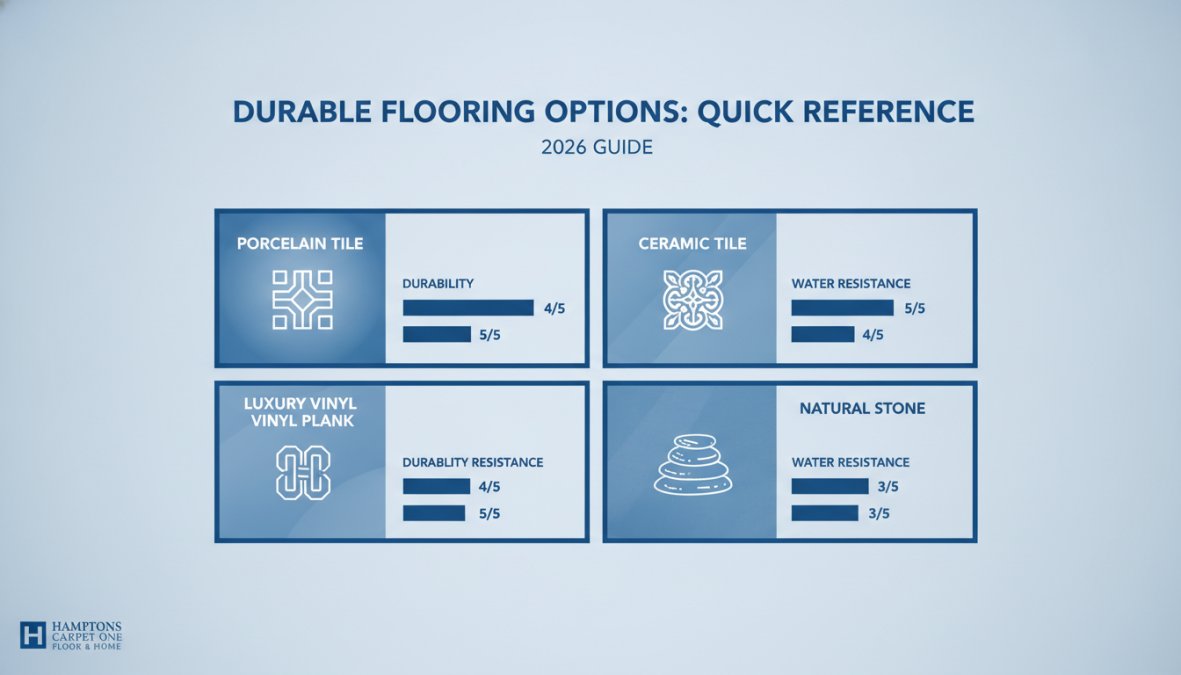
Comparing Durable Flooring Options: Quick Reference
| Flooring Type | Water Resistance | Durability (Years) | Slip Resistance | Best For | Maintenance |
|---|---|---|---|---|---|
| Porcelain Tile (PEI 4+) | Excellent | 20+ | Excellent (textured) | Coastal entryways, heavy traffic | Sweep, mop, grout seal |
| Luxury Vinyl Plank (20-mil) | Excellent | 10-15 | Good | Interior entryways, budget-conscious | Sweep, damp mop, entrance mat |
| Natural Stone | Fair to Poor | 5-10 | Fair | Aesthetic priority, low-traffic | Seal regularly, avoid salt water |
| Ceramic Tile (PEI 3) | Good | 8-12 | Fair | Light to medium traffic | Sweep, mop, grout seal |
| Laminate | Poor | 3-7 | Fair | Not recommended for entryways | Sweep, minimal moisture |
Porcelain tile dominates for coastal and high-traffic entryways. LVP is a solid alternative for interior entryways without salt air exposure.
Cost of Durable Entryway Flooring: What to Expect
Flooring costs vary based on material choice, subfloor condition, and installation complexity. Material costs range from budget to premium selections. Installation costs depend on subfloor preparation needs. A subfloor requiring moisture barriers, leveling compound, or repairs costs significantly more than simple installation.
Hidden costs often surprise homeowners. Subfloor replacement due to moisture damage can exceed $5,000. Mold remediation costs thousands. These expenses are preventable with proper upfront investment in moisture barriers and quality installation.
Budget Considerations and Hidden Costs
Calculate cost-per-year by dividing total cost by expected lifespan. Porcelain tile at $4,000 installed, lasting 20 years, costs $200 per year. LVP at $2,500 installed, lasting 12 years, costs $208 per year. The difference is negligible, but the porcelain floor still functions while LVP shows wear.
Long-Term Value and Home Resale Impact
Entryway flooring is one of the first things home buyers notice. Worn or cheap entryway floors create negative impressions affecting perception of the entire home. Quality entryway flooring, particularly porcelain tile, signals proper maintenance.
Coastal homes with salt-air damage to entryway flooring face particular resale challenges. Replacing damaged flooring before listing can increase sale price by more than the replacement cost.
Maintenance and Cleaning Tips for Entryway Durability
Sweep or vacuum daily to remove sand and grit. These particles act like sandpaper under foot traffic. A high-quality entrance mat outside the door reduces sand and salt entering the home.
Mop weekly with pH-neutral cleaner. Acidic cleaners etch tile; alkaline cleaners leave slippery residue. Use a damp mop; avoid standing water in grout lines.
Seal grout annually or as needed. Unsealed grout absorbs water and stains. If water no longer beads on grout, resealing is due.
For LVP, use an entrance mat to minimize sand contact. Vacuum regularly. Damp-mop with LVP-specific cleaner. Wipe spills immediately.
Avoid harsh chemicals, abrasive scrubbers, and steam cleaners on either tile or LVP. Stick to gentle, pH-neutral cleaning methods.
High-traffic entryways demand flooring that performs. Porcelain tile with proper subfloor preparation and moisture barriers is the most durable solution for coastal homes and heavy-traffic zones. Hamptons carpet one floor and Home serves all of Suffolk County with expert installation, quality material selection, and subfloor preparation that prevents hidden problems. Contact us for a consultation and quote on durable flooring for high traffic entryways that will protect your home for decades.
Frequently Asked Questions
What is the most durable flooring for a high-traffic entryway?
Porcelain tile and luxury vinyl plank are top choices for durable flooring in high-traffic entryways. Porcelain tile offers exceptional scratch resistance and water resistance with high PEI ratings (4-5), making it ideal for coastal homes dealing with salt air and sand. Luxury vinyl plank provides resilience with a protective wear layer, spill-proof properties, and design flexibility. Your choice depends on whether you prioritize maximum durability (porcelain) or comfort and installation ease (luxury vinyl plank).
Is luxury vinyl plank good for entryways with heavy foot traffic?
Yes, luxury vinyl plank works well for high-traffic entryways when you select products with a thick wear layer (12-20 mil) and high-quality construction. LVP resists dents and scuffs better than laminate and offers waterproof protection. Installation methods matter too, click-lock systems reduce installation time and disruption, while glue-down options provide maximum stability. For beach houses, LVP handles salt air exposure and sand tracking better than traditional hardwood flooring.
How important is slip resistance in entryway flooring?
Slip resistance is critical in entryways where moisture from rain, snow, or tracked-in water creates safety hazards. Look for flooring with a Coefficient of Friction (COF) rating of 0.60 or higher for wet areas. Porcelain tile and ceramic tile can be treated with textured surfaces or anti-slip coatings. Luxury vinyl plank typically offers good slip resistance naturally. Proper maintenance, regular cleaning and prompt drying of spills, further reduces slip risks and keeps your entryway safe for family and guests.
What subfloor preparation is needed for durable entryway flooring in high-traffic zones?
Proper subfloor preparation is essential for long-lasting performance. The subfloor must be clean, level (within 3/16 inch over 10 feet), and dry before installation. In high-traffic zones, moisture barriers prevent water from damaging the subfloor and flooring material. For homes with existing hardwood or uneven floors, professional assessment ensures the subfloor can support the new flooring type. Poor subfloor preparation leads to premature failure, dents, and warranty issues, this is a key reason to avoid cutting corners.
This article was written using GrandRanker