 Ultimate guide
Flooring & Carpet Warehouse: Complete Guide
Table of Contents
- What Makes This Flooring and Carpet Warehouse Different
- Product Categories: Carpet, Hardwood, Laminate, and Vinyl Options
- Residential Flooring Contractors on Long Island: Professional Installation Services
- Hardwood vs. Carpet: Resale Value and Long-Term Investment
- Flooring Installation Cost Estimates and What to Expect
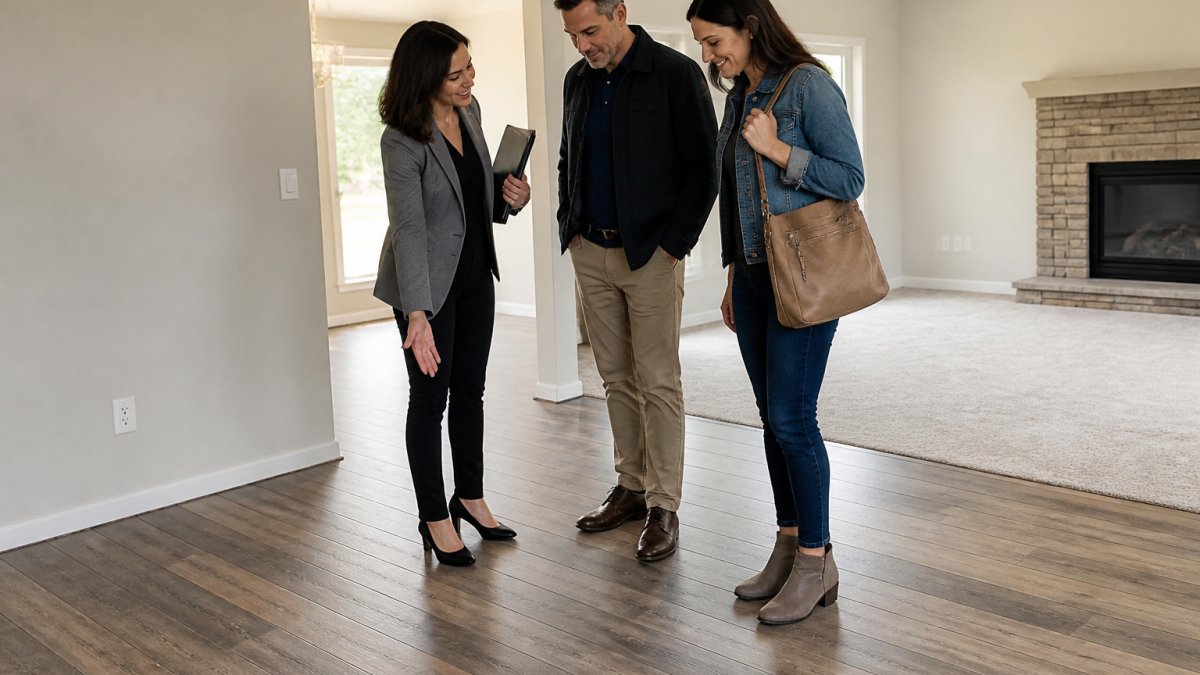
- Showroom Location, Hours, and In-Home Design Consultations
- Maintenance and Care for Coastal Flooring
- Sustainability and Eco-Friendly Flooring Options
- Frequently Asked Questions
Last Updated: September 4, 2026
The U.S. floor covering retailing industry is projected to reach $62.38 billion in 2026, yet most local showrooms still operate like oversized catalogs rather than true design partners (IBISWorld, 2026). At Hamptons carpet one floor and Home, we believe the flooring and carpet warehouse Coram residents trust should offer more than inventory, it should deliver guidance that prevents costly mistakes. This guide breaks down what separates a genuine flooring destination from a big-box transaction, covering material selection, installation realities, and the hidden costs that derail budgets.
Most homeowners walk into a flooring search expecting to compare prices. The smarter approach is comparing expertise, because the wrong material choice in a coastal climate can cost thousands in premature replacement. Below, we show you exactly how to evaluate products, contractors, and costs so your investment performs for decades, not just seasons.
What Makes This Flooring and Carpet Warehouse Different
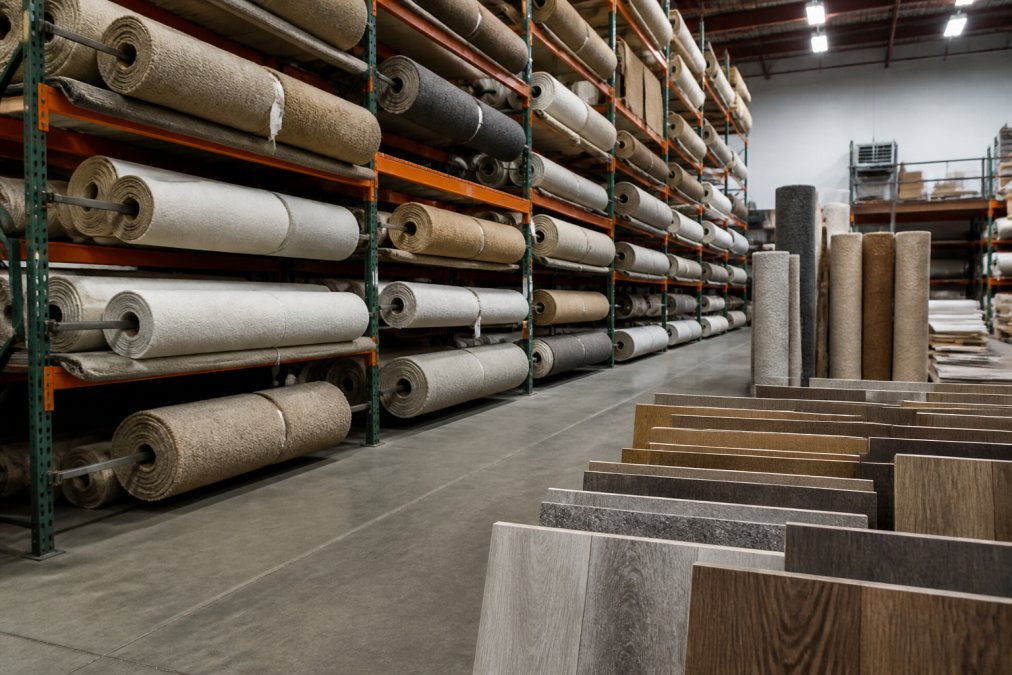
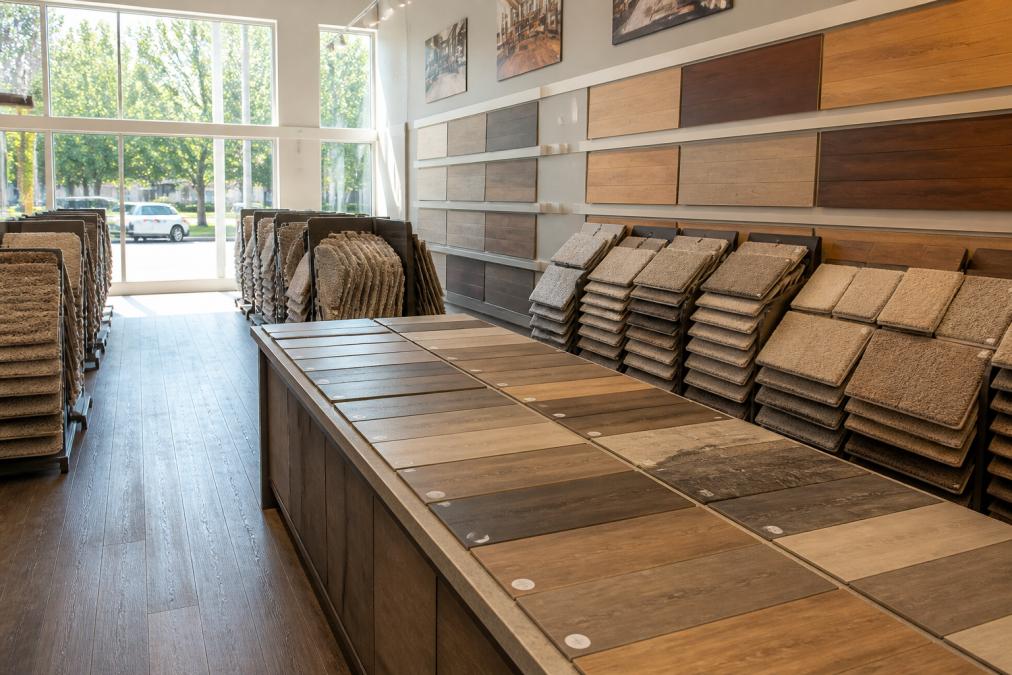
A flooring and carpet warehouse is only as valuable as the expertise behind its inventory. With more than 8,000 samples of carpet on display and an extensive hard-surface selection, the sheer volume lets shoppers compare options side by side in real lighting conditions (Flooring & Carpet Warehouse, 2026). That scale matters because fabric and finish look dramatically different under showroom LEDs versus natural window light at home.
What most guides miss is the operational depth behind the inventory. The real difference comes down to consultation quality. A warehouse with thousands of options creates a paradox of choice; without guided expertise, shoppers default to whatever pattern catches their eye first. Knowledgeable staff who ask about foot traffic, pets, moisture exposure, and subfloor conditions will steer you toward products that perform, not just products that photograph well.
Product Categories: Carpet, Hardwood, Laminate, and Vinyl Options
Material selection is the single most important decision in any flooring project. The four dominant residential categories each solve different problems, and understanding their trade-offs prevents the most common regret: choosing aesthetics over performance.
Carpet remains the preferred choice for bedrooms and living areas where warmth and noise reduction matter. High-quality carpet padding, often overlooked, determines both comfort and longevity, and a dense pad extends carpet life substantially. For high-traffic zones, consider carpet tiles, which allow individual replacement when one section wears or stains.
Hardwood flooring delivers timeless appeal and can be refinished multiple times over its lifespan. Engineered wood offers similar aesthetics with better dimensional stability, making it suitable for installations over concrete slabs or in climates with humidity swings. Laminate provides the look of wood at a lower price point, with modern scratch-resistant surfaces that handle pets well.
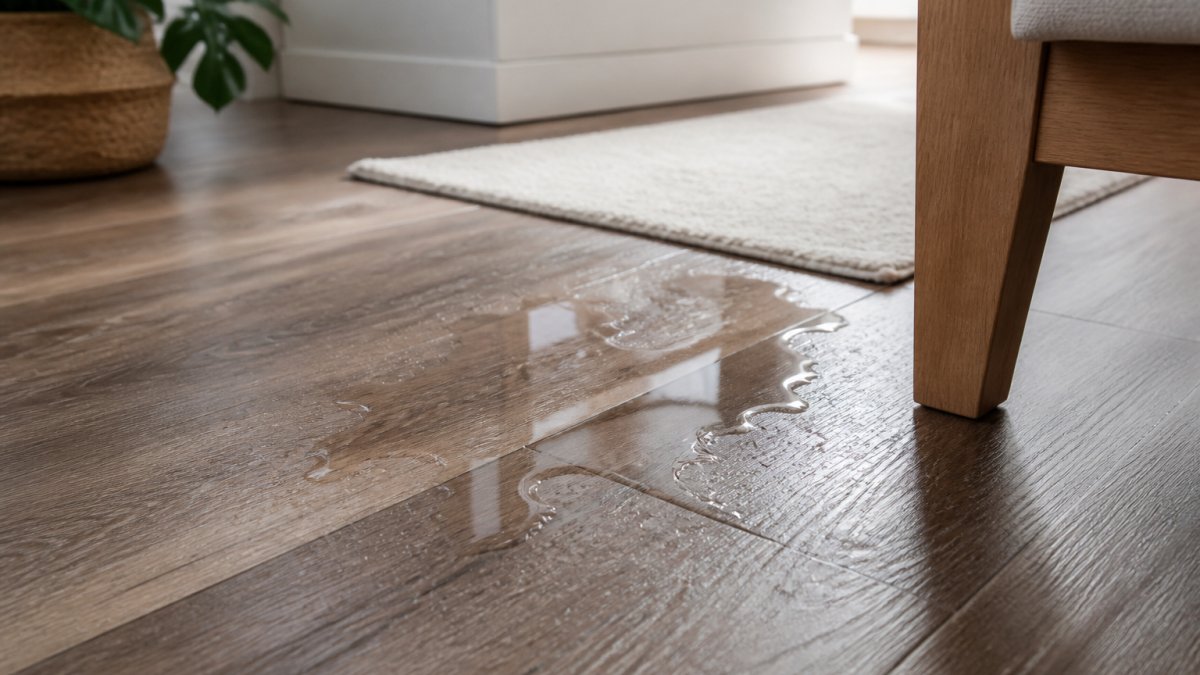
Resilient vinyl, including luxury vinyl tile and plank flooring, has transformed the budget category. Modern printing technology mimics natural stone and wood convincingly, while the waterproof construction handles kitchens, baths, and entryways without worry. Ceramic and porcelain tile remain the standard for bathrooms and mudrooms where standing water is routine.
Coastal-Ready Flooring Solutions
Salt air and sand are the two enemies of every flooring material. Homes near the water face unique challenges: humidity causes wood to swell, tracked sand acts as abrasive grit that scratches finishes, and salt crystals draw moisture that promotes mold. The Cyncly Q1 2026 Flooring Industry Outlook Report tracks how consumer research behavior shifts toward category-specific performance data, and coastal buyers consistently prioritize moisture resistance over appearance.
For beach properties, luxury vinyl plank and tile outperform nearly every alternative. The waterproof core prevents moisture migration from concrete slabs, and the wear layer resists the micro-scratches that sand creates. Porcelain tile, particularly rectified edges with tight grout lines, handles coastal conditions elegantly and cleans easily. If hardwood is non-negotiable, choose site-finished options with multiple coats of aluminum oxide finish, and expect to refresh the finish more frequently than you would inland.
Residential Flooring Contractors on Long Island: Professional Installation Services
The best material in the world fails with poor installation. Residential flooring contractors on Long Island must contend with conditions that inland teams rarely face: older homes with settling foundations, coastal humidity that affects adhesive cure times, and historic structures with non-standard subfloors. Professional installation is not a luxury add-on; it is the difference between a floor that lasts 20 years and one that fails in three.
Installation Process and Timeline
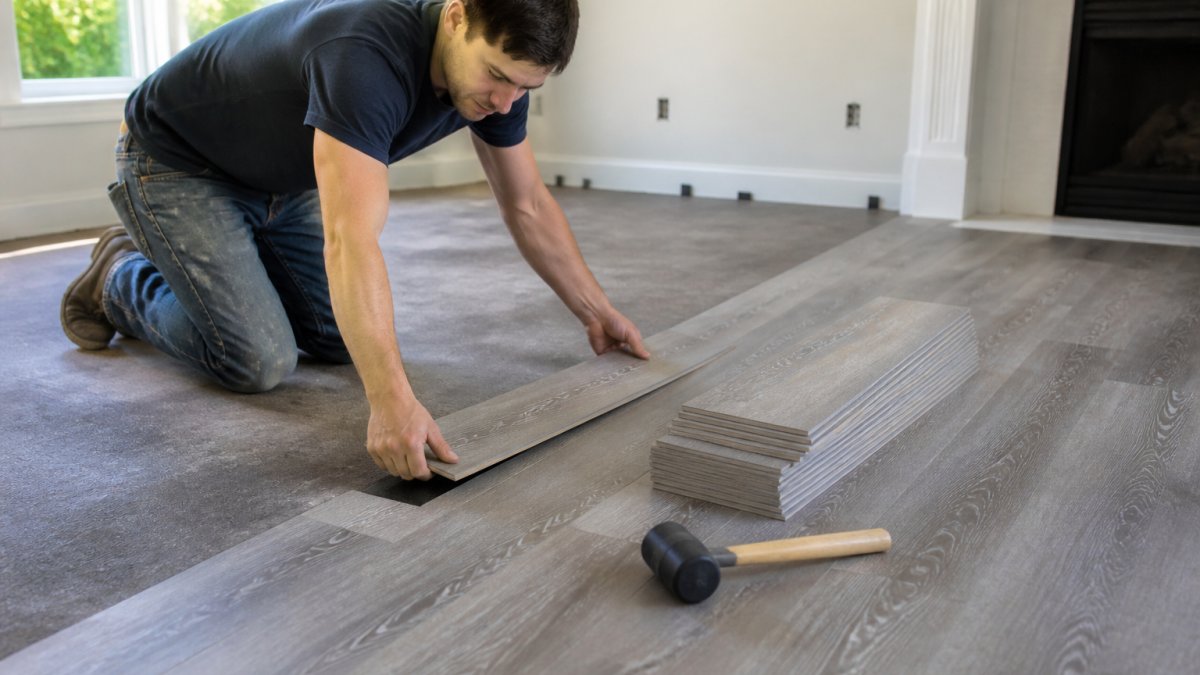
A typical residential installation follows a predictable sequence. The process begins with accurate measurements and material estimation, accounting for waste factors of 5 to 10 percent depending on layout complexity. Subfloor preparation comes next, including leveling, moisture testing, and removal of existing flooring. The installation itself varies by material: carpet installs in a day for most rooms, while hardwood and tile require multiple days with cure times between steps.
Most homeowners underestimate the disruption. Dust containment, furniture moving, and daily cleanup protocols separate professional crews from amateurs. Ask any contractor about their dust control strategy before hiring; if they cannot articulate a clear plan, expect debris throughout your home for weeks.
Handling Historic and Uneven Floors
Older homes present challenges that modern construction does not. Original hardwood underneath layers of carpet, uneven joists from decades of settling, and non-standard room dimensions all require specialized approaches. A contractor who only knows how to install over perfect, level subfloors will struggle with historic properties.
The right approach starts with a thorough assessment. Uneven floors may require self-leveling compound, sistering joists, or adjusting for transitions between rooms. Original hardwood, if salvageable, can often be refinished rather than replaced, preserving character while delivering modern performance. This work demands patience and skill, which is why it commands a premium over straightforward installations.
Hardwood vs. Carpet: Resale Value and Long-Term Investment
Flooring is one of the few home improvements that delivers returns at sale time, but the math differs dramatically by material. Hardwood consistently outperforms carpet in resale scenarios, with buyers willing to pay more for homes featuring wood floors. The IBISWorld floor covering retailing industry analysis notes the broader market is softening with subdued housing turnover, making every resale dollar count more than ever.
Hardwood's advantage is longevity and refinishability. A well-maintained hardwood floor can last 100 years with periodic refinishing, while carpet typically needs replacement every 8 to 12 years depending on traffic and pets. That lifecycle difference changes the cost-per-year calculation substantially, even when hardwood carries a higher upfront price.
Carpet retains one advantage: comfort and acoustics. Bedrooms, home theaters, and upstairs living spaces benefit from the softness and sound absorption that hard surfaces cannot replicate. The strategic approach is mixing materials, hardwood in public spaces where resale value matters most, carpet in private rooms where comfort wins.
Flooring Installation Cost Estimates and What to Expect
Flooring costs break into two components: materials and labor. Material prices vary widely by quality tier, and labor rates reflect installer expertise and regional demand. The global flooring and carpets market is valued at USD 344.2 billion in 2026 with a projected CAGR of 5.2 percent through 2036, indicating sustained demand and price pressure across all categories (Future Market Insights, 2026).
A realistic budget accounts for more than the visible surface. Underlayment, adhesive, transition strips, baseboard removal and replacement, and furniture moving all add line items that inexperienced estimators may omit. Professional quotes should itemize these costs clearly so you can compare apples to apples between contractors.
Avoiding Hidden Costs and Surprise Fees
The dreaded "subfloor surprise" is the most common budget killer in flooring projects. Homeowners receive a quote based on visible conditions, then discover during installation that the subfloor requires leveling, repair, or complete replacement. The BBB business profile and member spotlight highlights how established showrooms maintain transparent practices, and reputable contractors address subfloor conditions during the initial assessment, not after demolition begins.
Protect yourself with a detailed written contract. Specify what happens if subfloor issues emerge mid-project, including approval requirements before additional charges apply. Ask whether the quote includes moving furniture, disposing of old flooring, and reattaching baseboards. These details, settled in writing before work begins, prevent the $5,000 quote that becomes $12,000.
Showroom Location, Hours, and In-Home Design Consultations
Seeing and touching materials in person remains essential, even in a digital shopping era. The showroom at 432 Middle Country Road in Coram provides a tangible experience that online swatches cannot replicate. With over 8,000 carpet samples and extensive hard-surface displays, the Flooring & Carpet Warehouse showroom information offers one of the most comprehensive selections in Suffolk County.
Operating hours accommodate busy schedules: Monday through Friday from 10am to 6pm and Saturday from 10am to 5pm.
Free Measuring and Sample Selection
Accurate measurements prevent two common problems: ordering too little material and ordering too much. Professional measuring accounts for room irregularities, doorways, and waste factors that DIY measurements routinely miss. Free in-home measuring services eliminate this risk entirely.
Sample selection deserves equal attention. The lighting in your home differs from showroom lighting, and what looks perfect under track lighting may appear dull in a north-facing room. Take samples home and live with them for a few days. View them in morning, afternoon, and evening light before committing.
Maintenance and Care for Coastal Flooring
The longevity of any floor depends more on maintenance than on initial quality. Coastal environments accelerate wear through sand abrasion, salt residue, and humidity, making a proactive care routine essential. The seasonal project planning trend, with August identified as a peak sweet spot for flooring projects as summer schedules wind down, gives homeowners an ideal window to install and establish care routines before winter weather arrives (@flooring.carpet.warehouse, 2026).
Daily prevention beats periodic deep cleaning. Place mats at every exterior door to capture sand before it reaches the floor. Use soft-bristle brooms or vacuums without beater bars on hard surfaces; beater bars scatter grit that scratches finishes. For vinyl and tile, damp mopping with manufacturer-approved cleaners removes salt residue that can dull surfaces over time.
Sustainability and Eco-Friendly Flooring Options
Eco-conscious homeowners no longer sacrifice performance for environmental responsibility. Modern sustainable flooring options deliver durability comparable to conventional materials while reducing environmental impact. The showroom actively highlights eco-friendly product lines alongside traditional carpet and hard-surface options, reflecting growing consumer demand for responsible choices (Facebook Member Spotlight, 2026).
Bamboo and cork lead the rapidly renewable category. Bamboo matures in 3 to 5 years versus hardwood's 20 to 40 year cycles, while cork harvesting does not harm the tree. Both offer unique aesthetics: bamboo provides a clean, modern look while cork delivers natural cushioning and acoustic benefits. Recycled content also appears in carpet fibers and luxury vinyl, with manufacturers incorporating post-consumer materials without compromising performance.
The Future Market Insights flooring and carpets market report confirms sustainability is a growth driver across the industry, with manufacturers investing in low-VOC adhesives, recycled backing materials, and cradle-to-cradle certification. When comparing eco-options, verify third-party certifications rather than trusting marketing language alone.
Choosing the right flooring requires balancing aesthetics, performance, budget, and the unique demands of your home and climate. At Hamptons carpet one floor and Home, we serve all of Suffolk County with the guidance needed to navigate these decisions confidently. Our approach combines comprehensive showroom selection, professional installation coordination, and honest cost assessments that prevent surprises. Get started with Hamptons carpet one floor and Home and find flooring that performs beautifully for decades.
Frequently Asked Questions
Why should I choose a local flooring warehouse over big-box stores?
Local flooring warehouses like Hamptons Carpet One Floor and Home offer personalized service, expert guidance, and established relationships with professional installers. With over 8,000 carpet samples and extensive hard-surface options, you get hands-on selection support and in-home design consultations that big-box retailers cannot match. Local contractors understand regional challenges like salt air and sand exposure, ensuring recommendations suit coastal properties.
How do I choose the right carpet material for high-traffic areas and sandy environments?
For high-traffic and coastal homes, prioritize solution-dyed nylon or polyester carpets with stain-resistant treatments and dense pile construction. These materials resist moisture, sand damage, and salt air deterioration better than natural fibers. Pair carpet with quality underlayment to protect against moisture from tracked-in sand and salt spray. A showroom visit allows you to test durability firsthand and get expert recommendations specific to your foot traffic patterns and coastal conditions.
Is hardwood or carpet a better investment for home resale value?
Hardwood flooring typically commands higher resale value and appeals to a broader buyer pool, particularly in coastal markets. However, carpet remains practical for families with young children and pets, offering comfort and sound insulation. The best choice depends on your home's style, climate exposure, and long-term plans. Engineered hardwood balances durability in coastal environments with the aesthetic appeal of solid hardwood, making it a strong middle-ground investment.
What should I look for when comparing flooring installation quotes?
Request detailed quotes that itemize labor, materials, subfloor preparation, underlayment, and removal of existing flooring. Clarify whether the estimate includes floor leveling for uneven surfaces and what warranty covers both materials and installation. Ask about timeline, dust containment measures, and whether the contractor works around your schedule. Avoid quotes that seem unusually low, as they may indicate corner-cutting or hidden costs later. Professional installers should provide transparent estimates upfront.
This article was written using GrandRanker
Frequently Asked Questions
Q: Why should I choose a local flooring warehouse over big-box stores?
A: Local flooring warehouses like Hamptons Carpet One Floor and Home offer personalized service, expert guidance, and established relationships with professional installers. With over 8,000 carpet samples and extensive hard-surface options, you get hands-on selection support and in-home design consultations that big-box retailers cannot match. Local contractors understand regional challenges like salt air and sand exposure, ensuring recommendations suit coastal properties.
Q: How do I choose the right carpet material for high-traffic areas and sandy environments?
A: For high-traffic and coastal homes, prioritize solution-dyed nylon or polyester carpets with stain-resistant treatments and dense pile construction. These materials resist moisture, sand damage, and salt air deterioration better than natural fibers. Pair carpet with quality underlayment to protect against moisture from tracked-in sand and salt spray. A showroom visit allows you to test durability firsthand and get expert recommendations specific to your foot traffic patterns and coastal conditions.
Q: Is hardwood or carpet a better investment for home resale value?
A: Hardwood flooring typically commands higher resale value and appeals to a broader buyer pool, particularly in coastal markets. However, carpet remains practical for families with young children and pets, offering comfort and sound insulation. The best choice depends on your home's style, climate exposure, and long-term plans. Engineered hardwood balances durability in coastal environments with the aesthetic appeal of solid hardwood, making it a strong middle-ground investment.
Q: What should I look for when comparing flooring installation quotes?
A: Request detailed quotes that itemize labor, materials, subfloor preparation, underlayment, and removal of existing flooring. Clarify whether the estimate includes floor leveling for uneven surfaces and what warranty covers both materials and installation. Ask about timeline, dust containment measures, and whether the contractor works around your schedule. Avoid quotes that seem unusually low, as they may indicate corner-cutting or hidden costs later. Professional installers should provide transparent estimates upfront.