 Ultimate guide
Hardwood Flooring Installation Cost on Long Island: 2026 Guide
Table of Contents
- Cost of Installing Hardwood in Long Island: Overview
- Hardwood Flooring Installation Cost Per Square Foot Breakdown
- Factors Affecting Flooring Installation Price on Long Island
- Hardwood Floor Installation Timeline and Project Duration
- Refinishing vs. New Installation: Cost Comparison
- DIY vs. Professional Installation: Cost and Reality Check
- Getting Accurate Flooring Estimates in Suffolk County
- Conclusion
Last Updated: June 20, 2026
Cost of Installing Hardwood in Long Island: Overview
The cost of installing hardwood in Long Island varies significantly based on material grade, room complexity, and subfloor condition. Understanding what drives that variation separates homeowners who get fair deals from those who overpay by thousands. Labor, disposal, subfloor prep, and trim work add meaningful cost beyond the per-square-foot quote. Get a line-item estimate, not a single number.
What Homeowners Actually Pay
Hardwood flooring installation on Long Island typically ranges from entry-level engineered wood with basic installation to premium solid hardwood in multi-room projects with full subfloor remediation. Most homeowners in Suffolk County find their total project lands somewhere in the middle.
Why Long Island Pricing Differs
Long Island is not a national average market. Labor costs reflect the New York metro area cost of living, with skilled flooring contractors commanding higher hourly rates than counterparts in the Midwest or South. Material delivery costs factor in since most premium hardwood ships from regional distribution centers. Seasonal demand spikes in spring can push contractor availability tight and prices higher.
Hardwood Flooring Installation Cost Per Square Foot Breakdown
Hardwood flooring installation cost per square foot breaks into two distinct buckets: materials and labor. Understanding each separately gives you negotiating clarity and helps you spot inflated quotes.
Material Costs: Solid vs. Engineered Wood
Solid hardwood is a single, continuous piece of wood that can be sanded and refinished multiple times over decades. The trade-off is sensitivity to moisture and humidity changes, a real consideration for Long Island homes near the water.
Engineered wood features a real hardwood veneer bonded over plywood or high-density fiberboard. It handles humidity fluctuation better than solid hardwood, making it practical for below-grade installations, homes with radiant heat, or coastal properties where moisture is constant.
| Material Type | Relative Cost | Best For | Refinishable |
|---|---|---|---|
| Solid Hardwood | Higher | Above-grade, dry climates | Yes, multiple times |
| Engineered Wood | Moderate | Below-grade, humid areas | Once or twice |
| Laminate Flooring | Lower | Budget projects | No |
| Vinyl Plank | Lowest | High-moisture rooms | No |
Labor Costs and Installation Methods
Labor is where Long Island pricing diverges sharply from national guides. Three primary installation methods affect labor cost:
- Nail-down installation: The traditional method for solid hardwood over wood subfloors.
- Glue-down installation: Common for engineered wood over concrete subfloors. Adhesive costs add to materials, but the method is stable and quiet.
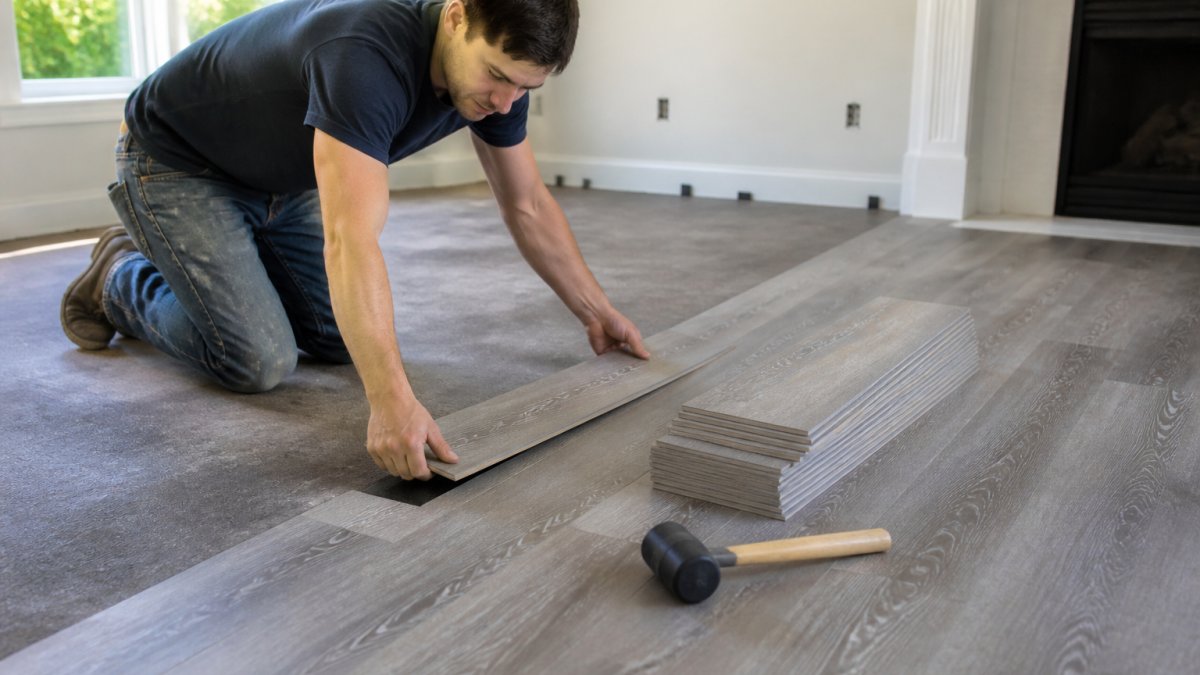
- Floating installation: Planks click together without fasteners. Faster installation means lower labor cost.
Diagonal or herringbone pattern installations add labor time and material waste compared to straight-run installation.
Additional Expenses: Subfloor Prep, Underlayment, and Disposal
Subfloor preparation, moisture barriers, underlayment, transition strips, and baseboards are often quoted separately or buried in fine print. Debris removal and disposal of old flooring material is another line item contractors sometimes omit from initial quotes.
According to National Wood Flooring Association installation guidelines, proper subfloor preparation is the single most important factor in long-term hardwood floor performance. Skipping it to save money upfront almost always results in squeaking, gapping, or buckling within a few years.
Factors Affecting Flooring Installation Price on Long Island
Subfloor condition and local climate considerations often have a larger impact on the final bill than wood species alone.
Wood Species: Red Oak vs. White Oak and Beyond
Red oak has been the standard in American hardwood flooring for decades. It's widely available, relatively affordable, and takes stain well. White oak has surged in popularity, particularly in the Hamptons and North Fork markets, because its tighter grain and natural gray undertones align with coastal aesthetics. White oak also performs slightly better in humid environments due to its lower porosity.
| Wood Species | Hardness (Janka) | Relative Price | Best Application |
|---|---|---|---|
| Red Oak | Medium | Moderate | General residential |
| White Oak | Medium-High | Moderate-High | Coastal, contemporary |
| Maple | High | Moderate | High-traffic areas |
| Hickory | Very High | Moderate-High | Rustic, active households |
| Walnut | Medium | High | Formal, luxury spaces |
Subfloor Condition and Preparation Requirements
Floor leveling is the hidden cost that derails more Long Island flooring budgets than any other factor. Older homes in Suffolk County, particularly those built before 1980, frequently have subfloors with significant height variation. A floor out of level beyond manufacturer tolerance must be corrected before installation begins.
Concrete subfloors require moisture testing. Wood subfloors may need reinforcement, replacement of damaged sections, or complete removal of existing flooring. A thorough pre-installation inspection should identify these issues before you sign a contract.
Climate and Moisture Considerations for Long Island Homes
Long Island's climate affects hardwood flooring performance in ways national pricing guides ignore. The island sits between the Long Island Sound and the Atlantic Ocean, with humidity levels fluctuating significantly between summer and winter. Coastal properties face salt air exposure that accelerates wear on finish coatings.
Proper acclimation of hardwood before installation is not optional. According to Wood moisture and acclimation guidance, hardwood flooring should acclimate to the installation environment for a minimum period before installation begins, with duration depending on wood species and moisture content gap.
Homes with radiant heat systems require special attention. Solid hardwood can gap and crack over radiant heat if the system runs at high temperatures. Engineered wood with a proper moisture barrier is often the more stable choice.
Long Island Permits and Zoning Requirements
Most straightforward hardwood floor installations in existing residential spaces do not require a building permit in Suffolk County municipalities. However, if your project involves structural subfloor work or changes to load-bearing elements, you may need approval. Homeowners in incorporated villages, particularly in the Hamptons area, should check local requirements.
Condominium and co-op owners face an additional layer: board approval and building rules around sound transmission. Many buildings require underlayment with a specific impact insulation class (IIC) rating before hardwood installation is permitted.
Hardwood Floor Installation Timeline and Project Duration
Understanding the hardwood floor installation timeline helps you plan around your home and avoid unexpected disruption.
Acclimation Period and Preparation Phase
Acclimation is non-negotiable for quality hardwood installation on Long Island. Wood is hygroscopic, meaning it absorbs and releases moisture from surrounding air. When hardwood is delivered from a warehouse, its moisture content may differ significantly from conditions in your home.
The acclimation period typically runs several days to a week, depending on wood species, form factor, and current humidity conditions. Rushing this step causes post-installation gapping in winter or cupping in summer.
Installation Duration by Square Footage
A straightforward single-room project of several hundred square feet typically takes one to two days of active installation work. A whole-floor or multi-room project covering a thousand square feet or more may run three to five days, not counting acclimation time.
Add time for finishing if you're installing unfinished hardwood that requires sanding and finishing on-site. Pre-finished hardwood eliminates that phase, which is why many homeowners prefer it for renovation projects where minimizing disruption is a priority.
Refinishing vs. New Installation: Cost Comparison
Refinishing existing hardwood is almost always less expensive than new installation, but the math only works if your existing floors qualify.
When Refinishing Makes Financial Sense
Refinishing makes financial sense when your existing hardwood is structurally sound, has sufficient thickness remaining for sanding, and damage is primarily cosmetic: scratches, worn finish, or minor staining. Solid hardwood floors can typically be sanded and refinished multiple times over their lifespan.
The process involves sanding the existing surface to bare wood, applying stain if desired, and laying multiple coats of finish. It's disruptive and dusty, but the cost savings compared to full replacement are real.
New Installation Advantages and Long-Term Value
New installation makes more sense when existing floors are too thin to sand, have structural damage, or when you want to change wood species, plank width, or installation pattern. It also makes sense when addressing significant subfloor issues.
According to National Association of Realtors remodeling impact report, hardwood flooring consistently ranks among home improvement projects with the strongest return on investment at resale. For Long Island homeowners, quality hardwood floors are a meaningful differentiator.
DIY vs. Professional Installation: Cost and Reality Check
The appeal of DIY hardwood installation is obvious: labor is the largest single cost component. The reality is more complicated.
Hidden Costs of DIY Hardwood Installation
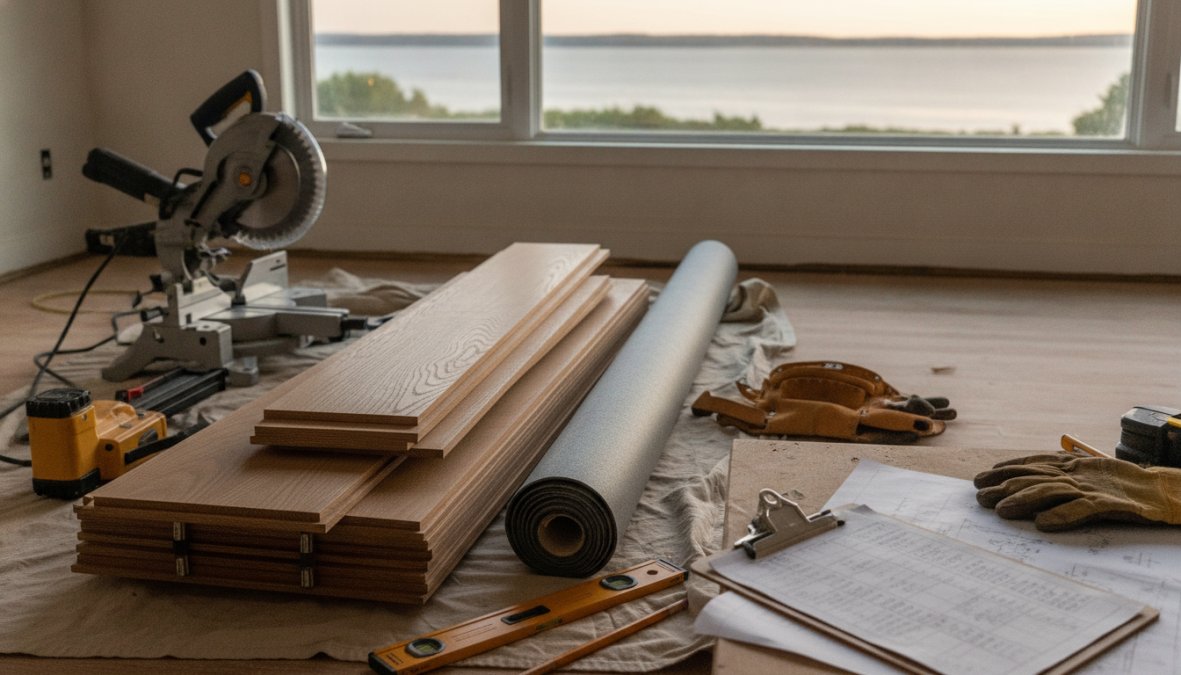
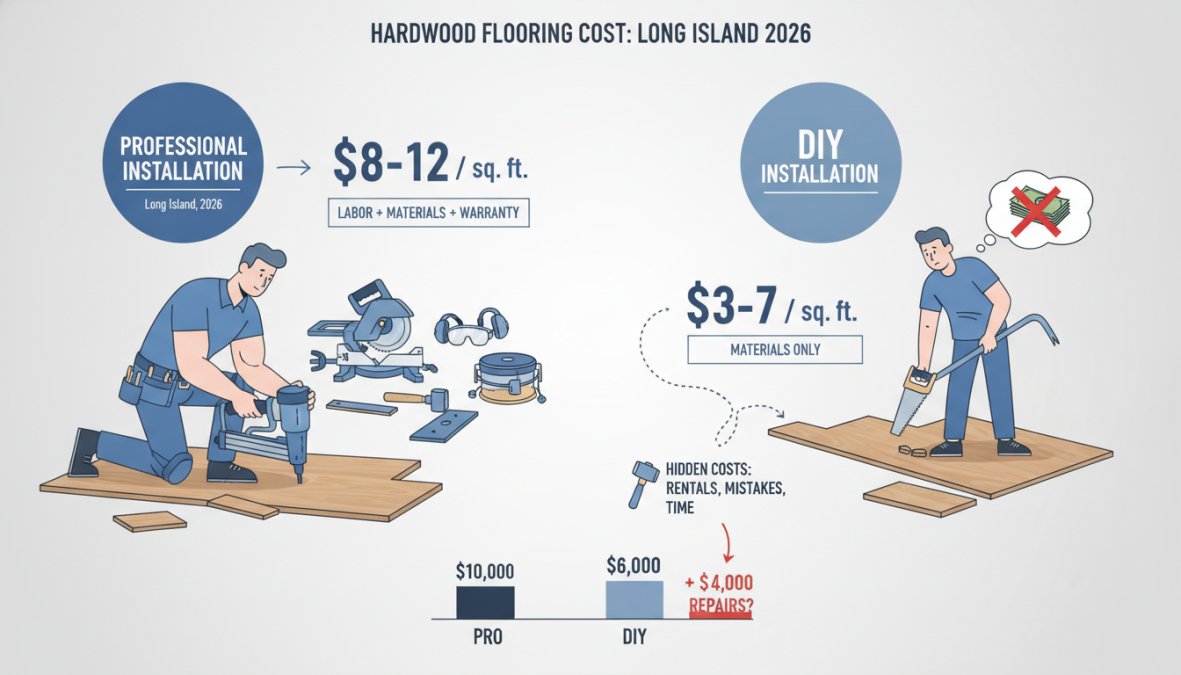
DIY hardwood installation carries costs that don't appear in initial calculations. Tool rental or purchase, including a pneumatic flooring nailer, moisture meter, miter saw, and tapping block, adds up quickly. Material waste from cutting errors typically runs higher for inexperienced installers, meaning you need to order more material than the square footage calculation suggests.
More significantly, mistakes in hardwood installation are difficult and expensive to correct. An improperly prepared subfloor, incorrect acclimation, or fastening errors result in floors that squeak, gap, or buckle. Fixing these problems after the fact often costs more than professional installation would have.
Why Professional Flooring Contractors Save Money Long-Term
A skilled flooring contractor brings efficiency, specialized tools, and accountability. Professional installation typically comes with a workmanship warranty, meaning if something goes wrong with the installation itself, it gets corrected at no additional cost.
The real difference between DIY and professional installation often shows up three to five years later. Properly installed hardwood, with correct subfloor preparation and acclimation, performs for decades. Improperly installed floors start showing problems within the first heating and cooling cycle.
For most Long Island homeowners, the cost of professional installation is the right investment.
Getting Accurate Flooring Estimates in Suffolk County
Getting an accurate flooring estimate in Suffolk County requires asking the right questions and knowing how to read what you receive.
What to Ask Your Flooring Contractor
A reliable flooring contractor should answer these questions clearly and in writing:
- Is subfloor inspection and preparation included in the quote, or quoted separately?
- Does the price include removal and disposal of existing flooring?
- What is the acclimation plan for the specific wood species being installed?
- Are transition strips, baseboards, and shoe molding included?
- What is the workmanship warranty, and what does it cover?
- Is the installer licensed and insured in New York State?
- What is the payment schedule, and is a deposit required?
Any contractor who resists providing line-item detail is worth being cautious about.
Comparing Quotes from Local Long Island Installers
Get a minimum of three quotes for any hardwood flooring project. The range between the lowest and highest bid for the same scope of work can be surprising, and the cheapest quote is rarely the best value.
When comparing quotes, align them to the same scope. If one contractor includes subfloor prep and another excludes it, the price comparison is meaningless. Build a checklist of every line item and verify each quote covers the same work.
Hamptons carpet one floor and Home serves homeowners across Suffolk County and provides transparent, itemized estimates that cover the full scope of a hardwood flooring project. Working with a local retailer who knows Long Island's specific conditions is a meaningful advantage over national chains that apply generic pricing models.
According to Angi's 2025 state of home spending report, homeowners who get multiple competitive quotes save meaningfully on flooring projects compared to those who accept the first estimate.
Choosing the right hardwood flooring for a Long Island home involves more variables than most guides acknowledge, from coastal humidity and subfloor age to species selection and installation method. Hamptons carpet one floor and Home has helped Suffolk County homeowners navigate these decisions, offering local expertise, a wide selection of solid and engineered hardwood, and honest project estimates. Visit Hamptons carpet one floor and Home to get a flooring assessment from a team that understands what Long Island homes actually need.
Frequently Asked Questions
What is the average cost per square foot for hardwood installation in Long Island?
Hardwood flooring installation costs on Long Island typically range from $8-$15 per square foot for labor, depending on complexity and contractor experience. Material costs vary significantly: solid hardwood runs $3-$12 per square foot, while engineered wood costs $2-$8 per square foot. Total project costs (materials plus labor plus subfloor prep) generally fall between $11-$25 per square foot. Prices vary between Nassau and Suffolk County based on local demand and contractor availability.
What factors affect hardwood flooring installation price the most?
The primary factors affecting flooring installation price include wood species (red oak and white oak command different premiums), subfloor condition (poor subfloors require extensive preparation, increasing costs), installation method (floating vs. nail-down), and regional labor rates. Long Island's coastal climate also influences pricing due to moisture barrier and underlayment requirements. Permit costs, debris removal, and finishing work (baseboards, transition strips) add to the total project cost.
How long does hardwood floor installation take on Long Island?
Hardwood floor installation timeline depends on project size and subfloor preparation needs. Most installations require a 2-7 day acclimation period before installation begins. Actual installation typically takes 1-3 days for standard rooms (200-500 square feet), with larger projects extending 5-10 days. Subfloor leveling, moisture barrier application, and finishing work can add 3-5 additional days. Total project duration from start to full hardwood durability is usually 2-3 weeks.
Should I refinish existing hardwood or install new flooring?
Refinishing costs $3-$8 per square foot and works well if your existing hardwood is structurally sound with minor surface damage. New installation costs more upfront ($11-$25 per square foot) but offers better hardwood durability, modern material quality, and design flexibility. Choose refinishing if existing floors are 3/4-inch solid hardwood in good condition. Choose new installation if you want to upgrade to engineered wood, change wood species, or if subfloor damage is present.
This article was written using GrandRanker