 Ultimate guide
Hiring Professional Flooring Contractors Long Island: A Complete Guide
Table of Contents
- What to Look for When Hiring Professional Flooring Contractors Long Island
- Essential Questions to Ask Flooring Contractors Before Hiring
- Understanding Long Island Flooring Installation Cost and Estimates
- The Flooring Installation Process Long Island Contractors Follow
- Long Island-Specific Climate Considerations for Flooring
- Flooring Types Professional Installers Offer on Long Island
- Homeowner Vetting Checklist for Professional Flooring Contractors
- Flooring Maintenance and Longevity After Professional Installation
Last Updated: July 16, 2026
When planning a flooring project on Long Island, selecting a qualified contractor is critical. According to the National Association of Home Builders, 65% of homeowners report that choosing a qualified professional is the single biggest factor determining whether their project stays on budget and timeline. This guide breaks down what to look for, what questions to ask, and how to avoid costly mistakes that plague many renovation projects across Suffolk County.
What to Look for When Hiring Professional Flooring Contractors Long Island
Finding a qualified flooring contractor requires verifying credentials, experience, and thorough project assessment before accepting a quote.
Licensed and Insured Flooring Contractors Long Island
Your first filter should be verification of licensing and insurance. New York State requires flooring contractors to hold a Home Improvement Contractor (HIC) license for work valued over $500. This license means the contractor has passed background checks, maintains bonding, and complies with state regulations.
Insurance is equally critical. A licensed and insured contractor carries general liability coverage (protecting you if someone is injured on your property) and workers' compensation (covering their employees). Request proof of both before signing any contract.
Request the contractor's HIC number and verify it with New York's Department of Consumer Affairs. A reputable contractor will provide this information without hesitation.
Contractor Credentials and Experience
A contractor with 15 years of experience has encountered problems you haven't considered: settling foundations, unusual subfloor conditions, moisture issues specific to Long Island's climate. They know how to handle them.
Ask specifically about experience with your flooring type. Hardwood installation differs fundamentally from tile or laminate. Long Island's proximity to the ocean means higher humidity levels, which affects how wood floors behave. A seasoned professional will account for this during installation.
Request references from projects completed in the last two years. Call at least three and ask about timeline adherence, cleanliness during work, how the contractor handled unexpected issues, and whether they'd hire the same contractor again.
Customer Reviews and Ratings
Check online reviews on Google, Better Business Bureau, and Angie's List before hiring. Look for patterns, not isolated complaints. Multiple complaints about the same issue, missed deadlines, poor cleanup, subpar installation, are red flags.
Pay attention to how contractors respond to criticism. A professional will acknowledge legitimate concerns and explain how they've corrected the problem.
| Review Source | What to Look For | Red Flags |
|---|---|---|
| Google Reviews | Consistency, recent projects, response to complaints | Mostly 1-star or 5-star (fake reviews) |
| Better Business Bureau | Complaint resolution, years in business | Unresolved complaints, new business with many reviews |
| Angie's List | Detailed project feedback, contractor communication | Vague reviews, complaints about scheduling |
Essential Questions to Ask Flooring Contractors Before Hiring
The conversation you have with a contractor before hiring reveals whether they're detail-oriented and trustworthy.
Project Timeline and Scheduling
Ask for a realistic timeline broken down by phase: subfloor assessment (1-2 days), preparation (2-5 days), installation (3-7 days), and finishing work (2-3 days). A contractor who can't provide specific phase timelines hasn't thought through your project carefully.
Also ask about scheduling flexibility and how many crews they manage. Understand where your project fits in their current schedule.
Warranty and Guarantee Coverage
A professional flooring contractor stands behind their work. Typical warranties cover installation defects for 1-5 years. Ask what's included: material defects, installation errors, or both? Get the warranty in writing.
Understanding Long Island Flooring Installation Cost and Estimates
Cost is where many homeowners make poor decisions by choosing the cheapest bid.
Getting Free Estimates from Multiple Contractors
Never hire based on a single estimate. Get at least three. A reputable contractor will visit your home, assess the subfloor condition, measure the space, and provide a detailed written estimate.
When comparing estimates, examine what's included: subfloor preparation, removal of existing flooring, underlayment, installation labor, finishing work, and cleanup. A low bid that excludes subfloor repair might become expensive when the contractor discovers rotted wood.
The estimates should itemize materials separately from labor, showing the contractor understands their costs.
Cost Variables: Materials, Labor, and Subfloor Preparation
Flooring costs break down into three components: materials, labor, and subfloor work. Material costs vary significantly by type. Hardwood is more expensive than laminate. Luxury vinyl plank (LVP) falls between the two.
Labor typically represents 40-60% of the total project cost. A contractor charging $8 per square foot for labor is reasonable. One charging $2 per square foot is either inexperienced or planning to rush the job.
Subfloor preparation is where many projects encounter unexpected costs. If your subfloor has moisture issues, soft spots, or significant unevenness, it must be addressed before installation. Budget 15-25% of your total project cost for subfloor assessment and preparation.
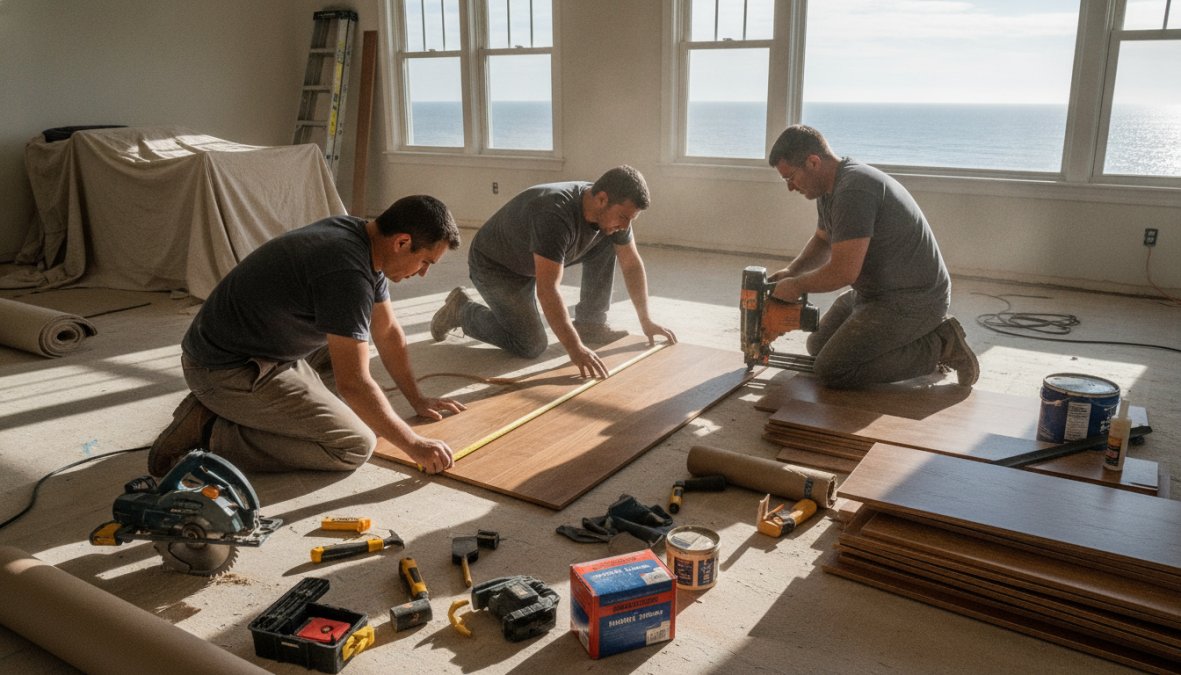
The Flooring Installation Process Long Island Contractors Follow
Understanding what happens during installation helps you recognize quality work and spot potential problems early.
Subfloor Assessment and Preparation
Before any flooring goes down, a professional contractor inspects the subfloor. They check for moisture using a moisture meter, critical on Long Island where humidity creates conditions for mold and wood rot. Moisture readings above 12% indicate a problem that must be resolved before installation.
They also look for structural issues: soft spots, rot, significant unevenness, or squeaking. A subfloor with more than 3/8-inch variation over 10 feet needs leveling.
The contractor will remove old flooring, clean the subfloor thoroughly, and make repairs. This phase determines whether your floor lasts 20 years or develops problems within five.
Installation Methods by Flooring Type
Hardwood can be nailed down, stapled, or glued depending on the subfloor type and wood species. Engineered hardwood is typically glued. Solid hardwood can be nailed or stapled.
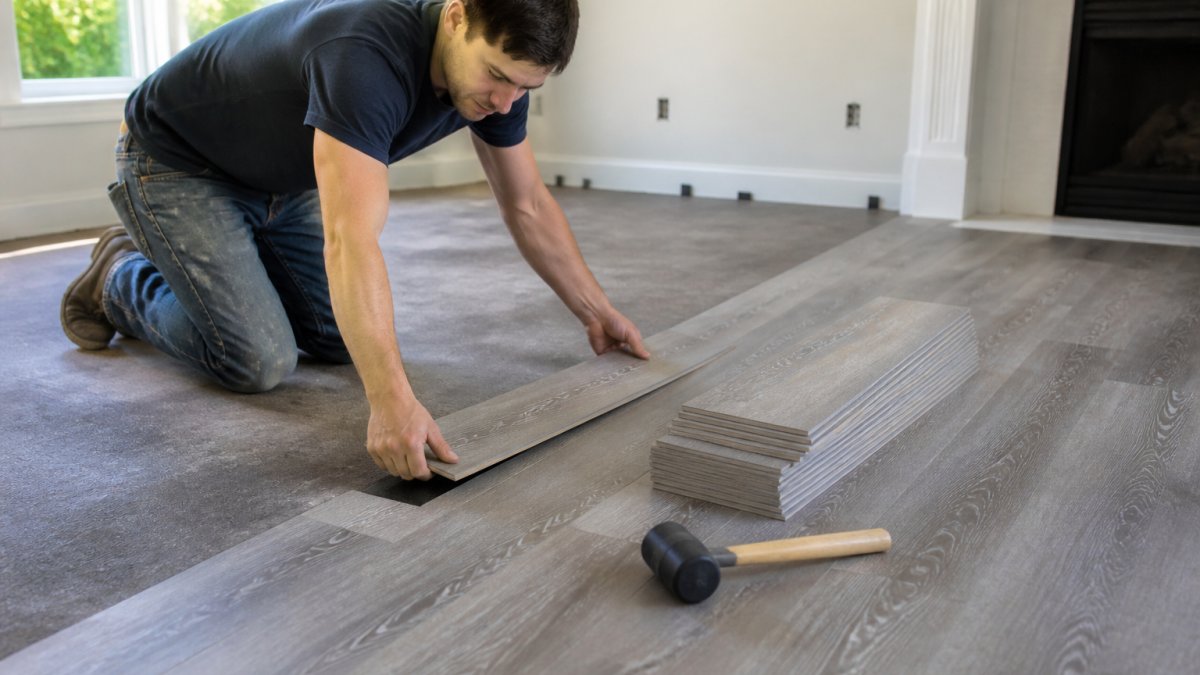
Laminate and LVP use floating installation, the planks click together and float above the subfloor without being attached. This method allows for expansion and contraction with humidity changes, ideal for Long Island's humid climate.
Tile requires thin-set mortar applied with a notched trowel, then grout between tiles. This is labor-intensive and requires skill to keep tiles level and grout joints consistent.
A professional contractor explains which method is appropriate for your material and subfloor, and why.
Long Island-Specific Climate Considerations for Flooring
Long Island's climate presents unique challenges. The island experiences significant humidity fluctuations. Summer humidity can exceed 70%, while winter heating dries indoor air to 30-40% humidity. This 40-point swing causes wood to expand and contract. If your contractor doesn't account for this during installation, your hardwood floor will gap in winter and buckle in summer.
Solid hardwood is particularly sensitive to humidity changes. Engineered hardwood performs better because the cross-grain construction resists movement. Many Long Island homeowners prefer engineered hardwood or alternative materials specifically because of climate considerations.
Moisture from basements and crawl spaces is another Long Island concern. Before installing any flooring in below-grade spaces, ensure proper waterproofing and drainage. A professional contractor will recommend moisture barriers and appropriate materials for these conditions.
Flooring Types Professional Installers Offer on Long Island
Hardwood Floor Installation and Restoration
Hardwood remains the most popular choice for Long Island homes. It adds warmth, ages beautifully, and can be refinished multiple times over its 25-50 year lifespan. Professional hardwood installation requires understanding wood movement, proper acclimation, and correct fastening techniques.
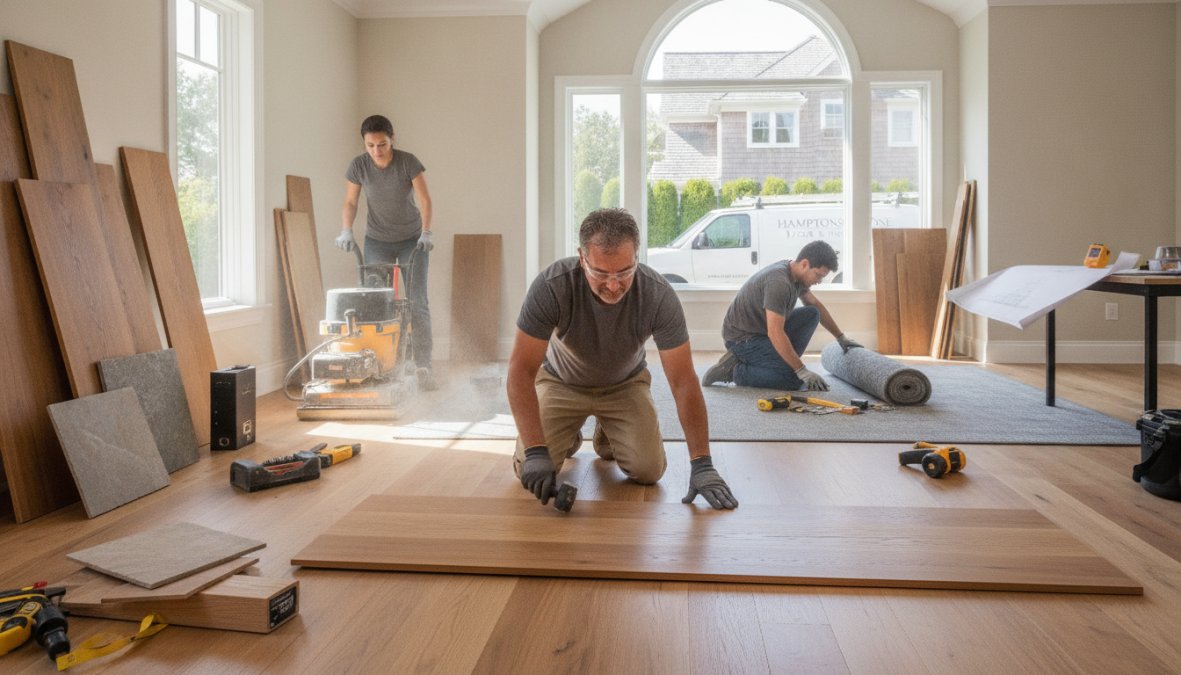
Hardwood restoration, sanding and refinishing existing floors, is another service many Long Island contractors offer. A properly restored hardwood floor looks like new.
Laminate, Tile, and Alternative Flooring Materials
Laminate flooring mimics hardwood at a fraction of the cost. It's durable and easy to clean, making it popular for kitchens and bathrooms. Once the top layer wears, you must replace the planks.
Luxury vinyl plank (LVP) combines durability, water resistance, and aesthetic appeal. High-quality LVP looks nearly identical to hardwood but costs less and performs better in moisture-prone areas.
Tile is timeless and extremely durable, handling moisture exceptionally well. It's the best choice for bathrooms and kitchens, though installation is more complex and costly.
Engineered hardwood offers a middle ground, the look and feel of solid hardwood with better stability in humid climates.
Homeowner Vetting Checklist for Professional Flooring Contractors
Use this checklist when evaluating contractors:
- Current, valid New York HIC license number provided and verified
- General liability and workers' compensation insurance verified with current certificates
- At least 10 years of experience with your specific flooring type
- Three recent references (completed in last 2 years) provided and contacted
- Google reviews and Better Business Bureau rating of 4.5 stars or higher
- Detailed written estimate with line-item breakdown of materials and labor
- Site visit completed and subfloor assessed before estimate provided
- Written warranty covering installation defects for minimum 2 years
- Project timeline with specific start and completion dates in writing
- Subfloor moisture testing performed and results documented
- Plan for subfloor preparation and repair clearly explained
- Material acclimation timeline discussed (for hardwood)
- Cleanup and debris removal included in the estimate
- Payment schedule specified (typically 50% deposit, 50% upon completion)
- Contract includes dispute resolution clause and contractor's contact information
Flooring Maintenance and Longevity After Professional Installation
A professional installation is only the beginning. How you maintain your floor determines whether it lasts 10 years or 30.
Hardwood requires regular sweeping or vacuuming to prevent dirt from scratching the finish. Spills should be wiped immediately. Use area rugs in high-traffic zones to reduce wear. Refinishing every 7-10 years extends the floor's life significantly.
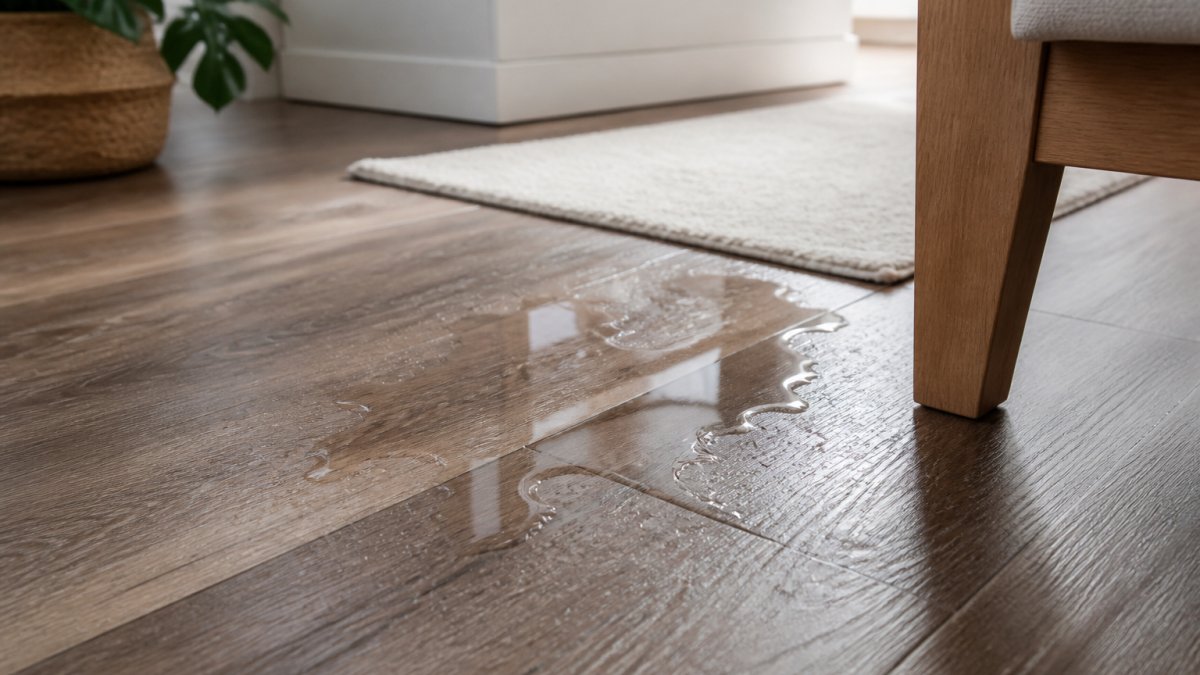
Laminate and LVP need similar care: regular cleaning and immediate spill cleanup. Avoid excessive moisture and use protective pads under furniture.
Tile requires grout maintenance. Grout lines should be sealed every 1-3 years to prevent moisture penetration and staining.
All flooring benefits from humidity control. Use a humidifier in winter if indoor humidity drops below 35%, and a dehumidifier in summer if it exceeds 50%. This stability prevents the expansion and contraction that damages floors over time.
Choosing the right professional flooring contractor determines whether your project becomes a point of pride or a source of frustration. Start by requesting estimates from multiple licensed contractors, verify their credentials, and ask the questions outlined above. The small investment of time upfront saves significant money and headaches later.
New York Department of Consumer Affairs Home Improvement Contractor License Verification
National Association of Home Builders Homeowner Satisfaction Report 2026
Better Business Bureau Contractor Evaluation Guide
Frequently Asked Questions
What questions should I ask a flooring contractor before hiring them on Long Island?
Ask about licensing and insurance status, years of experience with your flooring type, project timeline and completion date, warranty coverage on labor and materials, references from recent projects, and how they handle subfloor preparation. Request a written estimate and clarify what's included. Also ask about their experience with Long Island's humidity and moisture conditions, which affect flooring performance.
How much does professional flooring installation cost on Long Island?
Flooring installation costs depend on multiple factors including material type, square footage, subfloor condition, and labor complexity. Hardwood, laminate, and tile each have different price points. To get accurate pricing for your project, request free estimates from multiple licensed and insured flooring contractors in your area. They'll assess your space and provide detailed quotes based on your specific needs.
What makes a professional flooring contractor licensed and insured on Long Island?
Licensed flooring contractors have passed certification requirements and maintain active licenses with New York State. Insurance includes general liability and workers' compensation coverage, protecting you from liability if accidents occur during installation. Always verify a contractor's license number with the state and request proof of current insurance before signing any contract. This protects both you and your property.
What is the typical flooring installation process that Long Island contractors follow?
Professional installers begin with subfloor assessment and preparation, ensuring the surface is level, clean, and moisture-appropriate. They acclimate materials to your home's humidity levels, then install according to material specifications, whether hardwood, laminate, or tile. Finally, they apply finishing touches like staining, sealing, or grout work. The entire process typically takes several days to weeks depending on project size and material type.
This article was written using GrandRanker