 How-to
How to Choose the Right Flooring for Your Home in 2026
Last Updated: November 4, 2026
Quick Summary
To choose the right flooring for your home, match the material to how you live before you pick a color: busy entries and hallways need hard, wear-resistant surfaces, while bathrooms and kitchens need moisture-resistant options like porcelain tile or luxury vinyl plank. Most floors stay down 10 to 25 years, so weigh traffic, moisture, maintenance, and comfort room by room.
- Most floors stay down 10 to 25 years, so fit the material to your daily routine.
- Use no more than three flooring types in one home to keep it cohesive.
- Luxury vinyl plank tops the list for homes with pets and kids.
- Popular 2026 colors lean warm neutrals and matte textures, with wide planks 7 to 9 inches.
- Ask for an itemized quote that separates material, subfloor prep, removal, transitions, and labor.
Table of Contents
- Start With How You Live, Not the Look
- Flooring Options by Room: Match Material to Moisture and Traffic
- Best Flooring for Kitchens and Bathrooms
- Durable Flooring for Pets and Kids
- Popular Flooring Colors 2026: Warm Neutrals and Matte Textures
- Compare Flooring Materials: Hardwood, Engineered Wood, Laminate, Vinyl, Tile, and Carpet
- Plan for Subfloor, Installation, and Total Cost
- Book a Southampton Showroom Visit and In-Home Measure
- Frequently Asked Questions
Start With How You Live, Not the Look
The biggest mistake in choosing flooring for your home is picking a color before you think about your life. A 2026 review of design guidance from Planchers Central's flooring advice makes the same point: homeowners who buy on style alone often end up with floors that fail under pets, kids, or heavy foot traffic.
Before choosing a sample, it helps to ask a few blunt questions. How many people and pets live here? Where does sand come in? Is anyone sensitive to fumes?
Flooring for your home is a long-term purchase. Most floors stay down 10 to 25 years, so the material has to fit your daily routine, not just your mood board.
Start with four basics:
- Traffic: busy entries and hallways need hard, wear-resistant surfaces
- Moisture: bathrooms, kitchens, and beach entries punish wood and standard laminate
- Maintenance: do you want to mop, vacuum, or both?
- Comfort: bedrooms and family rooms often call for softness underfoot
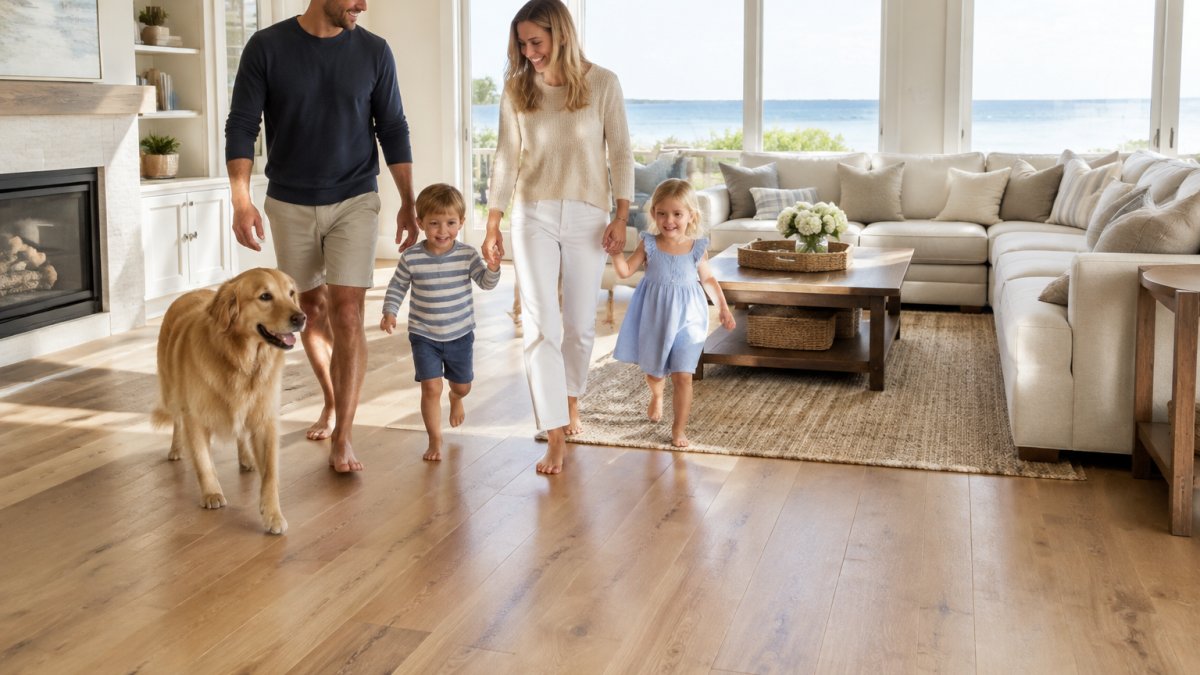
The woman is American.
Flooring Options by Room: Match Material to Moisture and Traffic
Flooring options by room should change as you move through the house. The right material for a powder room is rarely right for a playroom.
Here is how we break it down for Suffolk County homes:
- Living and dining rooms: engineered wood or solid hardwood for warmth and resale value
- Kitchens: luxury vinyl plank, porcelain tile, or engineered wood with a water-resistant core
- Bathrooms: porcelain or ceramic tile, never standard wood
- Bedrooms: carpet for comfort, or engineered wood with area rugs
- Basements: luxury vinyl or rigid-core LVT that handles damp air
- Mudrooms and entries: tile or LVP that shrugs off sand and salt
One rule we lean on: the "Rule of 3" from Hamernicks' design guidance suggests using no more than three flooring types in one home. It keeps the house feeling cohesive instead of chopped up.
Best Flooring for Kitchens and Bathrooms
The best flooring for kitchens and bathrooms is moisture-resistant, easy to clean, and slip-aware. Those three traits matter more than color here.
Porcelain tile wins on water resistance. It handles spills, steam, and standing water without swelling. Luxury vinyl plank is the practical runner-up, since it looks like wood but resists moisture far better.
What about hardwood in a kitchen? It can work, but a sink leak or dishwasher failure can warp boards fast. If you love the wood look, choose engineered wood with a strong core and seal the seams.
For bathrooms, skip carpet and standard laminate entirely. Both trap moisture and breed problems.
A quick kitchen and bath shortlist:
- Porcelain tile: best water resistance, cool underfoot
- Luxury vinyl plank: warm feel, water-resistant, budget-friendly
- Ceramic tile: solid choice for low-traffic baths
- Engineered wood: only with careful sealing and good ventilation
Durable Flooring for Pets and Kids
Durable flooring for pets and kids comes down to scratch resistance and cleanup speed. Claws and dropped toys find every weak finish.
Luxury vinyl plank tops our list for family homes. It resists scratches, handles accidents, and cleans up with a damp mop. Laminate is a close second, though standing water can swell its core if it sits too long.
Carpet still has a place in bedrooms. Choose a tight, low-pile style with stain protection, and it will hold up far better than a plush cut.
What to look for:
- Wear layer: thicker is better in pet homes
- Water resistance: essential for accident-prone pets
- Texture: matte finishes hide scratches better than high gloss
- Stain treatment: worth it in carpeted rooms
Watch out: skipping a moisture barrier under laminate in a pet household often means swollen seams within a year.
Popular Flooring Colors 2026: Warm Neutrals and Matte Textures
Popular flooring colors 2026 lean warm and soft. According to Forbes' 2026 flooring trend report, the year is defined by "toasty palettes" and a move toward patterned hardwoods like herringbone.
Matte finishes are replacing high-gloss looks. Hadinger Flooring's 2026 trend review notes a strong pull toward warm neutrals and matte textures that feel comfortable rather than showy.
What is driving the shift:
- Mid-tone wood: warm oaks and honey tones over cool grays
- Wide planks: 7 to 9 inches wide, per Vantor Flooring's 2026 trends, to make rooms feel larger
- Herringbone and patterns: a statement floor in main living areas
- Stone-look neutrals: limestone and warm stone tones
- Low-VOC materials: growing demand for healthier indoor air
Compare Flooring Materials: Hardwood, Engineered Wood, Laminate, Vinyl, Tile, and Carpet
Each material trades off differently, and the trade-offs show up in three places: what you pay up front, how it behaves in a coastal Southampton home, and what it costs to own over 10 to 25 years. Consumer Reports' 2026 lab testing rates solid wood, engineered wood, laminate, and porcelain tile for durability and wear, which is a useful starting point before you shop.
| Material | Best For | Watch Out For | Typical Installed Cost (USD, per sq ft) |
|---|---|---|---|
| Solid hardwood | Living areas, resale value | Moisture, sand, refinishing cost | $8-$15 |
| Engineered wood | Kitchens, radiant heat | Thin wear layers wear faster | $6-$12 |
| Laminate | Budget, busy family rooms | Water damage at seams | $3-$7 |
| Luxury vinyl | Bathrooms, basements, pets | Lower resale prestige | $3-$8 |
| Porcelain tile | Wet rooms, high traffic | Cold, hard underfoot | $7-$14 |
| Carpet | Bedrooms, comfort | Stains, allergen trapping | $3-$7 |
Installed costs depend on material, underlayment, subfloor prep, labor, room size, subfloor condition, and whether old flooring has to be removed and hauled away. Pricing depends on quantity, dates, and delivery, so contact us or visit our website for current prices or a quote.
A few general notes on lifecycle cost. Solid wood can often be refinished, but each refinish is a real expense and a multi-day disruption. Engineered wood handles humidity swings differently than solid wood, and its service life depends on the wear layer you buy. Luxury vinyl is often chosen for tough rooms, though it will not boost resale the way real wood does. Porcelain tile is durable but can cost more to install and feels cold underfoot. Carpet is typically the lowest up-front cost and tends to be the shortest-lived in a busy home.
Coastal conditions change the math. Sand can wear wood and laminate finishes, and salt air plus seasonal humidity swings can stress seams and cores. Materials such as rigid-core luxury vinyl and porcelain tile are commonly chosen for beach entries. If you are set on solid hardwood, plan on entry mats, a no-shoes rule, and a finish that can be refreshed.
Watch out: comparing only the sticker price per square foot can hide subfloor prep, removal, and transition costs, so ask for an itemized quote before you decide.
Plan for Subfloor, Installation, and Total Cost
The floor you see is only half the job. The subfloor, the installation method, and the total cost of ownership decide whether it lasts. This is the part most guides skip, and it is where Southampton homes get into trouble.
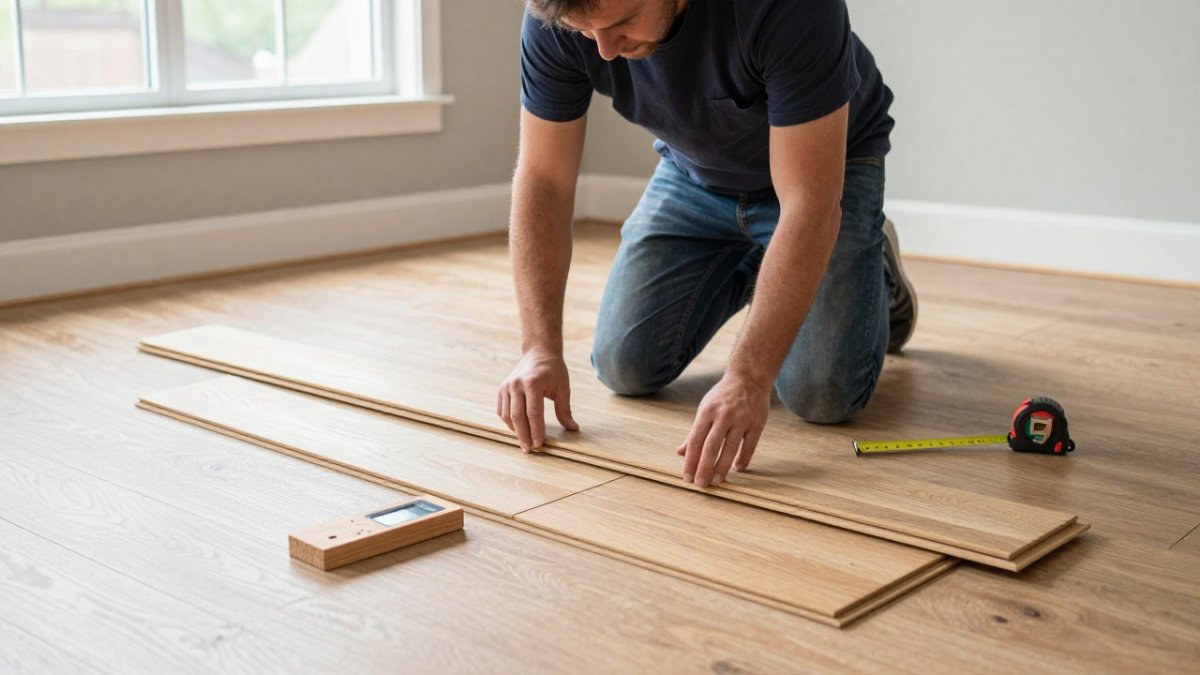
Subfloor checks before you buy. Many flooring manufacturers publish flatness tolerances. Older homes often have uneven or out-of-level subfloors, and skipping prep can lead to squeaks, gaps, lippage, and premature wear. Checking flatness and moisture before quoting helps reduce surprises in the final bill. Moisture testing can show whether a concrete slab is passing moisture vapor, which matters in basements and slab-on-grade additions.
Radiant heat and underlayment compatibility. If you have or plan to add radiant heat, confirm the flooring is rated for it. Engineered wood, porcelain tile, and many luxury vinyl products are approved for radiant heat; solid wood and thick carpet usually are not.
Acclimation and installation timeline. Wood and laminate generally need to acclimate to the room before installation, and tile needs mortar and grout cure time before heavy traffic. Timelines vary with the material and the job, so ask us for a schedule specific to your home.
Total cost of ownership. The installed price is only the first number. Add maintenance over the life of the floor, the cost of a refinish if you choose wood, and the replacement cost when a short-lived floor wears out. Lower-cost materials that wear out sooner can cost more per year than pricier materials that last longer, so compare total ownership cost rather than the installed price alone.
Minimizing disruption in an occupied home. Plan room-by-room so the family always has a working kitchen and bathroom where possible. Moving furniture and clearing closets ahead of time helps, expect some dust from removal, and scheduling the noisiest work when the house is quiet can make the project easier to live with.
Watch out: skipping subfloor prep or moisture testing can lead to a failed floor and, in some cases, a denied warranty claim.
Book a Southampton Showroom Visit and In-Home Measure
Choosing flooring for your home gets much easier when you see it in person and measure the actual space. Our showroom serves homeowners across Suffolk County, NY.
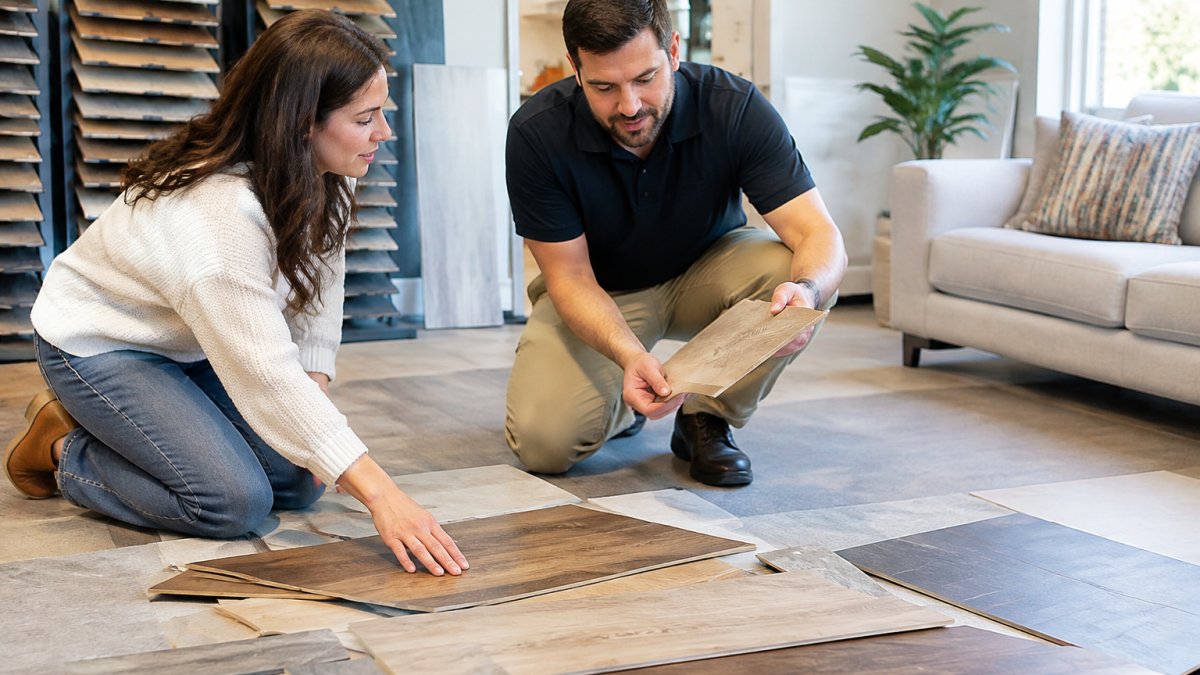
- Showroom visit: touch and compare real samples
- In-home measure: availability and scope should be confirmed with us
- Written quote: request an itemized quote before committing
- Installation: timing can be discussed when you book
Whether you are searching for flooring near me in Southampton or planning a full renovation, we can walk you through material choices, timelines, and what fits your budget. Visit our website for current details or to request a quote.
Frequently Asked Questions
What are the most popular flooring options in 2026?
The 2026 market favors wide planks (7 to 9 inches), warm mid-tone woods, stone-look neutrals, and matte finishes over high-gloss. Luxury vinyl plank, engineered hardwood, laminate, porcelain tile, and carpet remain the core categories. Independent lab testing can help you compare wear resistance before you buy. For coastal Suffolk County homes, prioritize water resistance and low maintenance alongside the look.
Which flooring is best for kitchens and bathrooms?
Porcelain tile, luxury vinyl plank, and rigid-core LVT handle moisture best in kitchens and bathrooms. Porcelain resists standing water and heavy traffic; LVP offers warmth underfoot and easier DIY installation. Avoid solid hardwood in full baths and anywhere splashes are routine. For a powder room or kitchen, engineered wood with a waterproof core can work if you wipe spills promptly. Subfloor moisture is worth checking before installation, especially in older homes.
What is the Rule of 3 for flooring?
The Rule of 3 suggests using no more than three flooring types throughout a home to keep transitions cohesive. For example, tile in baths and the kitchen, hardwood or engineered wood in living and dining areas, and carpet in bedrooms. Fewer materials mean fewer transition strips, a more unified look, and simpler maintenance. If your home has a sunroom or finished basement, count those as one of the three rather than adding a fourth material.
Is luxury vinyl plank or hardwood better for a home?
Hardwood adds resale value and can be refinished, but it dents under pets and is vulnerable to moisture. Luxury vinyl plank is water-resistant, comfortable underfoot, and handles sandy traffic well, which suits coastal Suffolk County homes. Independent lab testing can help compare wear resistance across both categories. Choose hardwood for living areas where you want long-term value; choose LVP for kitchens, baths, basements, and busy family rooms. Many homes use both.
Your floors take a beating from sand, salt air, and daily life. Hamptons carpet one floor and Home can help you pick a material that fits how you actually live, then install it with careful subfloor prep and a clear written quote. Get started with Hamptons carpet one floor and Home and book a Southampton showroom visit and in-home measure today.