 How-to
Installing Durable Floors in Rental Properties That Last
Last Updated: October 31, 2026
Quick Summary
Installing durable floors in rental properties means matching the material to moisture and traffic: luxury vinyl plank for living areas and kitchens, tile for bathrooms, and carpet only in low-traffic bedrooms. Measure and clear the unit, prep and level the subfloor, then acclimate and install with an expansion gap at the walls.
- Luxury vinyl plank outlasts carpet in high-traffic units because it resists moisture, odors, and permanent stains.
- Porcelain or ceramic tile belongs in bathrooms, where water sits on the surface instead of soaking in.
- Skipping subfloor prep to save money is the biggest installation mistake landlords make.
- A plank floor generally lets you swap one damaged board instead of replacing a whole room.
- Ask for a written scope that names subfloor prep as a line item to avoid mid-job surprises.
Table of Contents
- What Makes Durable Floors the Right Call for a Rental
- The Best Flooring for Rental Properties by Room and Tenant Type
- Why Luxury Vinyl Plank for Rental Property Beats Carpet in High-Traffic Units
- Step-by-Step: Installing Durable Floors in Rental Properties
- Flooring Installation Cost for Rental Property: What Drives the Number
- Flooring Replacement Between Tenants: A Turnover Checklist
- Common Installation Mistakes Landlords Make
- Book a Southampton Flooring Consultation Before Your Next Turnover
- Frequently Asked Questions
What Makes Durable Floors the Right Call for a Rental
Durable floors are floor coverings built to handle heavy foot traffic, moisture, and daily wear without failing between tenants. The flooring that survives in rentals is the flooring chosen for the building, not the cheapest option on the shelf.
Here's the core tension. Landlords want to spend less. Tenants want a floor that doesn't feel like a hospital corridor. Both goals point to the same answer, and it isn't carpet in a beach town.
Sand, salt air, and wet feet from the shoreline do more damage to rental floors than any tenant ever will. A floor that traps grit grinds itself down. A floor you can sweep and mop in five minutes lasts years longer.
The U.S. Environmental Protection Agency's indoor air quality guidance is worth a read before you pick a material. It explains why moisture control matters, and moisture is the number one killer of rental flooring.
Below, we break down which materials work, how installation actually runs, and where landlords lose money.
The Best Flooring for Rental Properties by Room and Tenant Type
The best flooring for rental properties depends on the room and who lives there. Luxury vinyl plank wins most living areas, tile owns bathrooms, and carpet only makes sense in low-traffic bedrooms.
Matching Material to Bedrooms, Kitchens, and Bathrooms
Match the material to the water exposure, not the aesthetic.
- Kitchens: Luxury vinyl plank or sheet vinyl. Both handle spills and dropped pans.
- Bathrooms: Porcelain or ceramic tile. Water sits on the surface instead of soaking in.
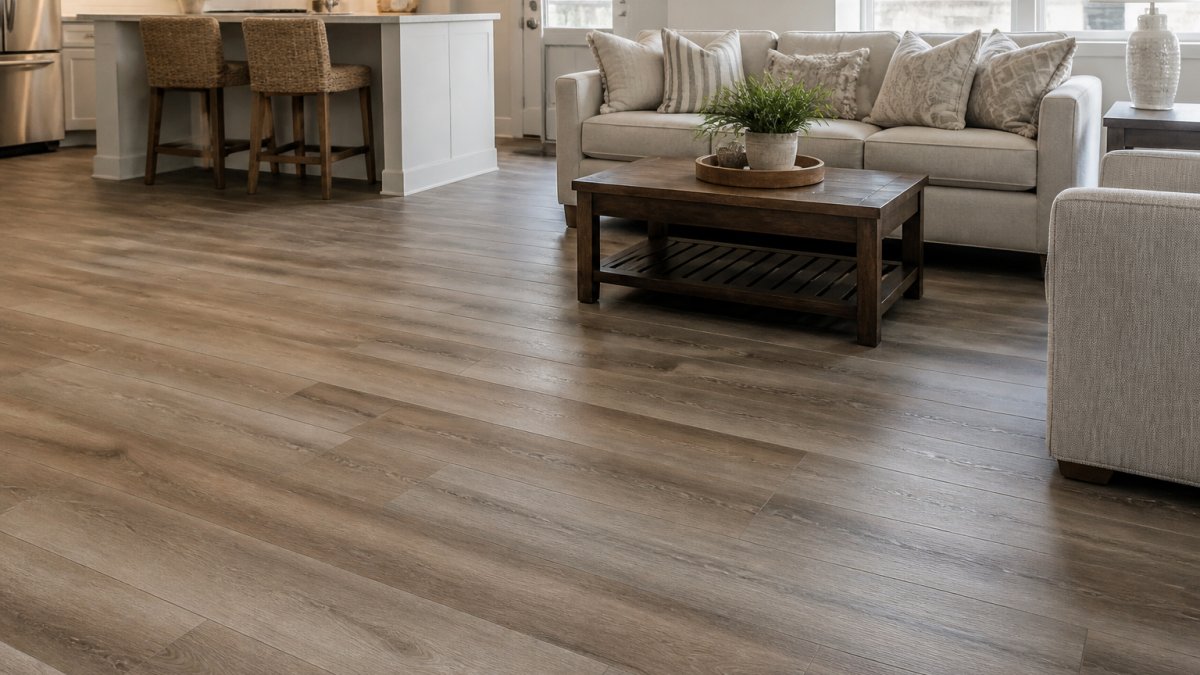
- Living rooms: Luxury vinyl plank. It looks like wood and shrugs off furniture drags.
- Bedrooms: Carpet if you want warmth, vinyl plank if you want longevity. In a beach rental, we lean vinyl.
Flooring Choices for Rentals With Pets
Pets scratch. That's the whole problem, and it rules out soft wood finishes and low-grade laminate.
Luxury vinyl plank for rental property with pets is the practical pick. Its wear layer resists claws better than hardwood, and it wipes clean. Choose a thicker wear layer and skip high-gloss finishes that show every scratch.
Why Luxury Vinyl Plank for Rental Property Beats Carpet in High-Traffic Units
Luxury vinyl plank for rental property outlasts carpet in high-traffic units because it doesn't absorb moisture, hold odors, or stain permanently. Carpet in a beach rental is a sponge for sand and damp.
Vinyl plank gives you three things carpet can't:
- Cleanability: Sweep and damp-mop. No shampooing between tenants.
- Durability: A quality plank handles heavy traffic without crushing.
- Allergy friendliness: No fibers holding dust and pet dander.
Carpet still has a place in quiet bedrooms. Just don't put it where wet feet land.
Step-by-Step: Installing Durable Floors in Rental Properties
Installing durable floors in rental properties follows a clear sequence: measure and clear, prep the subfloor, then acclimate and install. Skip a step and the floor fails early.
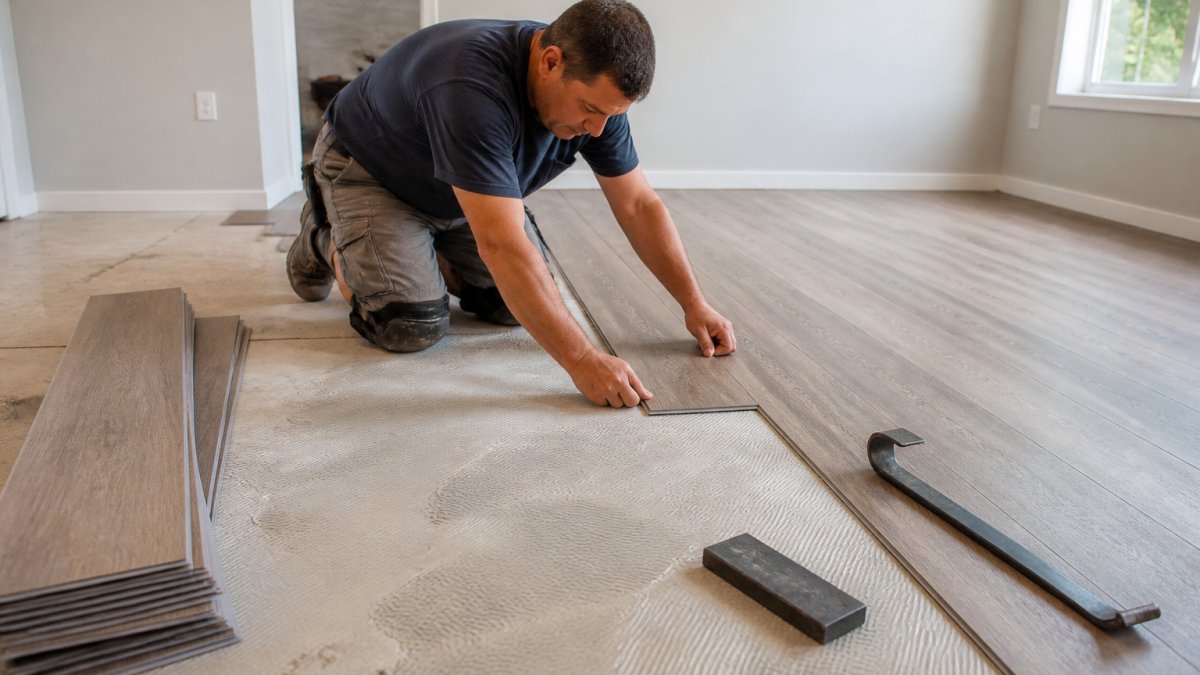
Step 1: Measure, Inspect, and Clear the Unit
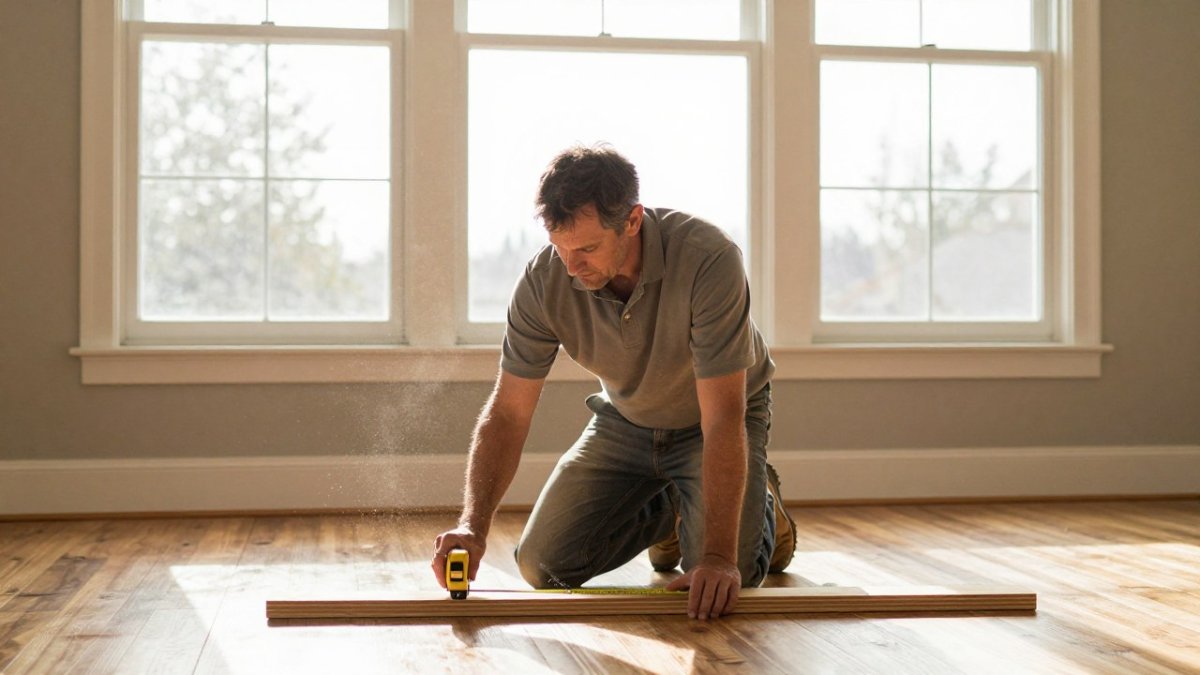
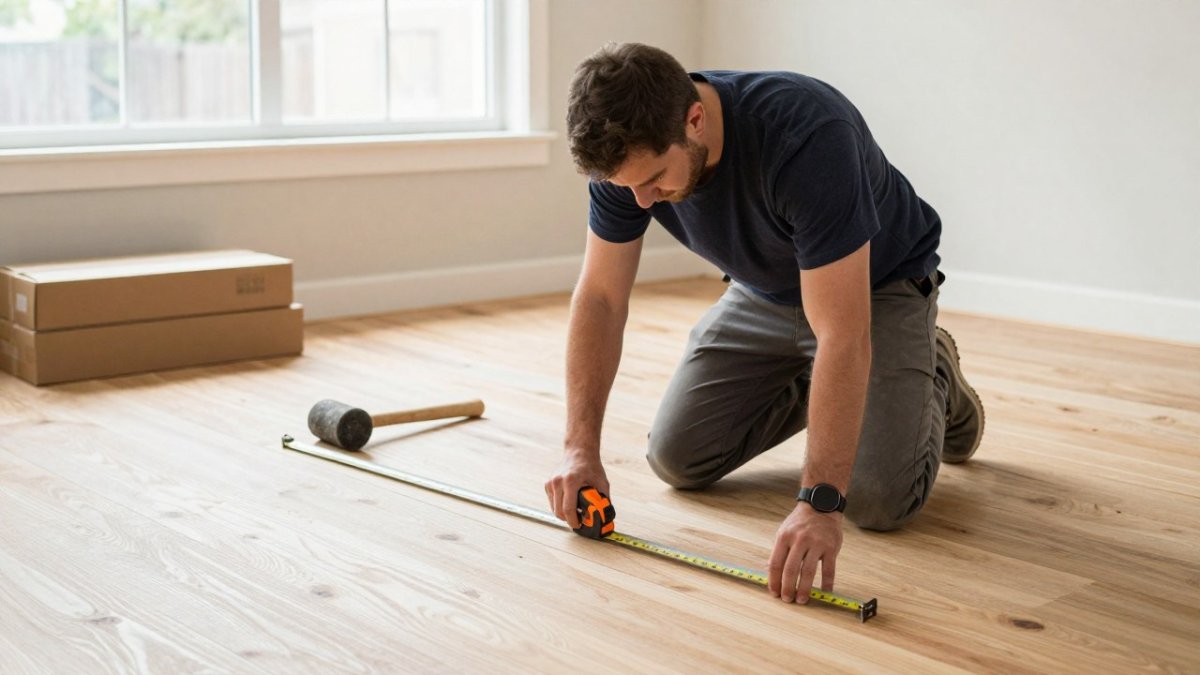
Measure every room and add a waste allowance for cuts. Then inspect for soft spots, squeaks, and old adhesive.
Clear the unit completely. Empty rooms install faster and show problems you'd miss under furniture. Watch out: skipping the moisture check on a slab can mean a floor that cups within months.
Step 2: Prep the Subfloor and Handle Uneven Historic Floors
Level the subfloor before anything goes down. Grind high spots, fill low ones, and sweep clean.
Older homes often hide uneven original hardwood, and whether it can be covered depends on how flat it is. Underlayment may smooth the surface first. A floor laid over a bumpy base will rock and separate at the seams.
Step 3: Acclimate, Install, and Finish
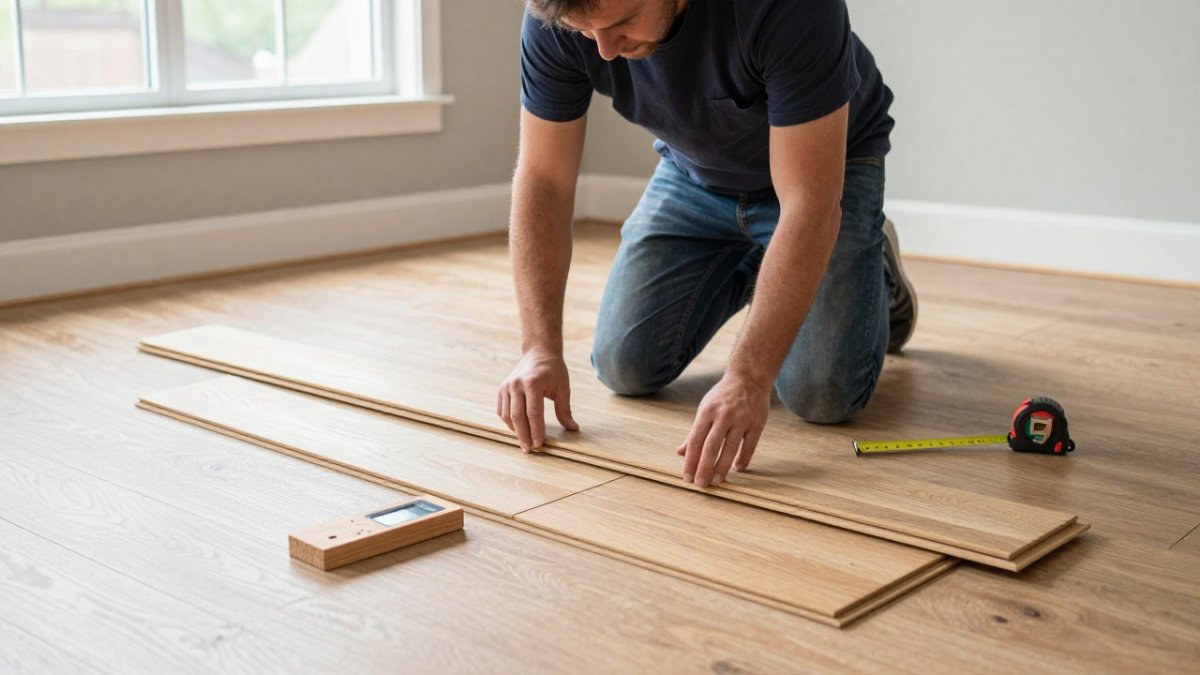
Let planks sit in the room for the time the manufacturer specifies. Temperature swings change how vinyl expands.
Then install according to the product's system, leave the expansion gap at walls, and finish with trim. Check every seam before you call it done.
Flooring Installation Cost for Rental Property: What Drives the Number
Flooring installation cost for rental property depends on factors such as square footage, material choice, subfloor condition, and removal of the old floor. Pricing depends on your unit, so request a quote based on an actual walkthrough.
What moves the price up or down:
| Cost Driver | What It Means | Impact on Budget |
|---|---|---|
| Square footage | Total area to cover | Biggest single factor |
| Material grade | Wear layer and thickness | Higher grade, longer life |
| Subfloor prep | Leveling, patching, repairs | Often the surprise cost |
| Old floor removal | Tear-out and disposal | Adds labor and hauling |
| Room complexity | Closets, angles, transitions | More cuts, more time |
Ask for a written scope that names subfloor prep as a line item. That's how you avoid the mid-job surprise. Pricing depends on your unit, so get a quote based on an actual walkthrough.
Flooring Replacement Between Tenants: A Turnover Checklist
Flooring replacement between tenants should be a quick inspection and spot fix, not a full redo. Use this checklist at every turnover:
- Sweep and inspect every room for damage
- Check seams and edges for lifting
- Test for soft spots or moisture near bathrooms
- Replace damaged planks individually
- Deep clean tile grout
- Re-caulk wet areas
- Photograph the floor for your records
A plank floor generally lets you swap one damaged board instead of replacing a whole room, which can save money over the life of the unit.
Common Installation Mistakes Landlords Make
The biggest mistake is skipping subfloor prep to save a few dollars. It always costs more later.
Other repeat offenders:
- No acclimation. Planks installed cold can gap at the seams.
- Cheap wear layer. Thin vinyl scratches through in high traffic.
- Carpet in wet zones. It never ends well.
- No expansion gap. The floor buckles against the walls.
- DIY over a bad base. The best plank fails on a bad subfloor.
A common mistake is buying on price alone. The Federal Trade Commission's guidance on home improvement contracts is a useful read before you sign with any installer.
Book a Southampton Flooring Consultation Before Your Next Turnover
Choosing the right floor for a rental isn't complicated once you match material to moisture and traffic. The hard part is getting the installation right.
That's where a professional installer can help. Hamptons carpet one floor and Home serves customers across Suffolk County and can discuss your specific project needs.
If you're searching for reliable flooring near me in Southampton, start with a walkthrough. For current pricing and availability, contact Hamptons carpet one floor and Home through our website.
Frequently Asked Questions
What is the most durable flooring for a rental property?
Luxury vinyl plank and porcelain tile hold up best in rentals. LVP resists scratches, stands up to tracked-in sand, and handles occasional standing water far better than laminate, which swells when moisture gets into its core. Porcelain tile wins in bathrooms and entryways where water is constant. Carpet still works in bedrooms if you want to soften noise, but expect to replace it more often. The deciding factor is usually moisture exposure: the wetter the room, the more you should lean toward vinyl or tile over laminate or carpet.
Is luxury vinyl plank a good choice for rental properties?
Yes, for most units. Luxury vinyl plank for rental property use is popular because it is waterproof, tolerates sand and grit, and cleans with a damp mop between tenants. Good LVP can last many years, which spreads the cost across several lease cycles. Two caveats: buy a wear layer rated for commercial traffic, and make sure the subfloor is flat before installation. A wavy subfloor causes click-lock planks to separate at the seams, and that is where water gets in.
How much does it cost to install flooring in a rental property?
Flooring installation cost for rental property projects depends on the material, the square footage, the condition of the subfloor, and whether old flooring must be removed and hauled away. Older homes with uneven or damaged subfloors cost more because leveling work comes first. Ask for a written quote that separates material, labor, removal, and disposal so nothing appears mid-job. For current pricing on specific products, contact Hamptons Carpet One Floor and Home through our website for a quote.
Can you install new flooring over existing floors in a rental?
Sometimes, but the existing floor has to be sound, flat, and dry. LVP can often go over clean, well-bonded vinyl or tile, which saves on removal and disposal. You cannot lay new flooring over carpet, and you should not cover a floor with water damage or loose tiles. In older Suffolk County homes, the bigger question is what is underneath: original hardwood may be worth refinishing instead of covering. A site inspection can help settle it before any material is ordered.