 blog
Pet-Friendly Flooring for Beach Homes: A Practical Guide
Table of Contents
- Why Pet-Friendly Flooring Matters in Coastal Homes
- Pet-Friendly Vinyl Flooring: The Coastal Workhorse
- Water-Resistant Flooring for Pets in Humid Climates
- Engineered Hardwood Flooring for Pets: Durability Without Solid Wood Fragility
- Tile Flooring for Beach Homes: Unmatched Moisture and Durability
- Comparing Flooring Types: Which Works Best for Your Pets and Beach Home
- Room-by-Room Flooring Strategy for Beach Homes with Pets
- Frequently Asked Questions
Last Updated: October 11, 2026
Why Pet-Friendly Flooring Matters in Coastal Homes
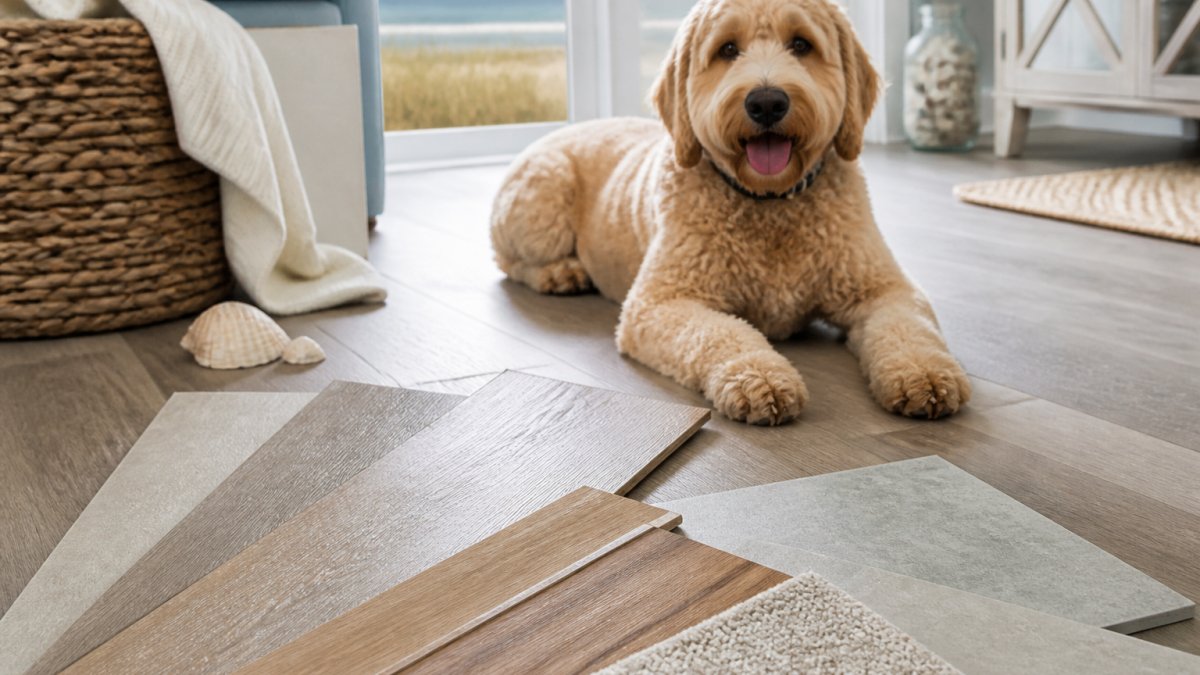
Choosing the right pet friendly flooring for beach homes is fundamentally different from selecting flooring for inland properties.
The stakes are higher in beach homes. Standard hardwood warps under humidity swings. Cheap vinyl fails when exposed to salt residue and UV light. Laminate swells and delaminates. You're not just managing pet damage, you're fighting a coastal environment that degrades flooring from multiple angles simultaneously.
This guide covers the flooring types that actually survive this combination: vinyl, engineered hardwood, and tile. We'll show you which materials handle sand and salt, how to manage moisture without mold, and what installation details matter in coastal properties.
Pet-Friendly Vinyl Flooring: The Coastal Workhorse
Luxury vinyl plank and luxury vinyl tile dominate pet-friendly flooring for beach homes for one reason: they're nearly impossible to damage in ways that matter. Vinyl doesn't swell when humidity spikes. Salt water doesn't degrade it. Pet claws leave no permanent marks on quality vinyl's wear layer.
Waterproof Performance and Scratch Resistance
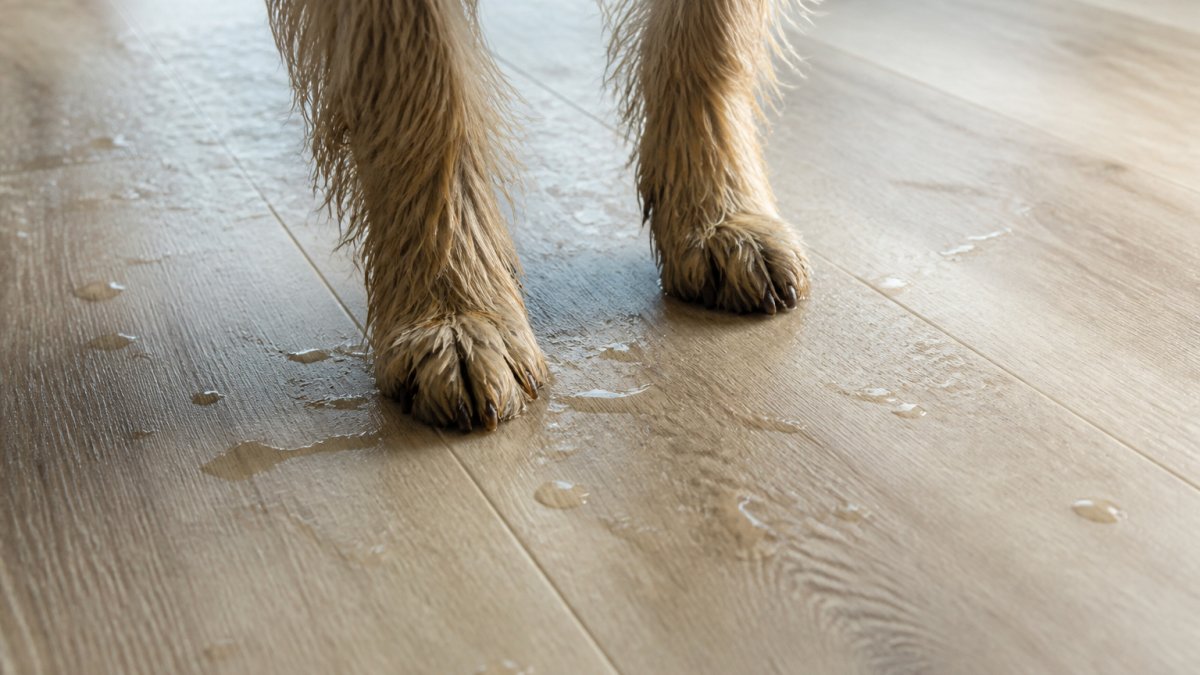
Vinyl's waterproof core is its defining advantage in coastal homes. Water sits on the surface rather than soaking through. This matters because beach homes experience moisture from multiple sources: humid air, salt spray seeping through windows, wet paws, and occasional flooding during storms.
The wear layer, the top protective coating, determines scratch resistance. Premium vinyl has a wear layer between 12-20 mils thick. This thickness stops claws from reaching the color layer beneath.
Vinyl's surface texture also affects grip. Smooth vinyl becomes slippery when wet, problematic for older dogs or cats struggling for traction. Textured vinyl mimics natural stone or wood grain and provides better footing.
Sand and Salt Management
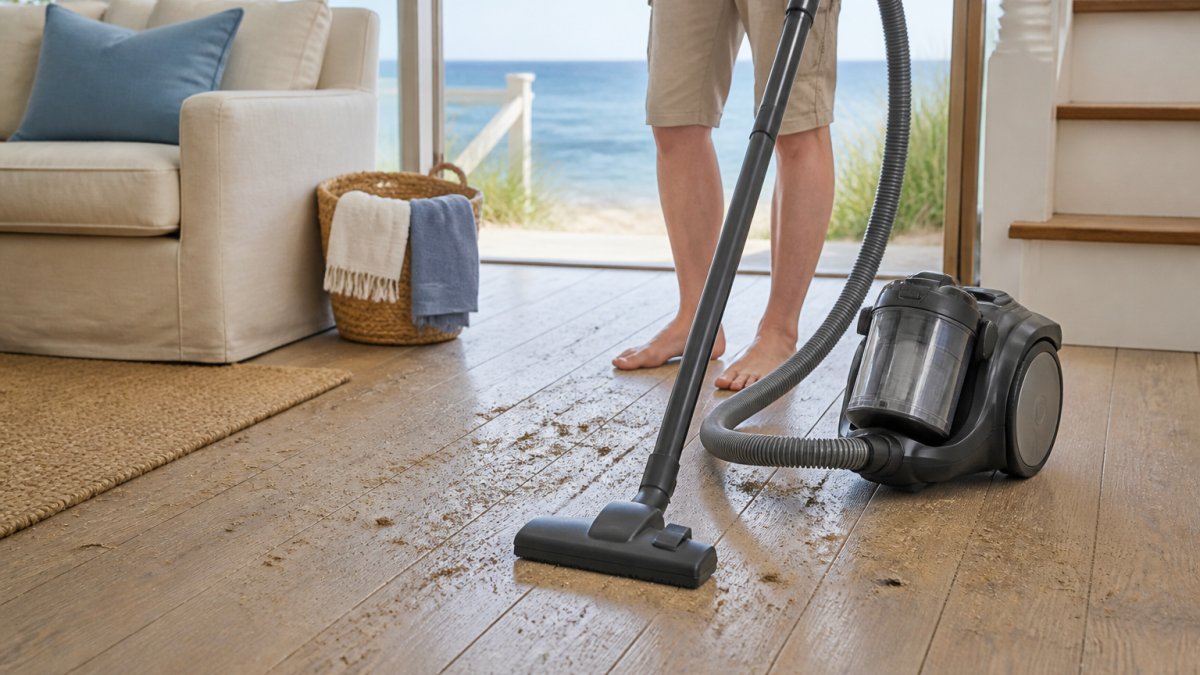
Sand is abrasive. Every grain tracked inside acts like fine sandpaper on your flooring. Over months, this creates a dull, scratched appearance on soft materials. Vinyl's hard surface resists this wear pattern. Sand doesn't embed into vinyl the way it does into grout lines or wood grain. You sweep it up, and the floor looks unchanged.
Salt residue requires different thinking. Salt doesn't damage vinyl itself, but it attracts moisture. Salt crystals pull humidity from the air, creating wet spots that encourage mold growth in grout lines or around baseboards. The solution isn't the flooring material, it's installation. Vinyl planks with tight seams and proper underlayment prevent moisture from wicking into the subfloor where salt and humidity create mold conditions.
Water-Resistant Flooring for Pets in Humid Climates
Humidity in beach homes averages 60-80% year-round, compared to 30-50% inland. This constant moisture load affects flooring differently than occasional spills. Materials that handle a wet accident poorly handle sustained humidity even worse.
Moisture Control and Mold Prevention
Water-resistant flooring stops liquid from soaking through, but it doesn't prevent mold from growing on surfaces if moisture lingers. The real protection comes from underlayment and ventilation, not the flooring material alone.
Vinyl and tile both work with moisture-barrier underlayment. This underlayment sits between the subfloor and the flooring surface. It stops moisture wicking from below, critical in beach homes where the water table is high and humidity is constant. Without it, moisture migrates upward, creating conditions where mold grows on the underside of flooring even if the top surface stays dry.
Engineered hardwood handles humidity better than solid hardwood because its plywood base resists cupping and warping. However, engineered wood still needs moisture control. Humidity above 65% creates expansion and contraction cycles that eventually loosen planks and create gaps where sand collects.
Pet Accidents and Spill Cleanup
Pet accidents aren't just about stains, they're about moisture penetration. A dog's accident on vinyl or tile sits on the surface. You wipe it up, and the floor is fine. The same accident on laminate or solid hardwood soaks into the material, creating permanent damage and mold risk underneath.
For beach homes with pets, this difference is decisive. Accidents happen. Humidity is constant. Materials that shed moisture rather than absorb it survive both.
Engineered Hardwood Flooring for Pets: Durability Without Solid Wood Fragility
Engineered hardwood splits the difference between solid hardwood's beauty and vinyl's practicality. It's real wood on top, plywood beneath. This construction gives it better humidity tolerance than solid wood while maintaining wood's aesthetic appeal.
Engineered hardwood works for beach homes with pets only under specific conditions: low pet traffic areas, consistent humidity control, and quick cleanup of spills and accidents. It's not a primary choice for active households, but it's viable for secondary spaces like bedrooms or offices where pets spend limited time.
Wear Layer Protection Against Claws and Scuffs
Engineered hardwood's top layer is solid wood, typically 2-4mm thick. This thickness is enough to resist light scratching from claws, but not heavy scratching. A 40-pound dog running across engineered hardwood leaves visible marks. Multiple pets create a worn, dull appearance within 2-3 years.
The wear layer can be refinished once, sanding down the top layer to remove scratches and applying new finish. Solid hardwood can be refinished 5-10 times. Engineered hardwood's thinner top layer limits refinishing to one or two cycles before you sand through to the plywood base.
Coastal Humidity Tolerance
Engineered hardwood's plywood base resists humidity-driven expansion and contraction better than solid hardwood. The cross-grain construction of plywood stabilizes the wood, reducing cupping and warping. This stability matters in coastal homes where humidity fluctuates 20-30 percentage points seasonally.
However, engineered hardwood still requires humidity control. Humidifiers in winter and dehumidifiers in summer keep indoor humidity in the 40-60% range, preventing excessive movement. This adds cost and complexity compared to vinyl, which tolerates humidity swings without active management.
Tile Flooring for Beach Homes: Unmatched Moisture and Durability
Tile is the most durable flooring material for coastal homes with pets. It's impervious to water, salt, sand, and pet claws. The downsides are comfort underfoot (hard, cold surface) and grout maintenance (grout absorbs moisture and stains).
Porcelain vs. Ceramic for Coastal Conditions
Porcelain tile is denser than ceramic. It absorbs less than 0.5% water, while ceramic absorbs up to 3%. In a coastal environment where salt water and humidity are constant, porcelain's lower absorption rate prevents salt crystallization and mold growth in the tile itself.
Porcelain is also harder than ceramic. Pet claws don't scratch porcelain visibly. Ceramic scratches more easily, especially lighter-colored tiles where scratches show clearly.
The trade-off is cost. Porcelain runs 40-60% more than ceramic. For beach homes where durability is critical, the extra cost is justified. For seasonal rentals or low-traffic spaces, ceramic works adequately.
Traction and Safety on Wet Floors
Tile's hard surface becomes slippery when wet. This is a real hazard for pets, especially older dogs with reduced mobility. A dog running on wet tile can lose traction, slide, and injure itself.
Textured tile or tile with a matte finish provides better grip than polished tile. Matte finishes have micro-textures that increase friction. The trade-off is that matte finishes show dust and footprints more than polished finishes.
Another option is adding non-slip coatings to existing tile. These coatings create a textured surface that improves traction without replacing the tile. However, they require reapplication every 1-2 years as they wear down.
Comparing Flooring Types: Which Works Best for Your Pets and Beach Home
| Flooring Type | Water Resistance | Scratch Resistance | Sand Durability | Humidity Tolerance | Pet Comfort | Maintenance |
|---|---|---|---|---|---|---|
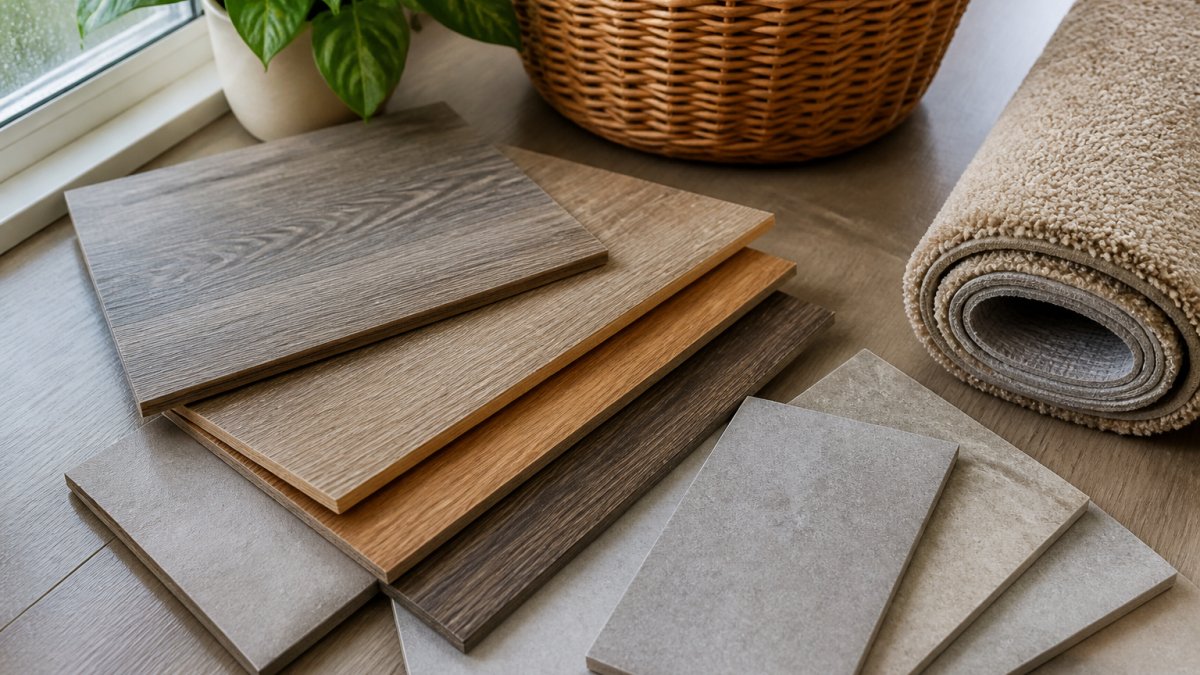
| Luxury Vinyl | Excellent | Excellent | Excellent | Excellent | Good | Easy |
| Engineered Hardwood | Good | Fair | Fair | Good | Excellent | Moderate |
| Porcelain Tile | Excellent | Excellent | Excellent | Excellent | Fair | Moderate |
| Ceramic Tile | Excellent | Good | Excellent | Excellent | Fair | Moderate |
Installation and Subfloor Considerations in Coastal Properties
Installation quality determines whether flooring lasts 5 years or 15 years in coastal homes. The subfloor is where most mistakes happen.
Beach homes often have moisture issues beneath the surface. High water tables, poor drainage, or previous flood damage create damp subfloors. Before installing any flooring, test moisture levels.
If moisture readings are high, install a moisture barrier before flooring. This barrier is typically a polyethylene sheet or specialized underlayment that stops moisture wicking from below.
Vinyl requires underlayment to absorb sound and provide cushioning. In coastal homes, use underlayment with a built-in moisture barrier. This serves double duty: moisture protection and comfort.
Tile needs proper substrate preparation. Uneven subfloors cause cracked grout and loose tiles. A self-leveling compound fixes minor irregularities. Major unevenness requires subfloor repair before tile installation.
Long-Term Maintenance and Repair Costs
Vinyl is the cheapest to maintain. Regular sweeping and occasional damp mopping keep it clean. Repairs are simple: damaged planks pop out and replacement planks click in. Repair costs are minimal because individual planks cost $2-5 each.
Engineered hardwood requires more care. Dust and sand scratch the surface, so frequent sweeping is necessary. Water spills must be cleaned immediately to prevent moisture damage. Refinishing costs $3-8 per square foot, making large areas expensive to restore.
Tile maintenance focuses on grout. Grout absorbs stains and moisture. Sealing grout annually prevents discoloration and mold. Grout cleaning and resealing costs $1-3 per square foot annually. Cracked grout needs removal and replacement, which is labor-intensive.
Room-by-Room Flooring Strategy for Beach Homes with Pets
Different rooms have different demands. A one-flooring solution rarely works across an entire beach home.
Entryways and mudrooms: These spaces bear the heaviest sand and moisture load. Vinyl or tile is essential here.
Living areas: Vinyl provides durability and comfort. Engineered hardwood works if pet traffic is light. Avoid solid hardwood entirely in active households.
Bedrooms: Engineered hardwood or vinyl work equally well. Bedrooms have lower pet traffic and moisture exposure.
Bathrooms and laundry rooms: Tile is the only practical choice. Moisture levels are too high for vinyl or wood. Porcelain with non-slip finish is best.
Kitchens: Vinyl or tile. Kitchens combine moisture, spills, and pet traffic. Both materials handle this combination. Tile is more durable; vinyl is warmer underfoot.
Choosing pet friendly flooring for beach homes means accepting that standard solutions fail.
Frequently Asked Questions
What is the best type of flooring for a beach house with pets?
Luxury vinyl plank and porcelain tile are the top choices for beach homes with pets. Vinyl offers waterproof protection, scratch resistance, and easy cleanup for wet paws and sand. Porcelain tile excels at moisture control and durability but requires textured surfaces for traction. Engineered hardwood works if you prioritize warmth and aesthetics, though it requires more coastal humidity management than vinyl or tile.
How can I keep sand from scratching floors in a beach house?
Use entrance mats and regularly sweep high-traffic areas to remove sand before it gets ground into the floor. Vinyl and tile handle minor scratching better than hardwood. For pets, trim their paw hair and wipe their feet before they enter. Hard-surface flooring like vinyl and tile are more forgiving of sand exposure than natural wood, making them ideal for coastal pet-owning households.
Is luxury vinyl plank a good choice for beach homes with dogs?
Yes. Luxury vinyl plank (LVP) is one of the best options for beach homes with dogs because it's completely waterproof, resists scratches from claws, and cleans easily with a damp mop. The wear layer protects against scuffs from active pets, and it handles humidity and salt air without warping. Its textured surface provides traction for wet paws, reducing slip hazards.
Is tile or vinyl better for pets in a coastal home?
Both excel in coastal environments, but for different reasons. Vinyl is softer underfoot, quieter, and easier to install quickly; it's ideal if comfort matters. Tile is harder, more durable long-term, and handles extreme moisture better; it's best if you prioritize maximum durability and don't mind a harder surface. For active pets, vinyl's scratch resistance and ease of cleaning often make it the preferred choice, while tile wins for flood-prone areas or multi-pet households.