 Ultimate guide
Professional Flooring Contractors: Suffolk County Guide
Table of Contents
- What Professional Flooring Contractors in Suffolk County Actually Do
- Flooring Installation Services and Materials That Work in Coastal Conditions
- How to Prepare for Floor Installation: Steps Before Work Begins
- Flooring Installation Checklist: What to Expect During the Project
- Average Cost of Flooring Installation and What Affects Your Budget
- Climate-Specific Durability: Why Coastal Flooring Needs Special Consideration
- Sustainable and Eco-Friendly Flooring Options for Conscious Homeowners
- How to Choose the Right Flooring Contractor and Verify Their Credentials
What Professional Flooring Contractors in Suffolk County Actually Do
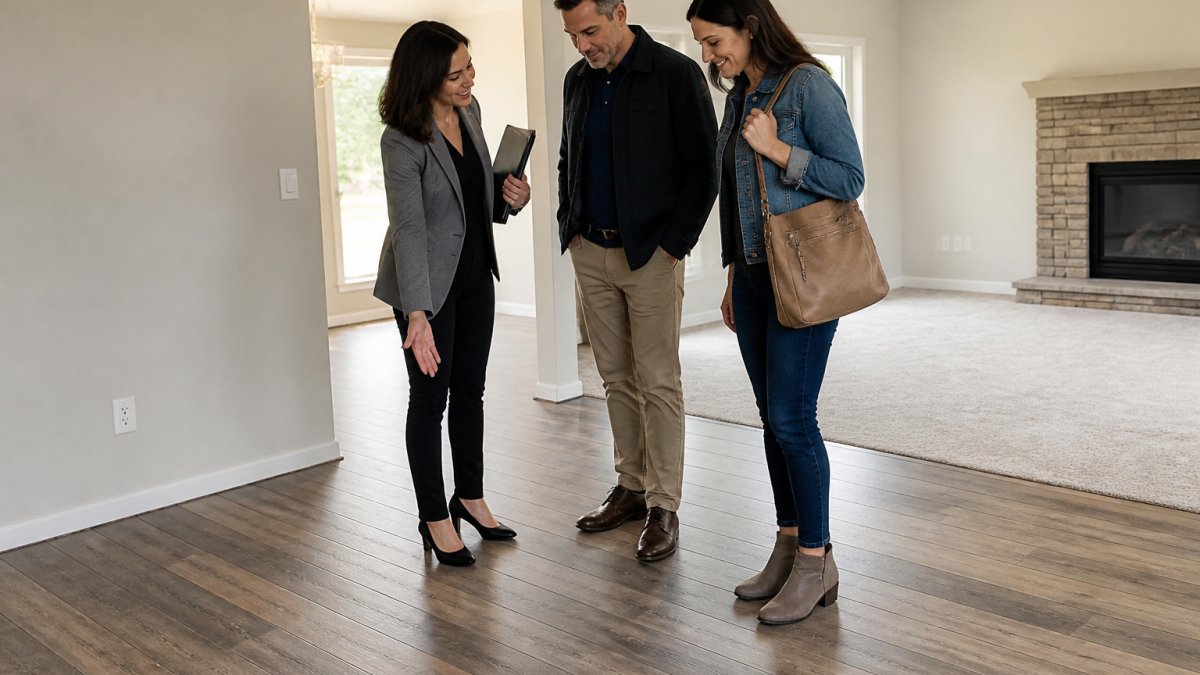
Professional flooring contractors in Suffolk County handle the complete lifecycle of floor covering projects, from initial consultation through installation and finishing. At Hamptons carpet one floor and Home, we work with homeowners and commercial clients who need durable, moisture-resistant solutions for coastal properties. These contractors manage subfloor preparation, moisture barriers, project timelines, and ensure installations withstand the unique demands of a beach environment.
A skilled flooring contractor assesses your space, recommends materials suited to local climate conditions, manages logistics around your schedule, and stands behind the installation warranty. For older homes in the area, this might mean navigating uneven original hardwood or addressing moisture issues that plague properties near salt water. For commercial storefronts, it means selecting high-traffic solutions that hold up under constant foot traffic and sand accumulation.
What separates a reliable contractor from a problematic one comes down to transparency about costs, respect for your timeline, and honest assessment of what your space actually needs. Professional flooring contractors who've built their reputation locally understand these pain points and structure their work to minimize disruption.
Flooring Installation Services and Materials That Work in Coastal Conditions
Coastal properties face specific challenges that inland homes don't. Salt air corrodes certain materials, humidity levels spike dramatically, and moisture infiltration is a constant threat. Professional flooring contractors in Suffolk County select materials and methods that perform in these conditions.
Hardwood Installation and Engineered Wood for Moisture Control
Solid hardwood flooring struggles in coastal environments. Salt-laden air and fluctuating humidity cause wood to expand and contract unpredictably, leading to cupping, warping, and finish breakdown. Engineered wood solves this problem by using a plywood base with a hardwood veneer on top, resisting moisture movement far better than solid wood while maintaining real hardwood aesthetics.
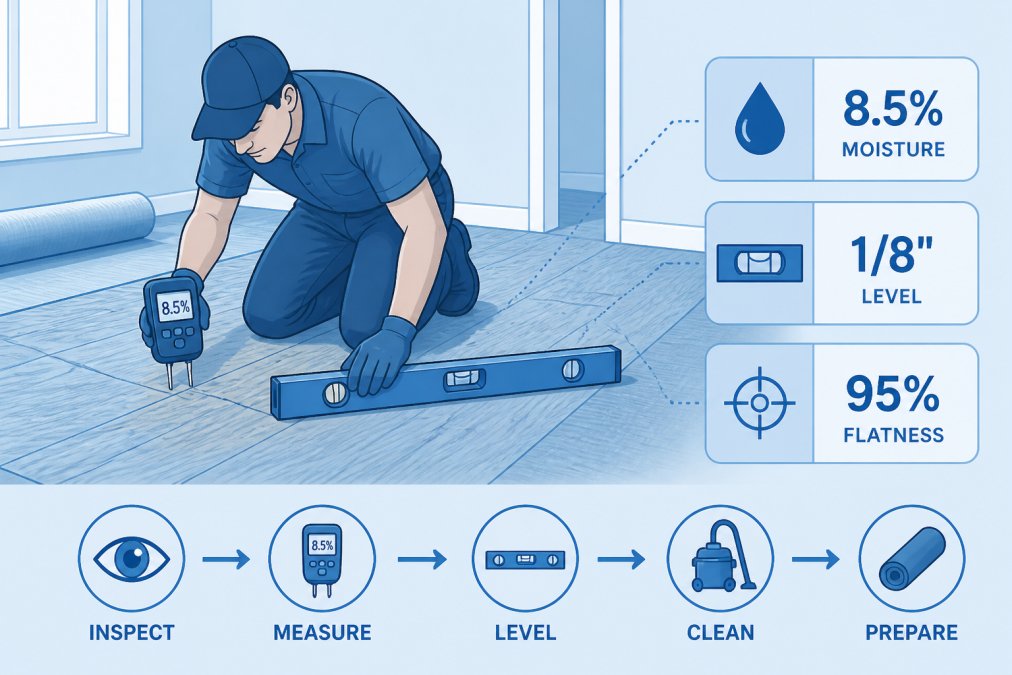
Installation requires proper subfloor preparation and a moisture barrier beneath the material. The subfloor must be level, dry, and stable before installation begins. Moisture testing with a meter is non-negotiable in coastal areas; if the subfloor reads above acceptable levels, the installation will fail within months regardless of material quality.
Engineered wood costs more than laminate because it's durable and repairable. The veneer can be refinished if the surface wears, whereas laminate cannot. For properties used for decades, the investment pays dividends. The thickness of the veneer and quality of the plywood base vary dramatically between budget and premium options.
Luxury Vinyl Plank and Tile Setting for High-Traffic Areas
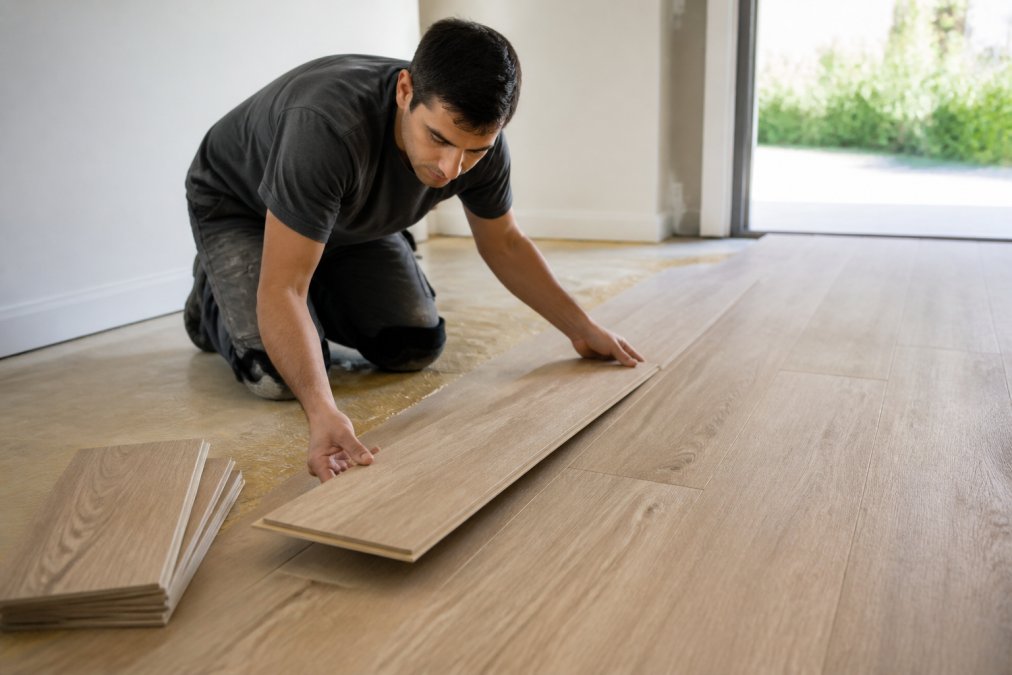
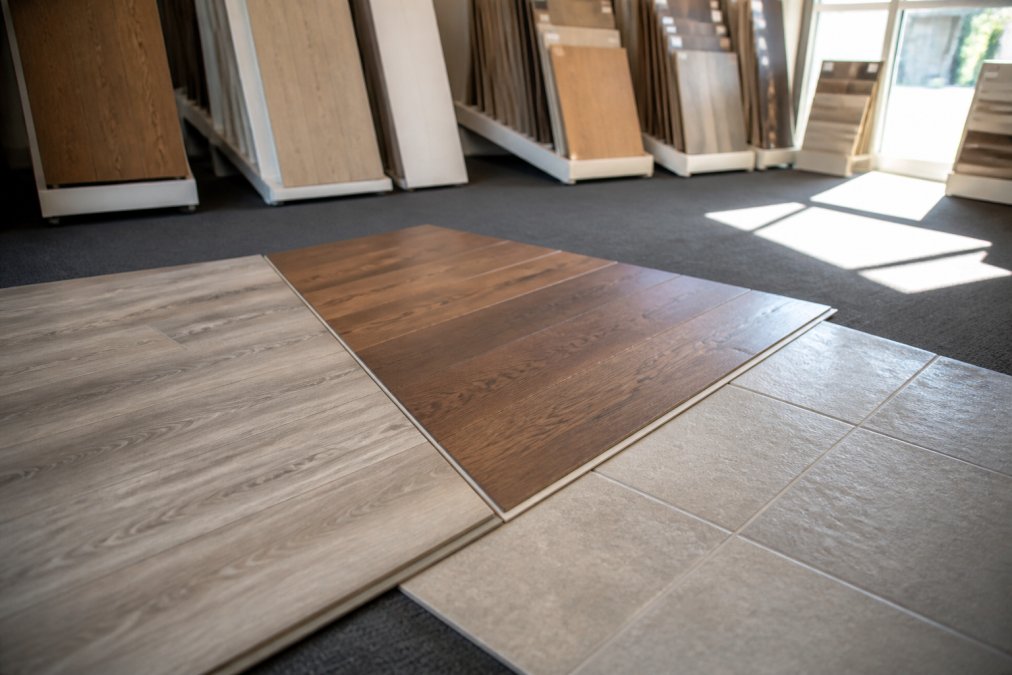
Luxury vinyl plank (LVP) has emerged as the dominant choice for coastal residential properties. It resists moisture completely, won't warp or cup, and mimics the appearance of real hardwood or stone convincingly. Installation is faster than traditional hardwood, and the material tolerates temperature swings that would destroy solid wood.
Successful LVP installation requires proper acclimation and subfloor preparation. The material must sit in your home for 48 hours before installation to adjust to ambient temperature and humidity. Subfloor imperfections telegraph through LVP; any bump or low spot will be visible and feel underfoot. Professional contractors level and prepare the subfloor correctly rather than rushing this step.
Tile setting in high-traffic areas requires proper mortar selection, grout choice, and sealing. In coastal areas, epoxy grout outperforms traditional grout because it resists salt air corrosion and moisture penetration.
Laminate Flooring and Carpeting Services for Residential Spaces
Laminate flooring is budget-friendly and scratch-resistant, but moisture is its weakness. In coastal properties, laminate should be limited to bedrooms and living spaces away from moisture sources. Kitchens, bathrooms, and entryways are poor choices for laminate near the ocean.
Carpeting services focus on durability and cleanability. High-quality carpet tile systems allow individual damaged sections to be replaced rather than recarpeting an entire room. This approach makes economic sense for families with children or pets. Installation involves proper padding selection, seaming, and stretch techniques to prevent wrinkles and premature wear.
How to Prepare for Floor Installation: Steps Before Work Begins
Preparation determines whether your flooring installation succeeds or fails. A contractor who skips proper prep work is cutting corners.
First, the contractor should conduct a moisture assessment using a calcium chloride or relative humidity test. This is mandatory in coastal areas. If moisture levels are elevated, the contractor should recommend remediation before proceeding.
Second, the subfloor must be inspected for levelness. Floors that deviate more than 3/16 inch over 10 feet need correction before installation. This might involve grinding high spots, filling low spots with self-leveling compound, or removing and replacing damaged subfloor sections. This step adds cost and time, but skipping it means your new flooring will feel unstable underfoot and wear prematurely.
Third, the space must be cleared and protected. Existing flooring is removed, debris is disposed of, and adjacent areas are sealed off to contain dust. A professional contractor will discuss dust containment upfront.
Fourth, the contractor should verify material quantities and quality before beginning. Flooring is delivered and inspected for damage. Samples are placed in your space under your home's actual lighting to confirm the color and finish match your expectations.
Flooring Installation Checklist: What to Expect During the Project
Understanding the installation process removes anxiety and helps you communicate expectations clearly with your contractor.
Day 1-2: Subfloor Work and Preparation The contractor removes existing flooring, disposes of debris, and inspects the subfloor. Moisture barriers are installed if needed. Any subfloor damage is repaired and the space is cleaned thoroughly.
Day 2-3: Material Acclimation and Layout Flooring material is delivered and allowed to acclimate to your home's temperature and humidity. The contractor plans the layout, determining where cuts will occur and how to minimize waste.
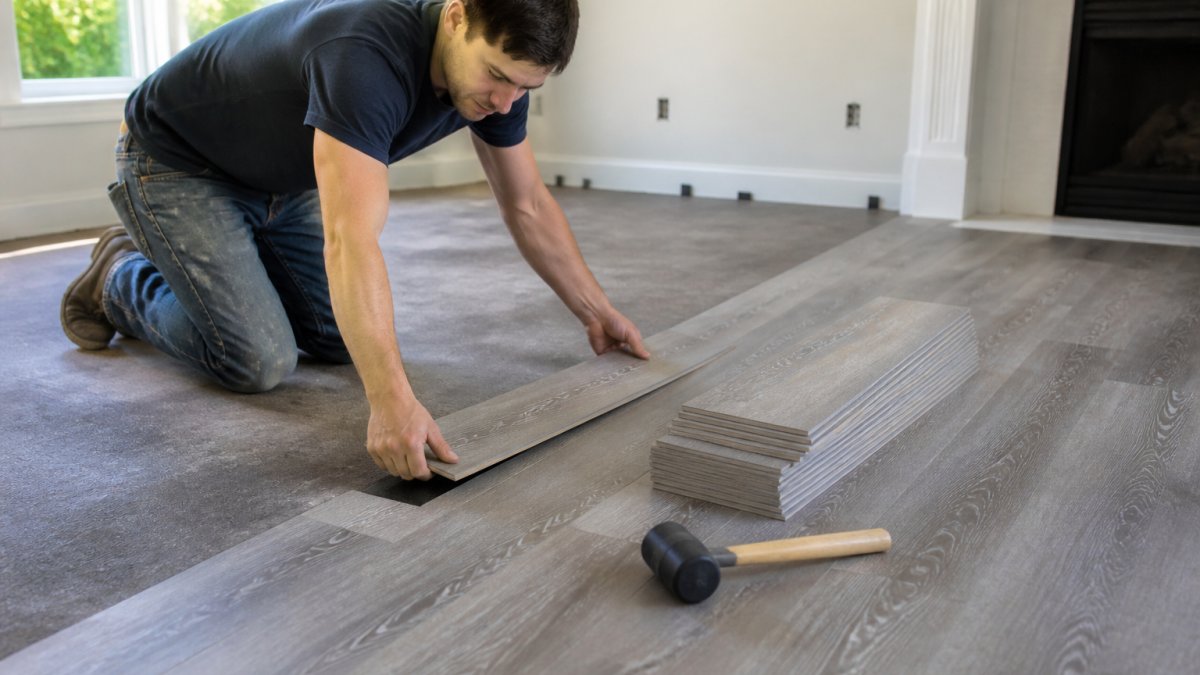
Day 3-5: Installation The actual installation begins. For hardwood or engineered wood, planks are fastened or glued in sequence. For LVP, material is clicked together and the room is filled systematically. For tile, mortar is applied, tiles are set, and grout lines are established.
Day 5-6: Finishing and Cleanup Baseboards are installed, transitions are set, and the space is thoroughly cleaned. Furniture can typically return within 24-48 hours, depending on the finish type.
For dust-heavy projects like hardwood sanding, many families relocate temporarily. For quieter installations like LVP or tile, staying home is usually manageable if you have space away from the work area.
Average Cost of Flooring Installation and What Affects Your Budget
Flooring installation costs vary based on material type, room size, subfloor condition, and complexity. Understanding what drives costs helps you evaluate quotes intelligently.
Material cost is the largest variable. Luxury vinyl plank costs less per square foot than engineered hardwood, which costs less than solid hardwood. Labor costs reflect the contractor's experience, local market rates, and project complexity. A 200-square-foot bathroom with tile installation costs more per square foot than a 1,000-square-foot living room with LVP because the bathroom involves more cuts and detail work.
Subfloor preparation is where quotes diverge dramatically. If your subfloor is in good condition and moisture levels are normal, prep costs are minimal. If the subfloor has damage, high moisture, or requires leveling, costs increase. A quote that doesn't account for subfloor condition is likely incomplete.
Additional costs include removal of existing flooring, disposal fees, baseboard replacement, and transitions between rooms. Ask your contractor to break down the quote by category so you understand what you're paying for.
For current pricing information specific to your project, contact Hamptons carpet one floor and Home for a detailed estimate.
Climate-Specific Durability: Why Coastal Flooring Needs Special Consideration
Coastal properties experience environmental stressors that inland homes don't. Salt air corrodes certain materials, humidity fluctuates wildly between seasons, and moisture infiltration is persistent. A flooring material that performs well in Arizona might fail completely in Suffolk County.
Salt air accelerates the deterioration of finishes and grout. Traditional polyurethane finishes on hardwood break down faster in coastal environments. Epoxy grout outperforms standard grout in resisting salt corrosion. These are necessary specifications for coastal durability, not premium upgrades.
Humidity swings cause wood-based materials to expand and contract. Summer humidity can spike to 80% or higher, then drop dramatically in winter. This constant movement stresses the material and finish. Engineered wood resists this movement better than solid wood because the plywood base is more stable.
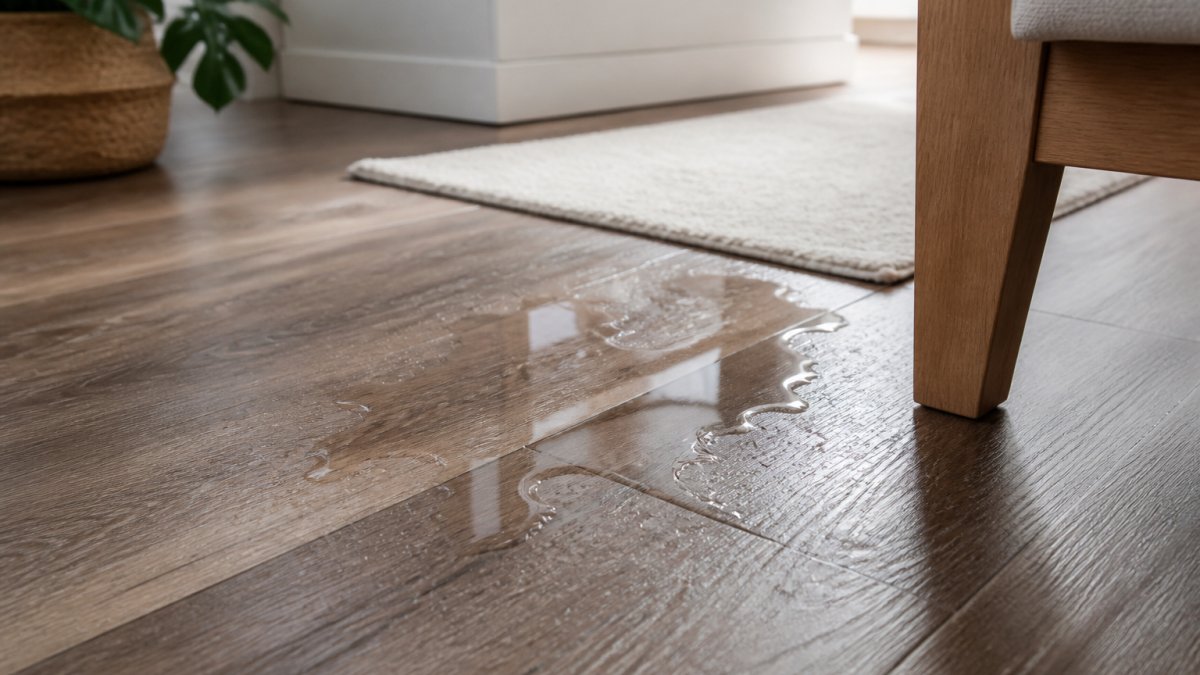
Moisture infiltration is the silent killer. Water seeps through walls, rises from the ground, or enters through roof leaks. If flooring is installed without addressing the moisture source, it will fail regardless of material quality. Professional contractors in coastal areas investigate moisture problems before recommending flooring solutions.
Sand tracked into the home is abrasive and works into grout lines and carpet fibers. Hard-surface flooring like tile or LVP is easier to clean than carpet, but proper sealing of grout lines prevents sand from embedding.
Sustainable and Eco-Friendly Flooring Options for Conscious Homeowners
Environmental consciousness doesn't require sacrificing durability or aesthetics. Several flooring options balance sustainability with coastal performance.
Reclaimed hardwood sourced from old barns or industrial buildings offers authentic character while reusing existing material. The environmental impact is lower than harvesting new timber. Installation is similar to engineered wood, and the unique grain patterns add character that new wood can't replicate.
Cork flooring is harvested from cork oak bark without harming the tree, making it a renewable resource. Cork is naturally antimicrobial, warm underfoot, and cushions impact well. It resists moisture better than solid hardwood but not as completely as LVP. Cork works well in bedrooms and living spaces but is less ideal for high-moisture areas.
Bamboo is a rapidly renewable material that grows faster than hardwood trees. Engineered bamboo flooring performs similarly to engineered hardwood and offers comparable durability.
Recycled content LVP is emerging as a sustainable option. Some manufacturers use recycled plastic and wood waste to create luxury vinyl products that perform identically to virgin material with a lower environmental footprint.
Water-based finishes for hardwood and engineered wood have lower VOC (volatile organic compound) emissions than traditional polyurethane. If you're concerned about indoor air quality, specify water-based finishes during installation.
How to Choose the Right Flooring Contractor and Verify Their Credentials
Selecting a contractor is as important as selecting the flooring material. A skilled contractor with poor material choices outperforms a poor contractor with excellent material.
Start by requesting references from recent projects in similar homes or commercial spaces. Call these references and ask specific questions: Did the contractor complete the work on time? Was dust and disruption managed well? Has the flooring held up as expected? References reveal patterns that marketing won't.
Verify licensing and insurance. In most states, flooring contractors should hold a valid license. Ask to see proof of liability insurance and workers' compensation coverage. This protects you if someone is injured on your property or if damage occurs during the project.
Ask about warranty coverage. What does the contractor guarantee? Typically, installation warranty covers defects in workmanship for one to five years. Material warranty is separate and comes from the manufacturer.
Request a detailed written estimate that breaks down labor, materials, disposal, and any additional costs. The estimate should reference the specific material by brand and model, not just generic descriptions.
Interview multiple contractors. This isn't about finding the cheapest option, it's about finding the right fit. Assess whether the contractor listens to your concerns, asks thoughtful questions about your space and needs, and explains recommendations clearly.
Ask about their experience with coastal properties specifically. A contractor who has worked extensively in Suffolk County understands local moisture challenges, seasonal variations, and material performance in this climate.
Choosing the right flooring for a coastal property requires balancing aesthetics, durability, and budget. Professional flooring contractors in Suffolk County understand these tradeoffs and guide you toward solutions that perform. Hamptons carpet one floor and Home works with homeowners and commercial clients throughout the area to select and install flooring that withstands coastal conditions. Their team can assess your space, discuss material options suited to moisture and climate challenges, and provide transparent pricing for your project. Start with a consultation to understand your options and get a detailed estimate for your specific needs.
Frequently Asked Questions
What is the average cost to have flooring installed?
The average cost of flooring installation varies based on material type, square footage, subfloor condition, and labor complexity. Luxury vinyl plank typically costs less than hardwood installation, while tile setting and custom finishes command higher prices. Subfloor preparation, moisture barriers, and baseboard installation add to the total. Request a detailed estimate from professional flooring contractors who will assess your specific space and provide transparent pricing before work begins.
How do I verify the license and insurance of a flooring contractor?
Ask your contractor for their business license number and insurance certificates before hiring. You can verify licensing through your state's contractor licensing board. Request proof of general liability and workers' compensation insurance, legitimate professionals carry both. A reputable flooring contractor will provide these documents without hesitation. Check online reviews and ask for references from recent residential remodeling projects. Verify that their insurance is current and covers the specific work you need done.
How long does a professional flooring installation typically take?
Installation time depends on the material and room size. Laminate flooring in a single room might take 1-2 days, while hardwood installation with floor sanding and finishing can take 5-7 days or longer. Tile setting requires additional time for grout curing. Subfloor preparation and moisture barrier installation extend the timeline. Your contractor should provide a project schedule during the consultation. Disruption varies, some installations create dust for weeks, while others are relatively clean depending on the material and method used.
What flooring materials hold up best in coastal environments with salt air and sand?
Luxury vinyl plank and engineered wood are excellent choices for coastal durability because they resist moisture and salt air better than solid hardwood. Tile setting works well in high-traffic sandy areas since it's easy to clean. Avoid solid hardwood in beach houses without proper moisture barriers and climate control. Laminate flooring can work if sealed properly. All materials benefit from a moisture barrier and proper subfloor preparation. Ask your contractor about coastal climate durability when selecting flooring, this is critical for long-term performance in salt-air environments.
This article was written using GrandRanker