 How-to
Subfloor Repair Cost Before New Flooring
Table of Contents
- What Subfloor Repair Costs
- Subfloor Repair Cost vs. Full Replacement
- Cost to Replace Subfloor Per Square Foot
- Labor and Material Costs Breakdown
- Factors That Affect Your Estimate
- Subfloor Replacement Time and Project Timeline
- Subfloor Preparation for New Flooring
- Frequently Asked Questions
Last Updated: October 10, 2026
What Subfloor Repair Costs
The cost of subfloor repair before new flooring ranges from $3 to $10 per square foot for localized repairs, with typical projects running $1,000 to $5,000. For a 300-square-foot room, expect $900 to $3,000 in repair costs alone, according to Angi's 2026 pricing data. Labor typically runs $25 to $30 per hour, while materials account for the remainder. These figures assume you're fixing damaged sections rather than replacing the entire subfloor.
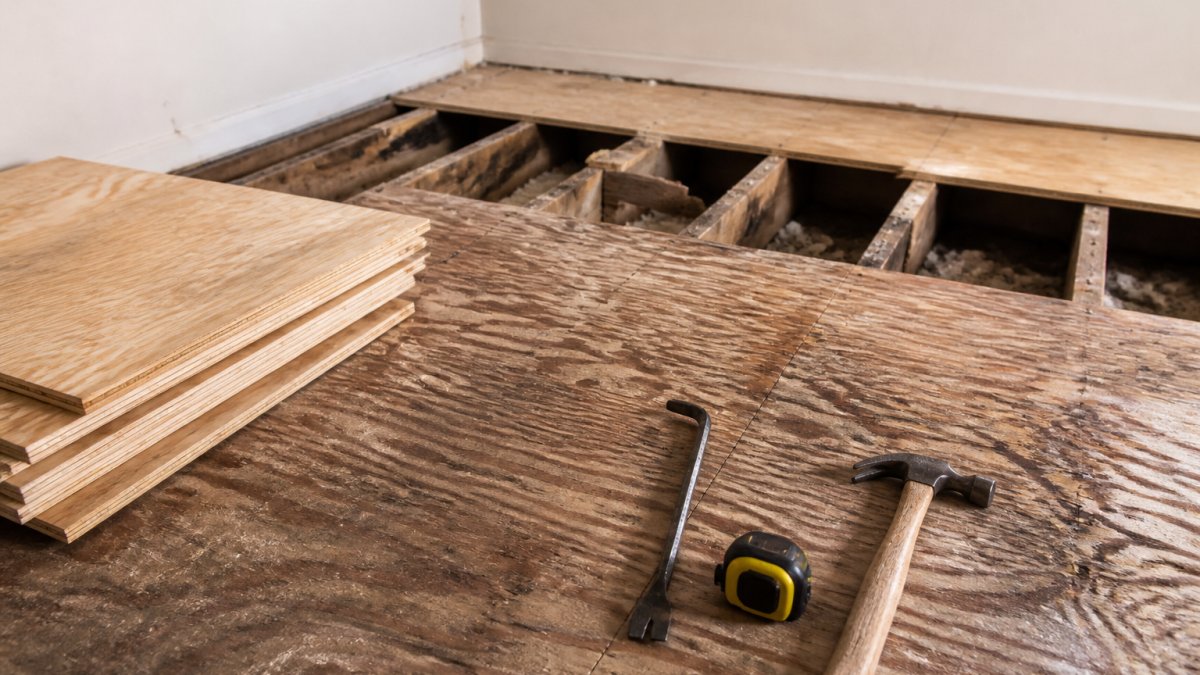
The actual subfloor repair cost depends heavily on damage severity. A soft spot the size of a closet costs far less than rot spreading across half a room. Water damage, mold, pest infestation, and structural compromise all push costs higher. Most homeowners discover subfloor issues only after flooring removal, which is why getting a professional inspection before committing to new flooring matters.
Subfloor Repair Cost vs. Full Replacement
Repairing the existing subfloor may cost significantly less than replacing it entirely. Repair estimates start at $2 to $10 per square foot, while replacement typically runs $1,500 to $5,000 for most projects. The key question isn't which option is cheaper in isolation, it's which one actually solves your problem.
Partial repair works when damage is confined to one or two areas. A burst pipe under the kitchen flooring, a roof leak in one bedroom, or localized pest damage can all be patched. The surrounding subfloor remains structurally sound. You remove the damaged section, treat moisture sources, and install new material in that area only.
Full replacement makes sense when damage is widespread, when the existing subfloor is nearing the end of its lifespan, or when the cost of multiple repairs approaches replacement cost. A 1,000-square-foot OSB subfloor replacement runs $4,333 to $8,115 according to CalcShed's 2026 cost calculator. If you're already pulling up flooring across the entire space, replacing compromised subfloor sections simultaneously prevents future problems.
Cost to Replace Subfloor Per Square Foot
Breaking down subfloor replacement cost per square foot helps you estimate total project expense. Repair costs range from $3 to $10 per square foot, while full replacement typically falls between $26.13 and $44.95 per square foot according to Homewyse's 2026 repair estimates. Material type, accessibility, and local labor rates affect the final number.
OSB subfloor tends to be cheaper to replace than plywood, but both materials see price variation based on regional supply. A 300-square-foot bathroom subfloor replacement might run $900 to $3,000, while a 1,000-square-foot living room could reach $4,000 to $8,000. Multiply your square footage by the per-square-foot rate, then add 15 to 20 percent for contingencies. Contractors often discover additional damage once they start removing flooring.
The per-square-foot approach gives you a baseline. Your actual invoice will include labor, materials, disposal, and any unexpected issues uncovered during the work.
Labor and Material Costs Breakdown
Labor and materials split the subfloor repair cost roughly evenly, though the exact split varies by project scope. Labor typically costs $25 to $30 per hour. Material costs depend on subfloor type, plywood runs higher than OSB, and specialty underlayment adds expense. A 300-square-foot repair might cost $400 to $600 in materials and $500 to $1,400 in labor.
Labor costs include:
- Demolition and removal of old flooring and subfloor
- Inspection and damage assessment
- Moisture remediation (drying, mold treatment, ventilation improvements)
- Material installation and fastening
- Site cleanup and debris removal
Disposal fees for old subfloor material are often overlooked but add $100 to $300 to the bill, depending on volume and local landfill rates. If moisture remediation is needed, treating mold, addressing water sources, or improving ventilation, that work increases labor hours significantly, sometimes by 50 percent or more.
Material costs vary by subfloor type:
- Standard plywood: $0.50-$1.50 per square foot, affordable but vulnerable to moisture
- OSB (oriented strand board): $0.40-$1.20 per square foot, cheaper but less moisture-resistant
- Engineered subfloor or moisture-resistant panels: $1.50-$3.00 per square foot, higher upfront cost but superior durability in damp environments
- Underlayment (moisture barrier, sound dampening, or thermal): $0.50-$1.50 per square foot, adds protection and extends flooring life
Hidden and often-overlooked charges:
| Charge | Typical Cost | When It Applies |
|---|---|---|
| Disposal and hauling | $100-$300 | All projects |
| Permits and inspections | $150-$500 | Most jurisdictions require permits for structural work |
| Mold testing or remediation | $500-$2,000+ | If mold is present or suspected |
| Structural engineer assessment | $300-$800 | If joists, beams, or framing are compromised |
| Plumbing or HVAC rerouting | $500-$2,000+ | If utilities cross the damaged area |
| Moisture remediation (grading, gutters, drainage) | $500-$3,000+ | If the root cause is exterior water intrusion |
| Contingency (15-20% of estimate) | Variable | Almost always needed; subfloor work reveals surprises |
Why material choice matters for long-term costs: Standard plywood is affordable but vulnerable to moisture and may need replacement in 10-15 years if exposed to humidity. Engineered subfloor or moisture-resistant panels cost more upfront but last 20+ years in damp environments like basements or coastal homes. In humid climates, the premium for moisture-resistant material often pays for itself by avoiding repeat repairs.
Getting an itemized estimate: Ask contractors to break down their quote into labor hours, material costs, disposal, permits, and contingency separately. This transparency helps you compare quotes fairly and spot which contractor is accounting for all costs versus hiding surprises in a lump sum. A detailed estimate also gives you leverage to negotiate specific line items or substitute materials if budget is tight.
Factors That Affect Your Estimate
Several variables shift subfloor repair cost up or down from the baseline estimate. Understanding what drives these variables helps you prepare for contractor conversations and spot red flags that signal expensive repairs ahead.
Moisture and water damage are the biggest cost multipliers. A subfloor exposed to standing water, ongoing leaks, or high humidity requires not just material replacement but also moisture source identification and remediation. Mold remediation alone adds $500 to $2,000 to the project. Before calling a contractor, walk your space and look for visual clues: soft or spongy spots underfoot, visible staining or discoloration, musty odors, or evidence of past water intrusion (water rings on joists, efflorescence on concrete). If you notice any of these, moisture is the primary cost driver.
Diagnosing damage severity yourself can narrow your estimate range. Press a screwdriver or awl into suspect areas, if it sinks easily or the wood crumbles, rot is present and repair costs climb. If the subfloor feels firm, damage may be localized and cheaper to patch. A moisture meter (available at hardware stores for $20-$50) gives you a baseline: readings above 15 percent indicate excess moisture and signal the need for professional assessment. Readings above 20 percent almost always require remediation before new flooring.
Room accessibility affects labor time and cost. A bathroom tucked under a second-floor bedroom takes longer to work in than a basement with open access. Older homes with uneven joists or non-standard framing require custom cuts and adjustments, adding 20 to 40 percent to labor hours. Historic properties with original hardwood subfloor underneath add complexity and cost if you're preserving that material.
Scope of flooring removal also impacts cost. If you're replacing flooring anyway, the contractor removes old carpet or tile as part of the job. If you're keeping existing flooring in adjacent areas, protecting it and working around it takes extra time and materials. Plumbing or HVAC ducts running through the subfloor may require rerouting, a hidden cost that emerges only during demolition.
Structural issues discovered during inspection can double or triple the estimate. Sagging joists, termite damage, or rot extending into the framing requires structural repair or reinforcement before new subfloor material is installed. If the contractor suspects structural compromise, they may recommend an engineer assessment ($300-$800) before proceeding, a cost worth paying to avoid catastrophic failure.
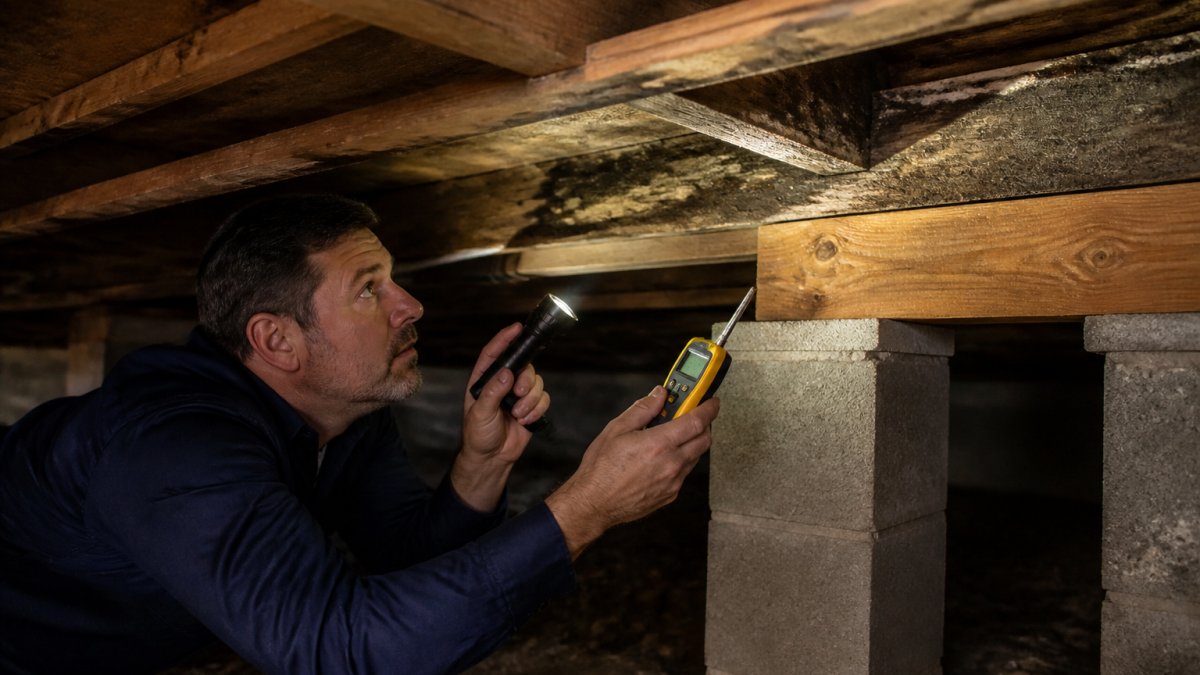
When to call a professional: If you find soft spots larger than a few square feet, visible mold, moisture readings above 15 percent, or evidence of active leaks, stop and contact a licensed contractor or structural inspector. DIY diagnosis is useful for spotting problems, but professional assessment is essential before committing to repair costs. Budget 10 to 15 percent above the contractor's estimate for contingencies, subfloor work almost always uncovers surprises once demolition begins.
Subfloor Replacement Time and Project Timeline
Subfloor replacement time varies dramatically based on scope. A localized repair in one room takes 2 to 5 days. Full-home subfloor replacement can stretch 2 to 4 weeks, especially if moisture remediation or structural work is required. The timeline includes demolition, inspection, material procurement, installation, and drying time for adhesives or treatments.
Moisture remediation extends timelines. If the contractor discovers mold or active water intrusion, addressing the source before installing new subfloor is essential. This might mean roof repairs, plumbing fixes, or grading adjustments outside the house. Plan for delays if the subfloor work uncovers structural issues requiring engineer assessment.
New flooring installation happens after subfloor work is complete and fully cured. Rushing this step causes flooring failure. Most contractors require 48 to 72 hours of curing time before new flooring goes down.
Subfloor Preparation for New Flooring
Proper subfloor preparation for new flooring ensures your investment lasts. The subfloor must be clean, dry, level, and structurally sound. Contractors check moisture levels with meters, ensuring readings fall within acceptable ranges for your chosen flooring type. Hardwood typically requires 12 percent or lower moisture content; tile and vinyl are more forgiving.
Leveling uneven subfloor prevents flooring failure. High spots cause hollow spots and creaking; low spots trap moisture. Self-leveling compounds work for minor variations. Major unevenness requires subfloor grinding or replacement sections. The prep work adds $2 to $5 per square foot but prevents costly callbacks.
Underlayment selection matters. Moisture barriers, sound dampening, and thermal barriers all add cost but extend flooring life. In coastal homes, moisture-resistant underlayment is essential for durability in humid salt-air environments.
| Preparation Step | Purpose | Typical Cost Impact |
|---|---|---|
| Moisture testing | Ensure subfloor is dry | $100-$300 |
| Leveling compounds | Create flat surface | $200-$600 |
| Underlayment installation | Moisture and sound protection | $300-$800 |
| Structural repairs | Fix soft spots or rot | $500-$2,000+ |
Subfloor damage discovered during flooring removal can derail budgets quickly. Understanding repair costs, timelines, and preparation steps helps you make informed decisions and avoid surprises. Get multiple contractor quotes before proceeding, estimates should itemize labor, materials, and contingencies separately. Contact us to discuss your flooring project and get connected with professionals who understand coastal home challenges.
Frequently Asked Questions
How much does it cost to repair a subfloor before installing new flooring?
Subfloor repair costs $26.13-$44.95 per square foot, with most projects totaling $1,000-$5,000. A 300-square-foot room typically runs $900-$3,000. The final price depends on damage extent, material type, labor rates, and whether you're patching localized rot or replacing entire panels. Get a contractor estimate to diagnose the damage and confirm scope before budgeting.
What is the cost to replace subfloor per square foot?
Subfloor replacement averages $3-$10 per square foot nationally, though repair estimates range $26.13-$44.95 per square foot for more involved work. A 1,000-square-foot OSB subfloor replacement runs $4,333-$8,115. Costs vary by material (plywood vs. OSB), labor availability, and site conditions. Request quotes from multiple contractors to compare per-square-foot pricing for your specific project.
How long does subfloor replacement take?
Subfloor replacement timelines depend on project size and damage severity. A localized repair in one room may take 1-3 days, while full-home replacement can extend 1-2 weeks. Factors include floor joist accessibility, underlayment removal, moisture remediation, and new material installation. Your contractor will provide a timeline after inspecting the damage and assessing whether structural work or mold remediation is needed.
Should you fix a subfloor before installing new flooring?
Yes. Installing new flooring over a damaged subfloor traps moisture, accelerates rot, and voids flooring warranties. Soft spots, sagging, water damage, and pest infestation must be addressed first. Subfloor preparation includes removing old flooring, inspecting joists, replacing damaged panels, treating moisture sources, and ensuring the surface is level and dry. This prevents costly callbacks and ensures your new flooring lasts.