 blog
Subfloor Repair Increase Home Value: Why It Matters
Table of Contents
- Why Does Subfloor Repair Increase Home Value
- Signs of Subfloor Damage That Impact Resale Value
- Subfloor Repair Cost vs. Long-Term Equity Gains
- Flooring Upgrades Increase Home Value When Built on Sound Subfloors
- Water Damage Subfloor Repair and Marketability
- Subfloor Replacement ROI: What the Numbers Show
- The Hidden Cost of Ignoring Subfloor Issues Before Selling
- Subfloor Repair vs. Flooring Replacement: Which Protects Your Investment
Last Updated: July 28, 2026
Why Does Subfloor Repair Increase Home Value
Buyers see structural integrity as the foundation of any purchase decision. A sound subfloor isn't just a repair, it's a value multiplier. When a home inspector identifies subfloor damage, it creates doubt about the entire property's integrity, and doubt kills deals.
The subfloor sits between the foundation and finished flooring, absorbing moisture, supporting weight, and distributing structural loads. When it fails, squeaky floors become soft spots, new flooring won't install properly, and buyers worry about what else might be wrong. Repairing the subfloor before selling transforms buyer perception from "this house has issues" to "this house is solid."
Homes with documented structural repairs and professional certifications command stronger market positions during negotiations. The difference between a home needing subfloor work and one professionally repaired can shift buyer confidence from skeptical to committed, translating directly into purchase price, faster closing, and fewer deal-killing contingencies.
The Connection Between Structural Integrity and Buyer Confidence
Structural integrity separates homes that buyers bid on competitively from those they lowball. When an inspector finds subfloor rot, mold, or soft spots, the inspection report becomes a negotiation weapon. Buyers don't just deduct repair costs, they add a risk premium, uncertain about other hidden problems.
A buyer who finds subfloor damage thinks "what else is wrong?" That cascading doubt leads to lower offers, more contingencies, and longer negotiations. Conversely, a home with documented subfloor repair and professional certification signals competence and transparency. It tells buyers the seller invested in the property's foundation.
Professional inspectors spend significant time assessing subfloor condition because they know its importance. A clean inspection report removes one of the biggest pain points. Buyers can focus on other features instead of worrying about foundational problems.
Transferable warranty documentation matters too. When you have professional repair with warranty coverage that transfers to the new owner, you're saying "I'm confident enough in this work to guarantee it." That confidence shifts the conversation from "this needs fixing" to "this was already fixed by a professional."
How Subfloor Condition Influences Property Appraisal
Appraisers assess structural soundness as a core component of property value. A subfloor in poor condition directly impacts appraised value because it introduces repair costs that reduce market appeal. If an appraisal comes in lower than the agreed purchase price, the deal can collapse or require renegotiation.
The appraiser's inspection includes checking for subfloor damage, especially in older homes or properties with water damage history. If they find rot, mold, or structural movement, they factor repair costs into valuation. A home with a damaged subfloor might appraise $15,000 to $30,000 lower than an identical home with a repaired subfloor, depending on severity.
Professional subfloor repair eliminates this appraisal risk. When an appraiser sees documentation of recent repair work, they remove the damage from their deductions. The home appraises at full market value rather than at a discount. This is particularly important in competitive markets where appraisal gaps can kill deals.
Signs of Subfloor Damage That Impact Resale Value
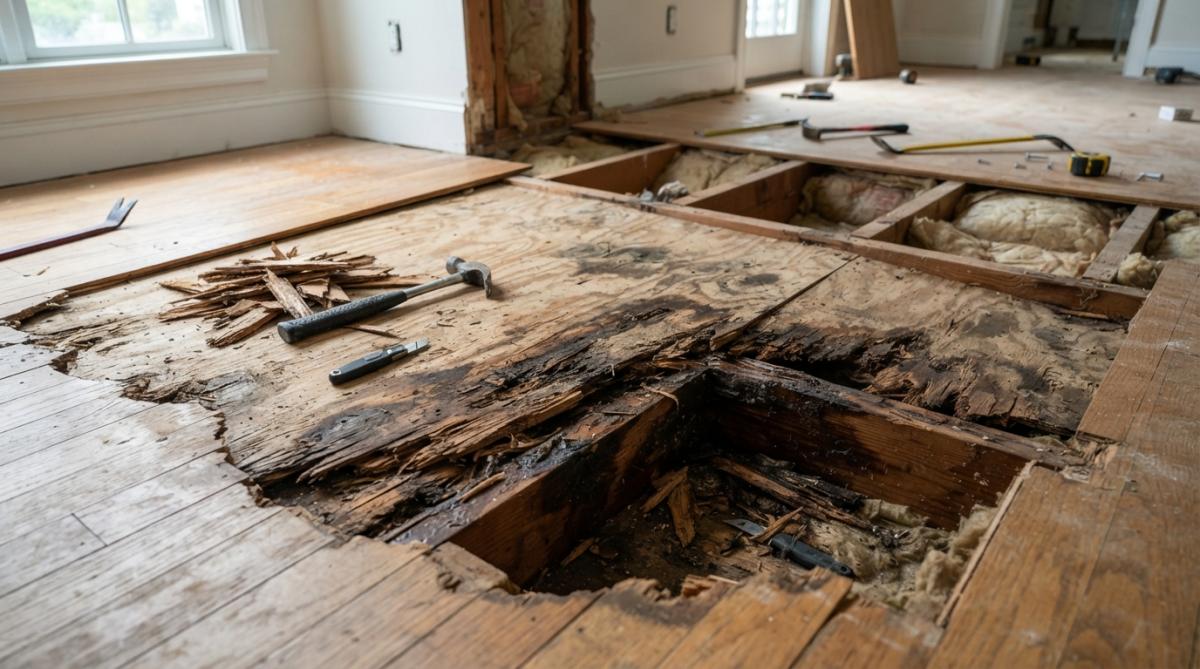
Squeaky floors signal movement or structural looseness. Buyers immediately wonder if it's just annoying or indicates deeper problems. Cracked tiles, especially in bathrooms and kitchens, often point to subfloor movement. Soft spots where the floor feels spongy indicate rot or water damage, the most serious red flag.
Visible sags or slopes signal structural movement. Water staining on the subfloor indicates past or ongoing moisture exposure. Mold growth is the worst-case scenario, raising health concerns and suggesting moisture problems.
Visible Warning Signs: Squeaky Floors, Cracked Tiles, and Soft Spots
Squeaky floors happen when subfloor fasteners loosen or the subfloor shifts. Widespread squeaking suggests movement. Cracked tiles in kitchens and bathrooms are particularly concerning in high-moisture areas where subfloor damage is most likely.
Soft spots feel like walking on a trampoline. This indicates rot or structural compromise. Buyers and inspectors will probe these areas, and if they find soft wood, the damage assessment escalates quickly.
Hidden Damage: Subfloor Rot, Mold, and Moisture Damage
Subfloor rot often starts underneath where moisture accumulates from plumbing leaks, foundation seepage, or poor ventilation. By the time symptoms appear, damage may be extensive. Professional inspection with moisture meters can reveal hidden rot before it becomes catastrophic.
Mold thrives in damp environments and is a serious concern affecting indoor air quality. Even after remediation, documentation of mold history can impact buyer perception. Moisture damage is cumulative, small leaks, poor grading, or inadequate ventilation compound over time.
Subfloor Repair Cost vs. Long-Term Equity Gains
The math is straightforward: professional repair now costs significantly less than the price reduction you'll accept later if you sell with known damage. A typical subfloor repair might cost several thousand dollars, while the appraisal impact and buyer confidence loss can reduce your sale price by far more.
Consider this: a home with a damaged subfloor might receive offers $20,000 to $40,000 lower than comparable homes with sound subfloors. A professional repair costing a fraction of that immediately removes the discount. The repair pays for itself through higher offer prices, faster sales, and fewer negotiation complications.
Beyond the immediate sale, subfloor repair protects your equity. If you're staying longer, you avoid emergency replacement costs and prevent compounding damage from unchecked moisture and rot.
Understanding Repair vs. Replacement Investment
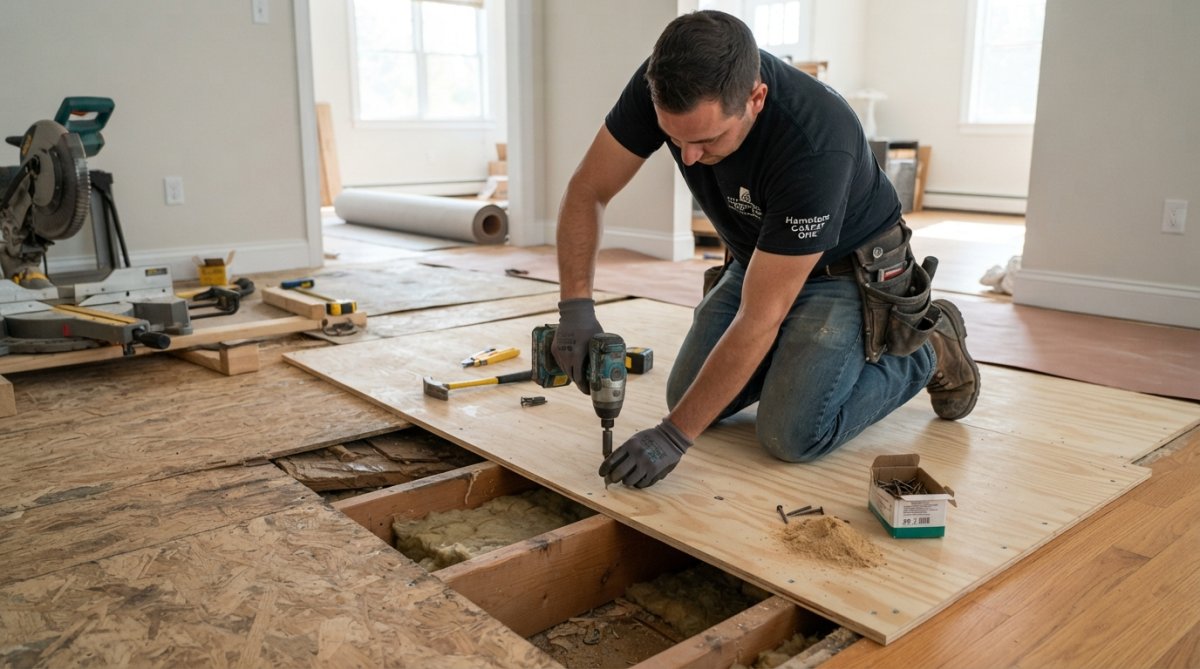
Repair is appropriate when damage is localized and underlying structure is sound. A section of rotted subfloor can often be cut out and replaced without replacing the entire subfloor, significantly cheaper and still eliminates buyer concern.
Replacement becomes necessary when damage is widespread, multiple areas are affected, or structural integrity is compromised across large sections. A newly replaced subfloor is actually a selling point, like having a new foundation. From a market perspective, what matters is documentation. Whether you repair or replace, professional documentation and warranty coverage is what buyers and appraisers value.
Flooring Upgrades Increase Home Value When Built on Sound Subfloors
New flooring adds value, but only if the subfloor beneath it is sound. Installing beautiful new hardwood over a damaged subfloor is like painting a house with a cracked foundation. Buyers will discover it during inspection.
The best ROI on flooring comes when you combine subfloor repair with new flooring installation. You're adding both structural confidence and cosmetic appeal. Buyers see new flooring and assume the subfloor is also in good condition.
The flooring installation process itself can reveal subfloor problems. Installers will probe for soft spots and check moisture levels. If they find damage during installation, project costs escalate dramatically. Addressing subfloor issues before flooring installation prevents surprise costs.
Why New Flooring Fails Without Proper Subfloor Foundation
New flooring installed over a compromised subfloor will develop problems within months. Hardwood will cup and warp. Vinyl and laminate will develop gaps. Tile will crack. Carpet will wear unevenly. These failures signal to buyers that something went wrong.
Cosmetic vs. Structural Repairs: What Buyers Really Care About
Buyers weight structural repairs much more heavily than cosmetic ones. They'll overlook cosmetic issues if the structure is sound, but they'll walk away from cosmetic appeal if the structure is questionable. Subfloor repair should be your first priority before any cosmetic upgrades.
Water Damage Subfloor Repair and Marketability
Water damage is the subfloor's worst enemy and the most visible concern to buyers. Professional water damage subfloor repair and mold remediation, when properly documented, can turn this concern into a selling point.
Documentation is crucial. A buyer who sees evidence of professional water damage repair and mold remediation with warranty coverage knows the problem was addressed by experts. This is far better than a buyer discovering water stains during inspection.
Mold Remediation and Its Impact on Buyer Perception
Mold is a serious health concern. Professional mold remediation with documentation can mitigate this concern. When you can show that mold was professionally identified, removed, and the moisture source was eliminated, buyers feel more confident.
The key is addressing the root cause. Mold remediation without fixing the moisture problem is incomplete. Professional remediation that includes moisture control, ventilation improvements, or waterproofing demonstrates a comprehensive solution.
Documentation: Transferable Warranties and Home Inspection Records
Collect and organize professional inspection reports, contractor invoices, mold remediation reports, warranty information, and before-and-after photos. This documentation tells a story: the problem was identified, professionally addressed, and resolved. Having it ready demonstrates transparency and actually strengthens your negotiating position.
Subfloor Replacement ROI: What the Numbers Show
The return on investment for subfloor replacement is measured in appraisal impact, buyer offer prices, and speed of sale. A home with documented subfloor replacement typically appraises higher, attracts more serious buyers, and closes faster than a comparable home with known damage.
Localized repair in a 200-square-foot area might cost a few thousand dollars and add $8,000 to $12,000 in appraised value. Full subfloor replacement might cost more but eliminate a major buyer concern that could have reduced the sale price by $30,000 or more.
From an equity perspective, subfloor replacement is a long-term investment. If you're staying in the home, you're buying peace of mind. If you're selling, you're protecting your sale price.
Cost-to-Value Ratio in Today's Real Estate Market
The real estate market in 2026 continues to reward homes with solid structural foundations. In competitive markets, homes with documented subfloor repair sell faster and at higher prices. In slower markets, subfloor repair becomes even more critical because buyers have more options.
A $10,000 subfloor repair that prevents a $25,000 price reduction is a 2.5x return, better than most home improvements.
Professional Inspection vs. DIY Assessment: Why It Matters for Value
A professional inspection using moisture meters and structural probes carries weight with buyers and appraisers. A homeowner's visual inspection, no matter how careful, doesn't have the same credibility. Professional assessment removes uncertainty and strengthens your position.
| Assessment Type | Cost | Credibility | Buyer Impact | Documentation |
|---|---|---|---|---|
| DIY visual inspection | Free | Low | Minimal | Informal |
| Professional moisture meter check | $200-400 | Medium | Moderate | Report provided |
| Full structural inspection | $400-800 | High | Strong | Detailed report |
| Moisture + mold assessment | $500-1,000 | High | Strong | Comprehensive documentation |
The Hidden Cost of Ignoring Subfloor Issues Before Selling
The real cost of ignoring subfloor problems isn't the repair expense, it's the sale price you'll sacrifice and the time your home sits unsold. A buyer's inspector will find the damage. When they do, the negotiation dynamic shifts entirely in their favor.
Buyers who discover subfloor damage during inspection reduce their offer to account for repair costs plus a risk premium. That risk premium is often larger than the actual repair cost.
How Foundation Repair Delays Lead to Appraisal Reductions
Every month you delay, the problem worsens. Moisture continues damaging wood. Rot spreads. Mold grows. The repair scope expands and costs increase. When you finally sell, the appraiser factors in the worse severity, resulting in larger deductions.
Surprise Costs During Flooring Installation and Home Inspections
Many homeowners discover subfloor damage during flooring installation. The installer finds rot or moisture damage, and the flooring project suddenly costs 50% more. This painful surprise could have been avoided with a pre-installation assessment.
During home inspection, buyers' inspectors will probe the subfloor and document concerns. If you knew about damage and didn't disclose it, you face legal liability. If you disclose it without professional assessment and repair, you've already lost negotiating power.
Subfloor Repair vs. Flooring Replacement: Which Protects Your Investment
You need both: a sound subfloor and attractive flooring. But the priority is clear, subfloor repair comes first because it's the foundation for any flooring investment.
If you must choose between repairing the subfloor and replacing flooring, repair the subfloor first. A home with an old floor but sound subfloor is more valuable than one with new flooring over a damaged subfloor.
The ideal scenario is repairing the subfloor and then upgrading flooring. This combination maximizes both structural confidence and cosmetic appeal.
When to Repair, When to Replace, and What Buyers Expect
Repair is appropriate when damage is localized, a section under a leak or minor rot. Professional repair with warranty coverage demonstrates competence.
Replace when damage is extensive, multiple areas are affected, or structural integrity is compromised across significant sections. A new subfloor is a strong selling point.
Buyers expect the subfloor to be sound. They don't care whether you repaired or replaced it, they care that it's solid and documented. Professional work with warranty coverage is what matters.
Selling a home with subfloor concerns doesn't mean accepting a lower price or spending months on the market. Professional subfloor repair and documentation transform a liability into a strength. At Hamptons carpet one floor and Home, we understand how structural integrity impacts both the installation of new flooring and your home's overall marketability. When preparing to sell or planning a flooring upgrade, starting with a sound subfloor ensures your investment is protected and your home's value is maximized. Get in touch with the team to discuss your subfloor assessment and flooring options, we'll help you build on solid ground.
Frequently Asked Questions
How much does subfloor repair increase home value?
The value increase depends on repair scope, location, and local market conditions. A professional home inspection and structural assessment provide the most accurate estimate. Generally, addressing subfloor damage before sale prevents appraisal reductions and buyer negotiations that can cost far more than the repair itself. Consult with a real estate professional in your area for specific equity gains.
What are the signs of a damaged subfloor that affect resale value?
Common warning signs include squeaky floors, cracked tiles, soft or bouncy spots, visible mold, water stains, and a musty odor. During a home inspection, buyers and appraisers look for subfloor rot, moisture damage, and structural wear. Early detection through professional inspection prevents these issues from becoming deal-breakers and protects your home's marketability and equity.
Is it better to repair or replace a subfloor before selling?
Repair is often sufficient for localized damage like small areas of rot or moisture. Full subfloor replacement is necessary when damage affects structural integrity across large sections. A professional contractor can assess whether repair or replacement better protects your long-term investment and maximizes resale value. The cost-to-value ratio favors addressing damage early rather than facing buyer appraisal reductions.
How does subfloor damage affect a home appraisal?
Appraisers evaluate subfloor condition as part of structural integrity assessment. Water damage, mold, rot, and foundation repair needs can significantly reduce appraised value and affect financing approval. Buyers may request price reductions or walk away entirely if inspection reveals unaddressed subfloor issues. Proactive repair before appraisal protects your property's assessed value and strengthens buyer confidence in the real estate transaction.
This article was written using GrandRanker